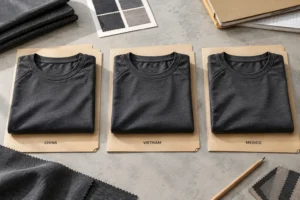
Short answer: cationic polyester is a modified polyester fiber that can accept cationic, or basic, dyes. The modification creates dye sites that behave differently from regular polyester, which can produce deep shades, heathered surfaces, or two-tone effects when the yarns and dye process are specified correctly. The word does not automatically prove that a finished fabric is softer, more breathable, more moisture wicking, or more durable. Those properties still depend on the fiber blend, yarn, fabric construction, finish, and test results.
For an apparel brand, the useful question is not only "what is cationic?" It is also: what exactly does a supplier mean by cationic, what visual or product problem should it solve, and how will the approved fabric be tested before bulk production? A fabric may be sold as cationic polyester, cationic fabric, CD yarn, or a cationic-look material. Those labels can point to different fiber, yarn, construction, and dyeing choices.
This guide translates the term into a practical activewear brief. It covers cationic dyeable polyester, CDP, ECDP, regular PET, color effects, fabric specifications, sample checks, care evidence, and the questions to send with a supplier inquiry.
What is cationic polyester?
Cationic polyester is a form of modified polyester engineered to accept cationic dyes. In technical language, it is often called cationic dyeable polyester, or CDP. The polymer is modified before or during fiber production so that the fiber contains sites that can attract positively charged dye molecules. That is the key difference from ordinary polyester, which is normally colored with disperse dyes through a different process.
The term is easy to misuse in a product conversation. A supplier may be referring to a yarn, a fiber component in a blend, a piece-dyeing route, or a final fabric with a heathered visual effect. Ask for the construction and composition before comparing quotes. A product photograph alone cannot tell you whether the cationic component is present in the warp, weft, face, back, or entire fabric.

The main terms are:
- Cationic dyeable polyester, or CDP: a modified polyester category that accepts cationic dyes. The exact dyeing method depends on the grade, yarn form, fabric construction, and dyehouse process.
- Easy cationic dyeable polyester, or ECDP: a lower-temperature or atmospheric-dyeable version in some product systems. It is not a universal specification, so ask the supplier to identify the actual grade and process.
- Regular polyester, or PET: conventional polyester that normally uses disperse dyes. It can still be blended with CDP to create contrast, but the two components will not behave identically in the dye bath.
- Cationic dye: a positively charged dye family used with fibers that provide suitable anionic dye sites. Do not assume that any bright polyester color was made with a cationic dye.
- Cationic fabric: trade language that may describe CDP content, a blend, or a cationic-looking surface. Treat it as a starting label, not a complete fiber specification.
ISO 20920 describes a method for determining dye uptake of cationic dyeable modified polyester fibers and applies to staple fibers and filament yarns. It does not turn the word cationic into a guarantee of garment performance. For a buyer, the standard is a reminder to ask which fiber or yarn is being evaluated and which test method is being used.
How does cationic dyeable polyester work?
Regular polyester is relatively difficult to color with ordinary water-soluble dyes because its polymer structure does not provide the same ionic attraction. Cationic dyeable polyester is modified so the fiber has dye sites that can bind with cationic dyes. The dyeing result is therefore based on a different chemical relationship between the dye and the fiber.

In practice, the buyer usually does not need to specify the polymer chemistry. The buyer does need to specify the outcome and ask the supplier to confirm the route:
- Which yarn or fiber is cationic dyeable?
- Is the fabric 100% cationic polyester or a blend with regular polyester, elastane, nylon, or another fiber?
- Is the intended effect solid, heather, mélange, cross-dyed, or two-tone?
- Is the fabric piece dyed, yarn dyed, or colored through another route?
- Which dyeing conditions and fastness tests are appropriate for the named grade?
The process window is not identical for every CDP or ECDP product. Dye temperature, pressure, pH, retarder, heating rate, bath ratio, and finishing can change the result. A supplier’s technical sheet and lab dip are more useful than a generic claim such as low-temperature dyeing.
Why can cationic polyester create two-tone effects?
The most recognizable use of cationic polyester is a controlled contrast between cationic-dyeable yarn and regular polyester yarn. If the two components take color differently, a fabric developer can create a heather, mélange, or two-tone appearance. The final look depends on yarn placement, ratio, filament characteristics, fabric structure, dye selection, and process control.
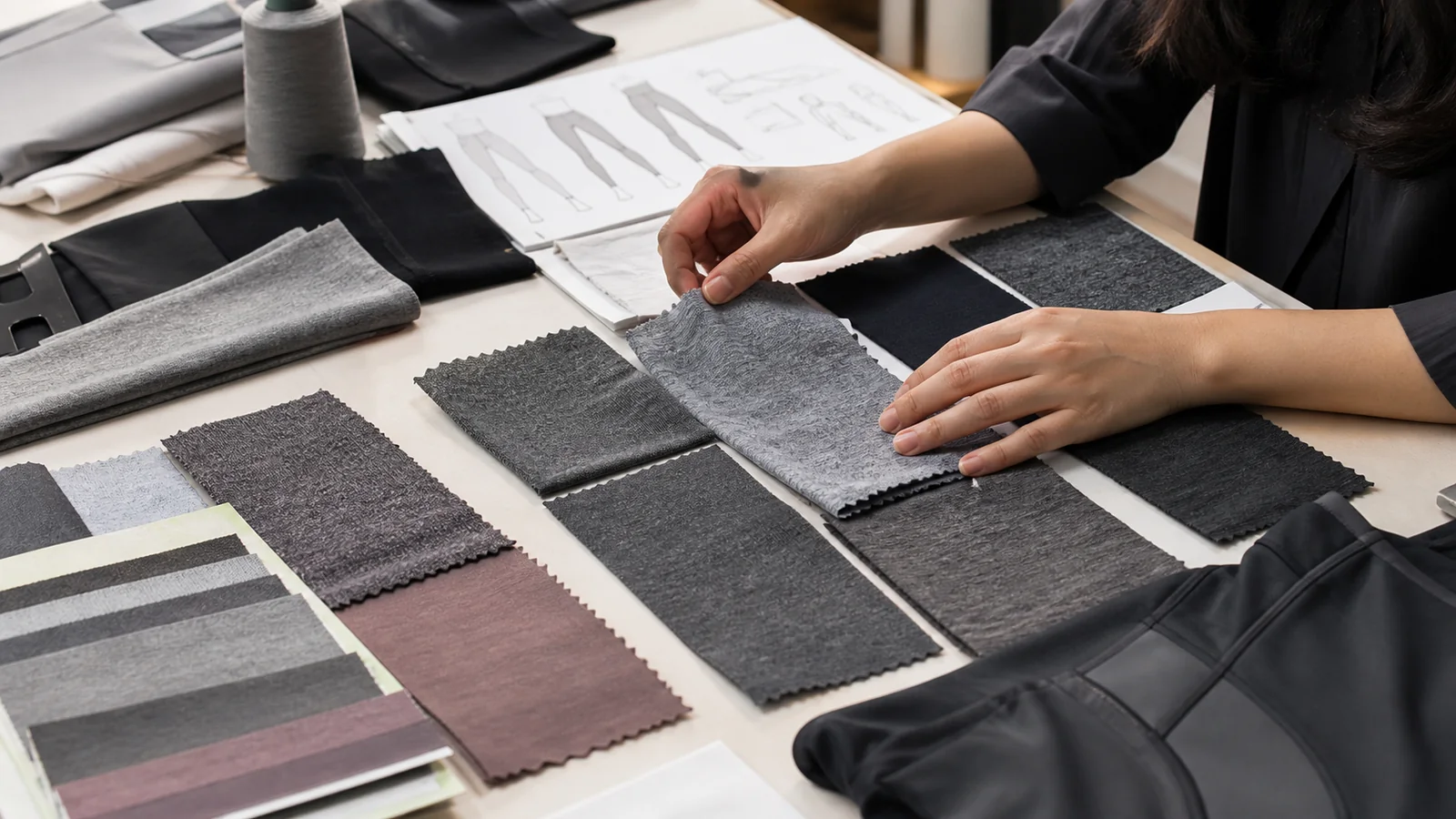
This is why a buyer should not write only "cationic gray" in a purchase order. A better brief names the base color, contrast level, face and back appearance, heather scale, approved lab dip, and acceptable shade variation. If the color effect is central to the product, keep the approved swatch and the dyeing route with the sample record.
Tepar’s CDP material describes cationic and disperse dye routes, dual-tone effects, and sportswear applications. Treat those statements as an example of what a specific CDP product can be designed to do, not as a specification for every cationic fabric on the market.
Why do buyers choose cationic polyester for activewear?
The strongest reason is usually visual. Cationic polyester can help a brand develop deeper shades, richer heather effects, or a subtle contrast that is difficult to reproduce with a single conventional polyester component. That can support a training top, yoga garment, lifestyle set, or outdoor layer when the color story matters as much as the silhouette.

Fiber producers list cationic polyester products for applications that include sportswear, outdoor wear, yoga garments, swimsuits, intimate apparel, and casual wear. The application list shows where the material may be considered, but it does not replace a fabric-level evaluation. A swimsuit, a brushed hoodie, and a lightweight training top can use different constructions even when a supplier uses the same broad word cationic.
What cationic polyester can tell you
- The fiber or yarn has been designed for a cationic dye route or for a blend effect that uses different dye uptake.
- The fabric may offer a richer color direction or a controlled heather and two-tone appearance.
- The product may need a more specific lab-dip and fastness approval process than a simple solid polyester fabric.
- A technical discussion should include the cationic grade, yarn form, construction, color target, and test plan.
What cationic polyester cannot tell you by itself
- Whether the fabric wicks moisture quickly.
- Whether it is breathable, opaque, soft, brushed, anti-pilling, or UV protective.
- Whether it has good stretch and recovery.
- Whether it is recycled, certified, or lower impact.
- Whether a supplier can meet your target MOQ, price, lead time, or testing requirement.
Those outcomes come from the complete fabric system. If moisture management is important, compare the actual fabric structure and test evidence with the requirements in DTS’s moisture-wicking fabric guide, rather than treating cationic as a substitute for a wicking specification.
Cationic polyester vs regular polyester: which should you choose?
Neither material is automatically the better choice. The right route depends on the product promise, the desired color effect, the fabric construction, and the evidence required for the target market.

Use this decision rule:
- Choose a cationic route when the design needs a specific deep, heathered, mélange, or two-tone appearance and the supplier can reproduce that appearance in a controlled lab dip.
- Choose regular polyester when a stable solid shade, familiar fabric route, or simpler material comparison is the main objective.
- Consider a blend when the construction needs visual contrast, but define the position and percentage of each component before sampling.
- Do not choose by the name alone when the garment also needs moisture management, compression, recovery, coverage, abrasion resistance, or a particular hand feel.
When comparing two quotes, ask both suppliers to quote the same fiber content, yarn form, construction, GSM, width, stretch target, finish, color reference, test method, packaging, and sample scope. A lower price may simply exclude the lab dip, fabric test, special dye route, or correction round that the other quote includes.
The most useful comparison is therefore not "cationic is premium and regular polyester is basic." It is:
- Which route reaches the approved visual effect?
- Which route meets the garment’s measurable performance requirements?
- Which route has a repeatable fabric and dyeing process?
- Which route can be inspected and reordered using the same specification?
What should be in a cationic polyester fabric specification?
Write the specification so a fabric mill, garment manufacturer, product developer, and quality inspector can interpret the same material. DTS’s jersey clothing material guide and GSM meaning guide can help define the general construction and weight fields, but the cationic section should be more specific.
Include these fields:
- Fiber content: state the percentage of cationic polyester, regular polyester, elastane, nylon, or other fiber. If the supplier uses a trade name, request the generic fiber description as well.
- Yarn form: identify spun or filament yarn, denier, filament count where relevant, lustre, texture, and whether the cationic yarn is in the face, back, warp, weft, or full structure.
- Fabric construction: name jersey, interlock, mesh, rib, woven, fleece, or another structure, then describe the face and back appearance.
- Weight and width: state target GSM or weight range, usable width, tolerance, and whether the measurement is before or after the agreed finish.
- Stretch and recovery: specify direction, target stretch, recovery expectation, and the test or measurement method when fit depends on it.
- Finish: list brushing, peaching, wicking treatment, softener, heat setting, or other finish only when it is part of the approved sample and can be verified.
- Color objective: state solid, heather, mélange, two-tone, or cross-dyed effect; include a physical or digital color reference and a shade approval process.
- Testing: name the required colorfastness, dimensional stability, pilling, abrasion, stretch, or performance tests and the acceptance criteria to be confirmed for the order.
Do not fill a blank specification with invented numbers. If the GSM, denier, blend ratio, stretch, or tolerance is not decided, mark it as an open decision in the development record and resolve it before the bulk quotation is approved.
How should a buyer test a cationic polyester sample?
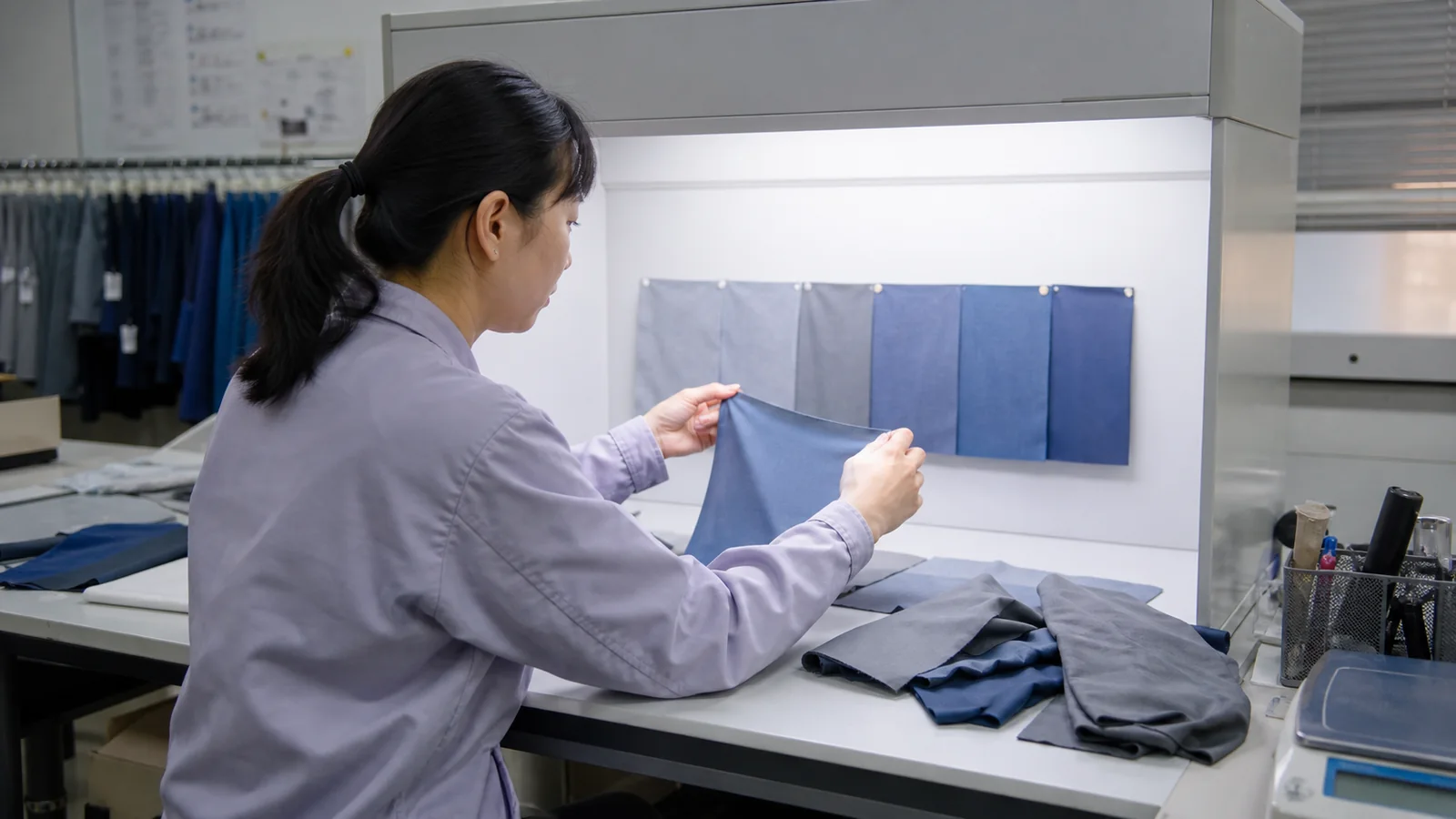
The sample should be checked before washing and after the agreed care cycle. The goal is to confirm that the color effect, garment fit, hand feel, and construction still match the approved brief.
Use a practical sequence:
- Shade and visual effect: compare the lab dip or garment sample against the approved reference under consistent lighting. Check solid areas, heather scale, face and back contrast, seams, panels, and trims.
- Rubbing fastness: check dry and wet rubbing when the garment will contact light-colored layers, equipment, or skin. Record the method and rating required by the market or brand.
- Laundering fastness: agree the laundering method before testing. ISO 105-C06 describes domestic and commercial laundering colorfastness methods using a reference detergent. It is a test framework, not a universal pass score for every product.
- Dimensional stability: measure length and width before and after washing. Record shrinkage, spirality, skew, and any change to panel alignment.
- Stretch and recovery: test the finished fabric or garment in the direction that controls fit. A cationic yarn does not by itself prove that an elastane blend will recover after dyeing and repeated care.
- Pilling and surface change: check the surface after the agreed wear or laundering simulation. Brushing, peaching, elastane, filament type, and finishing can change the risk.
- Hand feel and coverage: review softness, cling, opacity, drape, and seam behavior on the intended garment, not only on a small swatch.
- Label and care evidence: make sure the approved fiber content and care instruction match the final material, trims, decoration, and construction.

For US-bound apparel, the FTC states that most textile products need fiber content, country of origin, and responsible business information on the label. The FTC Care Labeling Rule also expects care instructions to be supported by reliable evidence. The final compliance review belongs to the brand or importer responsible for the market, but the supplier should provide the material and test information needed for that review.
What are the risks of cationic polyester blends?
Blending can create the look or performance the product needs, but it also adds variables. A cationic component and a regular polyester component may take dye differently. Elastane can respond differently to heat and chemical conditions. A softener, wicking finish, brushed surface, or heat-setting step can change the hand feel and dimensional behavior after dyeing.

Ask the supplier to clarify:
- the exact fiber percentages and whether the percentages are for yarn, fabric, or finished garment
- the location of each component in the fabric structure
- whether the two-tone effect comes from fiber content, yarn arrangement, piece dyeing, or finishing
- how the dye process protects stretch and recovery
- whether trims, thread, print, embroidery, labels, and elastane have been included in the wash and colorfastness review
- whether the approved sample is made from the same fabric lot or only a development substitute
Do not assume that a cationic polyester and elastane sample will behave like a regular polyester and elastane sample. Do not assume that a gray heather effect will repeat identically in a dark color. Approve each important color and keep the approved reference with the purchase order.
How do you write a cationic polyester tech pack and RFQ?
The tech pack should describe the garment and the fabric together. A fabric name without a garment use, color objective, or test plan leaves too much room for interpretation.

Send these fields with the first inquiry when available:
- garment type, silhouette, size range, and target end use
- target fabric construction, composition, GSM, width, and stretch direction
- cationic content, regular polyester content, elastane content, and yarn form
- solid or two-tone color objective with reference swatch or image
- face and back appearance, coverage, hand feel, and finish direction
- artwork, print, embroidery, trims, labels, and packaging requirements
- required tests, target market, care direction, and acceptance criteria
- estimated quantity by color and size, sample deadline, and bulk timing to be confirmed
- questions that should be separated in the quotation, such as sample charge, development charge, MOQ, testing fee, packaging, and shipping terms
If the fabric is still open, say so clearly. Ask the supplier to propose two or three material routes and identify which differences affect cost, appearance, lead time, testing, or reorder risk. This produces a more useful conversation than asking for the cheapest cationic fabric without a product brief.
For help turning a garment concept into editable production information, review DTS’s tech-pack customization resource. The article is a planning aid, not a substitute for confirming the final fabric and test data.
How do you compare suppliers for a cationic polyester program?
Use a scorecard that rewards evidence related to the requested fabric. A general factory photograph or a broad product list does not prove that a supplier can reproduce one cationic color effect in one garment construction.

Score each supplier as ready, needs evidence, or not aligned across these fields:
- Material clarity: composition, yarn form, cationic grade, construction, GSM, width, and finish are stated.
- Color control: the supplier can explain the lab-dip route and provide a repeatable approval process for the required effect.
- Test plan: the quote identifies the relevant colorfastness, dimensional, stretch, pilling, or performance checks.
- Sample discipline: the development sample uses the proposed material route and records revisions, comments, and approval status.
- Garment integration: the supplier has considered trims, decoration, labels, seams, recovery, and care behavior in the complete garment.
- Commercial clarity: MOQ, sample fees, development fees, testing, packaging, lead time, and quote exclusions are visible and current.
Keep capability and proof separate. A supplier may be able to source a cationic fabric, but that does not prove the supplier can meet your exact color, hand feel, stretch, test, and reorder requirements. Ask for evidence tied to the requested product.
What should a brand confirm before bulk production?
Before bulk approval, close the loop between the fabric, garment, label, and quotation. Confirm the approved fabric composition, color reference, sample version, measurement chart, construction details, decoration, trims, care direction, packaging, and inspection plan.

The final gate should answer:
- Is the bulk fabric from the approved cationic or blended route?
- Does the lab dip match the approved color effect under the agreed lighting?
- Are the garment measurements and stretch behavior within the approved tolerance?
- Did the wash, rubbing, dimensional, pilling, and surface checks meet the agreed criteria?
- Do labels state the material and care information that the responsible market team approved?
- Are quotation terms, packaging, quantity, sampling, and delivery assumptions written separately from the technical approval?
For a broader inspection workflow, DTS’s quality control resource can support the conversation about inspection points. For the development handoff, sampling and prototyping is the more relevant next step. The exact test plan and commercial terms still need to be confirmed for the garment program.

Frequently asked questions
Cationic polyester is modified polyester designed to accept cationic dyes. It can support deep shades or two-tone effects, but the finished fabric’s softness, stretch, wicking, breathability, and durability depend on the complete construction and verified test results.
No. Both are polyester-based materials, but cationic dyeable polyester has a modified structure that accepts cationic dyes, while regular polyester normally uses disperse dyes. A fabric can contain both, so ask for the exact composition and yarn placement.
It can be a useful option when the activewear design needs a vivid shade, heathered surface, or controlled two-tone effect. It is not automatically good for every activewear use; confirm moisture management, stretch, recovery, coverage, pilling, abrasion, and care behavior at the fabric and garment level.
Not by the word cationic alone. Moisture management depends on yarn geometry, fabric construction, blend, surface, and finish. Ask for the actual fabric specification and test evidence if wicking is part of the product requirement.
CDP is a common abbreviation for cationic dyeable polyester. ECDP generally refers to an easy cationic dyeable version in a supplier’s product system, often associated with lower-temperature or atmospheric dyeing. The exact process and grade must be confirmed from the technical data sheet.
It can when cationic-dyeable and regular polyester components are combined with a suitable yarn arrangement and dye process. The effect is not guaranteed by the name, so approve the actual lab dip, face and back appearance, contrast level, and shade tolerance.
Check shade and visual effect, dry and wet rubbing, laundering colorfastness, dimensional stability, stretch recovery, pilling or surface change, hand feel, coverage, and care evidence. Agree the method and acceptance criteria before sampling rather than accepting an undefined promise of colorfastness.
Include garment use, fabric composition, yarn form, construction, GSM, width, stretch, finish, color effect, reference swatch, testing, target market, quantity, sample timing, packaging, and commercial items to confirm. Ask the supplier to identify any substitute material or process change before approval.
Choose cationic polyester by verified fabric behavior, not by the color name alone
Cationic polyester is best understood as a dyeability and material-construction choice, not as a complete performance claim. Start with the color or surface effect the garment needs, then define the fiber content, yarn, construction, GSM, stretch, finish, testing, and care evidence. A clear sample record turns a vague cationic label into a fabric that can be quoted, inspected, labeled, and reordered with less ambiguity.
If you want DTS Activewear to review a cationic polyester activewear concept, send the garment type, target color effect, composition direction, fabric weight or stretch target, quantity, target market, artwork or tech pack, and sample timing.