
Advanced Techniques
Choose Techniques Around the Product, Not Decoration Alone
Decoration Feasibility
Garment Finish
Pattern Support
Production Readiness
Advanced Decoration & Surface Techniques
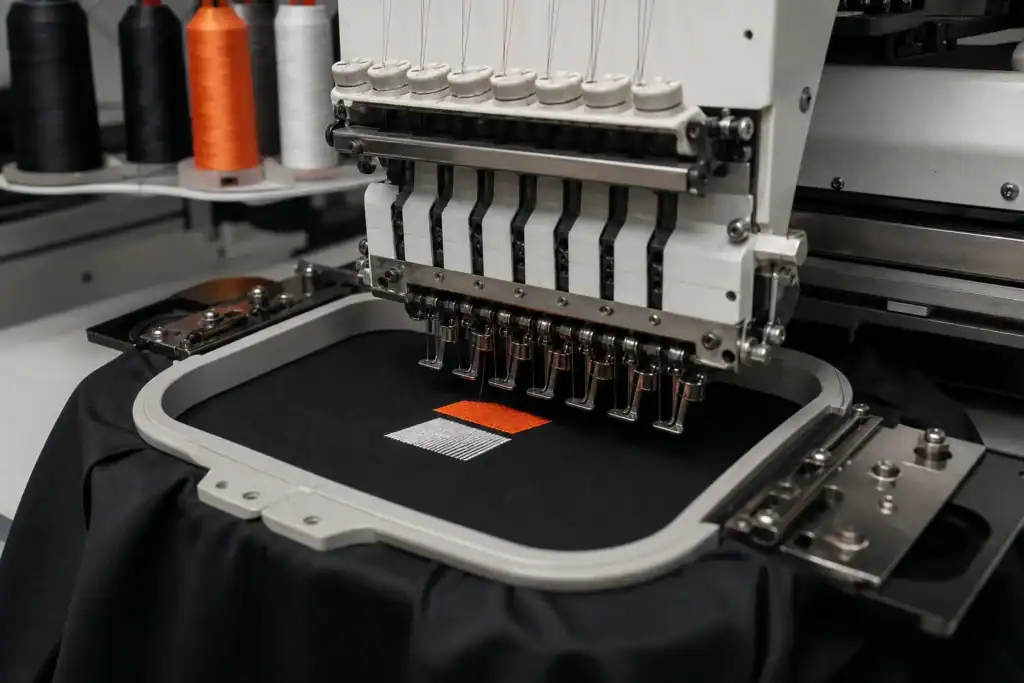
Printing & Embroidery
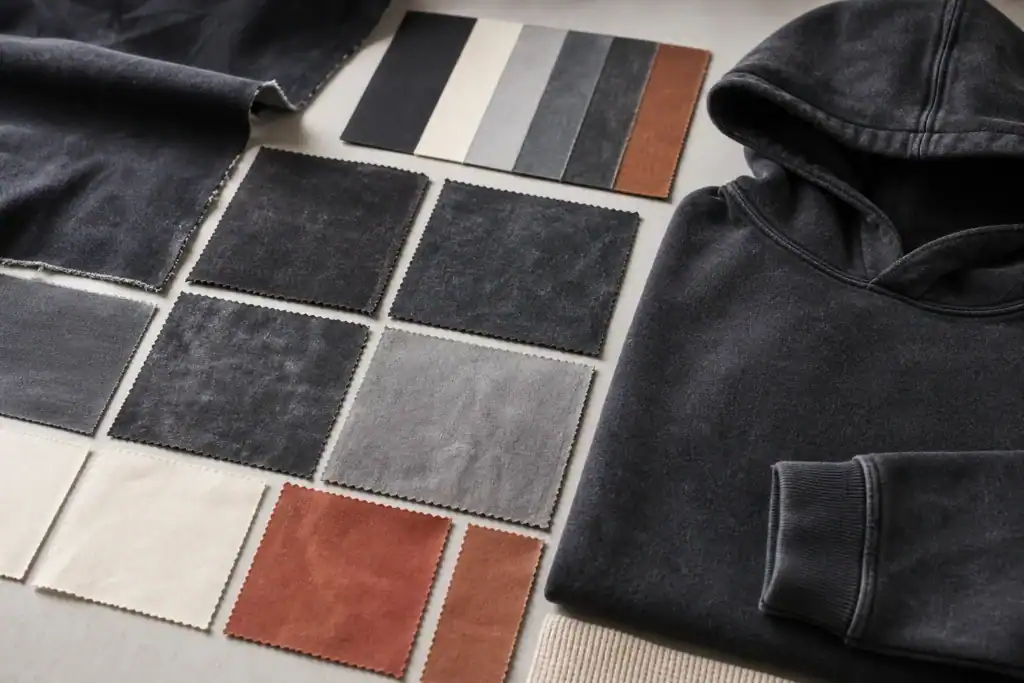
Washing & Finish
Review garment wash, vintage effect, acid wash direction, shrinkage risk, hand feel and pre-production approval expectations.
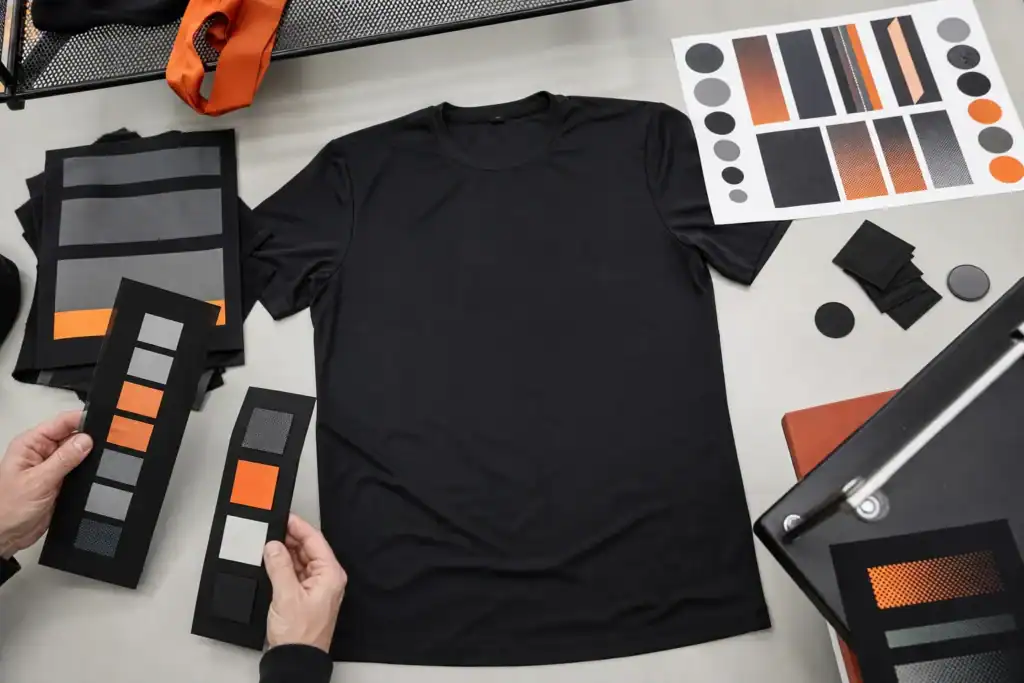
Branding Details
Pattern, Fit & Construction Support
Fit & Pattern Review
Tech Pack & Artwork Review
Packaging & SKU Control
Technique Selection Checklist
Artwork & Placement
Fabric & Finish
Order & Repeatability
Advanced Technique Development Flow
1. Review Product Intent
2. Match Technique Route
3. Develop Sample
4. Lock Bulk Standard
Where Advanced Techniques Are Commonly Used
Streetwear Drops
Fitness & Activewear
Merch & Creator Apparel
Private Label Programs
TECHNIQUE REVIEW CHECKLIST
Specify Decoration and Finishing Before Sampling
For a buyer, custom apparel printing and apparel embroidery should be specified as part of the garment brief, not chosen after the sample is finished. Record the fabric surface, artwork size, placement, color or stitch detail, expected wash behavior and approval reference. If the route is still being evaluated, use the existing sampling stage to confirm the technique on the actual product.
When comparing custom apparel embroidery, custom clothing patches or custom clothing labels, ask the supplier to separate artwork preparation, attachment method, placement limits and sample approval. A request for custom clothing tag printing should also state label dimensions, artwork version, care information and the intended garment location. The available route and execution remain project-specific.
For garment dyeing services or other garment finishing work, include fiber content, target shade, surface effect, hand feel, wash expectation and sample approval notes. These inputs help buyers compare a finishing route without assuming that every fabric or color can use the same process. DTS confirms the feasible technique against the brief and sample.
Match Labels, Artwork and Wash Instructions to the Garment
For buyers comparing custom clothing tags labels or custom woven labels, specify label type, size, attachment method, artwork and placement in the tech pack. Requests for custom clothing labels iron-on or custom embroidery clothing should be reviewed against fabric stretch, backing, location and wash requirements; final feasibility is confirmed per order.
Screen printing for clothing brands and custom screen printing apparel briefs should record garment fabric, artwork size, decoration method, placement tolerance and wash expectations. Silk screen printing clothing may suit some surfaces; compare the route with the fabric and approved sample instead of assuming one process fits every program.
For custom embroidered patches for clothing, record patch shape, edge, backing, artwork, size and garment placement before sampling. If a brief includes custom clothing label printing, add label type, dimensions, file version, attachment method and wash-care text. Garment labels washing instructions should be checked against the product and target-market requirements; exact compliance wording still requires confirmation.
Buyers asking how to make custom patches for clothing can use a production brief covering artwork, patch construction, backing, size and placement rather than relying on a generic tutorial. For what do garment washing symbols mean, start with the approved care-label reference and confirm the final symbols for the specific product and market. This page does not replace a product-specific compliance review.
Advanced Techniques FAQ
The choice depends on artwork detail, fabric surface, stretch, logo size, order quantity and washing expectations. Send the artwork and product reference for review before sampling.
Decoration should be selected as part of the garment specification, not as a separate visual choice. For Advanced Techniques, review artwork detail, number of colors, coverage area, fabric stretch and surface texture, then approve the actual size, position and finish on a sample. Keep the approved artwork file and placement sheet with the production and QC documents.
Embroidery can be reviewed, but stretch, fabric weight, logo size and placement affect feasibility. For some activewear products, heat transfer, silicone print or reflective details may be more practical.
For Advanced Techniques, compare fabric by composition, knit or weave, usable width, weight, stretch and recovery, hand feel, opacity, shrinkage, colorfastness and compatibility with the planned decoration. Review swatches or a sample under the intended use and care conditions before locking the bulk material; availability and color consistency should be reconfirmed for reorders.
Please provide reference photos, fabric direction, target hand feel, color expectation, product type and quantity. Wash effects should be approved by sample before bulk production.
A complete Advanced Techniques brief should show the commercial as well as technical scope: estimated order volume, size and color breakdown, target market, launch date, delivery destination and approval contact. Clearly label unknown details. The first response can then focus on feasibility, sampling needs, quotation inputs and the decisions required before production.
Yes. Labels, trims, decoration and packaging should be reviewed together because they affect costing, sampling, SKU control and final product presentation.
Before approving a technique for Advanced Techniques, provide vector artwork, finished dimensions, color references, placement measurements and the intended fabric and garment color. A strike-off or decorated sample should be checked for edge quality, hand feel, stretch, registration, wash appearance and placement tolerance; complex effects can change sampling, MOQ and lead time.
MOQ and lead time depend on the selected technique, material availability, artwork complexity and order quantity. These details should be confirmed during inquiry.
Before approving a technique for Advanced Techniques, provide vector artwork, finished dimensions, color references, placement measurements and the intended fabric and garment color. A strike-off or decorated sample should be checked for edge quality, hand feel, stretch, registration, wash appearance and placement tolerance; complex effects can change sampling, MOQ and lead time.
Prepare clear artwork, technique references, fabric direction, size chart, trim requirements, packaging notes and approval priorities before sample development starts.
Use the Advanced Techniques sample as an approval gate rather than only a visual reference. Review measurements and tolerance, fit on the intended body or size form, fabric and color, construction, decoration, trims, labels and packing. Consolidate comments into one dated list and record every accepted change before costing confirmation or bulk production.