
Concept & Mockup
Turn a moodboard, reference image or early brand idea into a custom apparel mockup before sampling. DTS Activewear helps buyers review silhouette, colorways, fabric direction, trims and logo placement, then carry approved visual decisions into tech pack and physical sample discussions. A mockup clarifies visual direction; it does not replace graded measurements, physical fit testing or final material approval.
Make the Design Direction Clear Before Sampling
Design Direction
Garment Details
Brand Placement
From Moodboard to Digital Apparel Mockup
Share Your Idea or References
Confirm Fit and Product Direction
Build the Concept Mockup
Revise Before Sampling
Bridge to Tech Pack and Sample
Turn approved mockup decisions into tech pack notes, material references and sample instructions. Use tech pack customization when measurements and construction notes need to be organized, or move to sampling and prototyping when the next decision requires a physical sample.
What a Digital Apparel Mockup Can and Cannot Confirm
A digital apparel mockup can align silhouette, front and back views, colorways, branding placement and material direction. It cannot verify final fit, graded measurements, fabric performance, wash behavior or bulk tolerances; those points require a tech pack, physical sample and agreed production standard.
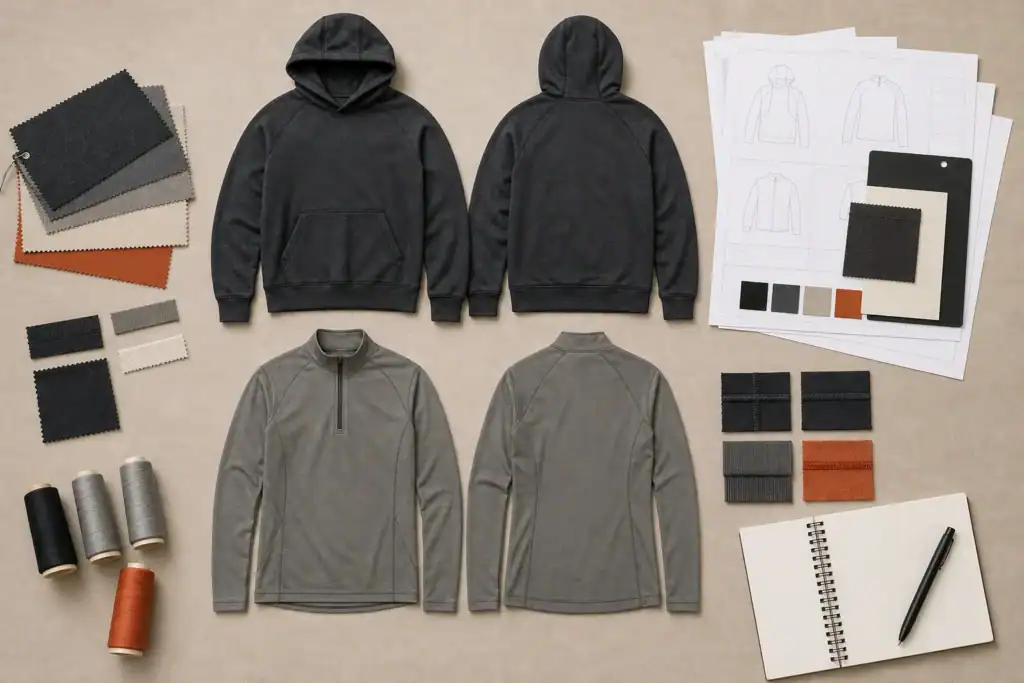
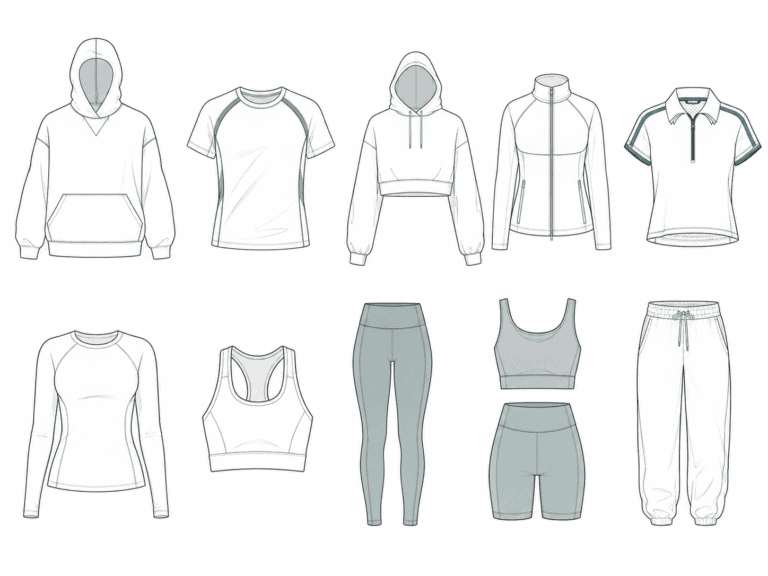
Front and Back Views
Colorways
Artwork Placement
Material Direction
Inputs That Help the Design Team Work Faster
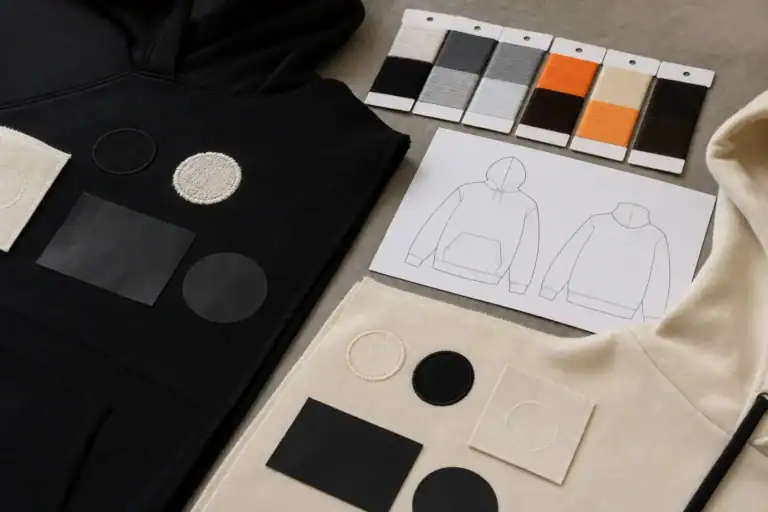
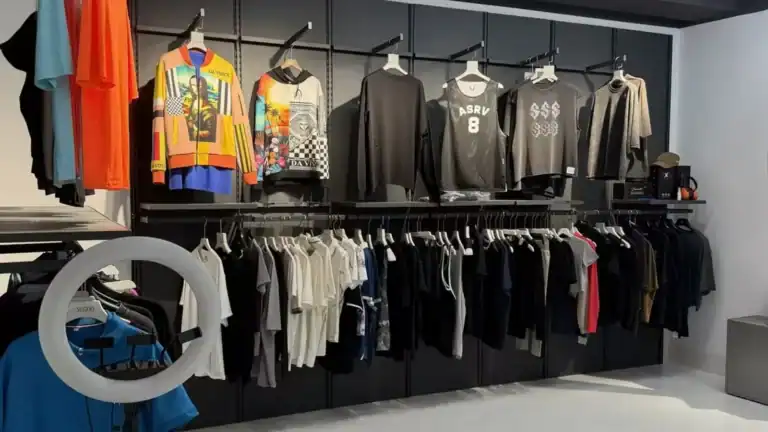
Moodboard or Reference Images
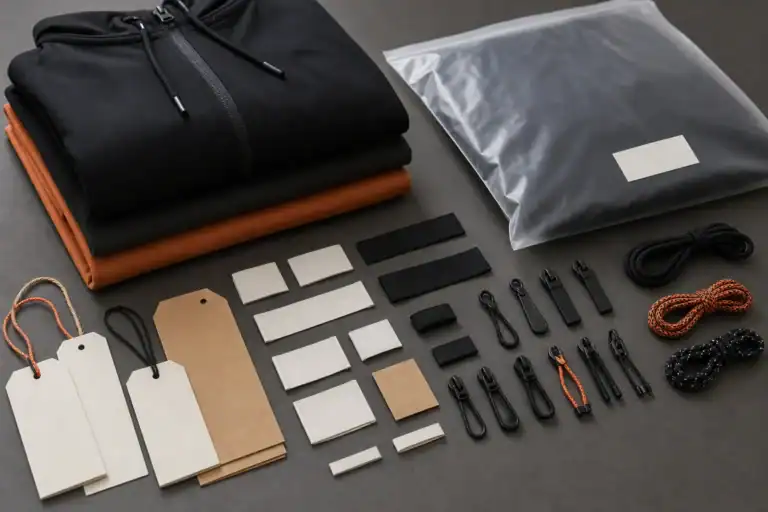
Logo and Brand Assets
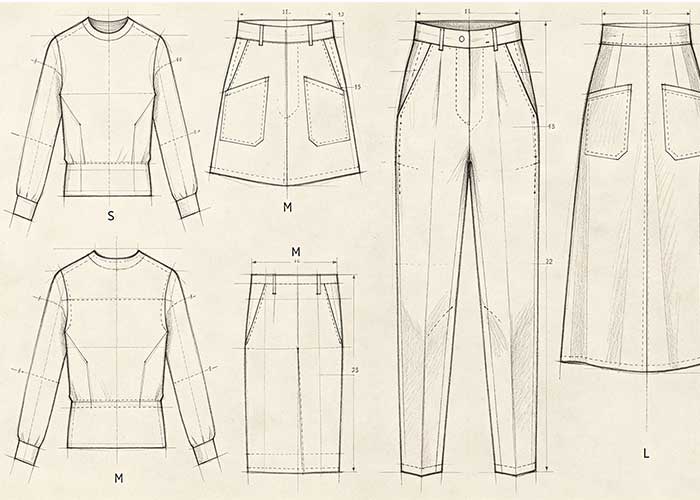
Product and Fit Notes
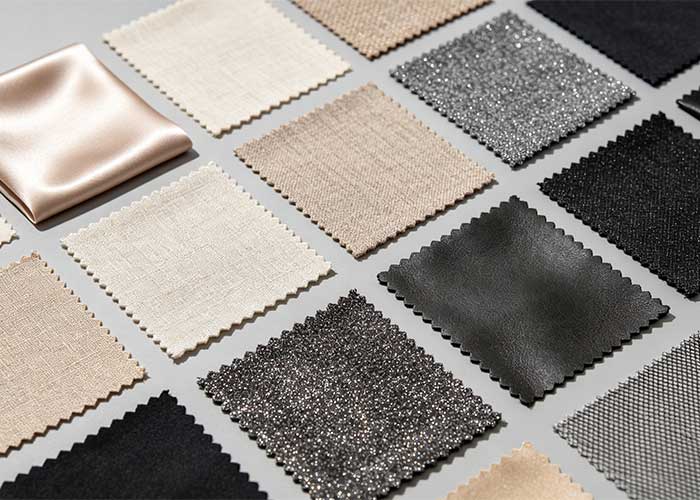
Material Preferences
Budget and Quantity Range
Confidentiality Needs
If the design is sensitive, request NDA review before sharing full artwork files or unreleased collection details.
Mockup Approval Before Physical Sample
Confirm Visual Direction
Flag Production Risks
Prepare Sample Notes
Keep Revision History
BRAND-FOCUSED MOCKUP REVIEW
Brand-Focused Apparel Mockup Review
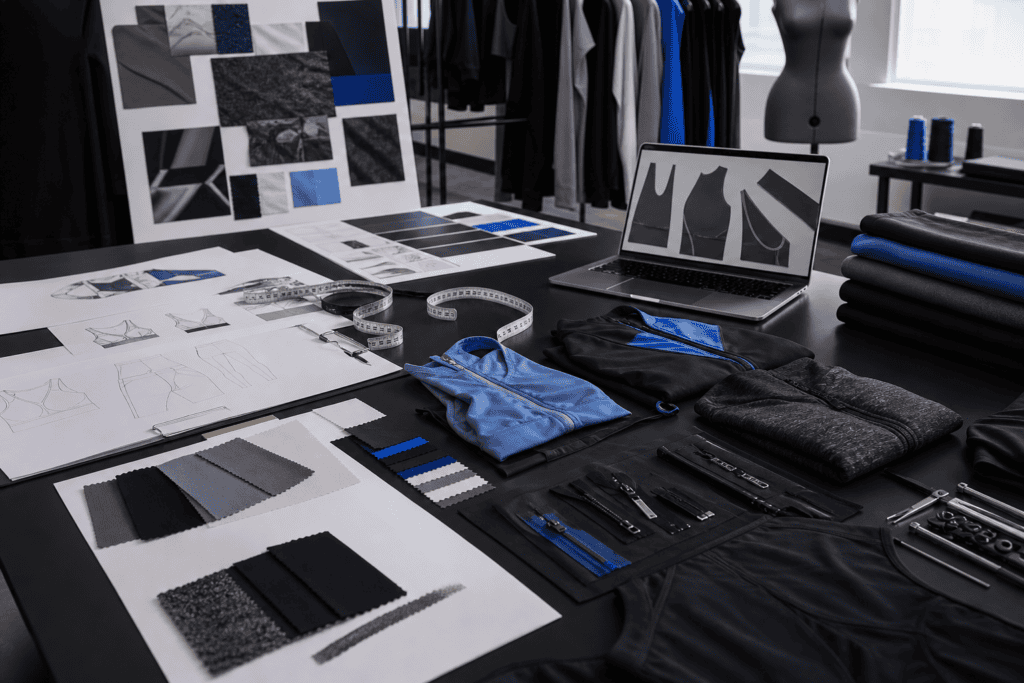
An apparel mockup or clothing mockup gives a brand a visual checkpoint before technical files and physical samples. A clothing brand mockup can show silhouette, colorways, artwork placement, trims and label direction without treating the visual as final fit or production approval.
For activewear and sportswear projects, a sportswear mockup, clothing branding mockup or 3d mockup clothing view can help organize a buyer review. A logo clothing mockup and mockup design clothing reference keep placement decisions visible while the team confirms the actual garment details.
When the brief requests mockup clothing or mockup apparel, state the garment type, fit reference, fabric direction, logo placement and intended selling channel. A logo mockup clothing reference or blank clothing label mockup can identify which artwork is approved and which remains under review.
Choose the Right Mockup Reference
A 3d clothing mockup supports front/back and colorway discussion; a clothing mockup template can help keep views consistent, while a clothing design mockup or clothing mockup design makes artwork and trims easier to review. An activewear mockup and an apparel label mockup can keep garment branding in the same review record.
If you are comparing apparel mockup examples, the question ‘what is a mockup in clothing?’ usually comes before a production decision. For teams asking how to make a clothing mockup, the useful starting point is a clear brief with reference images, product category, fit direction and the next decision required.
Concept & Mockup FAQ
CONCEPT MOCKUP REVIEW
Send Your Apparel Mockup Brief Before Sampling
Share your moodboard, reference garment, logo files and product direction. If the design is confidential, request NDA discussion before upload. A clear brief helps the team route the next step to concept review, tech pack support or physical sampling.