
For Influencer & Merch: Custom Apparel Drops for Creator Brands
Are Merch Drop Details Slowing Your Creator Launch?
Artwork Files Are Not Production-ready
Campaign Timing Can Slip
Too Many Variants Raise Risk
Reorders Need the Same Fit and Print
Custom Clothing Solutions for Influencers and Merch Brands
First Merch Drop
Creator Brand Capsule
Fan Community Reorders
Built for Campaign Timing, Artwork Accuracy and Reorder Control
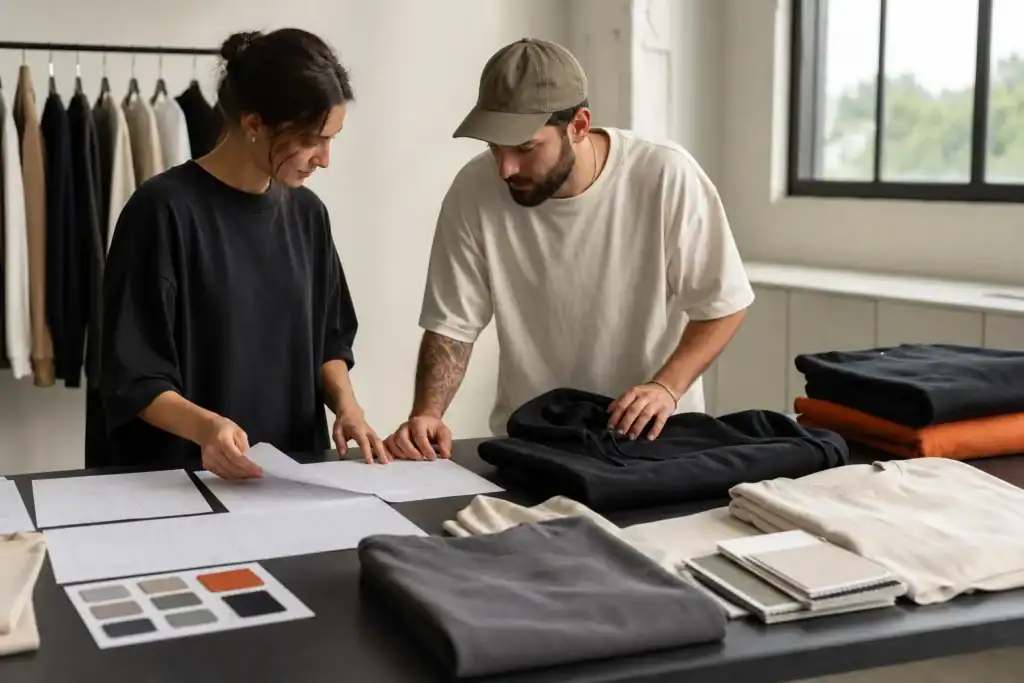
Merch Launch Channels We Can Prepare For
Influencer Drops
YouTube and Podcast Merch
Fitness Creator Apparel
Community and Event Merch
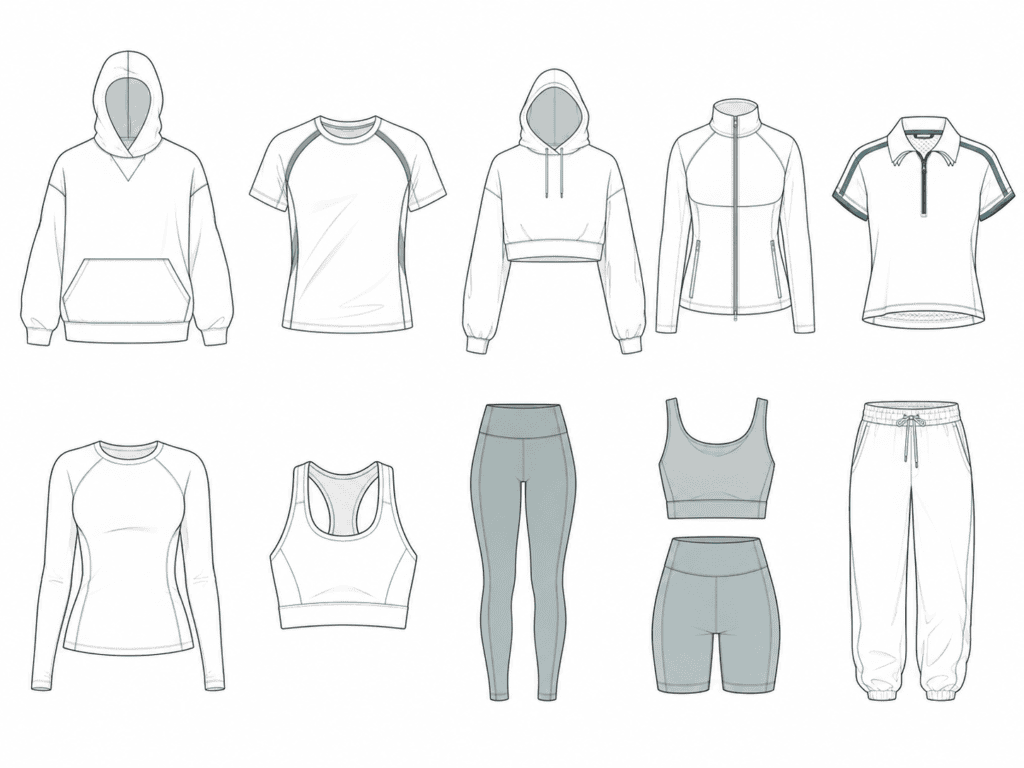
Influencer Merch Product Directions
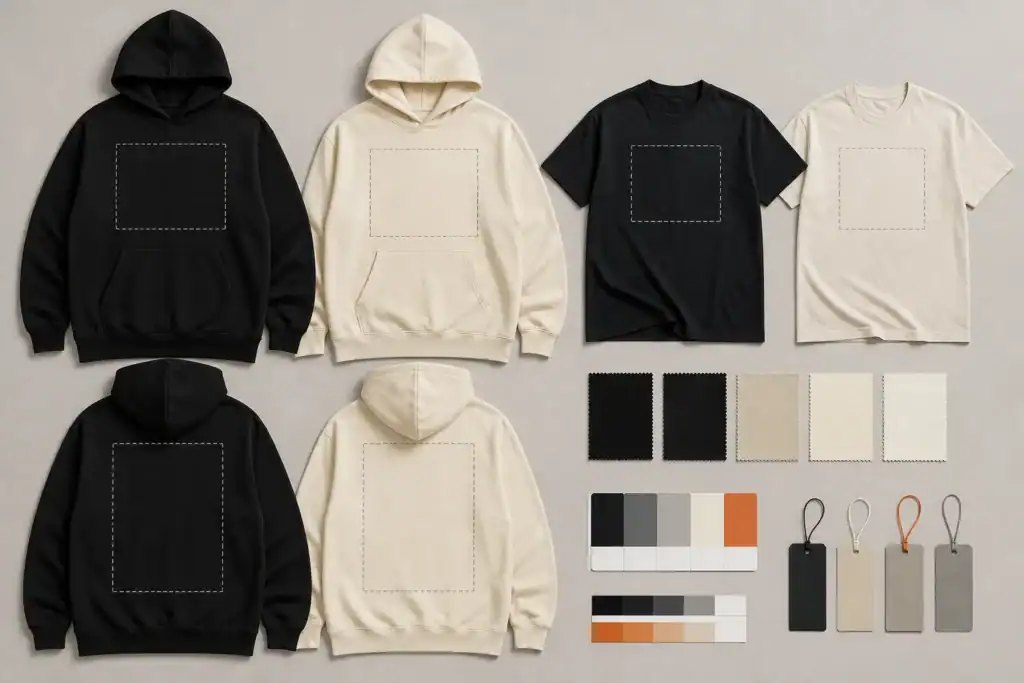
Graphic Tees and Oversized Tees
Hoodies and Sweatshirts
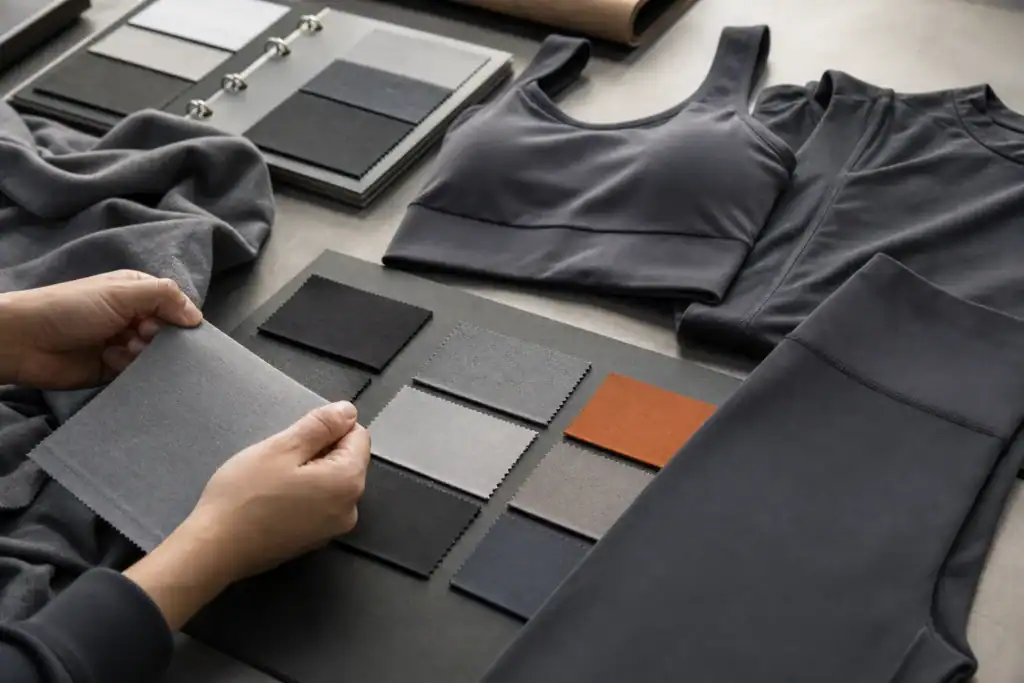
Shorts, Tanks and Gym Merch
Creator Merch Specification Checklist
Artwork file
Drop channel
Branding setup
Commercial details
Proof to confirm
Sample, Launch and Reorder Support
Sample for Content
Drop Quantity Control
Repeat Drop Planning
Creator Merch Drop Planning Example
Challenge
Development Response
Practical Outcome
Useful Internal Pages for Creator Merch Buyers
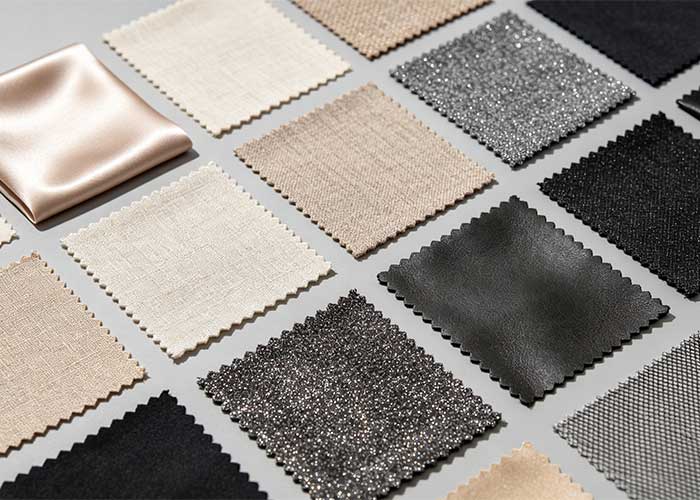
Fabric & Trim Library
Advanced Techniques
Quality Control
Custom Influencer Merch Development Workflow
1. Audience and Drop Review
2. Product and Fit Direction
3. Artwork and Branding Setup
4. Sample for Content
5. Launch Order Approval
6. Reorder File Control
Buyer Recommendations by Merch Stage
For First-time Creator Drops
For Growing Creator Brands
For Campaign Managers
Why Creator Merch Buyers Work with DETOSUN
Editable in Elementor
Proof-based Copy
Quality Planning for Creator Merch
Print placement consistency
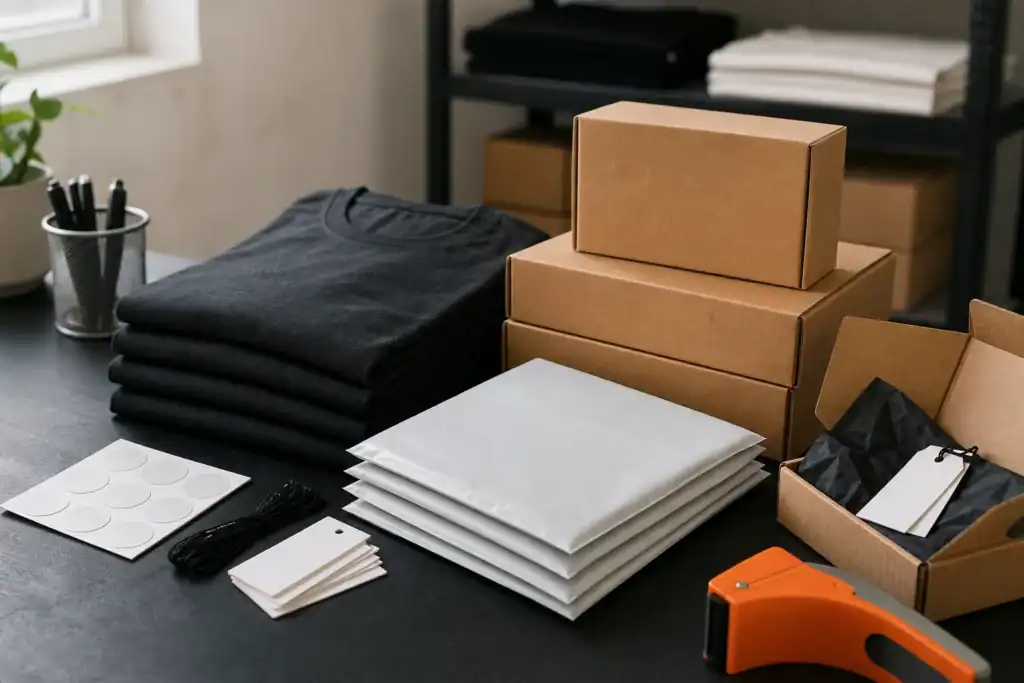
Packing clarity
Drop Planning Before Bulk Order
Core Items
Size Ratio
Photo Samples
Repeat Drop File
Use Real Samples, Print Details and Packaging Photos
Creator Merch Manufacturer Options for Video and Community Brands
For buyers comparing an influencer merch partner with a creator merch supplier, start with the production brief rather than a platform listing. A merch manufacturer or custom merch maker should review the garment, artwork, decoration, size range, labels and packaging that make a drop repeatable.
For B2B teams evaluating custom merchandise for business, custom branded apparel, or custom apparel embroidery, map each item to its sales channel and approval record. A custom hoodie manufacturer can review fleece construction and branding details, while custom t-shirts bulk planning should document size ratios, artwork placement and the approved sample. Use fabric and trim support, advanced techniques and quality control to keep the brief editable and checkable.
Creators planning merch for youtubers, merch maker for youtubers, merch for streamers, or podcast merch can send artwork, references and launch notes. For custom fan apparel, screen printed merch, or branded custom apparel, confirm whether the order needs business apparel with logo, custom apparel with logo, or custom t-shirts front and back before sampling. The inquiry and NDA route is available when the brief includes original artwork or confidential campaign details.
For Influencer & Merch FAQ
Send garment type, artwork files, reference products, target fabric, decoration method, size range, estimated quantity, packaging needs, launch date and delivery location.
For a usable For Influencer & Merch review, separate fixed requirements from preferences and include quantities by color and size, target delivery window, destination country and any non-negotiable compliance or warehouse rules. This lets the team identify missing decisions, check material and decoration feasibility, and prepare a quotation with fewer assumptions.
Yes. Artwork and references can be reviewed first, then converted into production details such as garment type, fabric direction, print or embroidery method, label setup, packaging and sample priorities.
Reference material can start a For Influencer & Merch discussion, but every assumption should be converted into an editable specification before bulk production. Record the silhouette, graded measurements, fabric composition and weight, construction, artwork size and placement, trims, labels, packing and tolerance points, then update that record after each approved sample.
Start with a focused product range, usually one or two core items, fewer colorways, clear artwork and simple packaging. Add variants after sample approval and audience demand are clearer.
The right For Influencer & Merch scope depends on sales channel, wearer needs and inventory risk. Map each style to its fabric, fit, color, size range, decoration, label set and packaging before sampling. A smaller, clearly differentiated launch is easier to cost, approve and reorder than a large collection with unresolved specifications.
Yes, if the approved sample, measurements, fabric reference, artwork placement, labels, trims and packing method are documented before the first production order.
For a repeat For Influencer & Merch order, reference the approved sample and preserve the bill of materials, measurement chart, color standard, artwork, labels, packaging and SKU mapping from the previous run. Reconfirm fabric lot availability, shade, trims, quantities and delivery date because materials and schedules can change even when the style code is unchanged.
Packaging can be planned around polybags, labels, hang tags, insert cards, barcode stickers, carton marks and buyer-specific packing requirements. Exact options should be confirmed during quote review.
For For Influencer & Merch, provide a packing guide that lists label artwork and position, care content supplied by the buyer, barcode format, size and color identifiers, folding method, polybag requirements, units per carton, carton marks and destination-warehouse rules. Confirm these details before production release so packing checks use the same SKU and document references.
Add verified sample photos, print closeups, label photos, packaging photos, approved project examples, testing requirements or certificates as [client to confirm]. Avoid unsupported claims or fake case studies.
For SEO and buyer trust, publish only evidence that can be traced to a current certificate, inspection record, approved project file or client-authorized source. State what the document covers and what it does not cover; exact compliance, testing, factory capacity and delivery requirements should be reconfirmed for the product and destination market.
To make merch for YouTube, define the channel, audience, garment type, artwork, decoration, size range, packaging and launch date before asking for a project-specific review. A production brief can then be connected to concept and mockup and sampling and prototyping. Confirm the approved sample and inspection points before any bulk order; exact quantities, costs and timing depend on the actual product brief.
To make YouTube merch, convert the creator idea into a production-ready record: garment references, fit, fabric direction, artwork size and placement, label setup, packing method, size ratio and destination. Use the designer consultation route when product choices still need review, then keep the approved sample and current artwork file for repeat drops. No fixed MOQ, cost or delivery date should be assumed without the complete brief.