
A clothing landed cost calculator adds the garment invoice, freight, insurance, duties and destination charges, then divides the total by the shipment quantity. For a leggings order, calculate a second figure using the units you expect to accept and sell. A low factory price can become an expensive purchase when packaging, customs charges or rejected pieces change the denominator.
Use the calculator below to compare supplier quotes on the same delivery basis. It accepts your own customs value and duty rates; it does not assign an HTS code or retrieve live tariffs. The worked example is hypothetical, not a DTS quotation or a statement of the duty currently payable on Chinese leggings.
Reviewed October 15, 2026. All images are original AI-generated editorial illustrations, not photographs documenting DTS facilities, inspections or shipments.
Calculate your clothing landed cost
Enter shipment totals in USD, except the unit price and percentage fields. Start with an itemized goods quote. If your quote already includes a cost, keep that amount in the quote and enter zero for the separate line. For a DDP offer, first ask for its included charges and exclusions; adding duty and delivery again would count them twice.
The starting values demonstrate the arithmetic only. Replace both duty rates with the rates confirmed for your product and planned entry date. A zero value means you entered no amount; it does not establish an exemption.
Illustrative starting values, USD. The 20% and 10% duty inputs are hypothetical, not current China tariff rates. Replace every input with your quote or broker-confirmed amount. Both rates use the customs value entered below. No live tariff lookup or VAT/GST calculation.
- Goods value
- $6,800.00
- Base duty
- $1,360.00
- Additional duty
- $680.00
- Total shipment landed cost
- $10,585.00
- Expected accepted pieces
- 980
- Delivered cost / ordered piece
- $10.59
- Cost / saleable piece
- $10.80
Expected accepted pieces may be fractional in a planning scenario. All shipment cost remains allocated to accepted stock; no salvage, refunds or credits are assumed. Do not add separately any cost already included in your quoted unit price. Values stay in this page and are not submitted.
Read the two unit costs together
Delivered cost per ordered piece shows the shipment budget divided by all ordered garments. Cost per saleable piece spreads that budget over accepted stock. Use the first number for cash planning and the second when testing your buying margin. This tool ends at receipt into your destination warehouse; marketplace commissions, customer fulfillment and returns belong in a separate profitability model.

What belongs in the landed cost formula?
For this calculator, the formula is:
Shipment landed cost = goods + separately charged development and inspection + freight + insurance + calculated duty + other government charges + brokerage and destination handling + inland delivery.
Saleable unit cost = shipment landed cost ÷ accepted units.
The customs value is an input to the duty calculation, not another purchase expense. It is deliberately kept separate from the invoice total. In some cases they match; in others valuation adjustments change the duty base. Adding the customs value itself to landed cost would duplicate the goods value.
| Input | Record and check |
|---|---|
| Garment price | Record price, quantity, currency and scope. Check whether labels and packing are included. |
| Development and inspection | Record separately charged sample, testing and inspection costs. Deduct any production credit once. |
| Freight and insurance | Use the shipment quote and insurance premium. Check whether CIF pricing already includes them. |
| Duties and government charges | Use broker-confirmed value, rates and fixed charges. Check DDP inclusions before adding duty. |
| Destination costs | Record brokerage, handling and delivery. Check what the forwarder already includes. |
Allocate development charges consistently. Charging an entire sample program to the first order is a conservative launch-budget choice. Spreading it across a documented production plan is a management assumption. Neither choice makes the cash payment disappear.
A worked example: 1,000 pairs of leggings from China
Assume a buyer orders 1,000 pairs at $6.80 each. The shipment has $300 in separately charged development and inspection, $900 freight, $40 insurance, $250 brokerage and destination handling, and $180 inland delivery. The buyer enters $6,800 as customs value, a hypothetical 20% base duty and a hypothetical 10% additional duty, both on that same value. Other government charges are entered as a hypothetical $75 total.
The 20% and 10% figures are arithmetic assumptions, not verified tariff rates for a leggings classification. They are intentionally editable. The model is useful because you can replace the inputs without changing the method.
| Cost line | Example USD |
|---|---|
| Goods: 1,000 × $6.80 | 6,800.00 |
| Development and inspection | 300.00 |
| Freight | 900.00 |
| Insurance | 40.00 |
| Illustrative base duty: $6,800 × 20% | 1,360.00 |
| Illustrative additional duty: $6,800 × 10% | 680.00 |
| Other government charges | 75.00 |
| Brokerage and destination handling | 250.00 |
| Inland delivery | 180.00 |
| Total shipment cost | 10,585.00 |
The delivered cost is $10.585 per ordered pair, displayed as $10.59. If 2% of the shipment is unavailable for sale, accepted stock falls to 980 pairs and the cost becomes $10.80 per saleable pair after rounding. This is $4.00 above the factory unit price before customer fulfillment or selling costs.
Change one input at a time when comparing scenarios. If freight rises by $500, saleable unit cost rises by about $0.51 at 980 accepted pairs. A five-percentage-point duty increase on the assumed $6,800 customs value adds $340, or about $0.35 per saleable pair. These sensitivities identify which quotes need firmer confirmation before a purchase order.
Why two leggings quotes can have different manufacturing costs
Fabric consumption and usable width
Fabric cost depends on composition, finished weight, usable width, size mix, pattern layout and cutting loss. Two fabrics described as nylon-spandex can produce different consumption per garment. Ask for the fabric specification and consumption basis behind the quote, then compare the same approved sample and size breakdown.
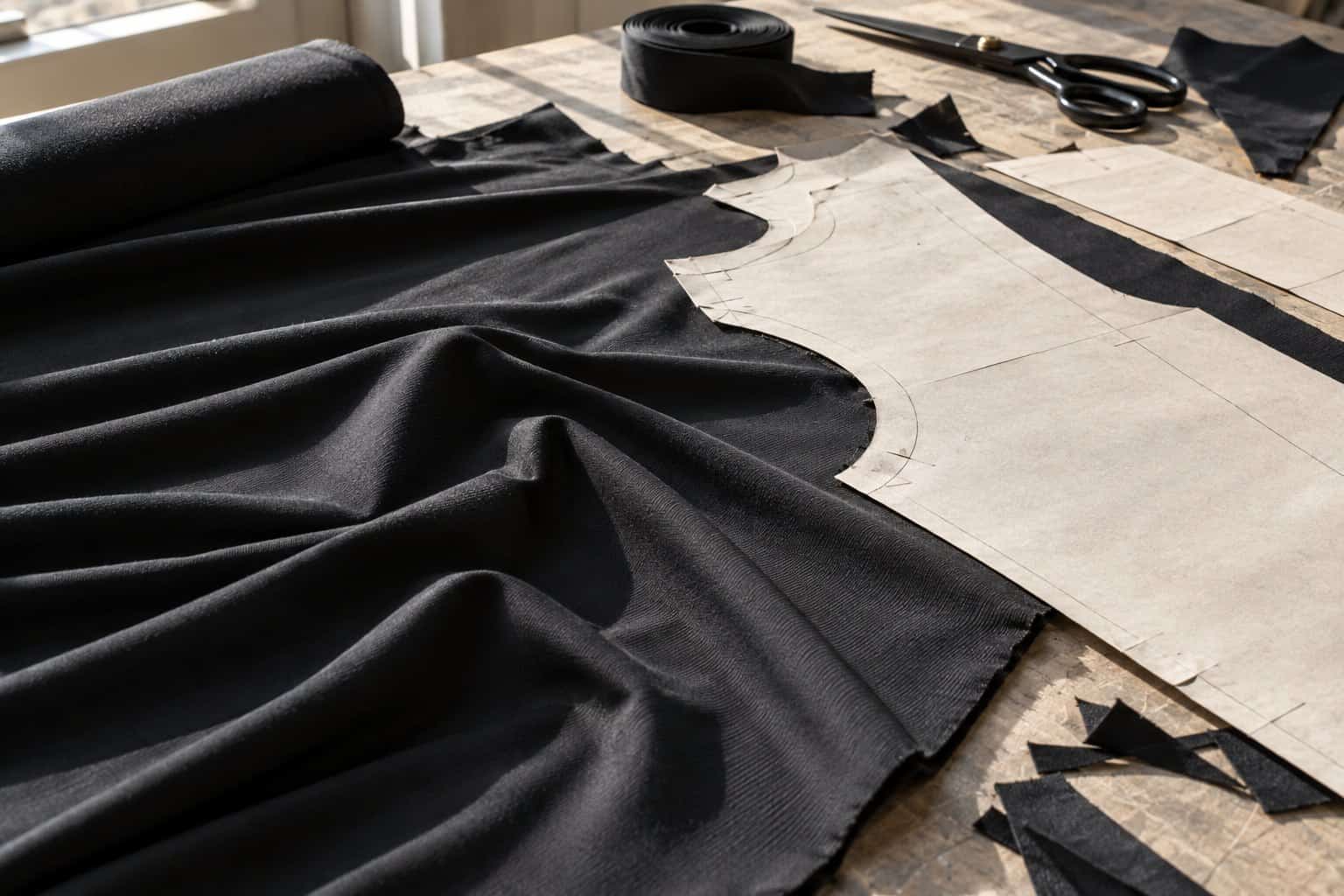
If a cheaper quote has an incomplete fabric specification, hold it out of the comparison. Resolve the missing composition, weight and finish before calculating savings. Otherwise the comparison may be between different products.
Construction, pockets and decoration
A plain legging and a pocket legging create different sewing, trim and inspection work. Seam construction, waistband assembly, pocket placement and logo application should appear in the technical specification. Use the leggings types and buyer specifications guide to define the style before requesting comparable prices.
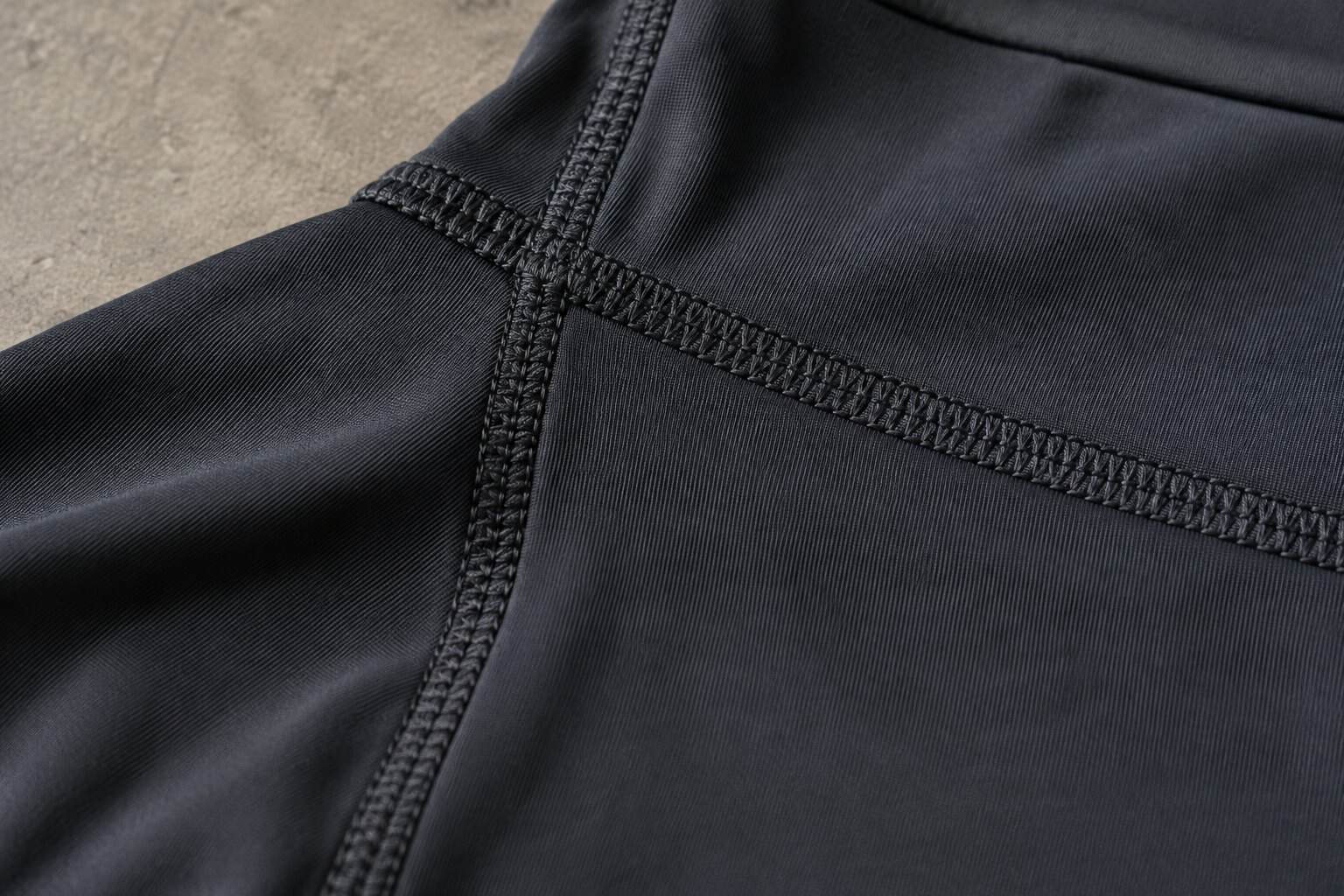
The cost decision is often whether a feature supports the intended retail offer. Removing a pocket may reduce production work but also change the product your customer expects. Compare an approved specification against a deliberate alternative, rather than accepting an unexplained cheaper substitute.
Labels and packaging
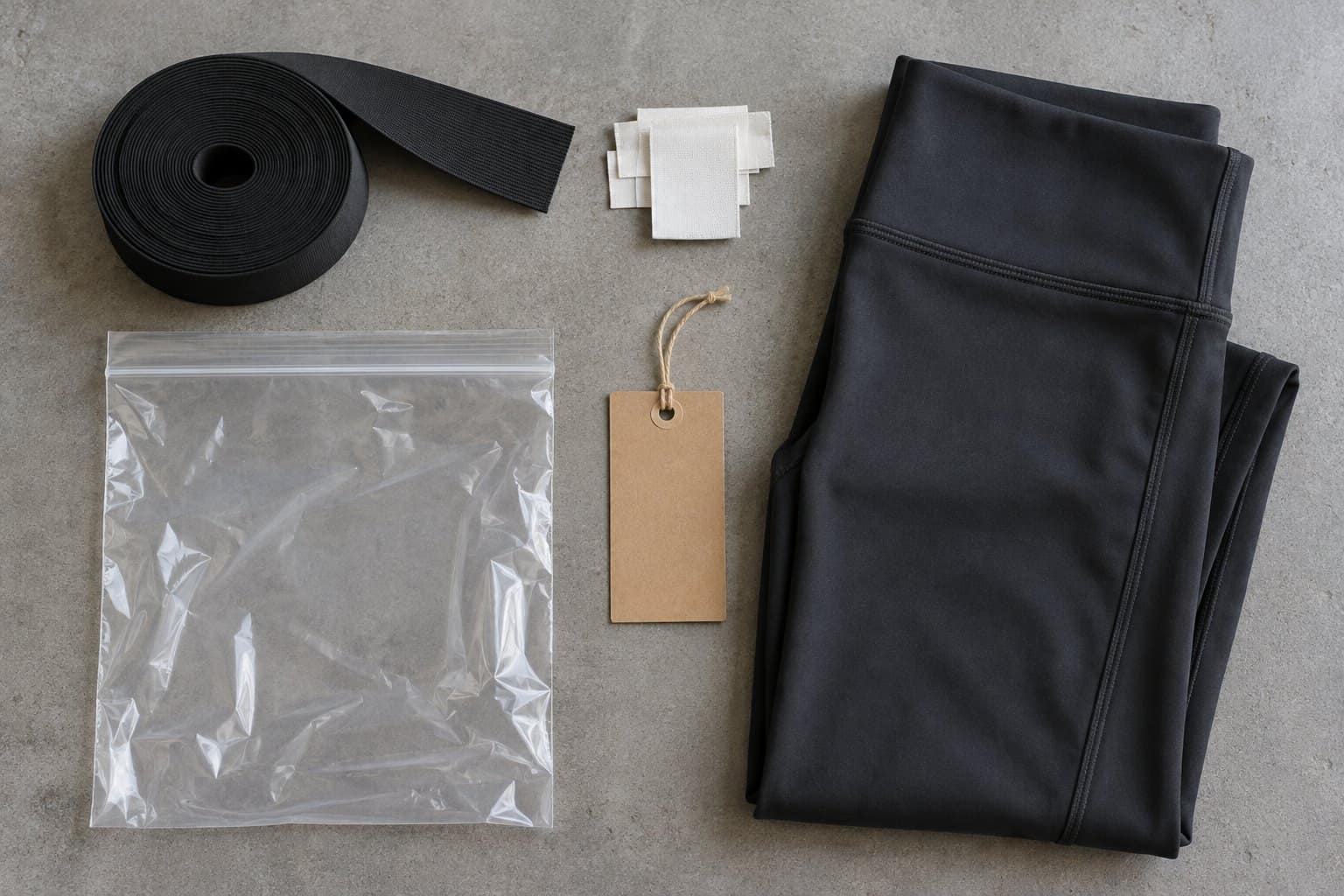
Confirm whether the unit price includes the care label, size label, hangtag, individual bag, carton and any retailer-specific packing requirements. Ask which charges are per garment, per style or per shipment. A fixed setup charge behaves very differently from a recurring per-piece charge on a reorder.
How carton dimensions change freight cost
Garment weight alone is an incomplete freight input. Collect the packed carton count, outside dimensions, gross weight and units per carton. A packaging choice that increases volume can raise a freight quotation even when the leggings themselves have not changed.
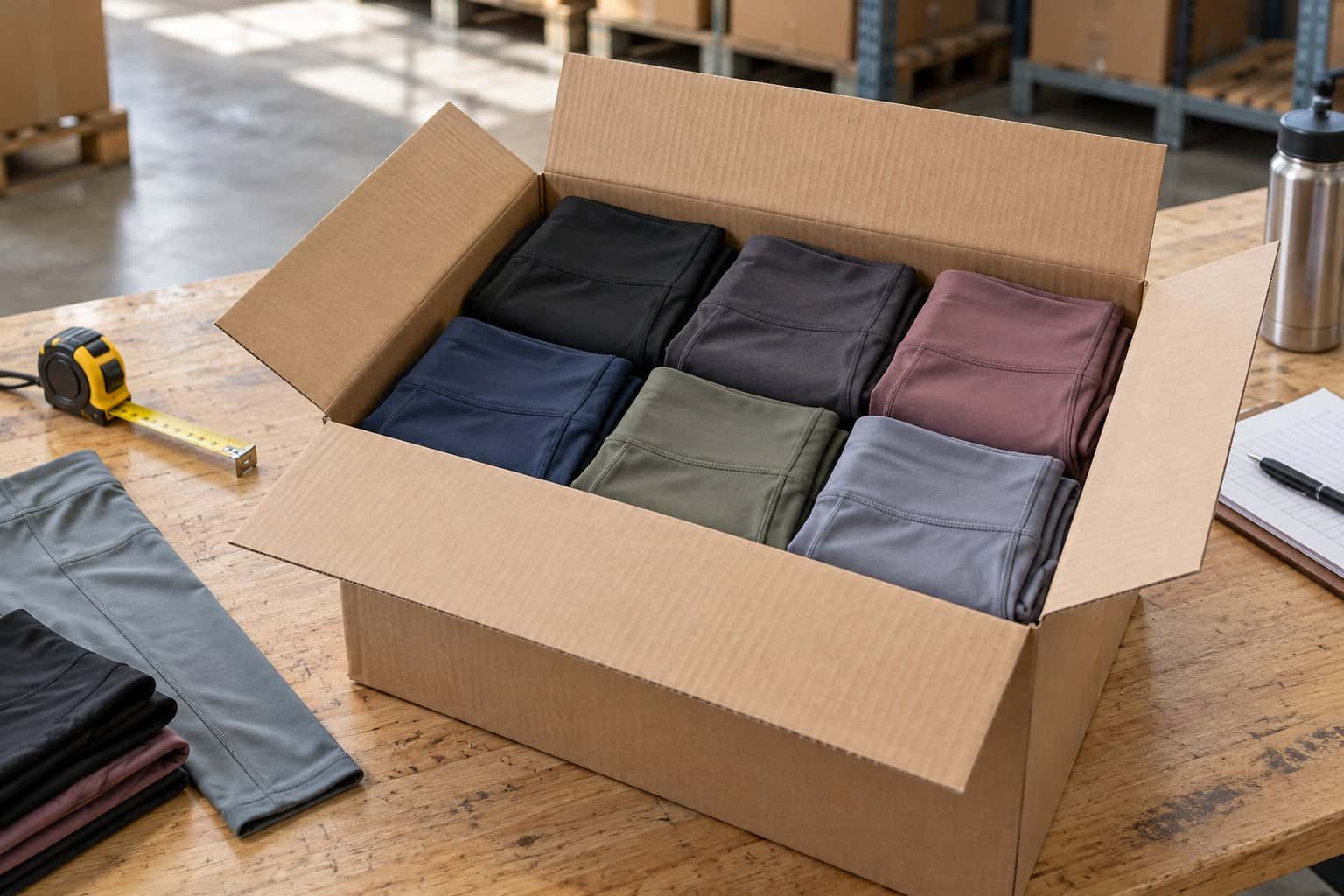
Ask the forwarder to quote the actual shipment profile and identify the chargeable-weight or volume basis. For mixed styles, allocate shared freight using the basis that best reflects the charge: volume for a volume-driven charge, weight for a weight-driven charge, and a documented allocation for fixed entry costs. Dividing everything equally by units can hide a bulky SKU’s cost.
Request a second packing option only when it preserves product protection and buyer requirements. Reducing carton size is not a saving if it damages garments or causes receiving problems.
Sea freight or air freight: compare delivery scenarios
For the ocean option, obtain a quotation covering the named origin and destination, shipment size and delivery scope. For the air option, obtain the chargeable-weight calculation and destination exclusions. Do not apply a universal air-to-sea multiplier; compare quotes valid for the same shipping window.

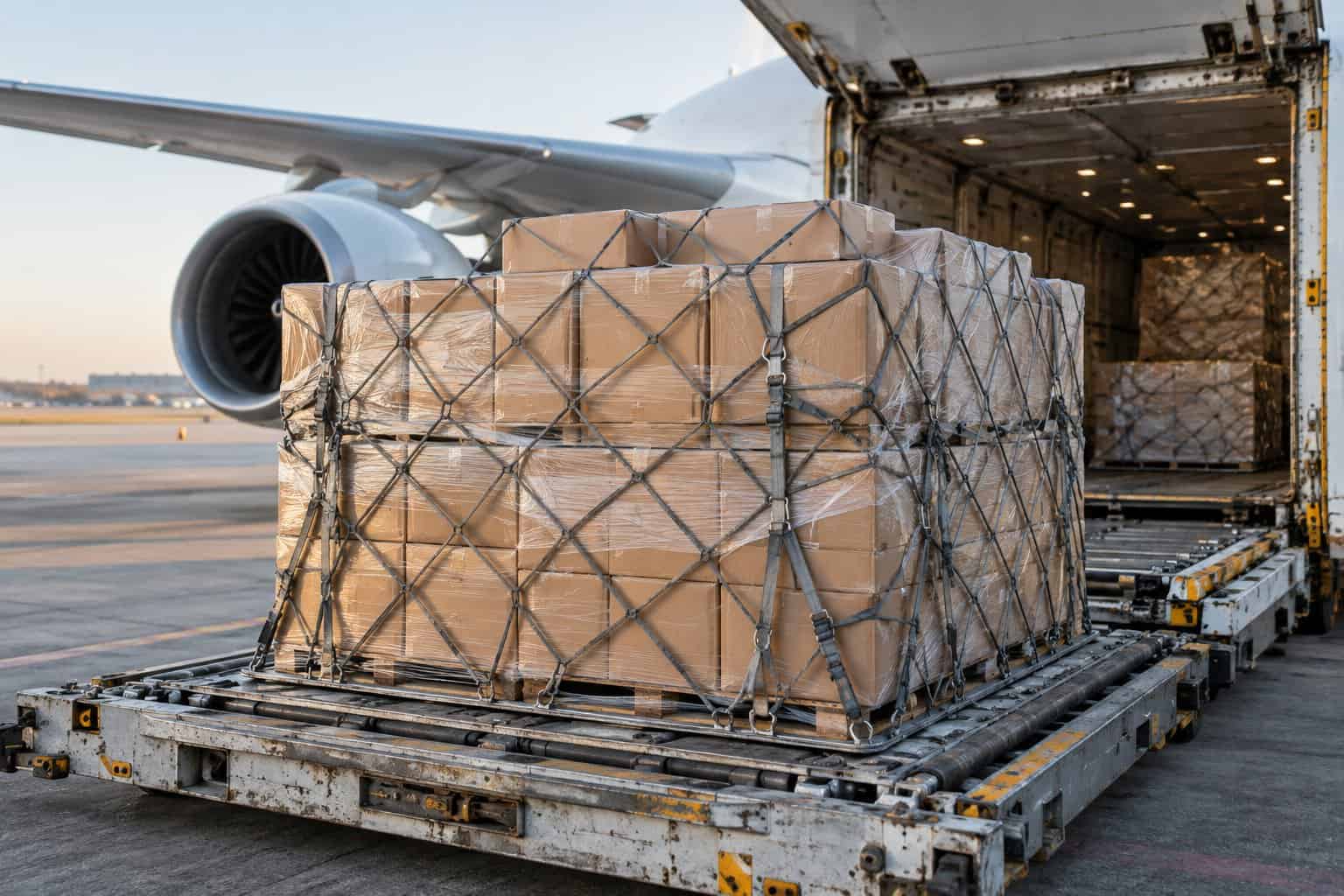
A split shipment can be worth modeling when a small launch quantity has a different deadline from the balance. Calculate each shipment separately because fixed clearance and handling charges may occur twice. Then divide their combined cost by their combined accepted units. Simply averaging two per-unit figures gives the wrong answer when shipment quantities differ.
Keep the commercial deadline visible beside the cost comparison. The cheapest transport option is useful only if its delivery plan fits the collection launch or replenishment need. Treat transit and clearance dates as quoted assumptions rather than promises made by this calculator.
How should you enter U.S. duties on Chinese leggings?
Start with the actual garment, fiber composition, construction, intended wearer, country of origin and proposed entry date. A product name such as “yoga leggings” does not establish a complete U.S. tariff classification. Ask your customs broker to confirm the applicable HTS line and any additional provisions for that entry.
The USITC Harmonized Tariff Information page lists 2026 HTS Revision 21, published October 9, 2026, at this article’s review date. Use the current schedule and applicable entry guidance when preparing an order; an old screenshot or a supplier’s headline tariff percentage is insufficient evidence.

The calculator applies both percentage fields to the customs value you enter. It does not compound one duty on top of another. Use those fields only when the charges are ad valorem and use that same confirmed base. Enter specific, compound or differently based charges as broker-calculated amounts in “Other government charges,” and avoid entering the same duty in both places.
Ask for a calculation showing the classification, duty base, each applicable rate, fixed fees and the entry date used. That record is more useful for purchase approval than an unsupported combined percentage.
Is freight part of U.S. customs value?
CBP’s CIF guidance explains why the CIF invoice total and the declared goods value are different figures. Its commercial invoice guidance distinguishes the goods price from freight and insurance and identifies valuation additions such as assists and certain commissions or royalties.
Ask the broker to confirm the customs value separately. Do not automatically enter the full delivered invoice or assume that every development payment is excluded. Keep the documents supporting any deductions and additions with the broker’s entry calculation.
Compare FOB, CIF and DDP without adding costs twice
Record the named location and the exact inclusions in every quote. A trade-term label alone is too little information for a cost comparison. This calculator works from cost lines; it does not interpret an Incoterm or transfer responsibility between parties.
| Quote presented | What to clarify before calculation |
|---|---|
| FOB, named loading port | Included origin charges, international freight, insurance and destination costs |
| CIF, named destination port | Included freight and insurance, plus destination handling, entry charges and inland delivery |
| DDP, named delivery place | Included duties and delivery, importer arrangements, unloading and any excluded charges |

For a DDP quote with confirmed inclusions, enter the quoted total through the unit-price field and add only genuine exclusions. The result is a delivered-budget comparison, not an independent validation of the seller’s customs declaration. Ask who will provide entry documentation and how differences in assessed charges are handled.
Compare the same currency, shipment quantity, product specification and delivery endpoint. If one supplier’s offer ends at a port and another ends at your warehouse, normalize the scope before declaring either one cheaper.
Include inspection losses before setting your buying margin
Compare what you pay for stock you can sell, including the cost of rejected pieces. Define inspection criteria against an approved sample, measurement tolerances, labeling and packing requirements. Agree how shortages, defects and rework are handled before production.

Use the rejection or unavailable-stock percentage as a planning scenario, not a claimed factory defect rate. For this model, unavailable units have no recovery value and the buyer still bears the full shipment cost. If the supplier refunds rejected pieces, credits the next order or repairs them, adjust the relevant costs and accepted quantity to reflect the documented agreement.
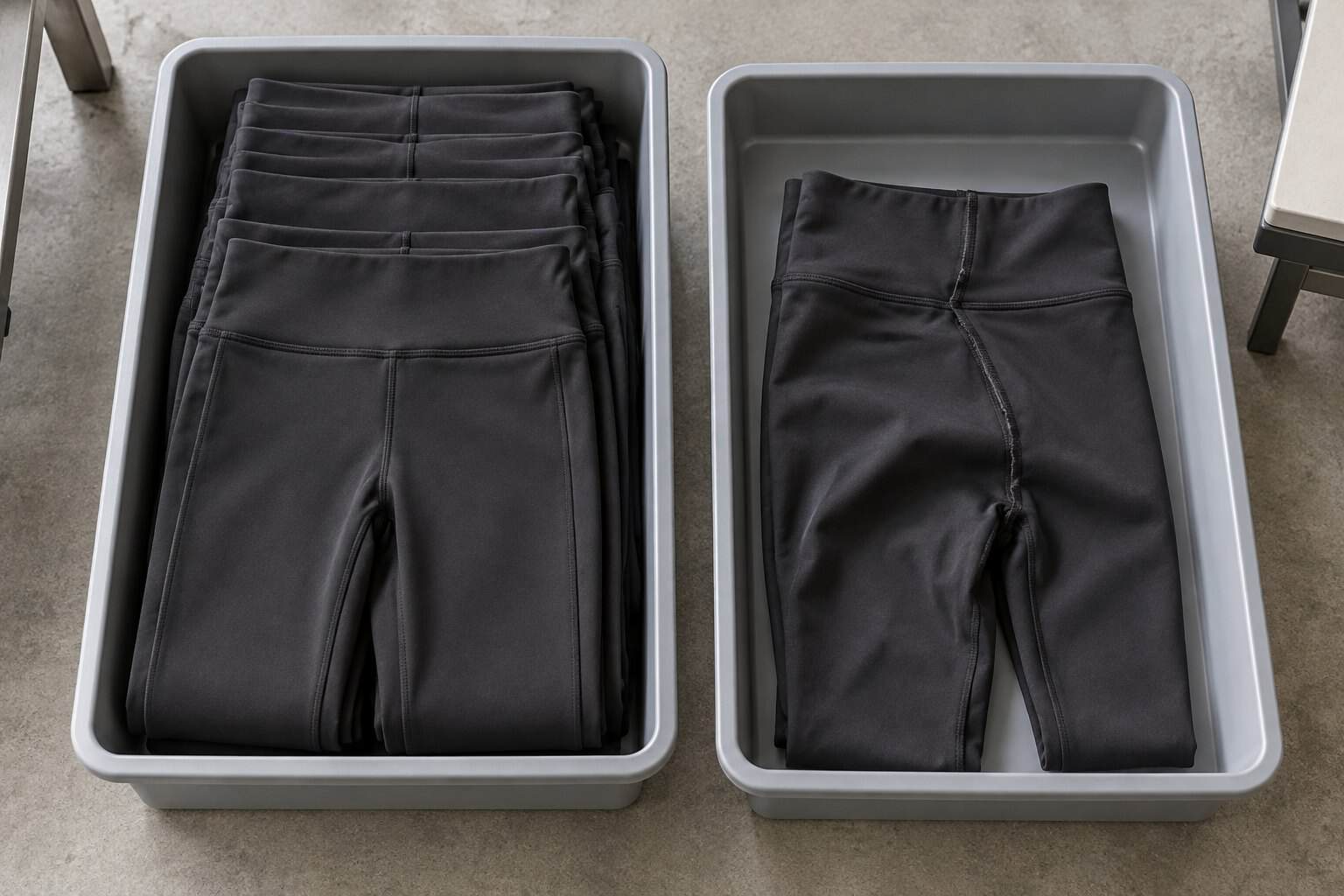
Test at least a clean-receipt scenario and a downside scenario. If a small change in accepted quantity removes the margin, the order needs a firmer quality plan or a different buying price. Sampling and prototyping can help establish the product baseline before bulk-order assumptions are finalized.
Turn the estimate into a supplier-ready RFQ
Send the manufacturer the style reference or tech pack, fiber composition, fabric weight, size breakdown, colors, construction, logo method, labels and packaging requirements. Include quantity per style and color, the desired trade term and named location, and the required delivery window. Send the freight provider carton and route details; send the broker the product and valuation documents.
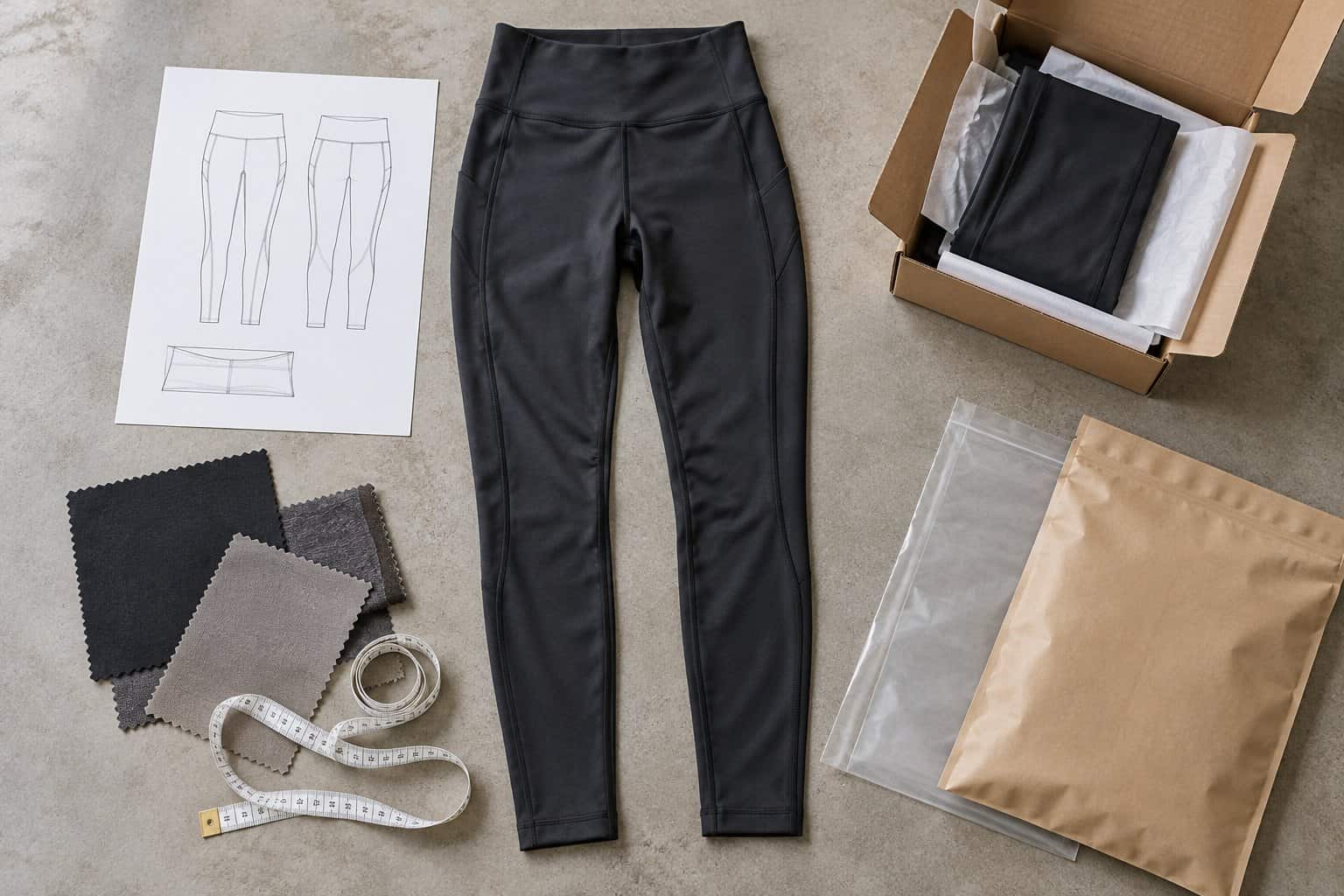
Use a three-column working record: confirmed, quoted but time-limited, and assumed. Do not approve a purchase based on a total that hides its assumptions. Confirm the largest uncertain charge first, then rerun the downside scenario.
DTS’s tech pack customization service is a relevant starting point when the garment specification is incomplete. For a multi-SKU online collection, review the e-commerce apparel development page. Request an itemized product and packing quote; obtain customs classification and entry charges from your broker.
Clothing landed cost questions
Is landed cost the same as manufacturing cost?
No. Manufacturing cost covers the quoted garment scope. Landed cost adds the separate costs needed to get that order to a defined destination. State that destination and the included charges whenever you compare totals.
What is the import duty on leggings from China?
There is no single rate established by that description. The applicable amount depends on the confirmed classification, origin, entry date and relevant additional provisions. This calculator requires you to enter verified rates or broker-calculated charges.
Can I use this calculator for a small sample shipment?
You can enter its actual costs, but do not assume that a sample has the same entry treatment as commercial stock. Confirm the shipment’s treatment and documentation separately. The de minimis apparel guide discusses why a low parcel value alone is an incomplete planning basis.
Does a 30% combined duty mean adding 30% to every cost?
Not in this model. Its percentage inputs apply to the entered customs value, while freight and destination charges remain separate cost lines. If your entry has different duty bases or non-percentage charges, use the broker’s calculated amounts instead.
Can I calculate costs for countries outside the United States?
The arithmetic can use manually calculated charges, but the valuation discussion is U.S.-specific. This tool does not calculate VAT, GST, preferential origin treatment or local fee rules. Obtain destination-specific calculations before using the result for a purchase decision.
Does landed cost tell me the retail price?
No. Add the relevant selling, fulfillment, payment, return and operating costs before evaluating your retail margin. Keep that model separate so a target selling price does not conceal an incomplete import budget.
Request a quote you can compare line by line
Prepare one specification and one packing brief for every supplier. Request the garment price, separately charged development work, packing details, quote validity and delivery scope. Once freight and customs inputs are confirmed, rerun the calculator and compare cost per accepted pair against your buying budget.