
Sampling
Move from approved concept to physical sample with clearer control over fit, fabric, workmanship, trims and production details. DTS Activewear supports custom apparel sample making for activewear and streetwear buyers before bulk production decisions are made.
Sample Making Service for Apparel Buyers
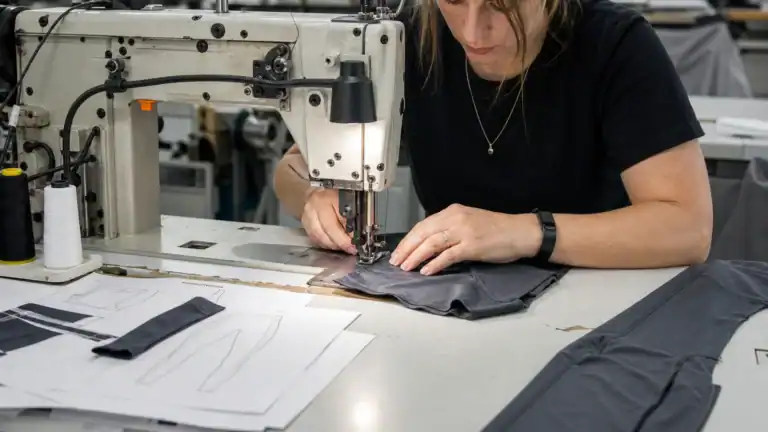
Prototype Sample
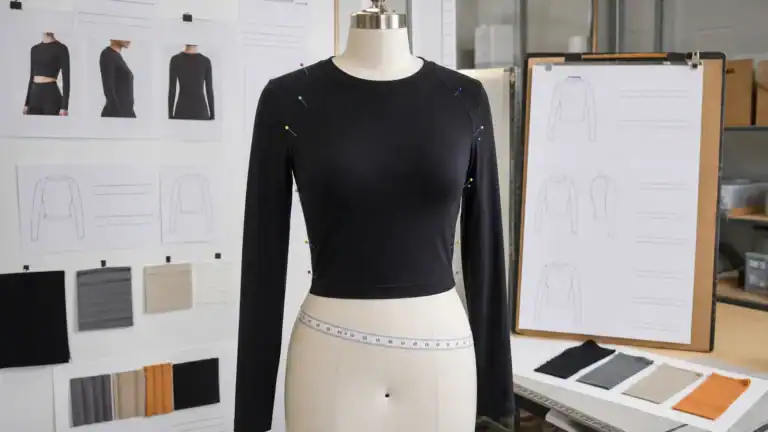
Fit Sample
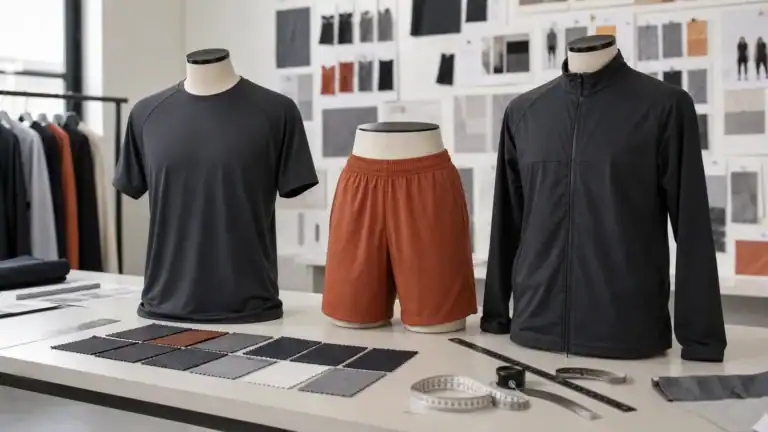
Pre-Production Sample
Sampling Workflow From Tech Pack to Approval
Confirm Sample Brief
Review Material and Construction
Make the Physical Sample
Collect Revision Comments
Approve for Next Stage
What Buyers Should Check on a Sample
Fit and Measurements
Fabric and Handfeel
Artwork and Branding
Workmanship and Finish
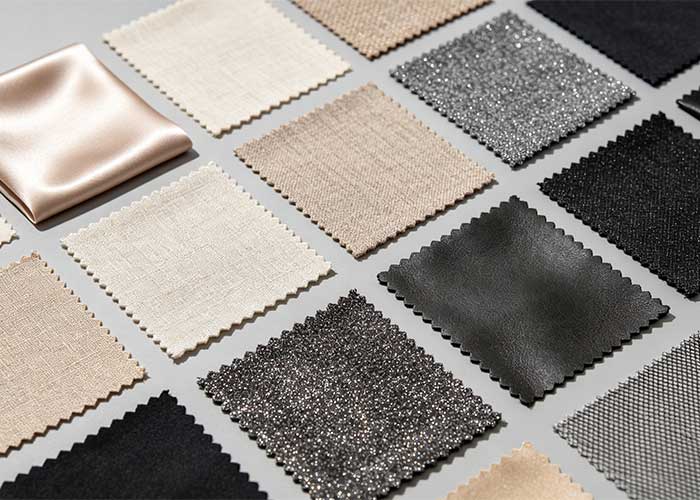
Sample Types You May Need
Development Sample
Fit Sample
Color or Material Sample
Artwork Sample
Pre-Production Sample
Sales or E-Commerce Sample
Prepare These Files Before Sampling
Tech Pack or Mockup
Reference Garment or Photos
Logo and Artwork Files
Sample Decision Rules
Sampling Cost, Lead Time and Revision Notes
Sample Payment
Lead Time
Revision Scope
SAMPLE DEVELOPMENT CHECKLIST
Plan the Right Clothing Sample for Your Next Review
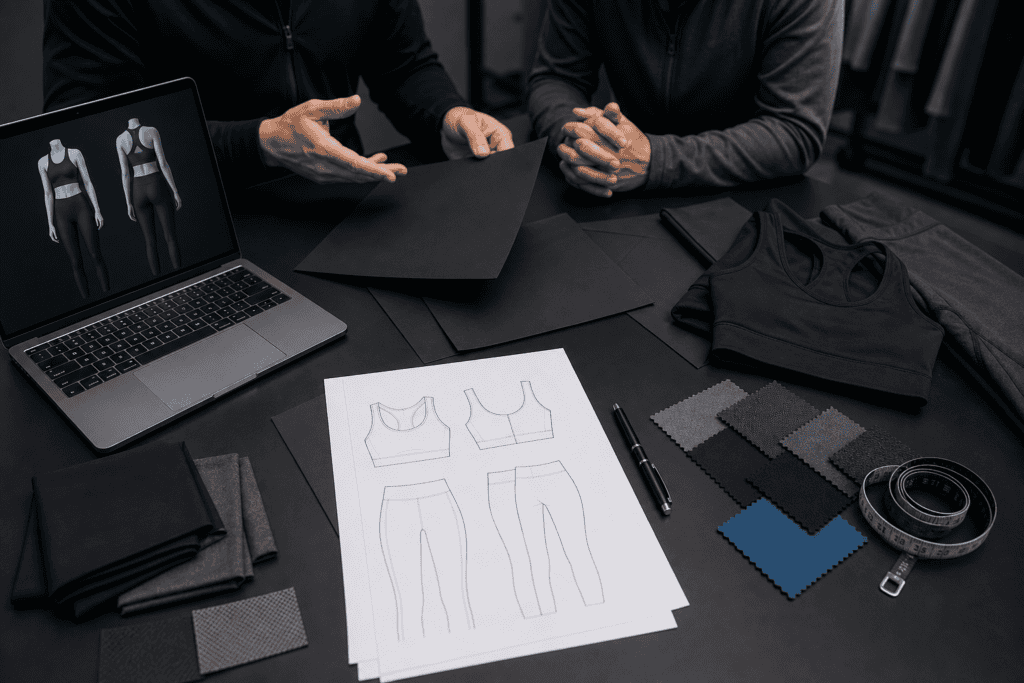
A clothing sample is the physical reference used to review fit, construction, fabric, artwork and finishing before a bulk decision. A garment sample records the same decisions in hand so buyers can compare the latest version with the tech pack and approved comments.
A clothing sample maker or clothing sample manufacturer can be evaluated by how clearly the sample brief, measurements, materials, trims and revision record are handled. Buyers comparing clothing sample manufacturers and clothing sample makers should confirm which sample stage is being reviewed rather than relying on a product photo alone.
For custom clothing samples, ask the garment sample room to identify the physical sample type, intended size, fabric and trim references, and artwork version. If design files need organizing first, use tech pack customization; if visual direction is still being finalized, review concept and mockup before submitting a sample brief.
Match the Sample Type to the Decision
An apparel prototype or clothing prototype maker can help turn an early construction idea into a physical reference. A garment sample maker can then work from the latest notes; if you plan to buy clothing samples, include the brand, product category and decision needed so the request is routed correctly.
During garment sample making, record each garment sample process step from brief to physical review. Use the pre production sample as a production-reference check only after fit, fabric, workmanship, decoration, labels and packing details are confirmed.
Track garment sample stages in one dated record and attach a garment spec sheet sample or current tech pack when available. Clothing brand samples should carry the same version notes used for costing and bulk planning.
If a buyer asks, ‘what is sample in garment industry?’, explain the sample’s decision purpose first. For teams asking how to get clothing samples, the useful starting point is a clear brief, reference garment or photos, measurable fit direction and the next approval required.
Sampling FAQ
A moodboard can start the discussion, but a clearer mockup, reference garment, measurement direction and material notes will make the first sample more accurate.
Reference material can start a Sampling discussion, but every assumption should be converted into an editable specification before bulk production. Record the silhouette, graded measurements, fabric composition and weight, construction, artwork size and placement, trims, labels, packing and tolerance points, then update that record after each approved sample.
Sample lead time should be confirmed after reviewing garment complexity, material availability, print or embroidery process, trim requirements and revision scope. Fast sampling can be discussed, but it is not a fixed promise for every project.
A clear Sampling sample review compares the garment with the latest tech pack and artwork files. Buyers should mark pass, revise or pending for fit, measurements, material, workmanship, logo placement, trims and packaging, then confirm whether another sample is required. Bulk work should rely on the final approved record, not scattered messages or older versions.
A tech pack is recommended. If you do not have one, provide reference images, target measurements, fabric preferences, logo files and fit comments so the team can help organize the sample brief.
The practical goal is to turn visual references into measurable production instructions. For Sampling, mark which details are confirmed and which still need development, especially fit, fabric, stitch construction, color standard, decoration, labels and packaging. A dated approval record reduces conflicting comments and gives sampling, costing and QC the same source of truth.
Yes. Revision comments should be consolidated around measurements, fit, fabric, trims, artwork, labels, wash effect and packing direction. The revised sample scope should be confirmed before proceeding.
Use the Sampling sample as an approval gate rather than only a visual reference. Review measurements and tolerance, fit on the intended body or size form, fabric and color, construction, decoration, trims, labels and packing. Consolidate comments into one dated list and record every accepted change before costing confirmation or bulk production.
Approved sample decisions can move into costing confirmation, pre-production sample, material booking, bulk production planning and quality control checkpoints.
A clear Sampling sample review compares the garment with the latest tech pack and artwork files. Buyers should mark pass, revise or pending for fit, measurements, material, workmanship, logo placement, trims and packaging, then confirm whether another sample is required. Bulk work should rely on the final approved record, not scattered messages or older versions.