
Quality Control
Quality Control Built Around Buyer Approval
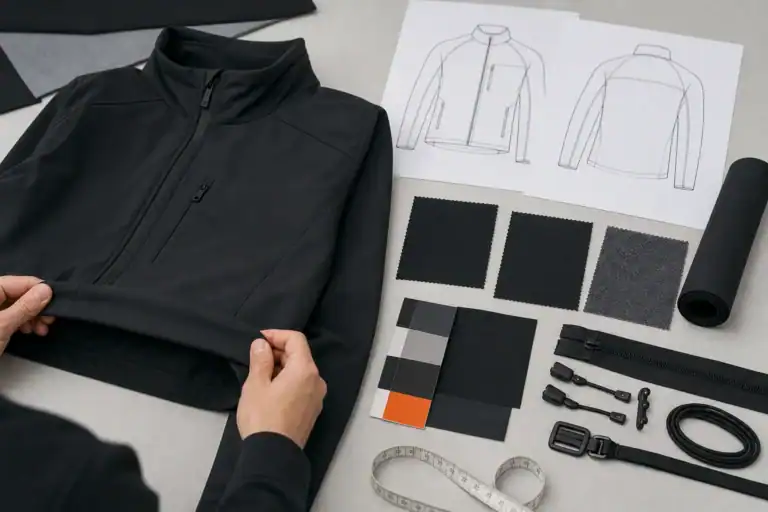
Spec Sheet Control
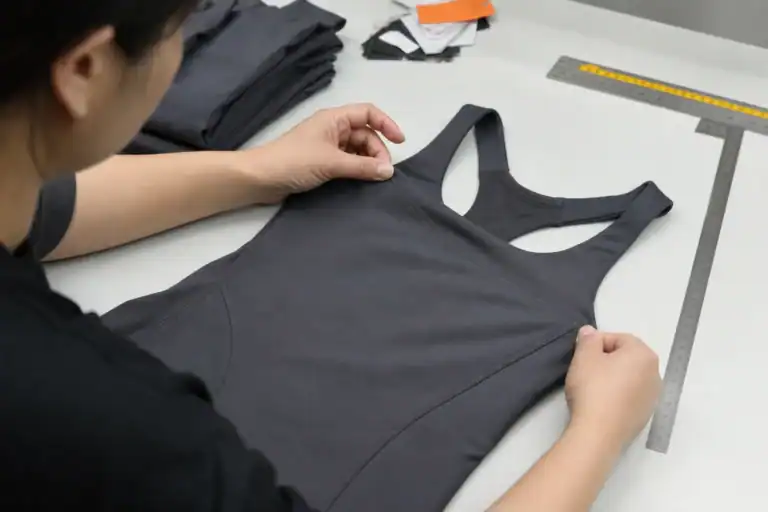
Sample Review Records

Bulk Inspection Points
Inspection Checkpoints Across Production
Incoming Material Check
Pattern and Size Check
In-Line Workmanship Review
Finishing and Packing Check
Final Inspection Review
Key Quality Risks for Custom Activewear
Measurement Variance
Color and Lot Difference
Print and Embroidery Position
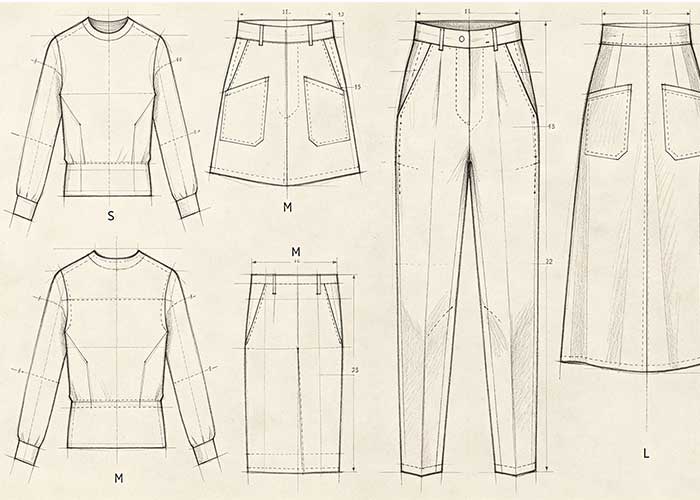
Quality Records Buyers Can Request
Approved Tech Pack and Sample Notes
Material and Trim Review
Workmanship Checklist
Packing and Carton Record
Buyer-Specific Inspection Report
Supplier Assessment File
A TUV and Rheinland and BISC supplier assessment PDF exists in the media library and can be shared for buyer review where relevant. Do not treat it as a universal product certification.
What to Send for a QC Plan Review
Tech Pack
Approved Sample Comments
Inspection Standard
Shipment Details
Apparel Quality Control Checklist for Bulk Orders
An apparel quality control plan turns an approved tech pack into a working garment quality control checklist. Buyers comparing apparel inspection services or apparel quality assurance should define the inspection scope, approved sample, measurement tolerances, defect classes, reporting format and shipment stage before production. This keeps buyer approval linked to written checks rather than an unverified blanket claim.
For quality control inspection services and pre shipment inspection services, the brief can set incoming-material, in-line workmanship and final inspection checkpoints. If a buyer asks for pre shipment inspection and quality control, apparel product testing or apparel testing, attach the applicable buyer manual or test requirement so the scope can be confirmed for the order. The compliance-document route covers supporting documents; it does not replace an order-specific QC plan.
Use apparel inspection and pre shipment inspection checkpoints to document fabric rolls, shade, measurements, seam and stitch quality, decoration, labels and packing. A garment inspection checklist and garment quality control checklist can classify garment defects as critical, major or minor under the agreed rules. The garment final inspection record should tie each finding to the approved sample and report format.
In quality control in clothing manufacturing and quality control in garment production, the fabric inspection in apparel industry notes and production findings should remain traceable. Share the brief through tech pack customization and sampling and prototyping routes when those steps are still open.
Quality Control FAQ
AQL level must be confirmed against your buyer requirement and order SOP. If AQL 2.5 is required, include it in the inspection brief so the team can confirm sample size, defect classes and reporting format before inspection.
Treat certification scope, test standards, capacity, lead time and performance claims as order-specific evidence, not universal promises. Before publishing, attach the current document or approved source, confirm the issuing body, holder, product or facility scope and validity period, and remove any statement that cannot be checked by a buyer.
Confirm quality requirements before sampling and again before bulk production. Measurement tolerance, defect definitions, packaging rules and inspection level should not wait until final shipment.
For Quality Control, convert buyer expectations into a written inspection checklist covering measurements and tolerances, shade, fabric defects, construction, seam and stitch quality, decoration, labels, packing and sample size. Define critical, major and minor defects for the order and agree on the reporting and approval process before bulk production begins.
Fabric color, handfeel and shrinkage expectations can be reviewed as part of material approval. Exact lab testing requirements should be confirmed according to the buyer manual and target market.
Fabric choice should connect the buyer's use case to measurable approval points. Confirm composition, weight tolerance, stretch direction, recovery, surface feel, wash behavior, pilling risk, color standard and print or embroidery compatibility for Quality Control. Sampling helps expose trade-offs between performance, appearance, durability, cost and lead time before material booking.
Final inspection records can be prepared when the inspection scope, AQL level, defect list and report format are confirmed for the order. Add buyer-specific templates if required.
Quality control works best when the approved sample, measurement chart, color and artwork references and packing specification are available at each checkpoint. For Quality Control, confirm incoming-material checks, in-line review, final inspection scope, defect classification and escalation contacts. An inspection report should identify the order, SKU, quantity checked, findings and disposition.
Common risks include unclear measurement tolerance, fabric lot variation, print or embroidery placement errors, seam workmanship, washing effect variation, label mistakes and packing mismatch.
For Quality Control, convert buyer expectations into a written inspection checklist covering measurements and tolerances, shade, fabric defects, construction, seam and stitch quality, decoration, labels, packing and sample size. Define critical, major and minor defects for the order and agree on the reporting and approval process before bulk production begins.
AQL inspection is a sampling-based acceptance check. The buyer’s AQL level, lot size, sample size and critical, major and minor defect rules must be agreed before inspection; a page label alone does not set acceptance criteria. Include the required AQL in the inspection brief so the team can confirm the sample and report format for the order.
To select an AQL and inspection level, start with the buyer manual and order SOP, then confirm lot size, inspection level, sample size, defect classes, tolerances and report format. Record the decision in the approved QC plan before bulk production; if no standard is supplied, ask the buyer to define it rather than assuming one.
This note also helps buyers understand how to select AQL and inspection level before the inspection brief is approved.