
For Sports/Fitness/Yoga Brands: Custom Activewear Development
Are Fabric, Fit and Movement Details Blocking Your Activewear Launch?
Fabric Choice Affects Performance
Fit Must Work in Motion
Decoration Can Reduce Stretch
Reorders Need Stable Specs
Custom Activewear Solutions for Sports, Fitness and Yoga Brands
First Activewear Capsule
Performance Fit Development
Yoga and Studio Collections
Built for Fabric, Fit, Stretch and Repeatable Activewear Orders
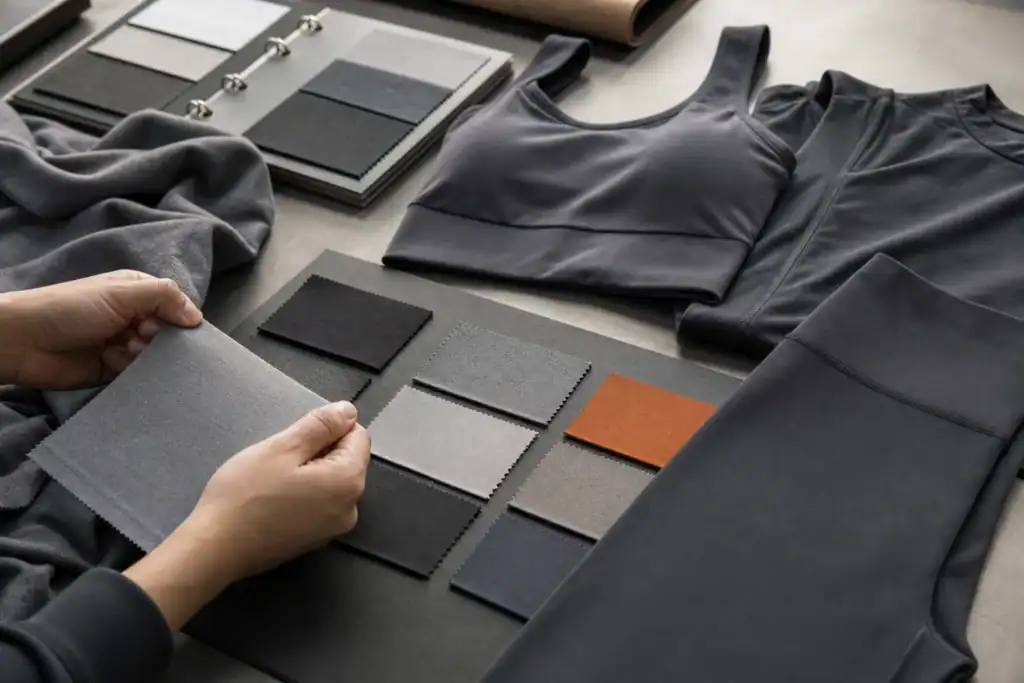
Activewear Launch Channels We Can Prepare For
Gym and Fitness Brands
Yoga and Studio Labels
Sports Team and Training Programs
Wellness and Athleisure Brands
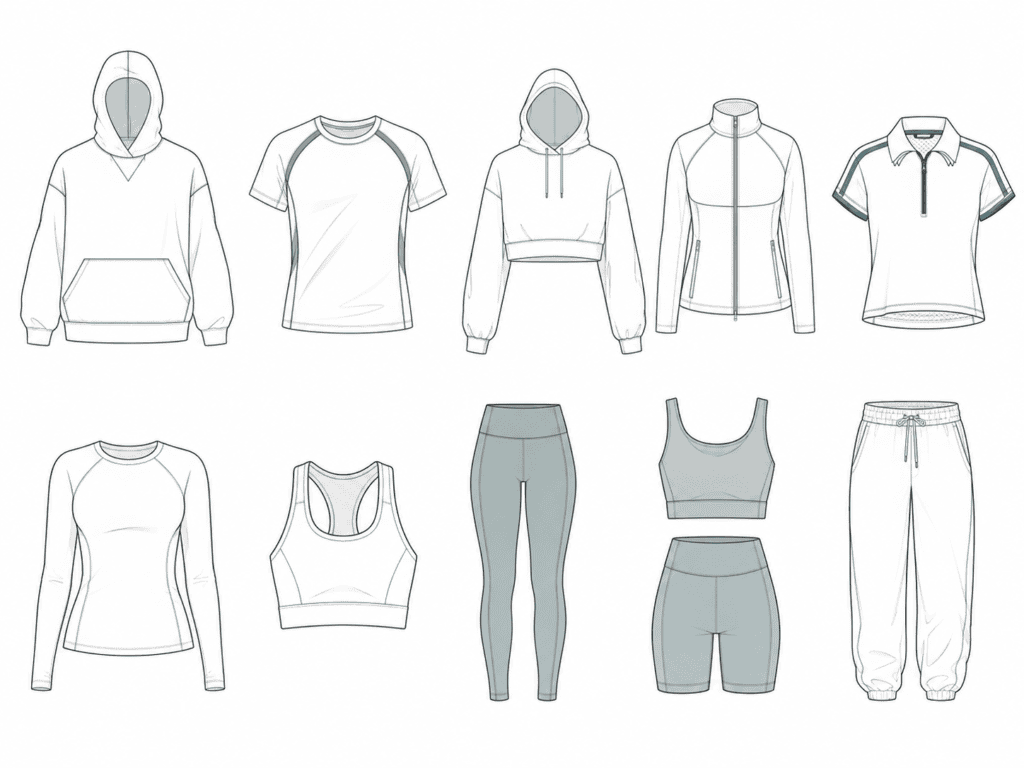
Sports and Fitness Apparel Product Directions
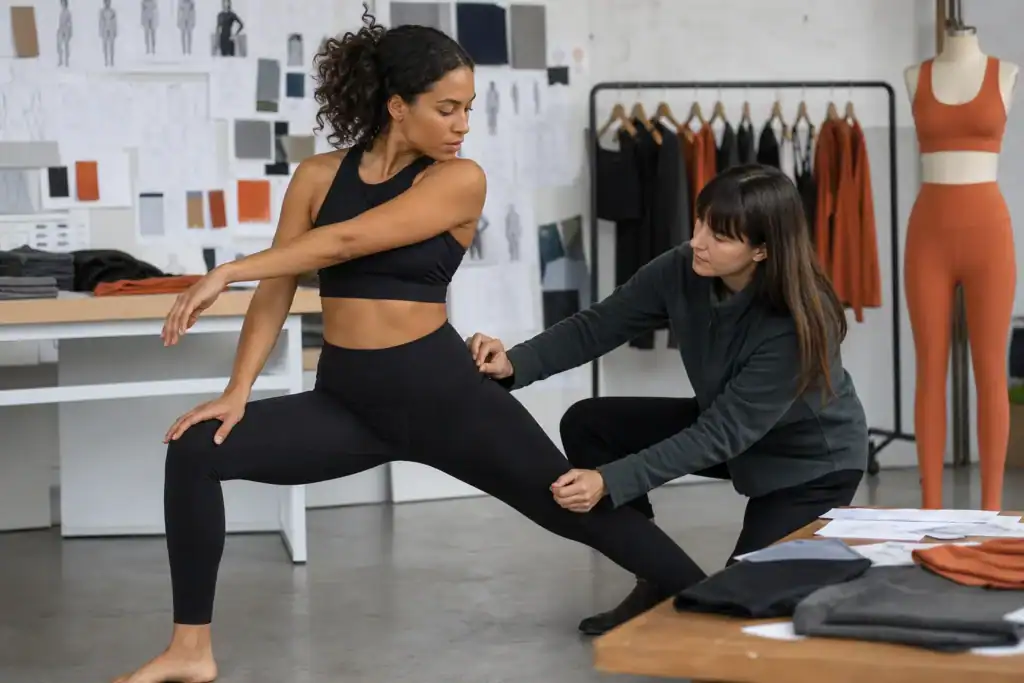
Tops and Training Tees
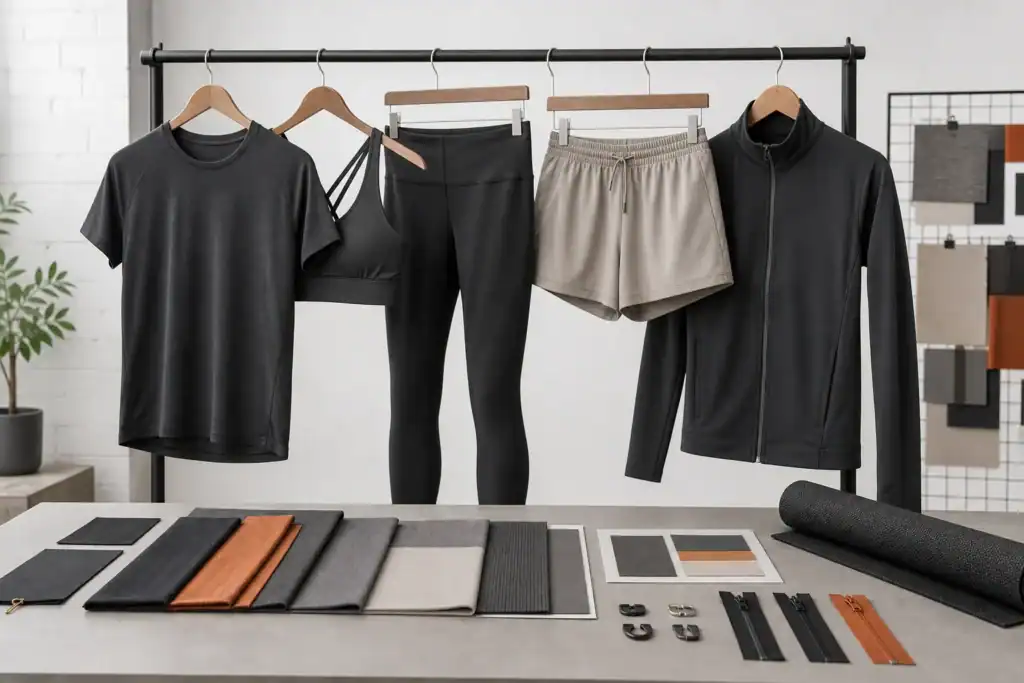
Leggings, Shorts and Joggers
Sports Bras, Tanks and Sets
Activewear Specification Checklist
Use the checklist below to compare the quoted material, fit requirements, decoration and order breakdown against the sample that will be approved.
Fabric and performance target
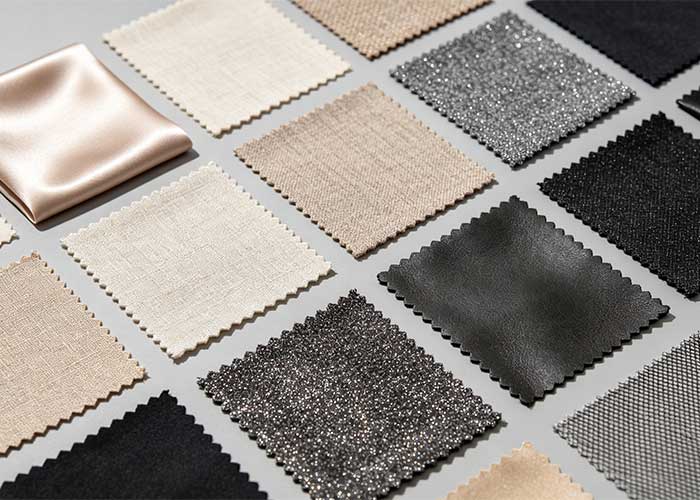
Give each fabric option a material reference: fiber percentages, knit or weave, finished GSM and tolerance, usable width, color and finish. For fitted activewear, agree stretch and recovery, coverage in the intended color and movement, and the wash procedure before approval. Request test evidence that identifies the material and conditions; a general supplier assessment does not establish product performance, compression or compliance for every garment.
Fit and movement use
Branding setup
Commercial details
Proof to confirm
Request current reports that identify the fabric reference, test method, conditions and result. Check composition, colorfastness, dimensional change, pilling and stretch recovery where relevant to the collection; agree the required limits before testing.
Sample, Fit and Bulk Order Support
Fit Sample First
Bulk Order Control
Reorder Planning
Activewear Development Planning Example
Challenge
Development Response
Practical Outcome
In this planning example, the next milestone is an approved specification and sample record. Confirm the material, fit, artwork, labels, packing and open corrections before setting the bulk-order decision. This example does not describe a completed customer project.
Useful Internal Pages for Activewear Buyers
Fabric & Trim Library
Advanced Techniques
Quality Control
Custom Sports and Yoga Apparel Development Workflow
1. Brand and Activity Review
2. Fabric and Fit Direction
3. Pattern and Branding Setup
4. Fit Sample Review
5. Production Approval
6. Reorder File Control
Buyer Recommendations by Activewear Stage
For New Fitness Brands
For Yoga and Studio Labels
For Product Teams
Why Sports and Yoga Brands Work with DETOSUN
Keep fabric selection, movement-fit comments, decoration files and inspection points in one approval record. Buyers can use it to compare the quotation with the sample, resolve revisions and define which specifications apply to a repeat order.
One Specification Version
Identify the approved size chart, material references, artwork and sample revision together, so a later order does not rely on an outdated drawing or an unapproved substitution.
Evidence With a Defined Scope
Check the report holder, material or facility covered, issue date, validity and test conditions. Confirm whether the document supports the selected garment and destination requirement before using it for supplier approval.
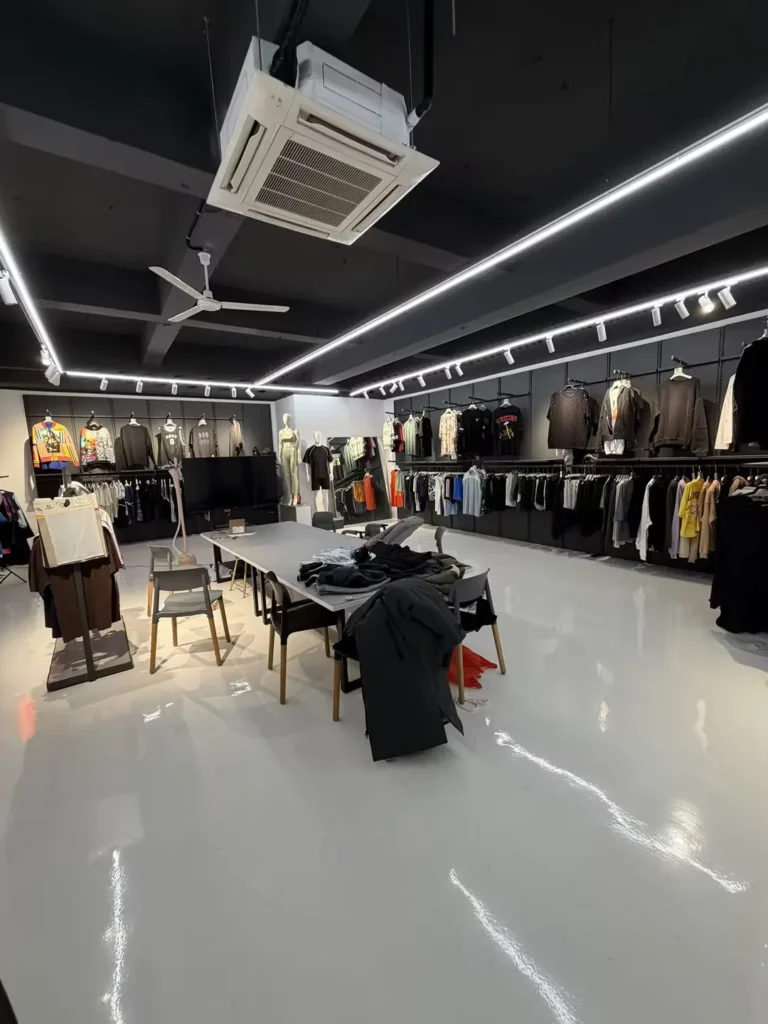
Quality Planning for Performance Apparel
Stretch and fit consistency
Packing clarity
Fabric Planning Before Bulk Order
Core Styles
Size Ratio
Fit Samples
Repeat Order File
Review the Actual Fit Sample and Material Evidence
Request dated images of the agreed sample, with closeups of the seam, fabric face and reverse, labels and decoration. Match each image or test report to the sample version and material reference. Confirm what is approved, what still needs correction and whether the evidence covers the intended bulk fabric and destination requirements before releasing production.
Fitness Apparel Manufacturer Support for Sports and Yoga Product Teams
For a brand comparing a fitness clothing manufacturer with a fitness apparel manufacturer, start with the activity, wearer, fabric direction and fit brief. A custom sportswear manufacturer or development partner should review stretch, recovery, opacity, seams, size range and branding before the first sample.
Yoga teams can compare a yoga clothing manufacturer or yoga wear manufacturer by asking how fabric, compression, waistband and movement requirements will be documented. For custom athletic apparel, a custom leggings manufacturer or leggings manufacturer should receive approved measurements, fabric references and decoration placement before bulk review. Use fabric and trim support, advanced techniques and quality control to keep the specification checkable.
For a direct order, custom activewear, custom athletic wear, activewear wholesale and gym apparel wholesale briefs should state activity, styles, size ratios, quantities, labels, packaging and delivery location. Application-specific programs such as custom running apparel, custom cycling apparel, custom gym apparel, custom gym clothes, custom yoga clothing and custom workout clothes can then be routed to the correct product and fit review.
For Sports/Fitness/Yoga Brands FAQ
Send garment type, activity use, fabric target, fit references, artwork, size range, estimated quantity, packaging needs, delivery location and launch timing.
For a usable For Sports/Fitness/Yoga Brands review, separate fixed requirements from preferences and include quantities by color and size, target delivery window, destination country and any non-negotiable compliance or warehouse rules. This lets the team identify missing decisions, check material and decoration feasibility, and prepare a quotation with fewer assumptions.
Yes. Fabric direction can be reviewed from intended activity, hand feel, stretch, opacity, compression target, GSM and reference samples. Exact test requirements should be confirmed as [client to confirm].
For For Sports/Fitness/Yoga Brands, compare fabric by composition, knit or weave, usable width, weight, stretch and recovery, hand feel, opacity, shrinkage, colorfastness and compatibility with the planned decoration. Review swatches or a sample under the intended use and care conditions before locking the bulk material; availability and color consistency should be reconfirmed for reorders.
Start with a focused product range such as one top, one bottom and one set. Confirm fabric, fit sample, size ratio and packaging before adding more colors or complex styles.
For a first For Sports/Fitness/Yoga Brands program, start with a controlled assortment and define the target customer, use case, core size range, color count, quantity by SKU, price direction and launch date. Prioritize fit and fabric decisions that can be reused across styles, then add decoration and packaging after the base product is technically workable.
Yes, if the approved sample, measurements, fabric reference, pattern notes, trims, label placement and packing method are documented before the first production order.
Reorder consistency improves when the first For Sports/Fitness/Yoga Brands order closes with a controlled specification file: approved measurements, construction notes, material details, color reference, decoration files, packing rules and QC feedback. Before repeating, review buyer returns or fit comments and document every change; do not assume an older fabric or trim remains available.
Packaging and labels can be planned around neck labels, woven labels, heat transfer labels, hang tags, polybags, barcode stickers, carton marks and buyer-specific packing requirements.
For For Sports/Fitness/Yoga Brands, provide a packing guide that lists label artwork and position, care content supplied by the buyer, barcode format, size and color identifiers, folding method, polybag requirements, units per carton, carton marks and destination-warehouse rules. Confirm these details before production release so packing checks use the same SKU and document references.
Match each report to the selected material or facility, issuing body, date and stated scope. Agree the test method and acceptance limits for the collection before commissioning tests. A supplier assessment is separate from product testing; confirm which current documents cover the quoted garment, fabric and destination requirements.
To make sportswear, define the activity, wearer, product types, fabric direction, fit, size range, artwork, labels, packaging and order requirements before requesting a project review. Connect the brief to sampling and prototyping, then confirm fit comments and inspection points before any bulk order. Exact quantities, costs and timing depend on the product brief.
To make workout clothes, convert the activity and wearer requirements into a production-ready record: garment references, fabric, stretch, fit, measurements, branding, size ratio, packing method and destination. Use designer consultation when product choices need review, and keep the approved sample and current specification for repeat orders. Do not assume a fixed MOQ, cost or delivery date without the complete brief.