Moisture-wicking fabric moves liquid sweat away from the skin-side surface, carries it through or along the textile, and spreads it over the outer face so it has more area from which to evaporate. It does not stop sweating, guarantee cooling, or prove that a garment will dry quickly.
That distinction matters to both shoppers and apparel buyers. A retail label often compresses several properties into one phrase. A product specification cannot. Liquid transport, absorbency, drying time, airflow, water-vapor transmission, and water resistance describe different behaviors and may require different tests.
This guide explains the moisture-wicking meaning in plain language, shows what controls the result, compares common materials, and gives brand buyers a practical testing and tech-pack checklist. For the broader question of which fiber or blend fits a product, use the activewear fabric buyer’s guide.
What does moisture wicking mean?
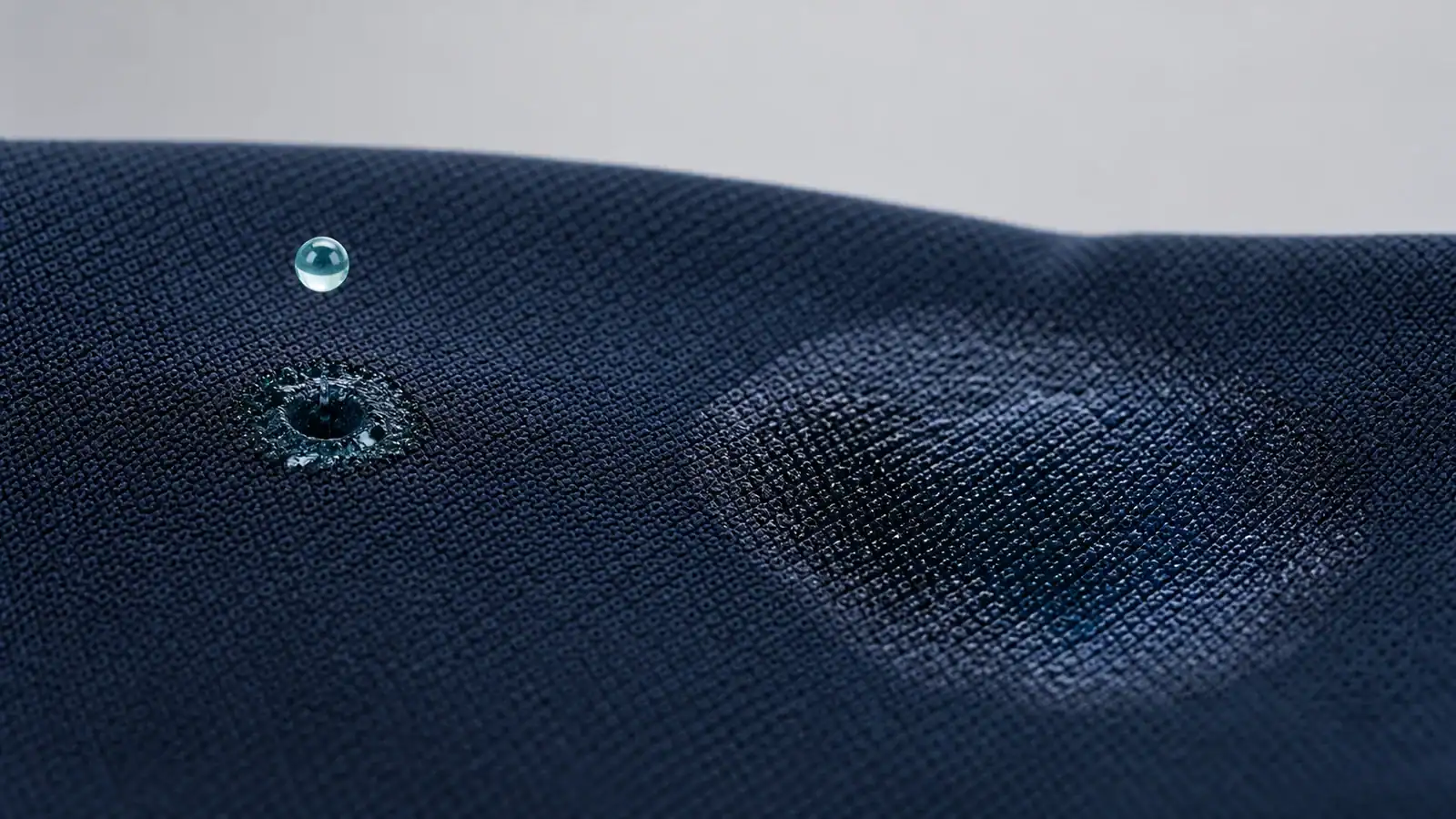
Moisture wicking is a fabric’s ability to move liquid moisture from one area to another through capillary pathways. In a garment, the intended direction is usually from the surface next to the skin toward the outer face. Once there, the liquid can spread across a larger area.
Short answer: moisture-wicking fabric acts as a transport layer. It moves sweat away from the skin-side surface and spreads it. The surrounding temperature, humidity, airflow, fabric construction, and amount of liquid then affect how quickly that moisture evaporates.
The term is useful, but it is often asked to do too much. A fabric can wick without drying especially fast. Another fabric can dry quickly after wetting but fail to pull sweat away from the skin evenly. A dense knit may manage liquid well while passing less air than an open mesh.
Wicking, absorbency, quick drying, and breathability are different
| Property | What it describes | What it does not prove |
|---|---|---|
| Moisture wicking | Liquid movement through or across the fabric. | Fast evaporation, airflow, or low water retention. |
| Absorbency | How readily and how much liquid the textile takes up. | That the liquid moves away from skin or dries quickly. |
| Quick drying | How rapidly a stated amount of liquid leaves under controlled conditions. | Directional transport from the skin side. |
| Air permeability | How readily air passes through the textile under a pressure difference. | Liquid moisture management. |
| Water-vapor transmission | Movement of moisture in vapor form through a textile system. | How liquid sweat spreads. |
| Water resistance | Resistance to liquid penetration from outside. | Comfort or drying on the inside. |
A buyer can legitimately need several of these properties in one garment. The safe approach is to write each requirement separately instead of treating “moisture wicking” as a bundle of unmeasured promises.
How does moisture-wicking fabric work?
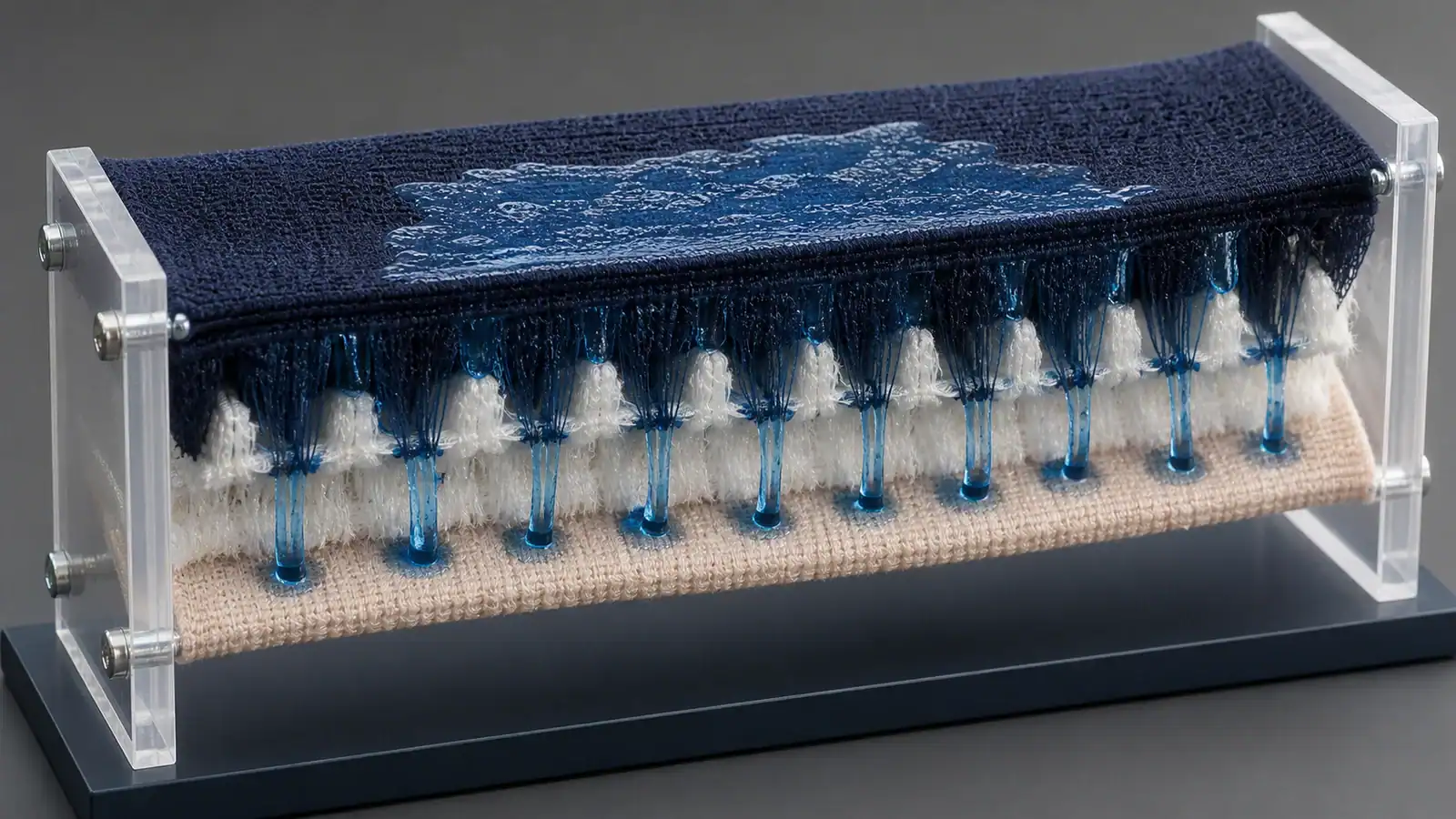
The process has several stages. A failure at any stage can leave the wearer feeling wet even when the fiber content sounds suitable.
1. Sweat wets the skin-side surface
The liquid first has to enter the fabric structure instead of remaining as beads against the skin. Surface chemistry, a finish, yarn shape, and the contact between garment and skin all affect this step. A highly water-repellent inner face may resist wetting so strongly that liquid cannot enter the pathways intended to transport it.
2. Capillary action moves liquid through small spaces
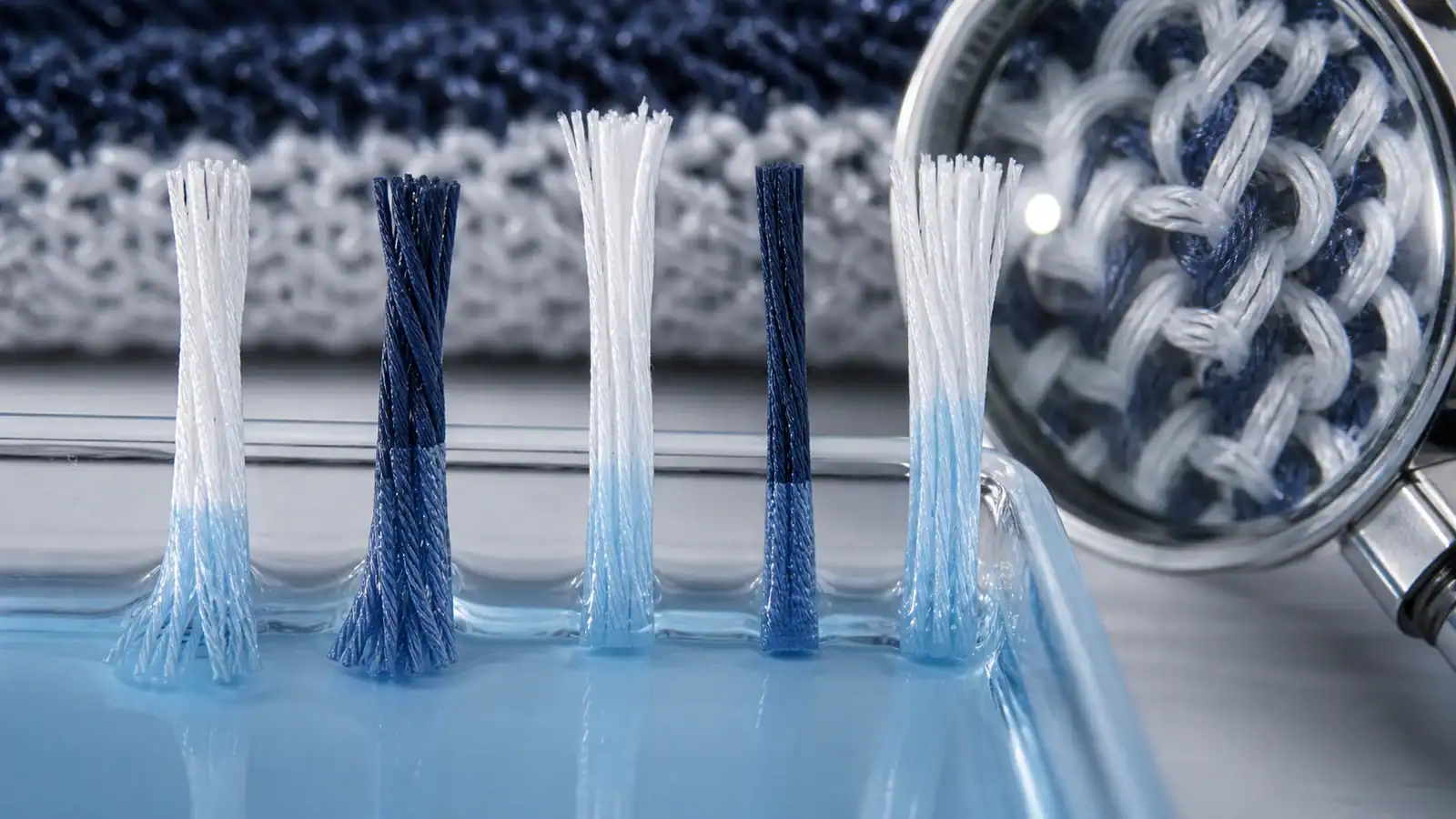
Capillary action is the movement of liquid through small connected spaces without a pump. Adhesion between the liquid and a surface, cohesion within the liquid, surface tension, pore size, and pathway continuity all contribute. Fine filaments, shaped cross-sections, yarn bundles, and knit loops can create routes along which sweat travels.
The route is not always a simple straight line through the thickness. Liquid may travel along yarns, spread laterally, cross between layers, or follow different surface treatments on the inside and outside.
3. The outer face spreads the liquid
Spreading increases the wetted surface area. A small pool of sweat concentrated in one spot has less exposed area than the same volume distributed across a wider section. More exposed area can support evaporation when the surrounding air can accept more moisture.
4. The environment controls evaporation
Evaporation slows when humidity is high, airflow is low, the garment is covered by another layer, or the textile retains a large quantity of water. This is why a good laboratory result for one property cannot predict every wear condition. Garment fit, ventilation zones, layers, climate, and activity still matter.
What makes one fabric wick better than another?
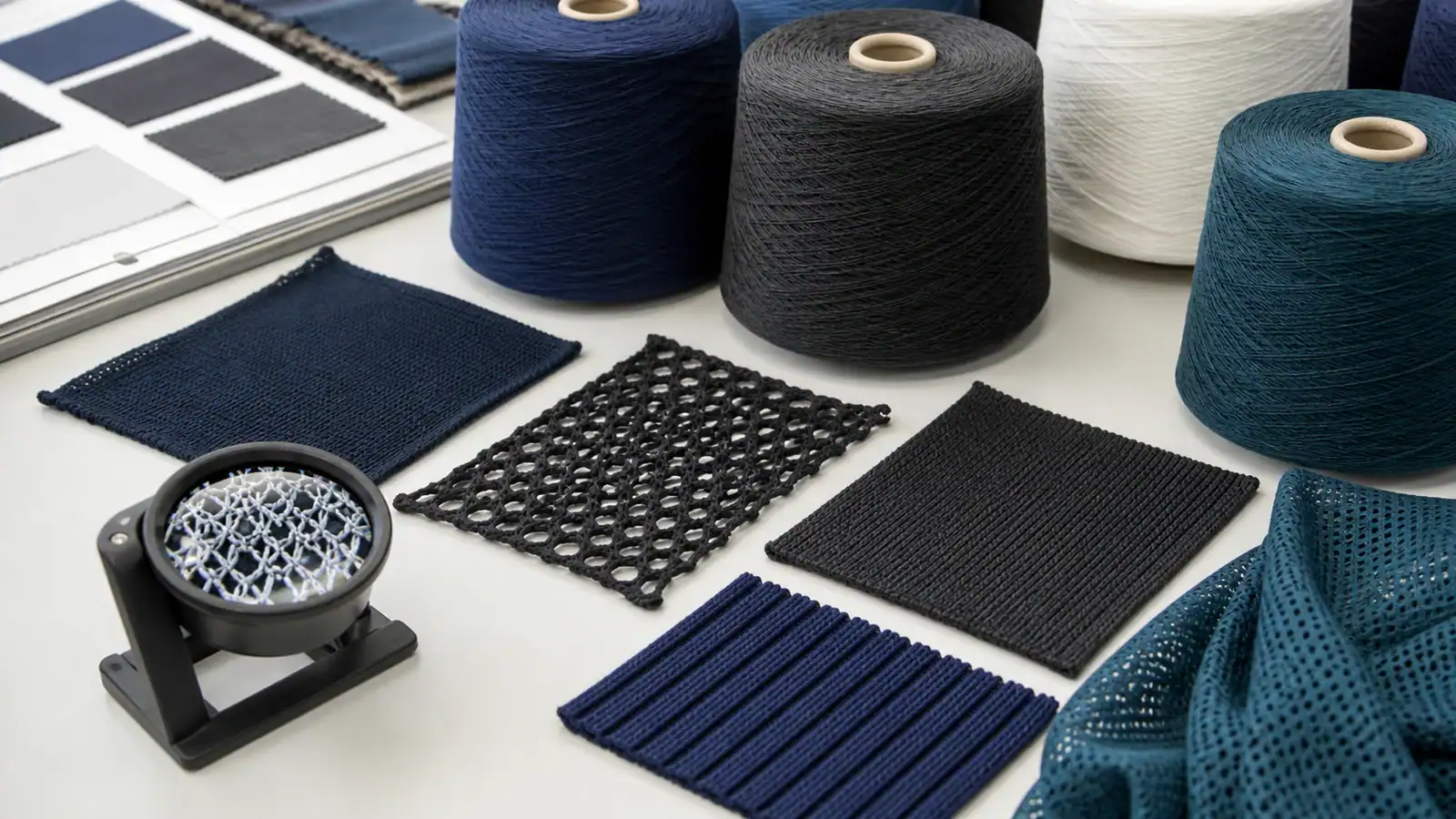
Fiber chemistry
Some fibers take relatively little liquid into their internal structure. Others absorb more. Low internal absorption can support faster drying, but it does not automatically create the surface wetting and connected pathways needed for good wicking. An untreated synthetic fabric may bead water, while another synthetic fabric with different yarn geometry or finishing may spread it rapidly.
Filament size and yarn shape
Fine filaments create many small spaces within a yarn. Multi-channel or otherwise shaped filaments can add surface area and pathways. Yarn twist, texturing, bulk, and the way filaments contact each other also influence transport. Marketing names are not a substitute for the actual yarn and test result.
Knit or woven structure
Loop size, stitch density, mesh zones, pore distribution, plated constructions, double knits, and the connection between inner and outer yarns change the route available to liquid. A structure that moves moisture well in one direction may behave differently when reversed. The tech pack should identify the skin side and face side.
Finishes and treatments
A hydrophilic finish can help a synthetic surface wet and spread liquid. The effect may be durable or may decline after repeated care, depending on the chemistry and application. Dyeing, printing, silicone softener, contamination, and later finishing steps can alter the original mill result. Buyers who plan to make a durable claim should test after the agreed care cycles.
Fabric weight, thickness, and layers
More mass can mean more material in which moisture can be held, but the relationship is not linear. A lighter fabric is not automatically better, and a thicker double-knit is not automatically worse. Compare the finished structures under the same test conditions. If fabric mass is part of the brief, record it using the GSM fabric-weight guide.
Garment construction
Lining, foam, elastic, seam tape, large prints, dense embroidery, pockets, and tight overlapping layers can interrupt movement or block evaporation. A swatch may perform well while the assembled high-sweat zone performs poorly. Review the finished garment, not only an untouched roll of fabric.
Which materials are moisture wicking?
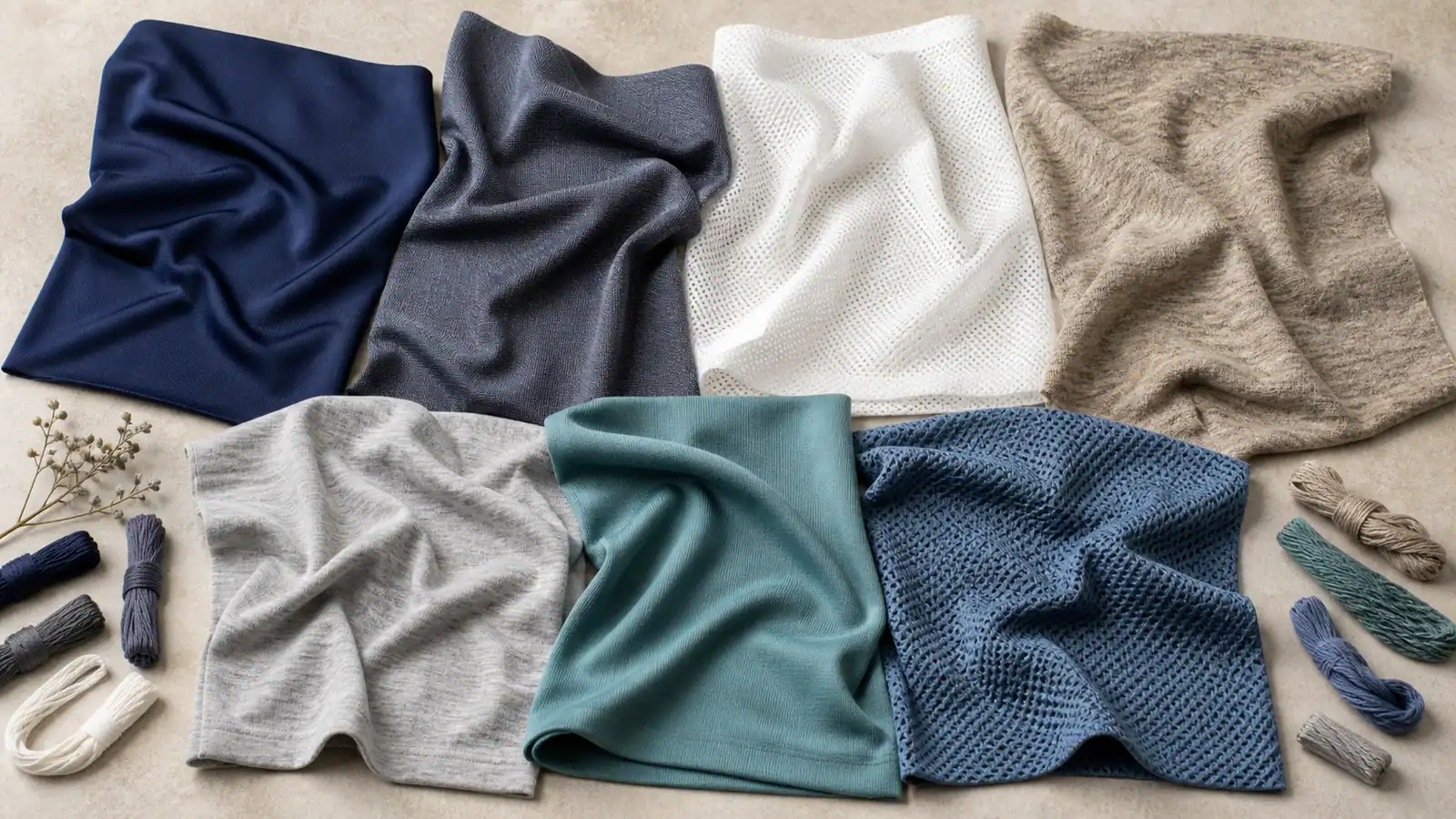
No fiber is a universal answer. The same generic composition can appear in fabrics with very different transport, drying, stretch, hand feel, odor retention, opacity, and durability.
| Material family | Useful tendency | Buyer caution |
|---|---|---|
| Polyester | Low internal water absorption and broad yarn/finish options can support transport and quick drying. | The fiber label alone does not prove wicking. Test the actual fabric and review odor, pilling, print, and care needs. |
| Nylon | Can provide a smooth hand, strength, abrasion resistance, and stretch when blended with elastane. | It can take up more moisture than polyester and may dry differently. Dyeing, finish, heat, and colorfastness need review. |
| Polypropylene | Very low water absorption can suit next-to-skin and cold-condition systems. | Hand feel, odor, heat sensitivity, dye route, and product availability can limit use. |
| Merino wool | Can buffer moisture vapor and support comfort across changing conditions. | Liquid transport and drying depend on yarn and construction. Shrinkage, abrasion, care, cost, and wool claims need control. |
| Cotton | Readily wets and can move liquid through capillary spaces. | It also absorbs and retains water within the fiber, which can produce a wet feel and slower drying in high-sweat use. |
| Regenerated cellulosics | Modal, lyocell, and viscose can provide softness and moisture uptake. | Wet strength, drying, dimensional change, pilling, blend ratio, and the intended activity need testing. |
| Blends | Can combine hand feel, stretch, durability, transport, and cost targets. | A blend percentage does not predict the finished behavior. The yarn arrangement and fabric structure matter. |
If a supplier offers several candidates, request the same construction and color information for each, then compare them under one test plan. A list of impressive fiber names does not help if each swatch was evaluated differently.
Moisture wicking vs quick dry: how to compare them
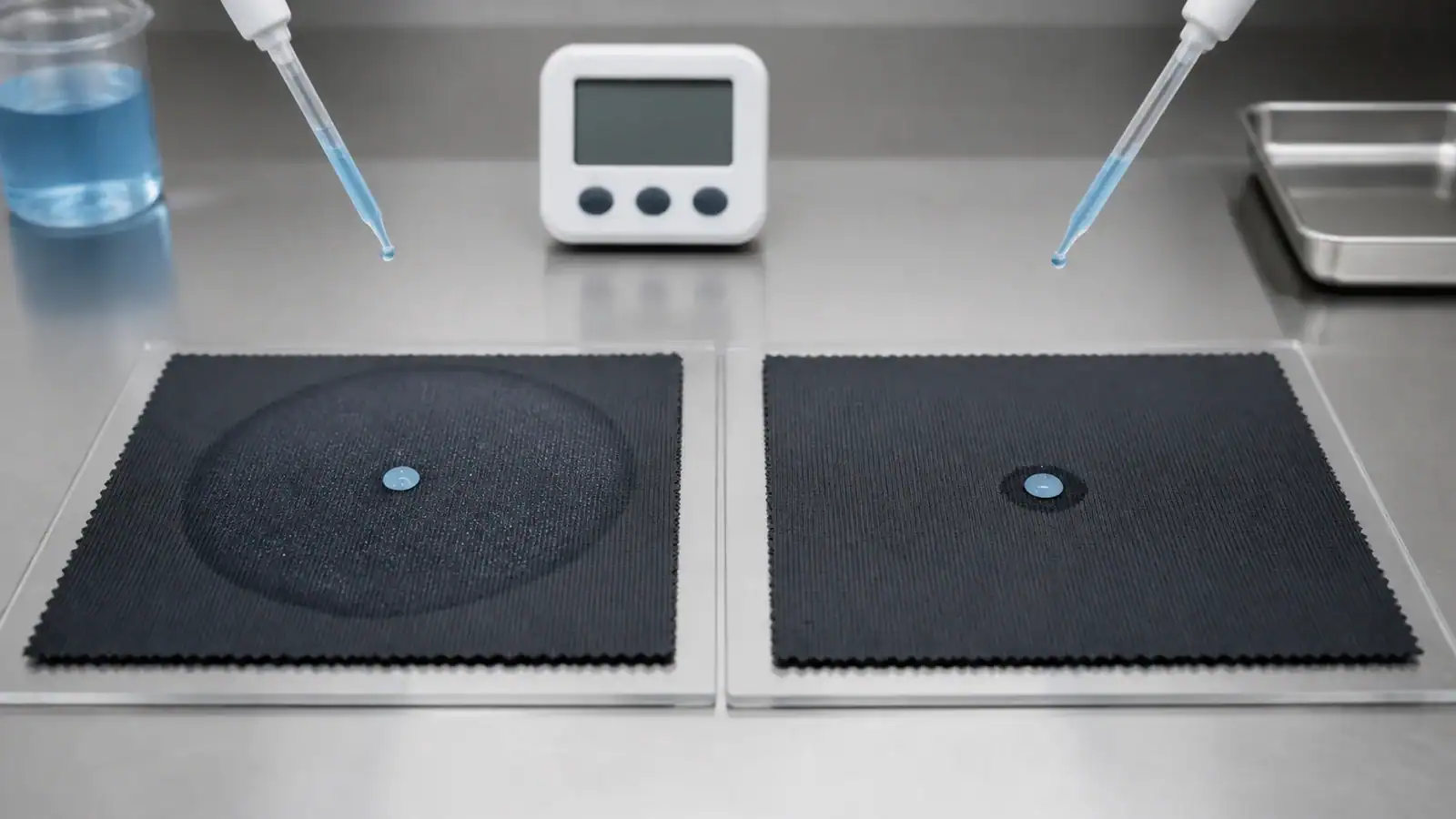
Wicking answers “where does the liquid move?” Drying answers “how long does the liquid remain?” The two jobs interact, but a buyer should not use one result as proof of the other.
- A hydrophilic textile may spread liquid widely yet retain a high amount of water.
- A low-absorption textile may dry quickly after it becomes wet but allow initial droplets to bead.
- A bi-component or plated fabric may pull liquid from one side to the other and then spread it, producing directional behavior that a simple composition list cannot show.
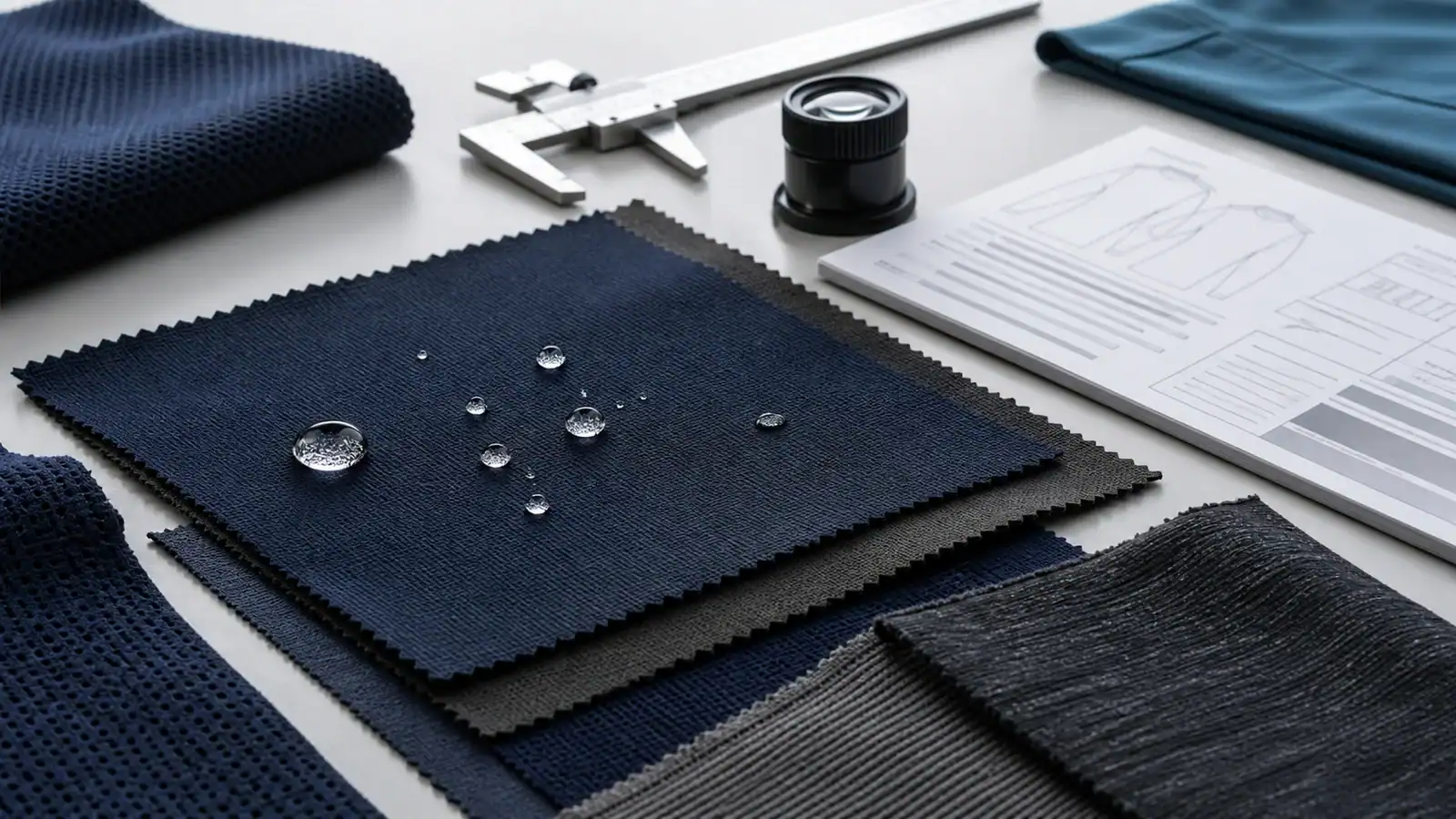
A home droplet test can reveal obvious differences and help remove weak candidates. It cannot establish a marketing claim because the drop size, surface tension, sample conditioning, fabric tension, temperature, humidity, and judgment are uncontrolled. Use it as screening, then use an agreed method for approval.
How moisture-wicking fabric is tested
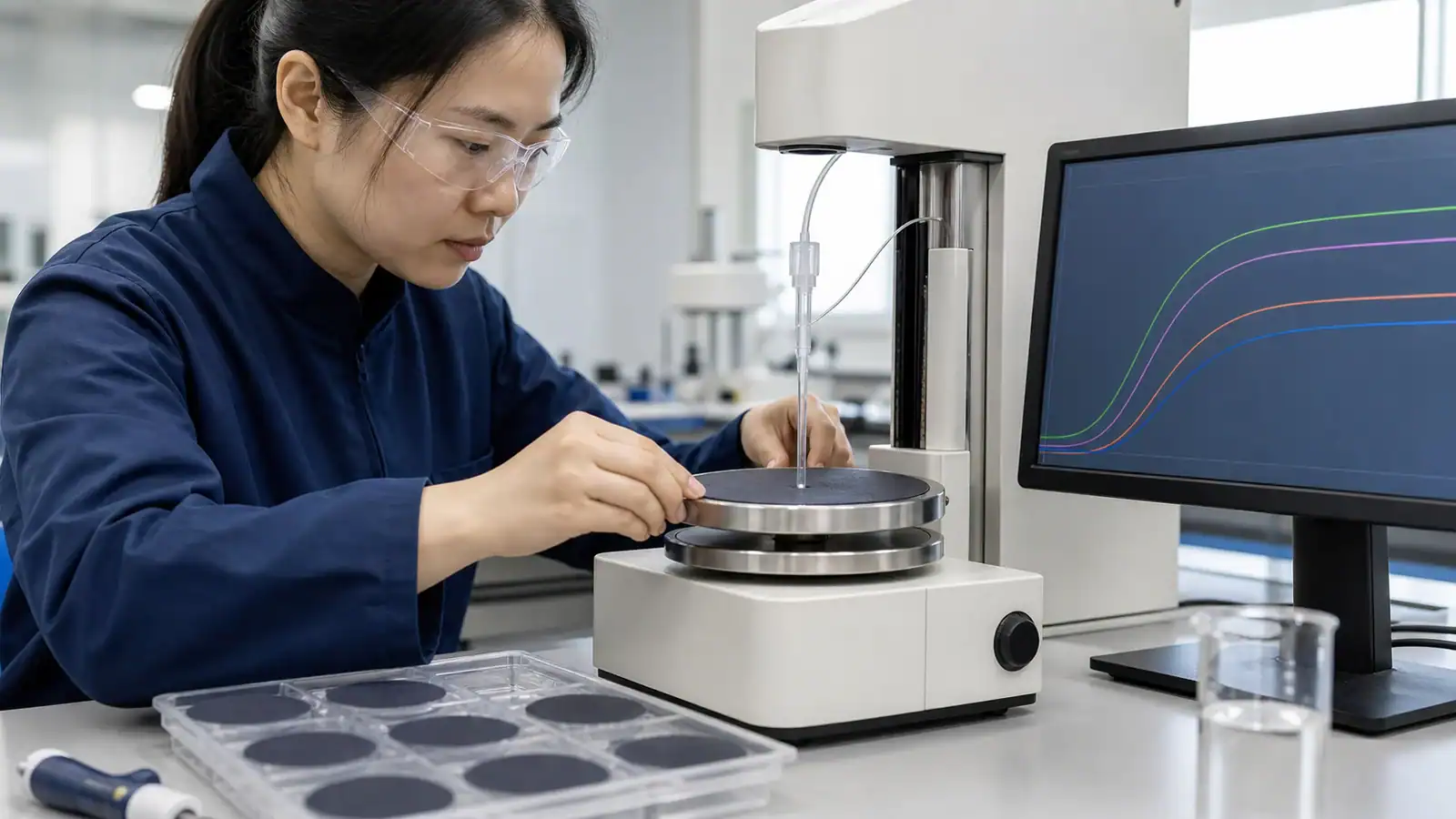
The test should match the sentence you intend to put in the specification or product copy. AATCC maintains separate methods because moisture management is not one number.
| Test area | Example AATCC method | Question it helps answer |
|---|---|---|
| Liquid moisture management | TM195 | How does liquid wet, spread, and transfer across the two fabric surfaces? |
| Vertical wicking | TM197 or TM213 | How rapidly or how far does liquid rise through a hanging textile strip? |
| Horizontal wicking | TM198 | How does liquid spread laterally across a specimen? |
| Drying time | TM199 | How long does a stated moisture challenge take to leave under the method conditions? |
| Drying rate | TM200 or TM201 | How rapidly does the textile release moisture under controlled airflow or heat? |
| Water-vapor transmission | TM204 | How readily does moisture in vapor form pass through the textile? |
The AATCC TM195 summary states that the method measures, evaluates, and classifies liquid moisture management in knitted, woven, and nonwoven fabrics. NC State’s TPACC laboratory description explains how a Moisture Management Tester uses changes in electrical resistance as test liquid travels across a specimen.
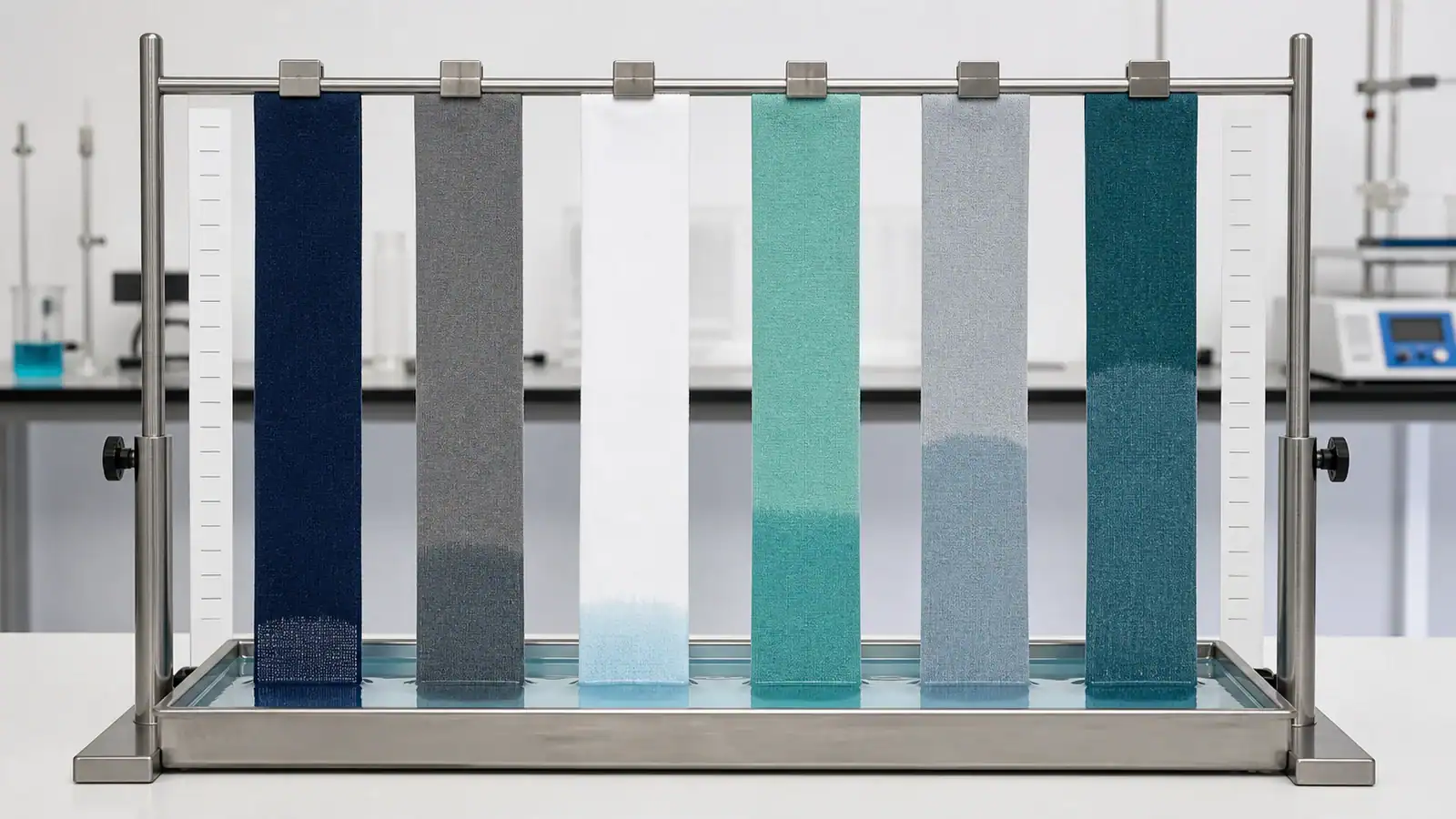
AATCC’s moisture-management method list also shows why a buyer should specify the property rather than request a generic “wicking test.” If comfort depends on vapor as well as liquid, review a separate method such as the one described by NC State for moisture-vapor transmission.
Test before and after care when durability matters
A prewash result describes the new specimen. It does not prove performance after use. If the product claim is expected to survive care, agree on the detergent, wash procedure, drying route, number of cycles, and retest condition. Keep the original and post-care reports connected to the same fabric lot, color, finish, and sample version.
DTS’s quality-control page outlines the wider approval route for fabric, workmanship, finishing, and packing. Exact test availability and acceptance targets still need project-specific confirmation.
How to write a moisture-wicking requirement in a tech pack
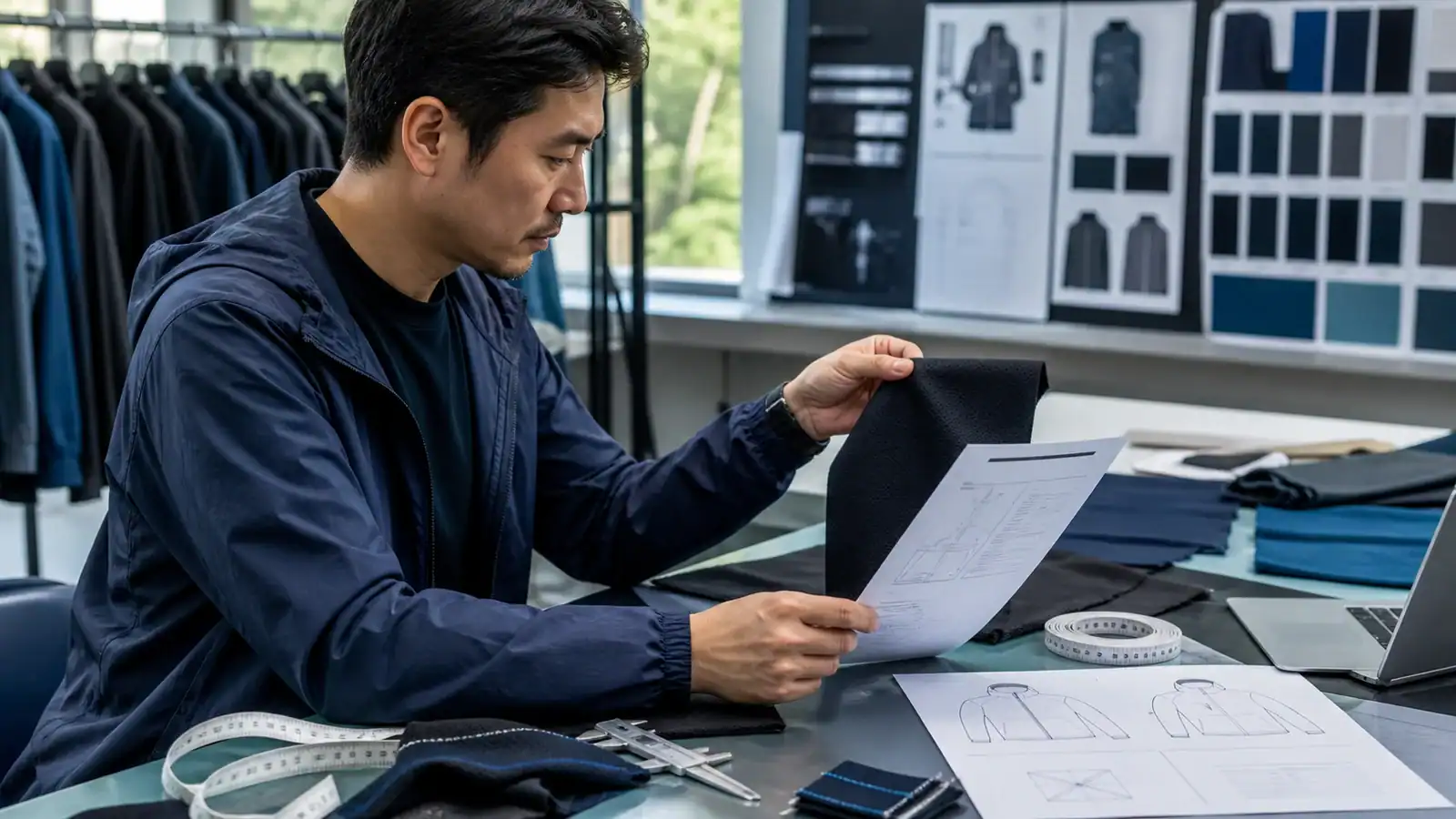
“Use moisture-wicking fabric” is a sourcing note, not a complete specification. A pattern maker, fabric mill, laboratory, and garment factory need enough detail to identify the same requirement.
Specification template: [garment/panel], [composition and construction], [target GSM], skin side [identify], face side [identify], finish [identify], moisture-management test [method], specimen state [new or after stated care], acceptance target [buyer and supplier to confirm], approved swatch [code/revision].
Include these decisions
- Use and sweat level: describe the activity, climate, garment layer, fit, and expected duration.
- Fabric identity: record composition, construction, weight, usable width, color, finish, stretch, and the skin side.
- Claim boundary: decide whether the requirement concerns liquid transfer, spreading, drying, vapor, airflow, or several separate properties.
- Method and target: select the test with the supplier or laboratory and agree on a numeric acceptance rule before bulk approval.
- Care durability: state whether approval is required before washing, after a defined care cycle, or both.
- Finished-garment review: check prints, seams, lining, elastic, fit, and layered high-sweat zones.
The tech-pack customization page is the right conversion route when a brand has swatches or product references but has not yet turned the performance idea into a controlled brief.
Common reasons a moisture-wicking claim fails
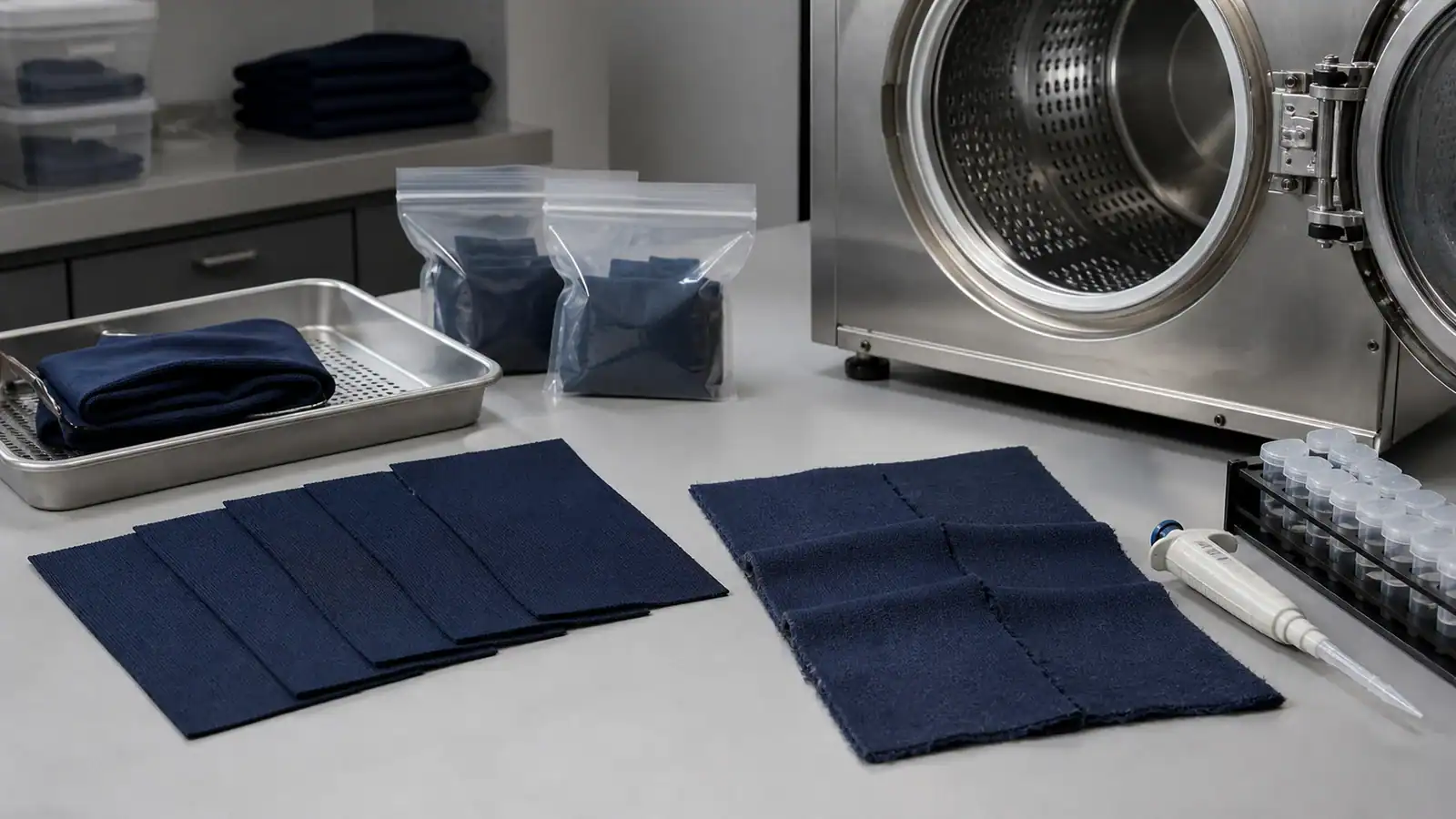
The mill tested a different specimen
A report for a base fabric does not automatically cover every dye lot, finish, print, brushed version, or garment wash. Match the report to the material code, color, face orientation, and finishing route used in the sample.
A finish changed during laundering
Topical finishes can lose effectiveness, and residues can change surface wetting. Product-care instructions should follow the approved label and test plan. If a brand advises consumers to avoid fabric softener, that advice should come from the material and care validation rather than a copied rule applied to every fabric.
The garment blocks the fabric
Large rubbery prints, bonded layers, dense embroidery backings, cups, foam, pockets, and tight overlaps may reduce exposed area or interrupt transport. Place graphics and construction around high-sweat zones deliberately.
The wrong side faces the wearer
Plated and engineered fabrics may be directional. If cutting or sewing reverses the intended face, the finished garment may not behave like the approved swatch. Mark face and back clearly in the material record and cutting instructions.
The claim is broader than the test
A wicking result does not prove cooling, odor control, antibacterial activity, stain prevention, UV protection, or complete dryness. Each extra claim needs its own evidence and sales-market review.
Where moisture-wicking fabric is commonly used
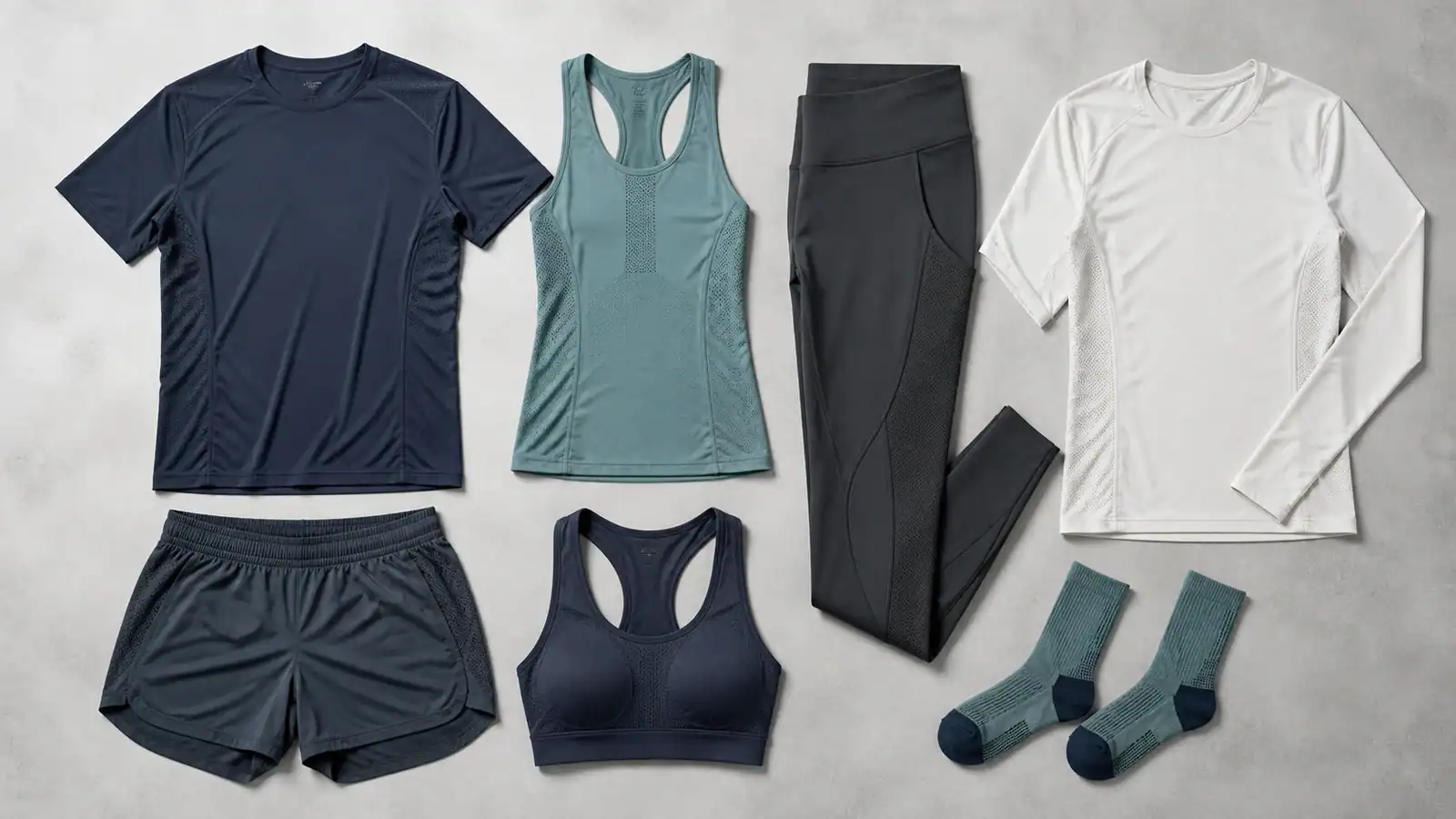
| Product | Why moisture management may matter | What else to check |
|---|---|---|
| Training T-shirts and tank tops | Next-to-skin sweat, large torso area, frequent washing. | Airflow, cling, opacity, seam comfort, print coverage, odor, and drying. |
| Running tops and base layers | Continuous sweat and layering in changing conditions. | Fit, chafe, vapor movement, temperature, reflective details, and layer compatibility. |
| Leggings and compression products | Close fit and high contact at waist, seat, and thighs. | Stretch recovery, opacity, pilling, gusset, waistband, seam placement, and drying. |
| Sports bras and fitted tops | Dense support zones, elastic, lining, and close skin contact. | Support, cup and lining behavior, elastic durability, chafe, and care. |
| Training shorts | Heat and sweat around the waistband, liner, and upper thigh. | Shell and liner separately, pockets, stretch, airflow, and ride-up. |
| Socks and accessories | Confined moisture and repeated friction. | Cushioning, fit, abrasion, drying, odor, and compatibility with footwear or equipment. |
For style planning, the sportswear type glossary maps garments to activity and buyer use. Moisture management should then be specified for the exact product rather than applied as one standard across an entire collection.
Buyer checklist before sampling
- Define the wearer, activity, climate, layer, fit, and high-sweat zones.
- Compare actual swatches with the same specimen size, side orientation, and conditioning.
- Separate liquid wicking, drying, airflow, and vapor requirements.
- Agree on the laboratory method and acceptance target before using a performance claim.
- Match reports to the material code, color, finish, and care state.
- Review decoration, lining, seams, and elastic on the finished sample.
- Record the approved swatch and sample revision for bulk comparison.
When those decisions are still open, send the intended garment, fabric references, target quantity, size range, colors, artwork, destination, and timing through the DTS Activewear inquiry and NDA route. The team can identify missing specifications before a sample or quote is prepared. Test capability, material availability, MOQ, and lead time must be confirmed for the actual project.
Frequently asked questions
What does moisture wicking mean?
Moisture wicking means a fabric moves liquid sweat away from the skin-side surface, transports it through or along the textile, and spreads it over the outer surface. Spreading gives the liquid more area from which to evaporate. It does not mean the garment stops sweating or stays completely dry.
Is moisture-wicking fabric the same as quick-dry fabric?
No. Wicking describes liquid movement through or across a fabric. Quick drying describes how rapidly the liquid leaves the fabric under stated conditions. A material can move liquid well and still dry slowly if it retains a large amount of water, so buyers should specify the properties separately.
Is breathable the same as moisture wicking?
No. Breathability may refer to air permeability or water-vapor transmission, while wicking concerns liquid moisture. A fabric can pass air yet move liquid poorly, or move liquid well while a dense construction limits airflow. Define the required property and test method instead of using the terms as synonyms.
Is polyester naturally moisture wicking?
Polyester absorbs little water into the fiber and can dry quickly, but a polyester label alone does not prove good wicking. Yarn shape, filament size, knit structure, surface treatment, fabric face, and laundering can all change liquid transport. Test the actual fabric or finished garment.
Does cotton wick moisture?
Cotton can draw and spread liquid, but it also absorbs water into the fiber and may hold more moisture than many synthetic performance fabrics. That can make a cotton garment feel wet and dry slowly. Blends and fabric construction can change the result, so fiber content alone is not enough.
How is moisture-wicking performance tested?
Testing depends on the claim. AATCC TM195 evaluates and classifies liquid moisture management. Other AATCC methods cover vertical or horizontal wicking, drying time, drying rate, absorbency, and water-vapor transmission. The buyer should select a method, specimen condition, laundering stage, and acceptance target with the supplier or laboratory.
Can moisture-wicking performance wash out?
It can change. Performance created mainly by a topical finish may decline with laundering, while performance created by yarn geometry and fabric construction may be more durable. Dyeing, printing, softener, contamination, and care conditions can also affect the result. Test after the agreed number of care cycles when durability matters.
What should a buyer put in a moisture-wicking fabric specification?
Record the garment use, fabric composition and construction, skin side and face side, weight, stretch, color and finish. Then name the moisture-management or drying test, specimen state, prewash or postwash condition, acceptance target, approved swatch, and finished-garment checks. Confirm feasibility before treating any target as a production promise.
Turn the claim into a sample-ready requirement
Moisture wicking is useful language when it points to a defined property. It becomes unreliable when it replaces the material specification and test plan. Start with the wearer and activity, choose the fabric structure, agree on the evidence, and check the assembled garment after the relevant care route.
Send your fabric reference and product brief for review. DTS can help identify the decisions required before sampling. Project-specific availability, testing, cost, MOQ, and timing will be confirmed after review.
Related articles
- Best Fabric for Activewear: A Brand Buyer’s Guide
- GSM Meaning in Clothing: Fabric Weight Chart & Buyer Guide
- Types of Sportswear: 100+ Names, Uses and Fabrics
- Types of Tank Tops: 36 Styles, Names and Buyer Specs
- Different Leggings Types: 36 Styles, Names and Buyer Specs
- Types of Hoodies: 36 Styles, Names and Buyer Specs