Acrylic fabric is made from manufactured acrylic fiber. Under current U.S. fiber-labeling rules, the generic name “acrylic” applies when at least 85% by weight of the fiber-forming polymer consists of acrylonitrile units. Mills can knit or weave the yarn into different constructions. Composition and construction together affect stretch, hand, pilling, and wash behavior, so the fiber name alone cannot answer those questions. The current federal definition is a useful place to start. For a garment project, put the composition, construction, weight, finish, shade, and test conditions in the specification. Review a sample of that exact quality before production. Acrylic can suit a soft, lofty layer; a high-sweat style needs garment-level evidence on moisture handling and movement.
All article visuals are AI-generated illustrations. They do not depict DTS stock, supplier-approved samples, factory conditions, or tested results.
What does "acrylic" mean on a fabric label?
Acrylic names a manufactured fiber. The U.S. regulation defines it by polymer composition. A fabric may use acrylic yarn alone or a declared blend, then take the form of a knit, weave, pile, or another textile structure.
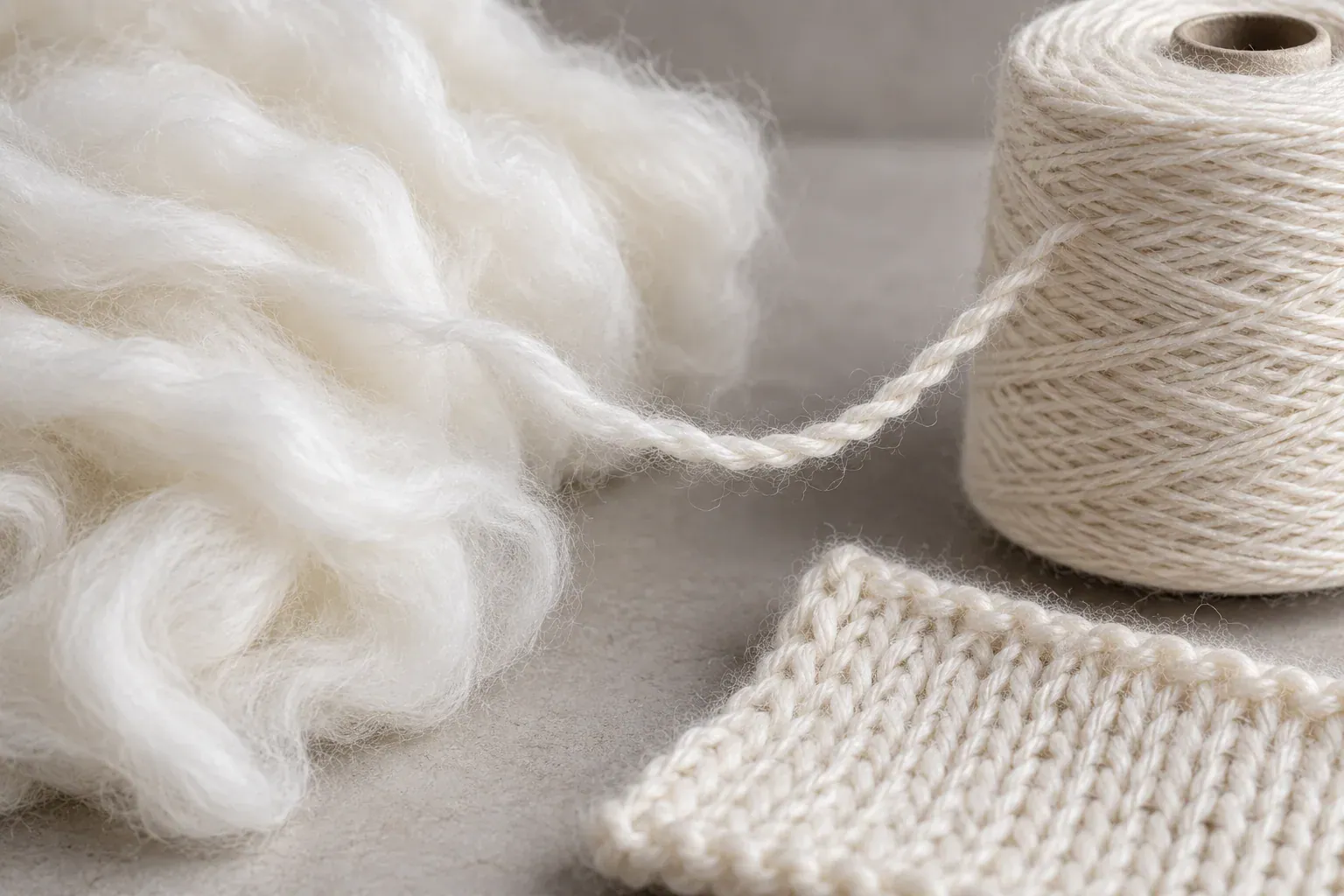
That distinction matters when two swatches both say “acrylic.” One may be a fine, smooth jersey. Another may be a bulky, brushed knit. Their hand, drape, surface, and stretch can differ because of the yarn, gauge, density, finishing, and any other fibers in the blend.
Ask for the fiber percentages and a construction description. In a sourcing brief, “acrylic” starts the conversation; the mill also needs the finished structure and target weight.
How does acrylic fiber become a fabric?
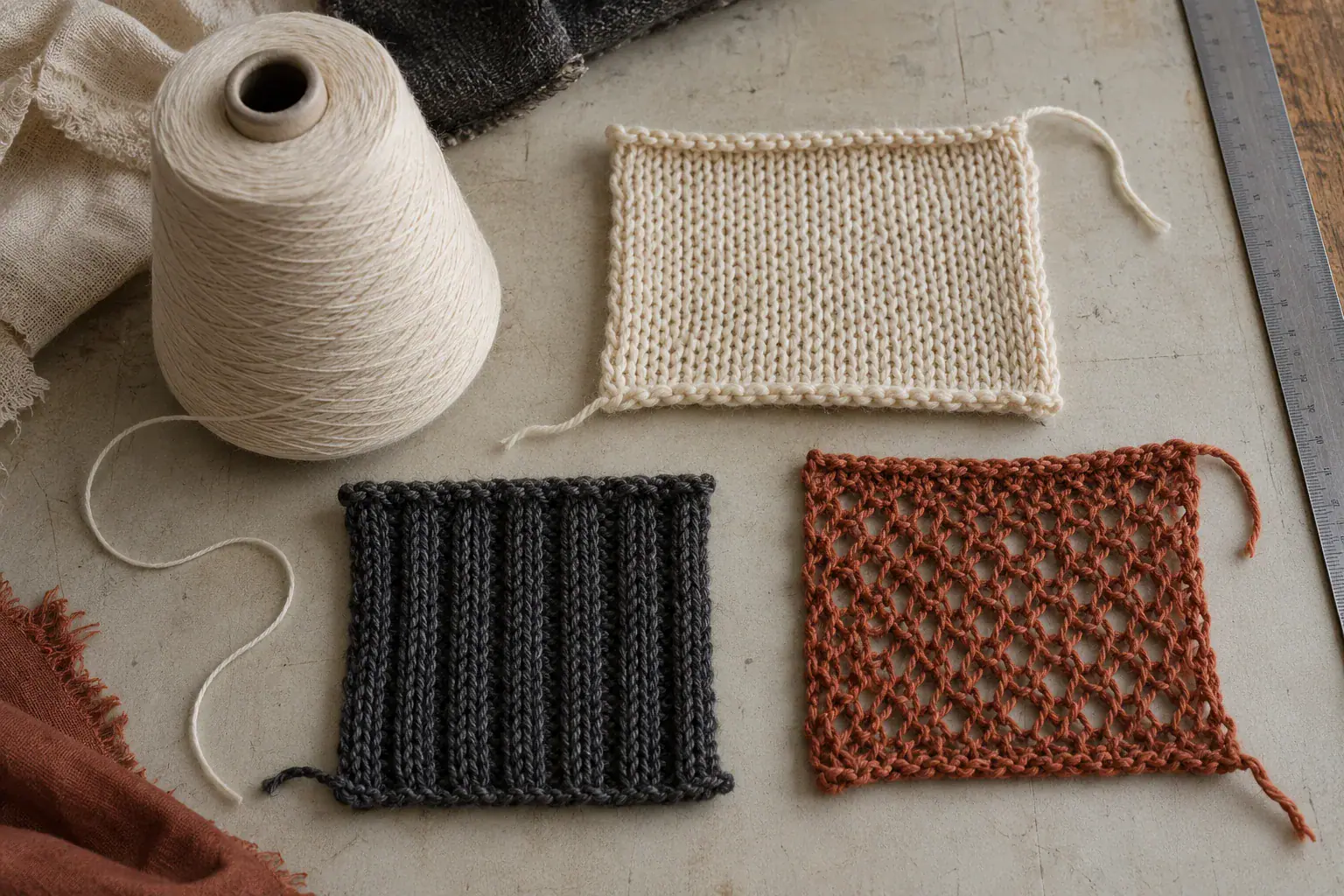
Acrylic polymer is formed into fiber. Fiber is processed into yarn, which a mill can knit or weave into fabric and then dye or finish. Each stage adds variables that affect the sample a buyer receives.
For apparel development, keep four terms separate:
- Fiber content identifies which fibers are present and their proportions.
- Yarn describes how the fibers are assembled, including yarn size and whether the yarn is spun or filament-based.
- Construction describes how the yarns interlace or form loops, such as a jersey knit, rib, interlock, or woven structure.
- Finish describes later treatments or surface changes, such as brushing, softening, or a particular dye process.
Use the approved swatch and written specification to identify all four for the same finished quality.
What does acrylic fabric feel like, and what should a buyer verify?
Acrylic appears in products where softness, loft, color, or warmth matter to the design. Results vary with the yarn and finished construction. For example, Toray describes its TORAYLON acrylic fiber as having bulk, colorability, adaptability with other fibers, and a soft feel; its listed applications include sweaters, socks, and jerseys. That description applies to Toray’s product line. Buyers still need performance information for the quality they plan to use.
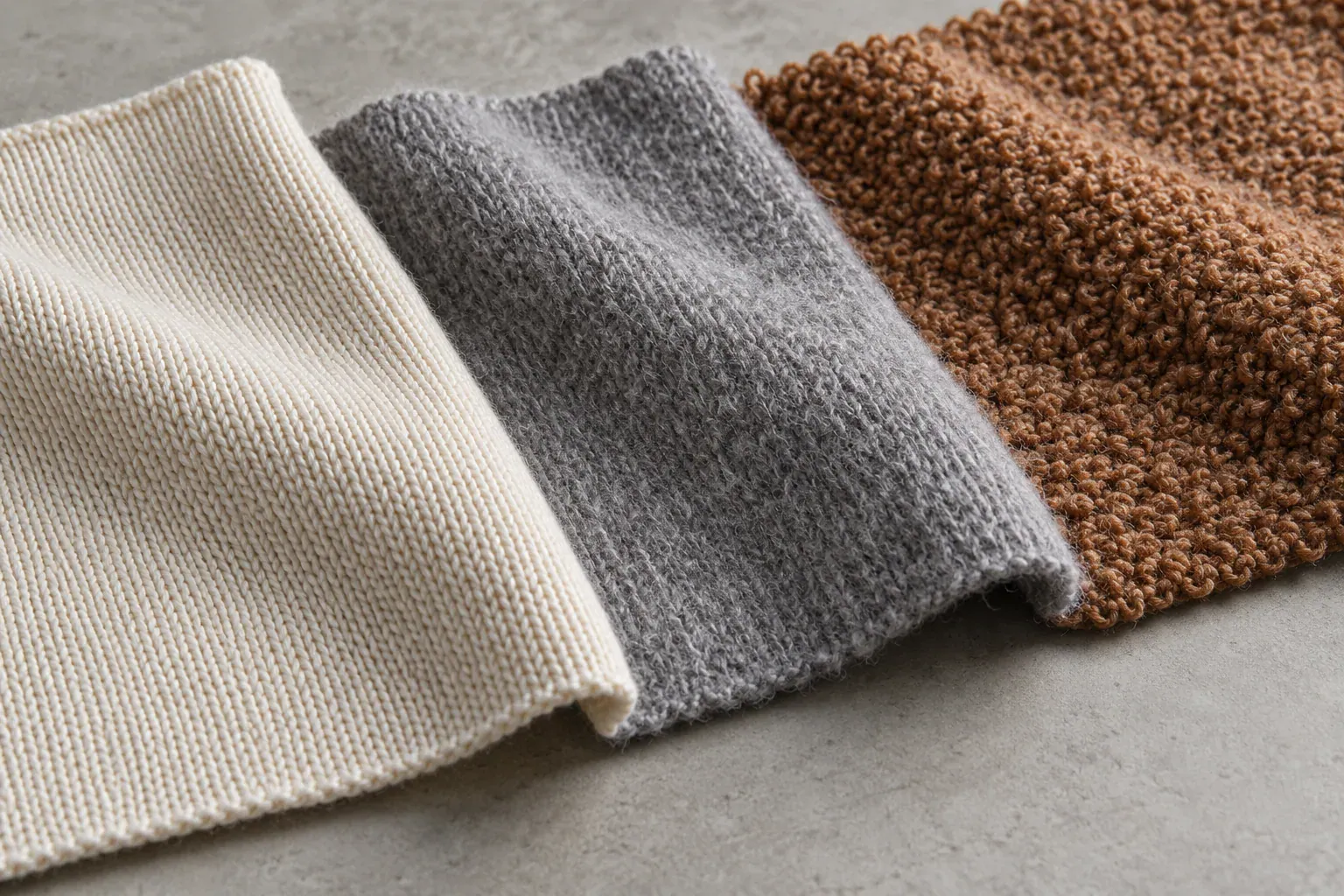
Check the finished fabric for the behavior your garment needs:
- Hand and drape: Does the swatch feel and hang like the design reference?
- Surface: Does brushing or yarn texture create the intended look without excessive loose fibers?
- Pilling and abrasion: Does the tested sample stay acceptable in the areas that rub during wear?
- Stretch and recovery: Does the fabric return after the movement expected from the garment?
- Color and dimensional change: Does the sample retain the approved shade and measurements after the agreed care process?
Test results apply to the tested construction, color, finish, and method. Other acrylic qualities need their own evidence.
Which acrylic fabric constructions are used in apparel?
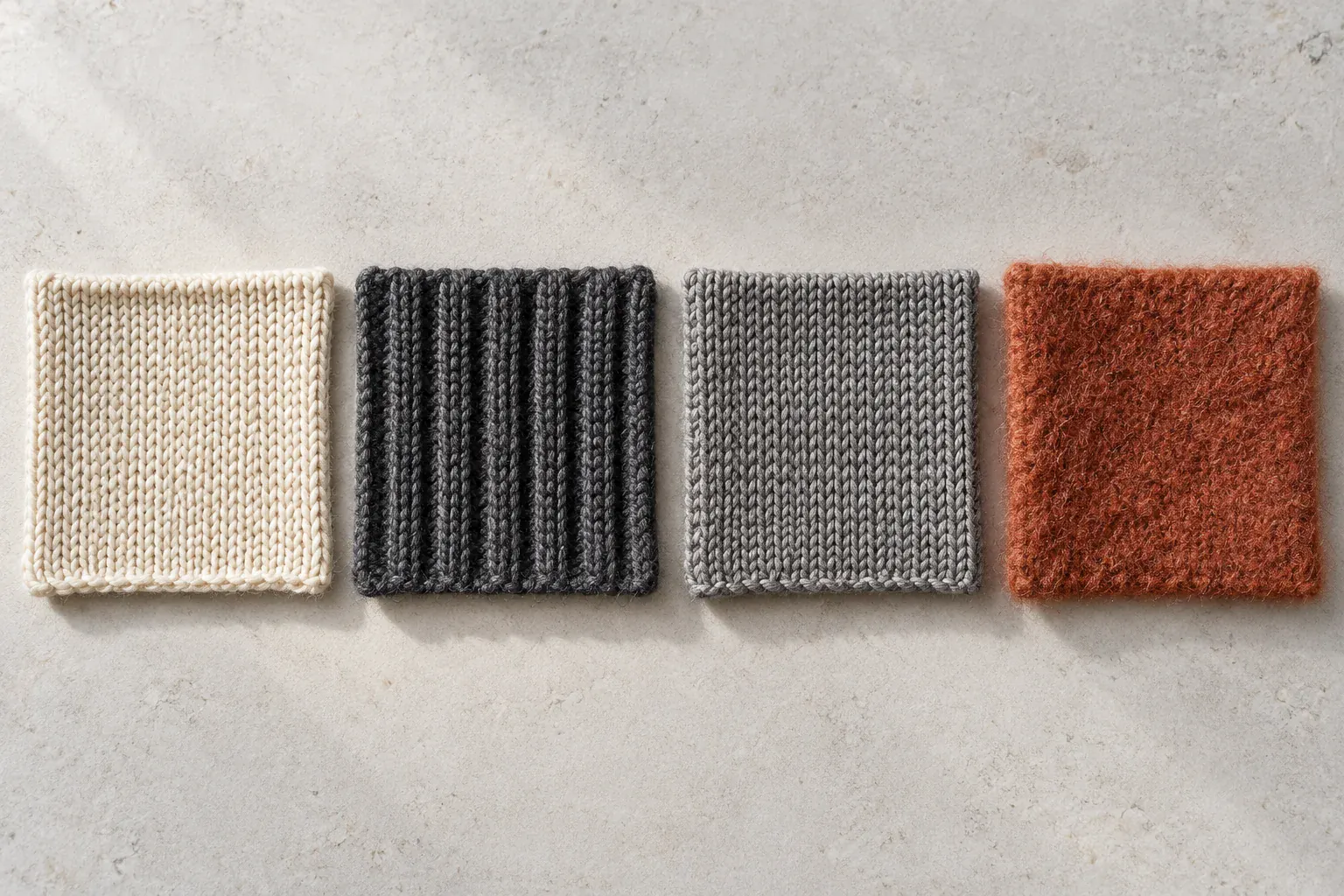
The fiber can appear in different constructions. The structure changes how a garment fits and moves, sometimes more than a broad fiber label suggests.
- Jersey can create a lighter, flexible surface. Check the finished weight, curl at the cut edge, stretch direction, and recovery for the intended silhouette.
- Rib knit has visible ribs and can be used for close-fitting panels or trims. Confirm the relaxed and stretched measurements, recovery, and color match against the body fabric.
- Interlock and other double knits can feel more stable than a single jersey, but the exact thickness and stretch depend on the yarn and knitting settings.
- Brushed or pile surfaces add loft and a fuzzy face or back. Confirm shedding, pilling, hand, bulk at seams, and the result after care.
- Woven acrylic blends may suit a different garment brief from a soft knit. Confirm whether the sample drapes, creases, and sews as required.
Use construction names as a conversation starter. Ask for a swatch and specification of the actual quality; an image alone cannot show how it will behave.
What is acrylic fabric used for?
Acrylic is commonly associated with sweaters and other knit apparel, as well as socks and jerseys. A fiber maker such as Toray also lists blankets and other non-apparel uses for its acrylic line. For clothing, judge each construction against the garment’s wear conditions.
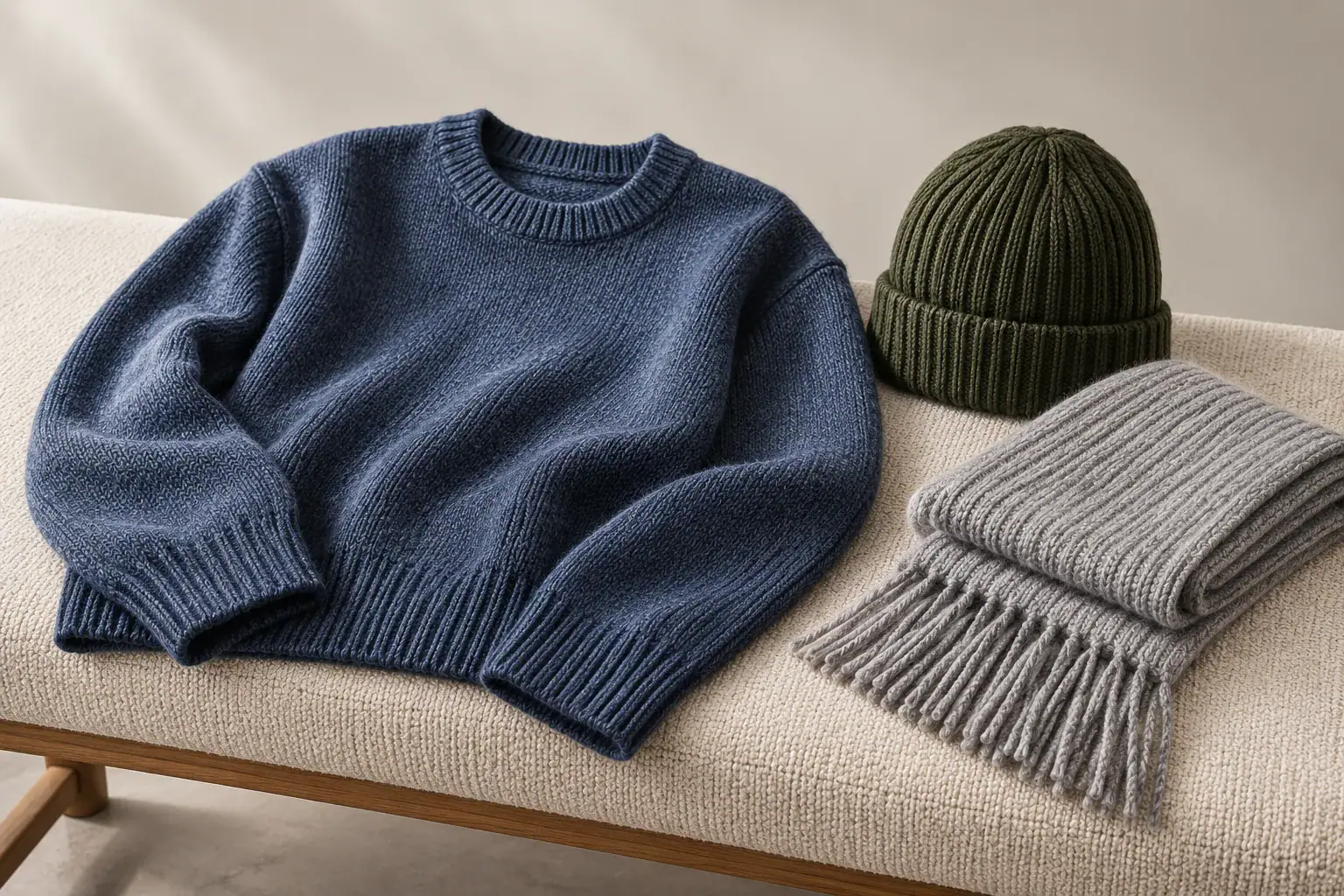
Acrylic may be worth sampling for a soft knit layer, a sweater-like surface, a color-led design, or a cool-weather style where loft is part of the brief. It may be a poor first choice when the garment depends on a verified moisture-management target, high stretch recovery, low bulk, or a particular skin feel. Those requirements need comparison against samples and test records.
Is acrylic fabric a good choice for activewear?
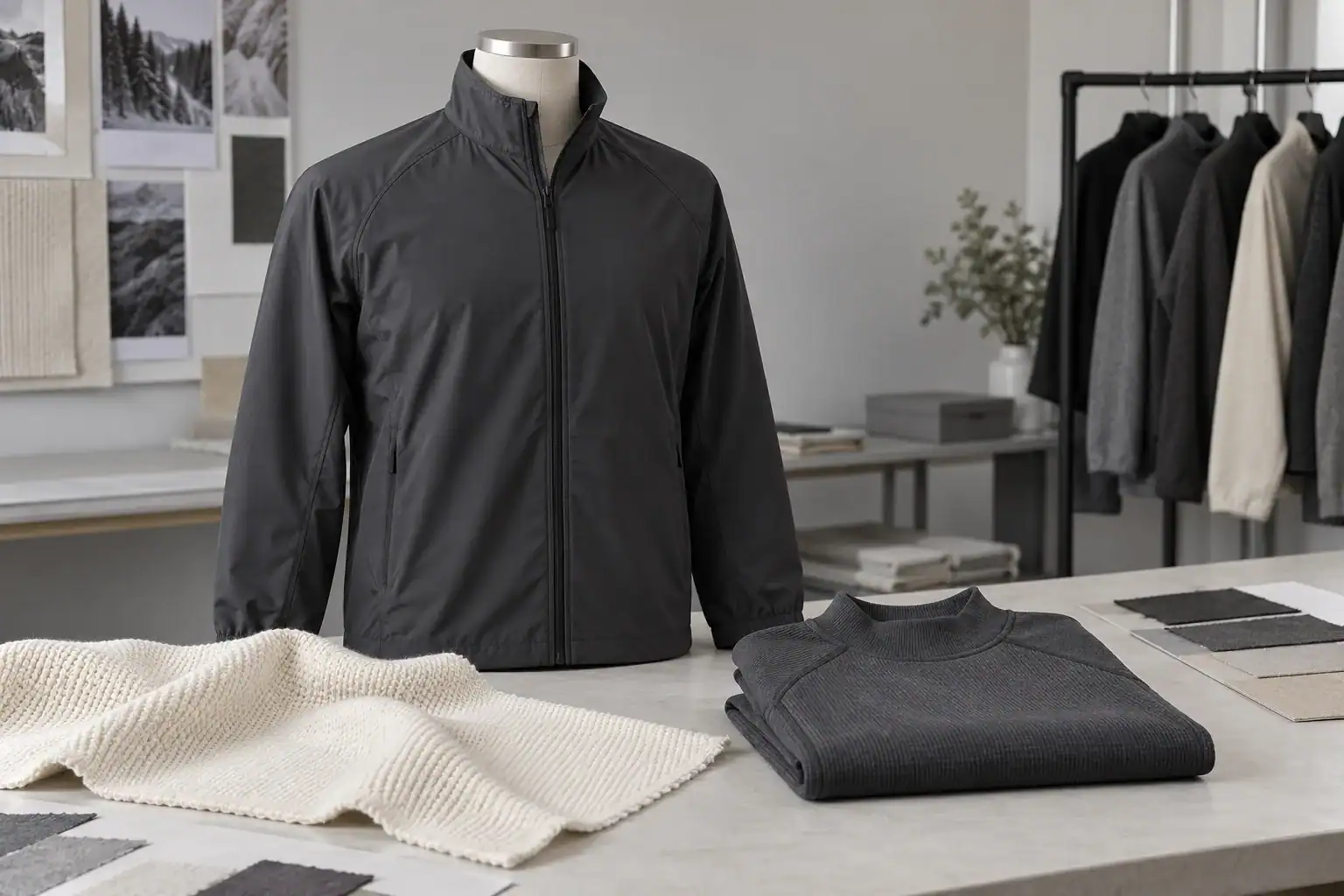
Sometimes, for the right product. A soft, warm acrylic knit could be considered for a casual layer, a warm-up piece, or another lower-sweat style. The word “activewear” covers many use cases, so the product brief should specify intensity, climate, fit, stretch, layering, and care before a fiber is shortlisted.
For tight base layers, training tops, or garments expected to move sweat away from the body, compare acrylic with fabrics already tested for those requirements. Check the proposed quality’s stretch and recovery, drying behavior, pilling, dimensional change, and comfort in a sewn sample.
A practical decision rule: keep acrylic on the shortlist when hand, loft, warmth, or color are central to the design and the sample passes the garment’s movement and care checks. If moisture handling or recovery is the main purchase reason, require direct test evidence before choosing it.
DTS lists a fabric and trim selection process for apparel projects. The public page does not identify a fixed acrylic stock quality, so availability must be confirmed for the specific design.
Acrylic vs wool vs polyester: which should you sample?
Start with the product brief because yarn, construction, weight, and finish can change how the same garment performs.
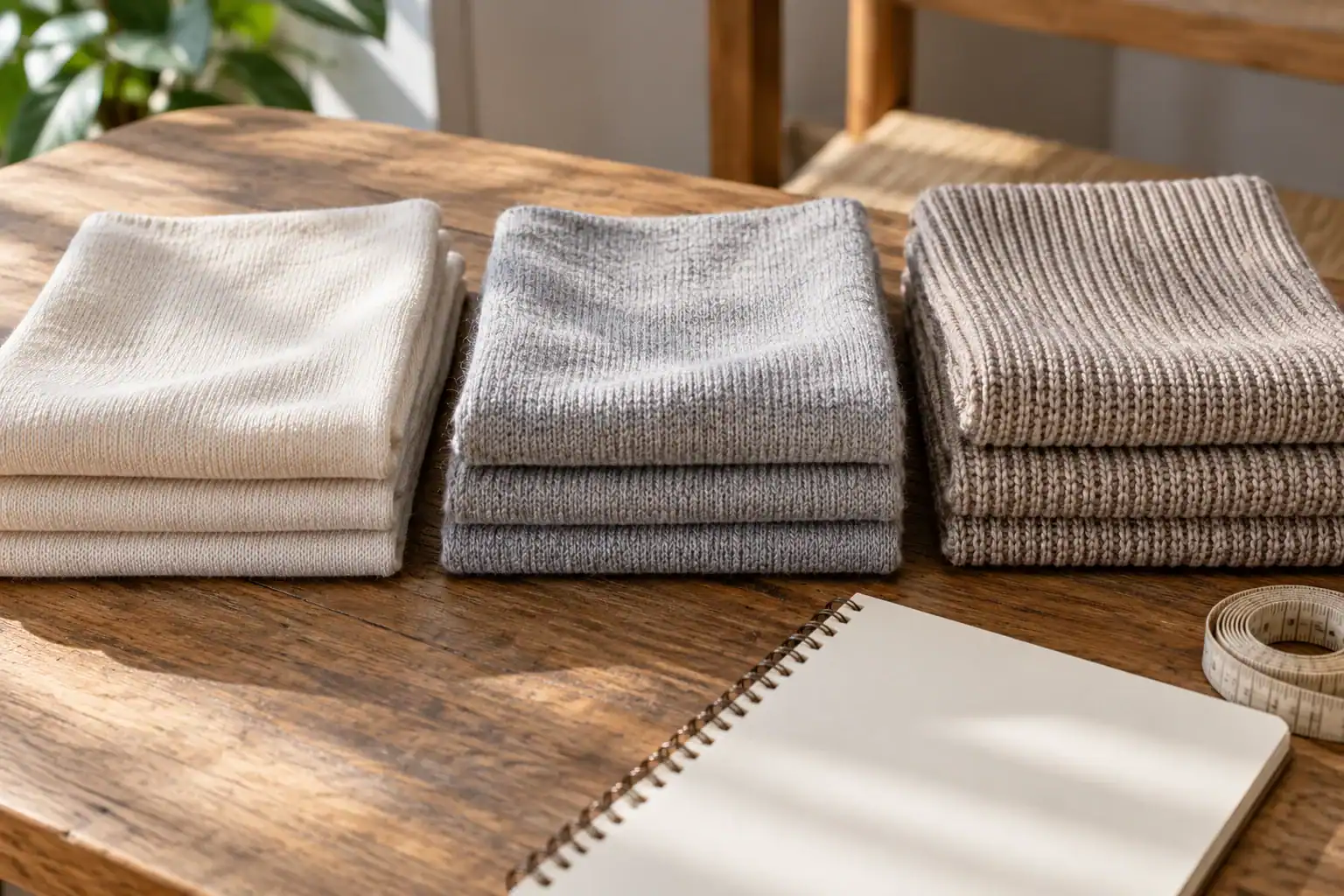
- Sample acrylic when the design calls for a soft, lofty, color-rich knit or a sweater-like hand. Check pilling, recovery, and care behavior on the final construction.
- Sample wool when the fiber identity and natural-fiber story are required. Confirm exact fiber content, care instructions, and the finished garment’s behavior.
- Sample polyester when the brief asks for a specific performance target often used in sportswear. Verify that target on the proposed fabric; the fiber name alone does not establish performance.
For a fair comparison, use swatches with similar weight and construction where possible. Record what changed between samples. Otherwise a buyer may attribute a difference to fiber when the actual cause was knit density, yarn bulk, or finishing.
Should you choose 100% acrylic or an acrylic blend?
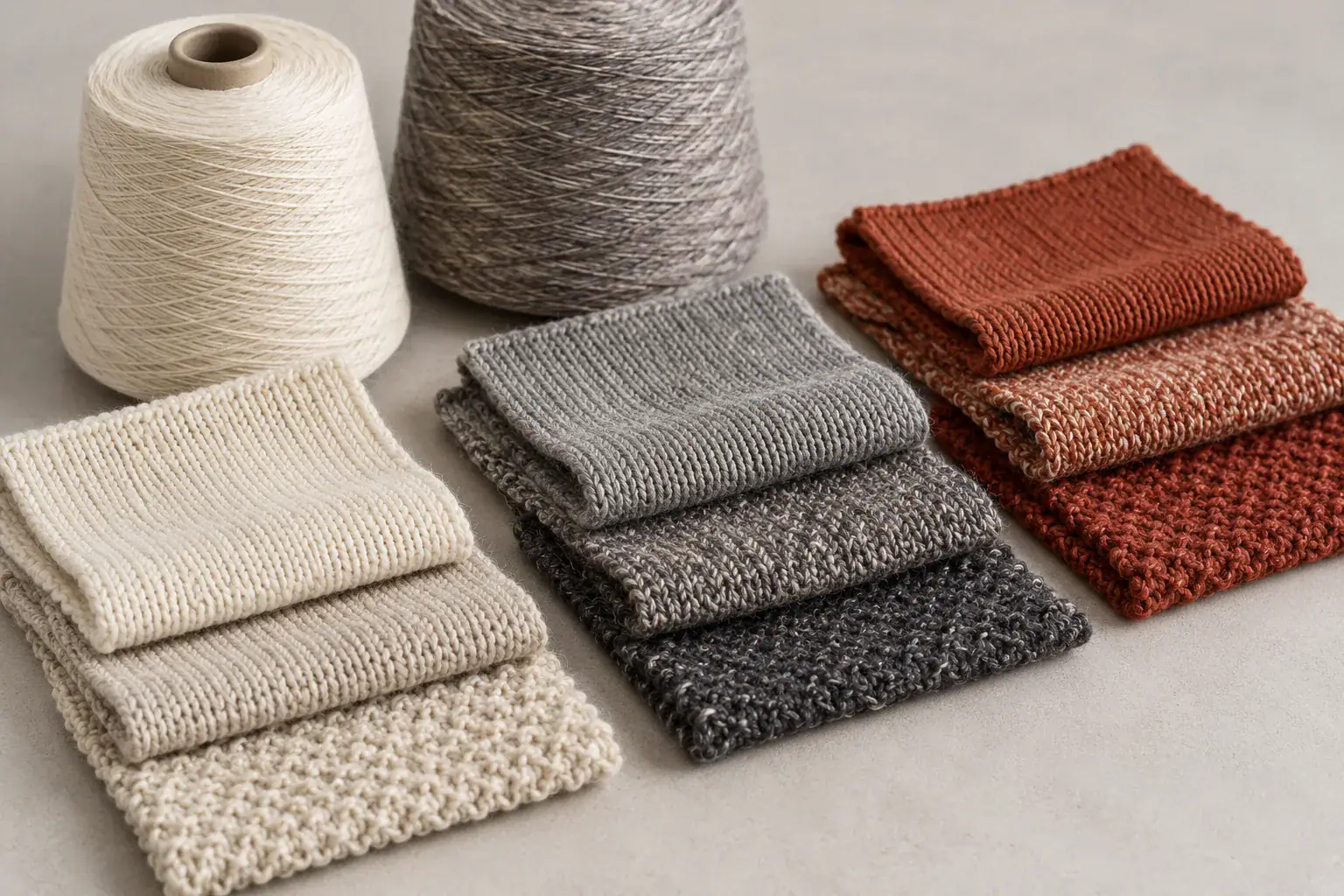
Choose the blend ratio around the garment’s target hand and performance. The effect depends on the companion fiber, proportions, yarn, construction, and finish.
Start with the outcome the design needs. If the brief calls for a particular hand, warmth, surface, stretch, or care method, ask the supplier to identify which part of the recipe is intended to deliver it. Then review the exact percentages and test the finished sample. Avoid accepting “acrylic blend” as enough detail for a tech pack or a product label.
When a supplier proposes a substitute blend, request a new swatch and updated composition record. Do not treat a similar appearance as proof that the replacement will sew, fit, or wash the same way.
Is acrylic fabric warm, breathable, or stretchy?
The answer depends on the finished construction and garment design.
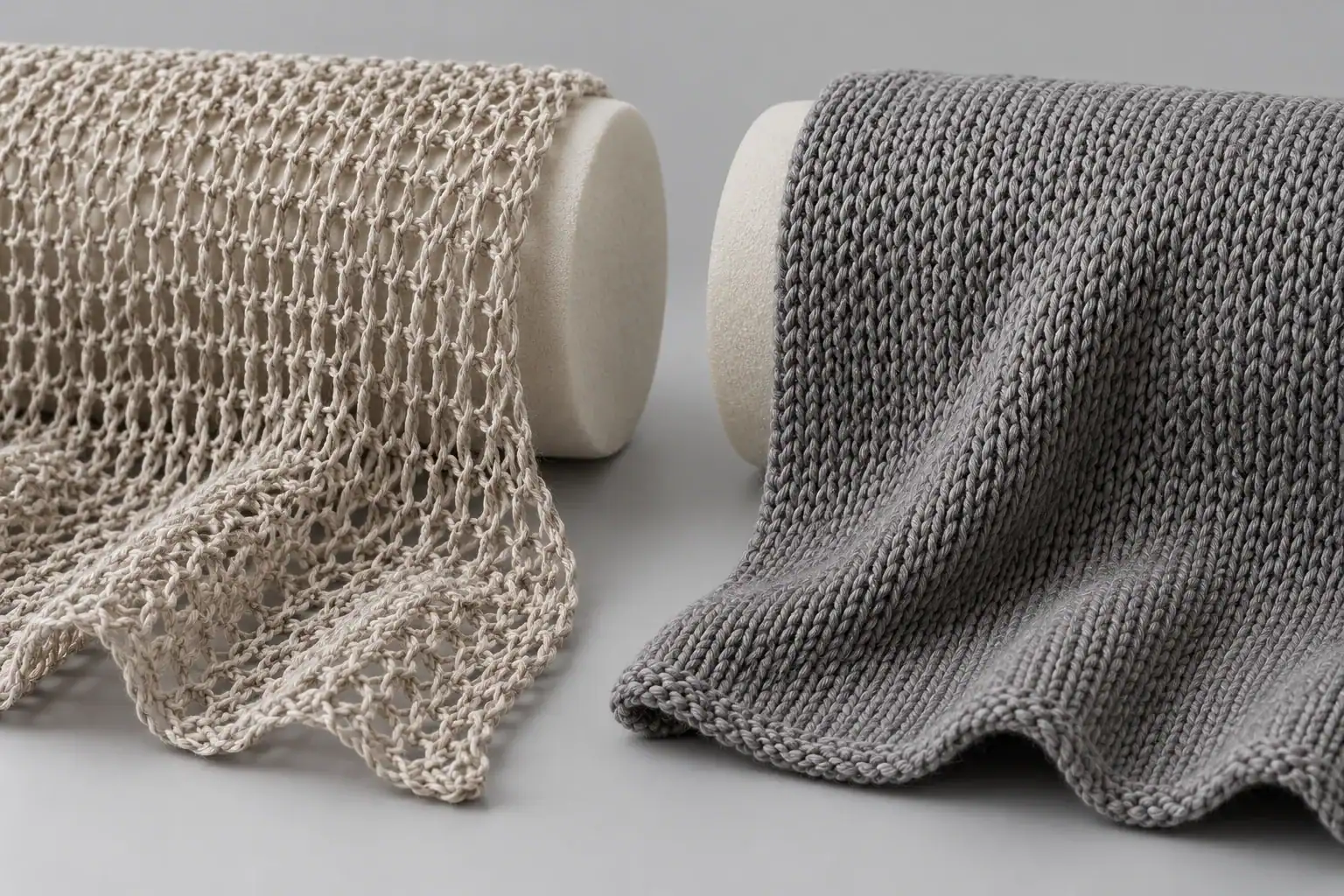
- Warmth depends on the fabric’s thickness, loft, density, construction, and how the garment is layered. Compare finished samples in the intended weight and use.
- Breathability changes with knit openness, thickness, surface, and the garment’s fit. Ask for a test that matches the product claim if airflow is part of the brief.
- Stretch depends on construction and any elastic fiber in the recipe. A rib may extend more than a dense jersey, and extension alone does not tell you how well it recovers.
Use the same garment or a consistent sample pattern when comparing materials. A fabric swatch can screen hand and surface, but a sewn sample is more useful for fit, movement, seam behavior, and bulk.
What belongs in an acrylic fabric specification?
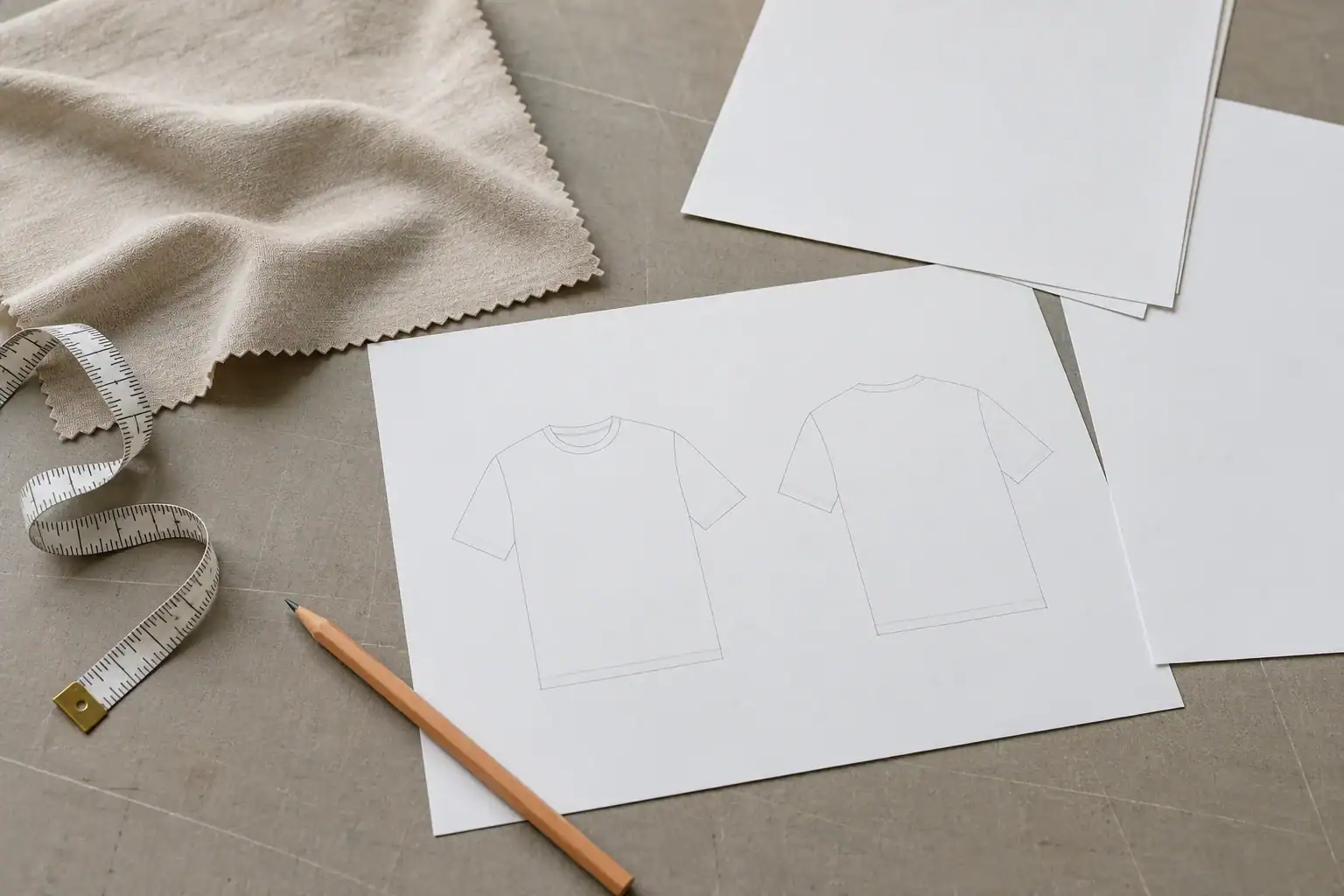
Put enough detail in the tech pack for the development team to identify the intended fabric and flag an unsuitable substitute. A useful starting list is:
- Fiber names and target percentages by weight.
- Yarn description and knit or woven construction.
- Finished weight and how it will be measured.
- Fabric width or usable width where it affects marker planning.
- Color reference, approval method, and shade variation requirements.
- Surface or finish requirements, including brushing if requested.
- Stretch and recovery direction or garment measurement requirements.
- Pilling, abrasion, colorfastness, and dimensional-change tests that matter to the use case.
- Care-label direction, quantity, size breakdown, and the required sample stage.
Avoid entering test limits from another fabric or garment. Set the method and acceptance level with the supplier for the target market and product, then apply them to the actual quality.
How should you approve an acrylic garment sample before bulk?
Use the sample to confirm that the finished material and garment match the project brief.
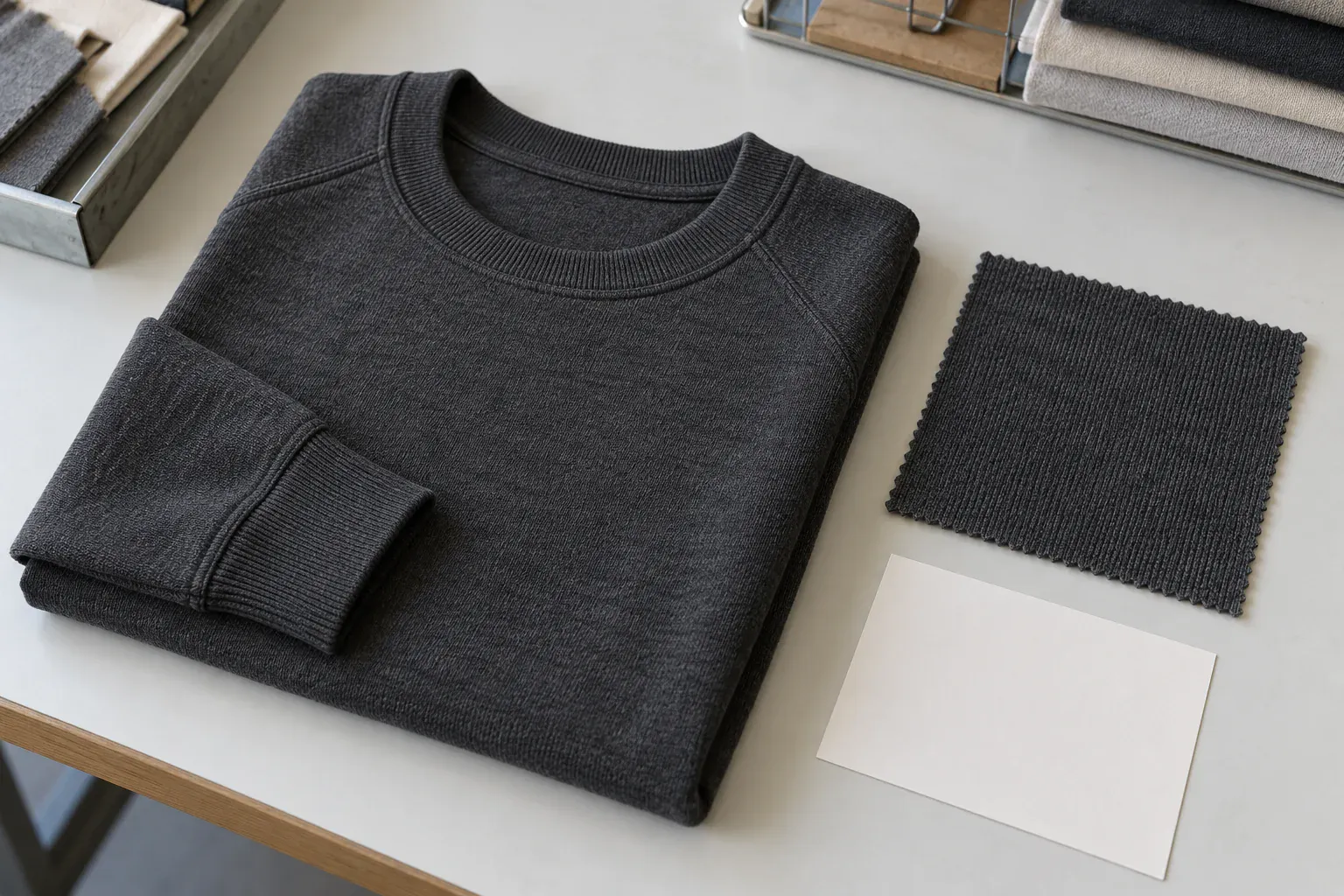
- Confirm identity. Match the swatch and sample to the written fiber percentages, construction, weight, color, and finish.
- Review the garment. Check drape, fit, seams, cuffs, collars, and high-friction areas on the intended pattern.
- Run agreed checks. Use the care, pilling, abrasion, color, and dimensional-stability checks relevant to the garment. Record the method and result.
- Compare after care. Check measurements, surface, shade, and recovery against the approved reference.
- Lock the approval record. Keep the signed sample or reference swatch and written spec together. Ask the supplier to confirm whether a production lot will match the approved material.
A failed check gives the team a place to start. The next change may involve the blend, structure, finish, garment pattern, or care direction.
DTS outlines its quality-control process for requirements confirmed on individual orders. Confirm which checks apply to the proposed fabric and sample.
What should U.S. apparel buyers check on labels and care claims?
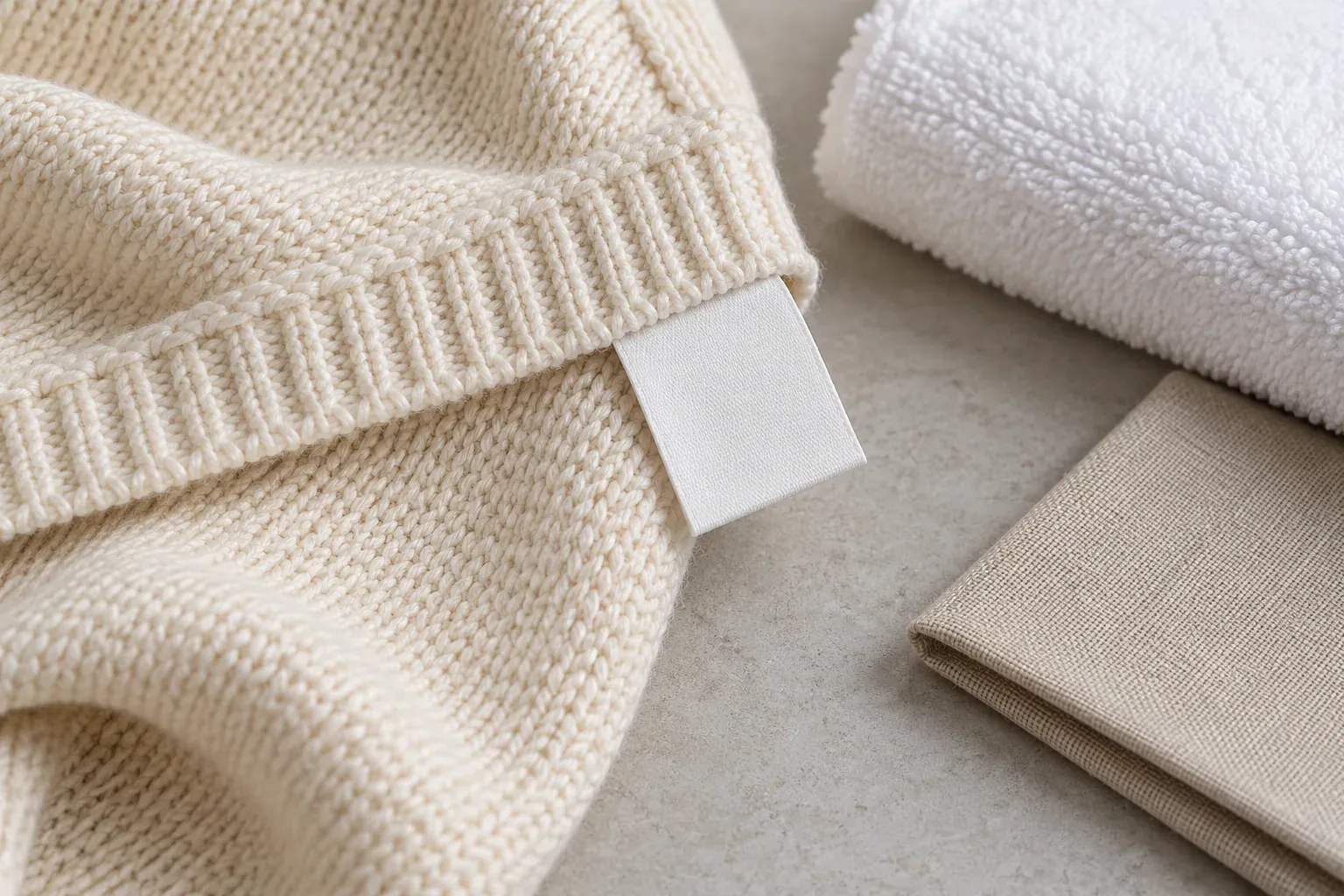
Confirm that the finished garment’s fiber statement matches the actual composition. The FTC’s textile labeling guide explains fiber-content and country-of-origin disclosure requirements for covered products. Follow current rules for the product and market; old label copy may not fit a changed composition.
Set care instructions from tests on the finished fabric and garment. If the supplier changes the blend, dye route, finish, or knit structure, review the care and product claims again.
Describe a product as wool only when its fiber content supports that name. Keep marketing, fiber content, and label copy consistent when an acrylic knit has a wool-like feel.
Acrylic fabric questions buyers ask
It is a textile made from manufactured acrylic fiber. U.S. labeling rules define the generic fiber name by polymer composition. Fabric construction and finished performance still need their own specification.
No. The U.S. regulation gives acrylic and modacrylic separate composition definitions. Confirm the exact generic fiber name and percentage on the supplier’s material record. The name alone does not establish that a finished garment meets a flame-performance requirement.
It can extend when the construction allows it, but stretch and recovery vary by knit or weave, yarn, and blend. Measure the exact fabric in the direction the garment needs and check it again after care.
It can be considered for some cool-weather or casual layers. For sweat-management or high-stretch garments, request evidence from the proposed fabric and review a sewn sample before making the decision.
Acrylic fibers appear in knit apparel such as sweaters, socks, and jerseys. Particular fiber lines and fabric constructions may have other uses. Confirm the intended end use and performance on the actual sample.
Send a sketch or reference, target fiber percentages, knit or woven construction, weight, color, finish, size range, quantity, decoration, label needs, and delivery market. If some details are unknown, mark them for review instead of guessing.
Approve the finished sample against the garment brief
Acrylic can suit a garment when the finished construction delivers the intended hand, warmth, color, and movement. Base the purchase on the exact composition and a sample that passes the project’s agreed fit, care, surface, and performance checks.
DTS’s fabric and trim selection page introduces material choices. Its tech-pack page and sample-development page explain later project steps. For an acrylic inquiry, include the garment type, target blend, weight, construction, color reference, order quantity, and intended use. DTS can confirm availability and sample requirements for that brief.
Related fabric guides
- Types of Fabric: 24 Clothing Fabrics and Buyer Specs
- Best Fabric for Activewear: A Brand Buyer's Guide
- What Is Jersey Fabric? Knit Structure, Stretch, Weight and Buyer Specs
- What Is French Terry Fabric? Weight, Stretch, Fleece vs Terry and Buyer Specs
- What Is Microfiber Fabric? Uses, GSM, Stretch and Buyer Specs
- Cotton Fabric: Types, Properties, Uses and Buyer Guide