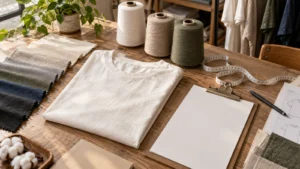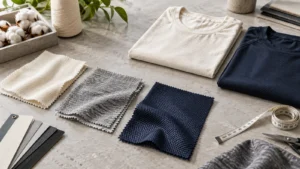
Short answer: Supima cotton is an American-grown, extra-long staple cotton promoted under the SUPIMA trademark. Its longer fibers can support smoother yarns, softness, strength, and color retention, but the name alone does not specify a finished garment’s GSM, knit structure, stretch, moisture management, pilling result, or fit. For an apparel buyer, Supima is a fiber and provenance question first, then a fabric-development question.
If you are researching what is Supima cotton for a clothing line, start with the distinction between a fiber identity and a finished fabric. A Supima cotton jersey, interlock, rib, woven poplin, or cotton blend can behave differently because construction, yarn, finishing, and garment pattern change the result. A useful supplier conversation therefore asks two questions at the same time: can the material claim be verified, and does the finished fabric meet the product brief?
This guide explains the term in plain language, compares Supima with Pima and regular cotton, and gives a practical checklist for activewear, premium basics, private-label apparel, and other products that need a clear material story.
What is Supima cotton?
Supima cotton is a branded form of American-grown extra-long staple cotton. Supima’s official FAQ describes it as cotton grown in the United States and identifies the extra-long staple fiber as the source of its premium positioning. Supima also says that the fiber represents less than 1% of cotton grown worldwide. That figure is a description from the brand association, not a purchasing specification for a finished shirt.
The important terms are:
- Cotton: the generic fiber name that should appear in a fiber-content statement when the product contains cotton.
- Extra-long staple, or ELS: a description of longer cotton fibers. Staple length can influence yarn smoothness and strength, but it does not define every finished-fabric property.
- Pima: a term used in the market for certain fine cottons. It is not automatically proof that the cotton is Supima or that the product is authorized to use the SUPIMA name.
- SUPIMA: a brand and trademark used for American-grown extra-long staple cotton programs. A buyer should verify the current supply-chain and trademark requirements before using the name in product copy, labels, or hangtags.
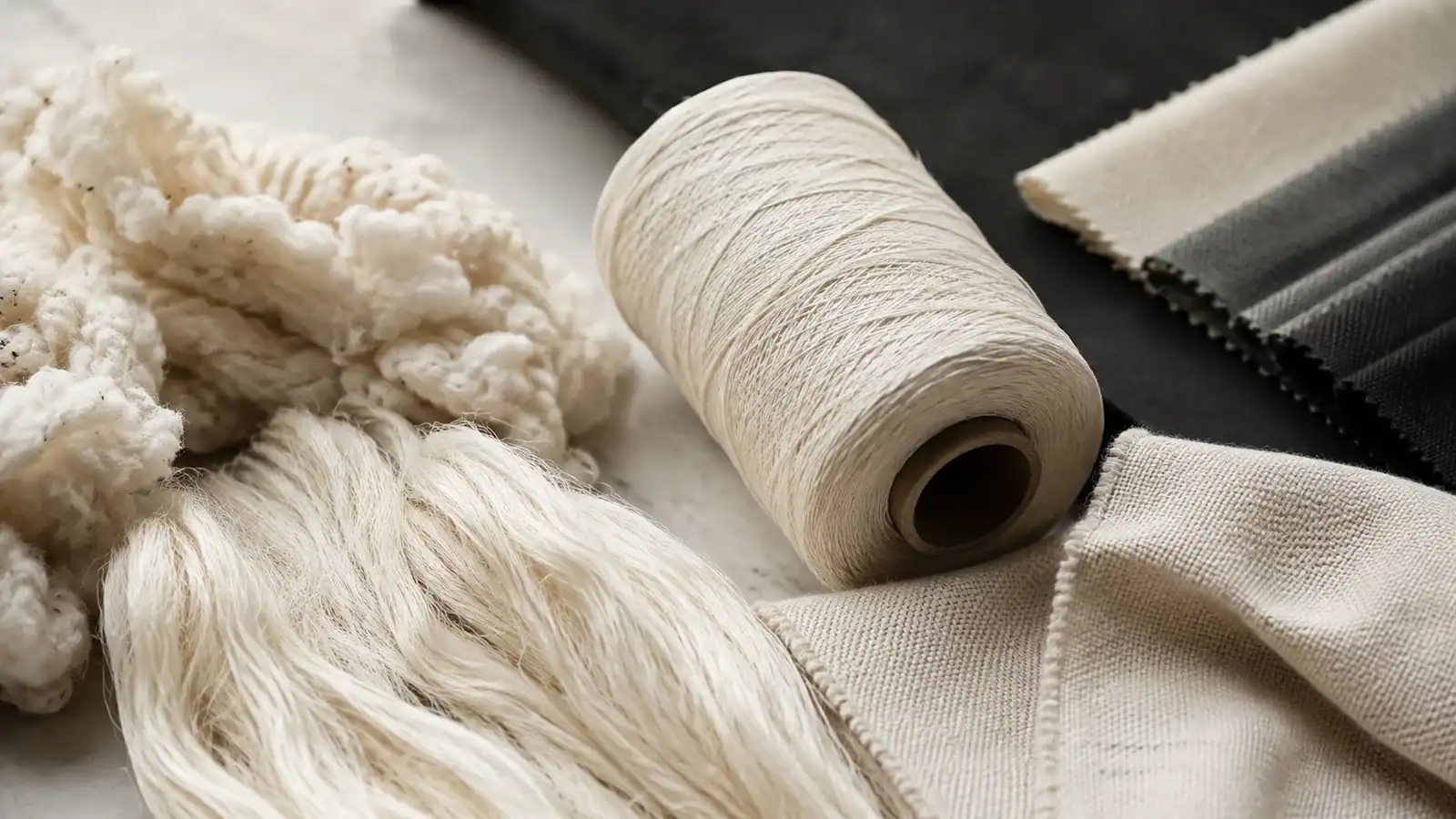
Supima’s fiber overview connects the longer fiber with smoother yarns, a softer hand, strength, and color behavior. Those are useful reasons to investigate the fiber. They are not a substitute for approving the actual yarn, fabric construction, finish, color, and garment sample.
What is the difference between Supima, Pima, and regular cotton?
For a sourcing team, separate the terms this way: Supima is a specific branded cotton program, Pima is a broader market term, and regular cotton is a generic category that covers many fiber qualities and origins. They should not be treated as interchangeable labels.
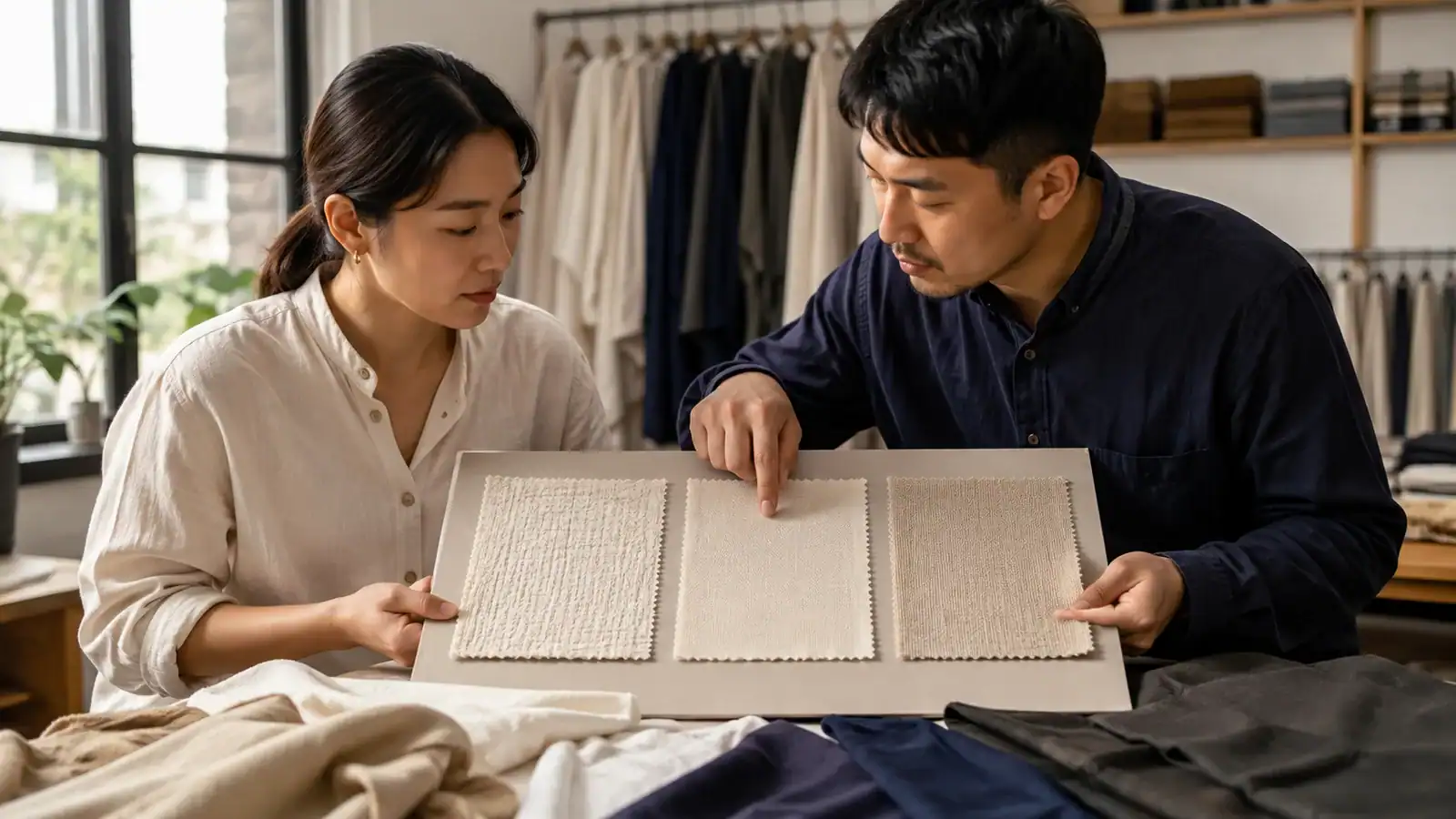
Use this buyer-friendly distinction:
- Supima cotton: American-grown extra-long staple cotton associated with the SUPIMA brand. Current use of the trademark should be checked through the approved supply chain and the product’s authorization route.
- Pima cotton: a market term that may refer to fine cotton, but the word by itself does not confirm the exact origin, staple classification, supply-chain authorization, or finished-fabric construction.
- Regular cotton: a broad category. It may be suitable for many products, but the word does not tell you the staple length, yarn quality, construction, finish, or test result.
Supima’s FAQ also makes this distinction between Supima and Pima: Pima can be a generic term for better cotton at retail, while SUPIMA refers to American-grown extra-long staple cotton sourced through a licensed supply chain. For a commercial program, keep the supplier’s material description, purchase documents, test records, and label wording together rather than relying on a product title alone.
CottonWorks’ Pima cotton reference places American Pima within the extra-long staple range. That fiber classification is useful context, but it does not by itself prove that a product is authorized to use the SUPIMA name.
The comparison does not mean every Supima garment will outperform every other cotton garment. A well-made conventional cotton tee can be a better choice for a price-sensitive product, while a Supima program may make sense when the brand needs a traceable premium fiber story, a particular hand feel, or a longer-wearing basic. The correct choice depends on the garment’s target, not on a premium word in isolation.
What does Supima cotton feel like in finished fabric?
Supima cotton is often associated with a soft, smooth hand because longer fibers can produce cleaner yarn surfaces. Supima materials also describe strength and color retention as key properties. In a finished garment, however, the hand feel is shaped by more than fiber length.

Ask which of these variables is actually creating the result you like:
- fiber length and quality
- yarn count, spinning method, and yarn evenness
- single jersey, interlock, rib, fleece, or woven construction
- fabric weight and usable width
- compacting, enzyme wash, brushing, softening, or other finish
- dye route and color depth
- blend ratio when elastane, polyester, or another fiber is added
- garment pattern, seam construction, and wash treatment
In an RFQ, the phrase "Supima cotton fabric" is incomplete. The supplier still needs to know whether you want a lightweight tee, a structured oversized top, a soft base layer, a rib trim, or another product. DTS’s jersey clothing material guide explains why knit type, GSM, stretch, and finish should be recorded separately from the fiber name.
Is Supima cotton good for activewear?
It can be a strong candidate for premium tees, training lifestyle pieces, base layers, recovery garments, and casual activewear where a natural-fiber hand feel matters. It is not automatically the best choice for every high-sweat or high-stretch product.
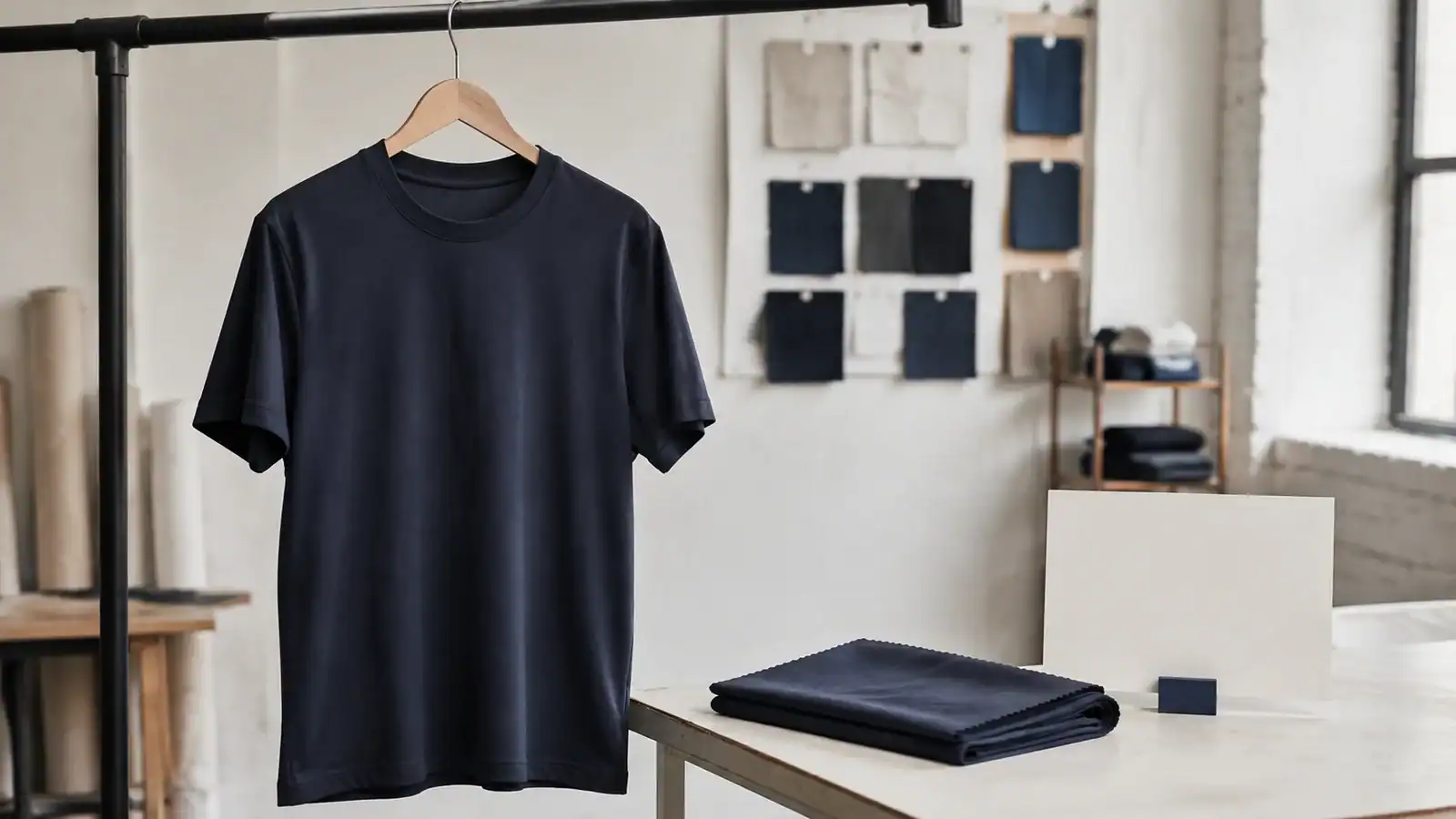
For a training product, review the complete fabric system before committing. A cotton-rich material may offer a comfortable hand and a familiar natural-fiber story, but the buyer may also need faster drying, stretch recovery, abrasion resistance, opacity, or shape retention. Those outcomes depend on construction, blend, finish, and testing. Use DTS’s best fabric for activewear guide as a comparison framework, not as a reason to assume one fiber is universal.
Supima may be worth sampling when:
- the product is a premium tee, relaxed training top, lifestyle set, or soft base layer
- the brand wants a named cotton story that can be documented
- the product’s performance promise does not depend on maximum moisture transport or high compression
- the buyer is prepared to approve the exact construction and care behavior
- color, softness, and repeatable hand feel are important to the collection
Consider another construction or a blend when the garment requires high four-way stretch, rapid drying, heavy sweat exposure, intense abrasion, or a very stable compression fit. Do not decide from the word cotton alone. Define the actual product job and then compare material routes.
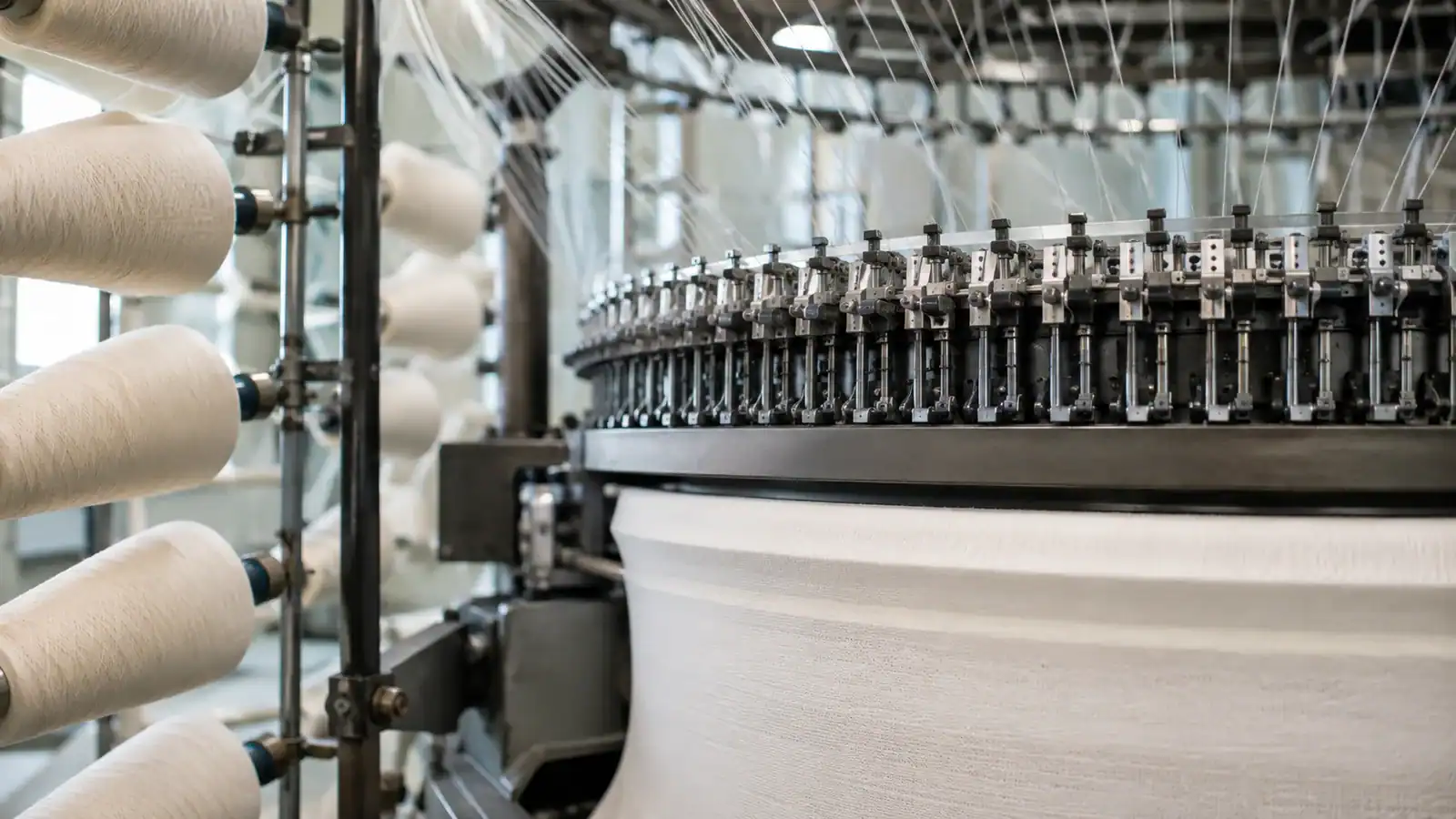
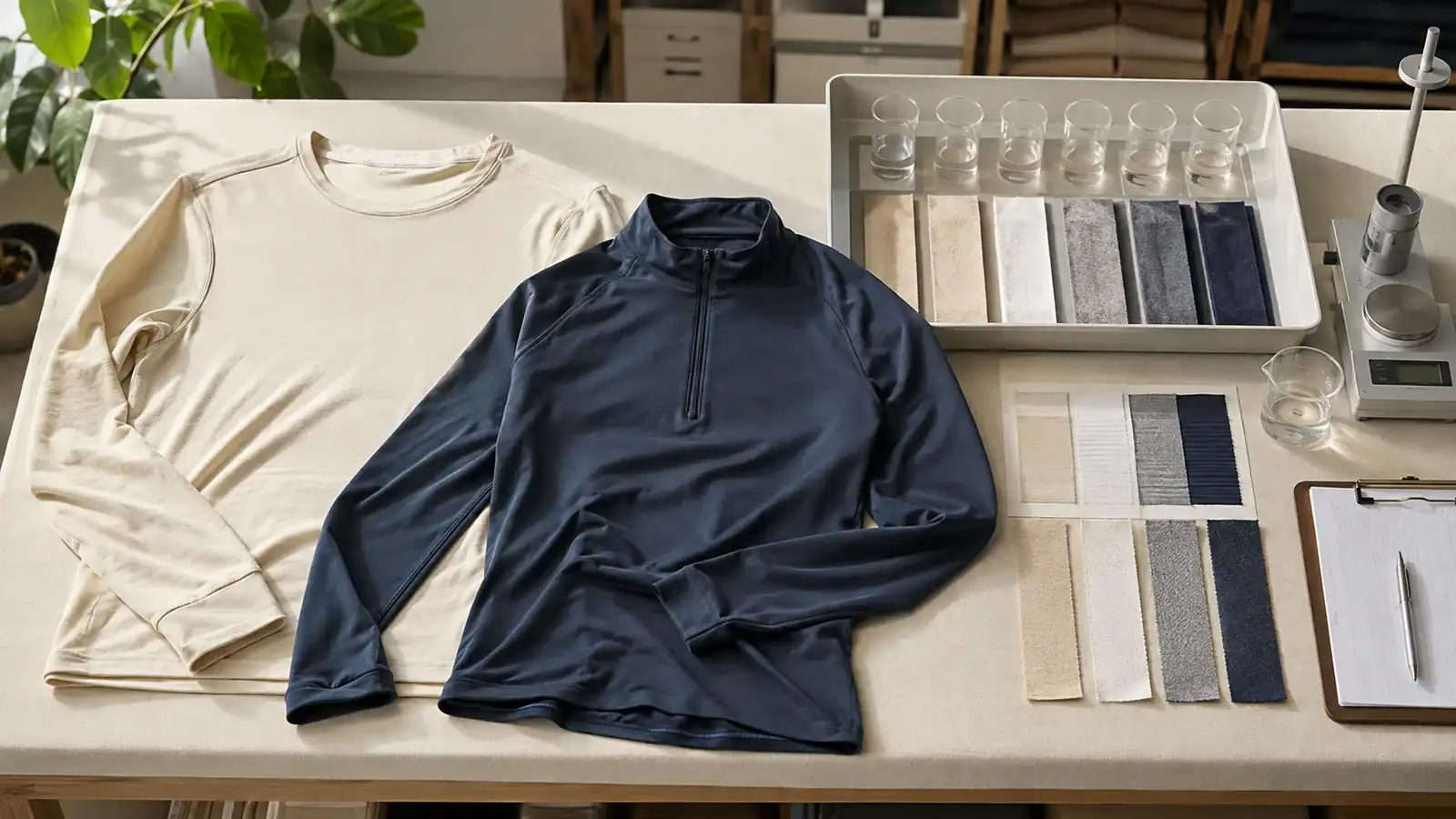
If moisture management is part of the product promise, specify the target test and review the result on the proposed fabric. DTS’s moisture-wicking fabric guide explains why wicking is a fabric-level behavior rather than a conclusion that can be drawn from the word Supima.
What should be in a Supima cotton fabric specification?
A good specification makes the fiber claim, fabric construction, garment use, and acceptance criteria readable to the product developer, supplier, quality inspector, and future reorder team. Record open decisions instead of filling them with invented numbers.

Include these fields in the first fabric brief or RFQ:
- Fiber composition: state the proposed percentage of cotton, elastane, polyester, or other fibers. If the program uses Supima, identify how the supplier will document the material and whether the finished product may use the SUPIMA name.
- Fiber and yarn description: record whether the yarn is combed, compact, ring-spun, open-end, or another construction, when that detail affects the hand feel or price. Ask the supplier to state which details are confirmed and which are proposed.
- Fabric construction: specify single jersey, interlock, rib, fleece, woven, or another structure, plus face and back appearance.
- GSM and width: define a target weight or range, usable width, tolerance, and the measurement point. DTS’s GSM meaning guide can help a new buyer separate fabric weight from thickness and garment weight.
- Stretch and recovery: state the direction, target stretch, recovery expectation, and test or measurement method when the garment needs movement or a close fit.
- Finish and wash: list compaction, softening, enzyme wash, brushing, peaching, silicone finish, or other treatment only when it is part of the approved sample.
- Color and shade approval: provide a physical reference, color standard, lab-dip process, and acceptable shade variation. Fiber identity does not remove the need for color approval.
- Testing and care: state the required dimensional stability, pilling, colorfastness, abrasion, stretch, moisture, or other tests, then confirm the care label against the finished garment.
For a tee, the fabric specification should sit beside the garment measurement chart. A soft 180 GSM jersey and a structured 240 GSM jersey can both be made from cotton, but they will not create the same silhouette, opacity, drape, or shipping weight.
How do you verify a Supima cotton claim?
Verification should cover three separate questions: is the fiber description accurate, is the trademark use authorized, and does the finished garment meet the approved specification?

Start with the supplier’s documentation and ask for:
- the generic fiber content and blend percentage
- the source and transaction path for the Supima material
- the name of the spinner, mill, or upstream partner where relevant
- current confirmation of the authorization route for SUPIMA trademark use
- the fabric construction, GSM, width, finish, and test plan
- a clear statement when the supplier is offering a substitute or non-branded extra-long staple cotton
Supima’s current licensing information describes its AQRe project and the need for supply-chain participation for products carrying the SUPIMA trademark. Because programs and authorization procedures can change, confirm the current route directly with Supima and the participating supply-chain partners before printing hangtags, packaging, or marketing claims.
For US-bound products, the FTC says most textile products need a label showing a fiber-content disclosure, the product’s origin, and the responsible manufacturer or marketer. The FTC textile labeling rule also provides the generic fiber and percentage context. Treat this as a compliance review prompt for the brand or importer responsible for the market, not as a substitute for professional legal advice.
Do not use a supplier’s phrase "Supima quality" as if it were proof of authorized SUPIMA content. If the material is actually Pima, extra-long staple cotton without the trademark program, or a cotton blend, the product copy and label should say what the documentation supports.
How should you test and approve a Supima cotton sample?
Approve the fabric and the garment together. A swatch can feel excellent while the finished product twists, shrinks, stretches out, shows through, or loses its intended shape after care.
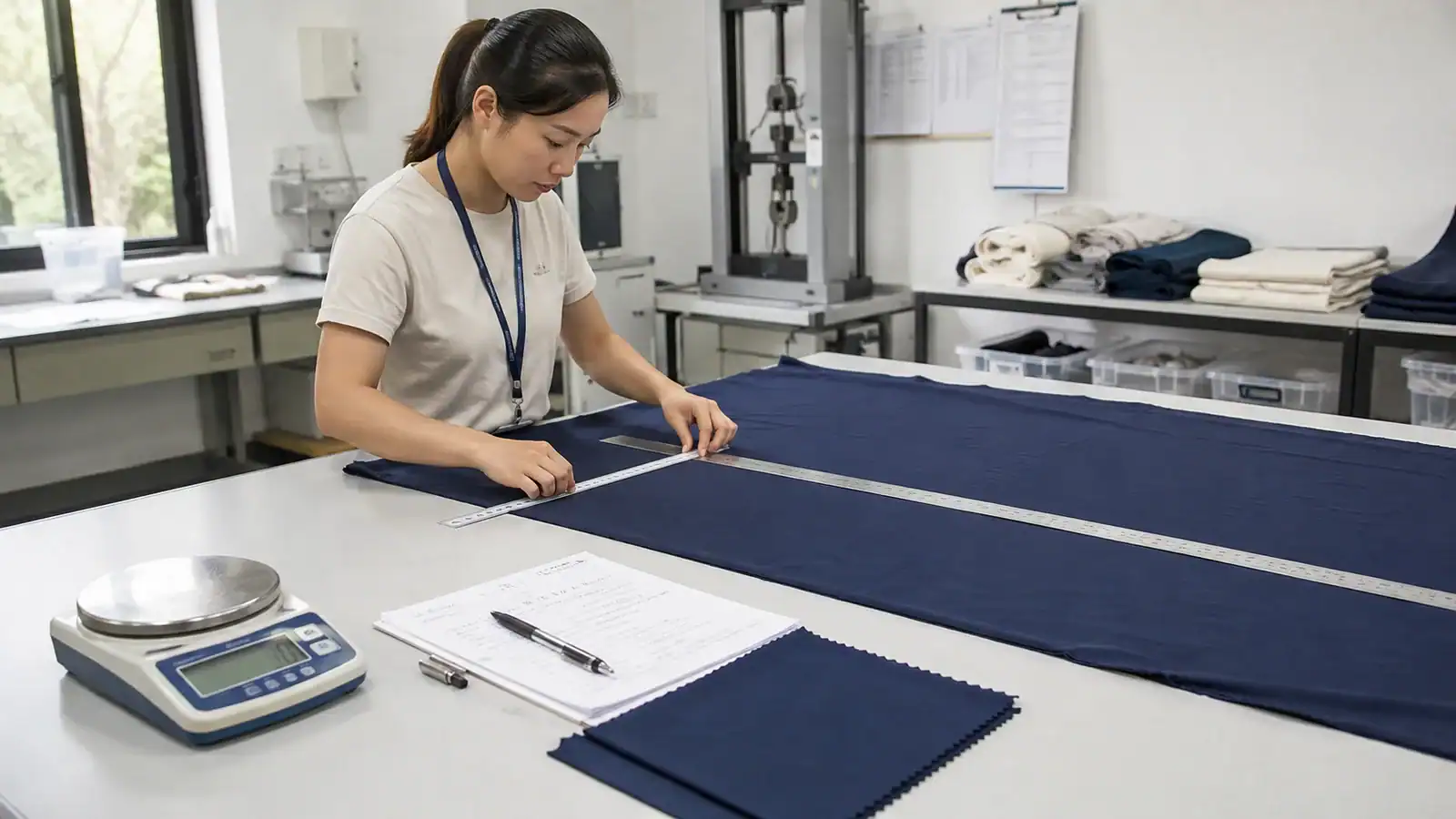
Use this sample sequence:
- Composition and construction: compare the submitted composition and construction with the brief. Check face, back, stitch density, rib direction, seams, and panels.
- GSM and width: measure the fabric with the agreed method. Record whether the result is within the target range and whether the usable width supports the marker plan.
- Hand feel and coverage: review softness, drape, cling, opacity, surface hair, and seam behavior on the intended garment.
- Dimensional stability: measure length and width before and after the agreed wash or care cycle. Check shrinkage, skew, spirality, and pattern alignment.
- Color and fastness: compare the approved shade under consistent lighting, then check the colorfastness tests relevant to the target market and care instructions.
- Stretch and recovery: if the garment uses elastane or a fitted pattern, test the intended direction and check recovery after repeated extension and care.
- Pilling and abrasion: test the finished fabric or garment using the method and acceptance level agreed in the development record. Do not turn a fiber name into a universal anti-pilling promise.
- Fit and care label: wash the complete sample with the intended trims, print, embroidery, labels, and thread. Confirm the care direction after the test, not before it.
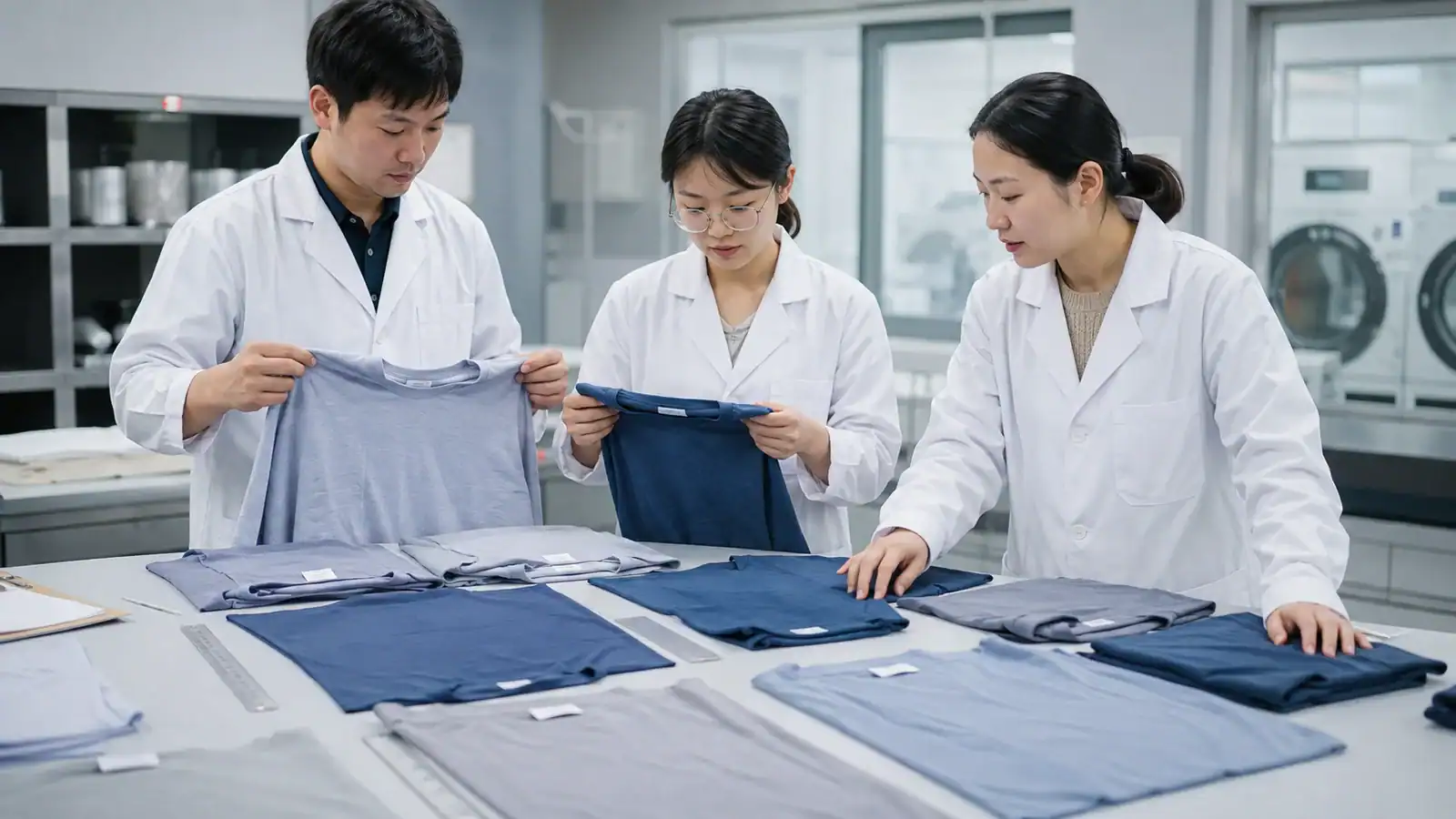
Keep the approved swatch, lab dip, sample comments, test reports, and final composition statement in the same product record. If the supplier changes yarn, mill, blend ratio, finish, or dye route, treat it as a new approval question rather than a routine reorder.
What should you ask a Supima cotton supplier?
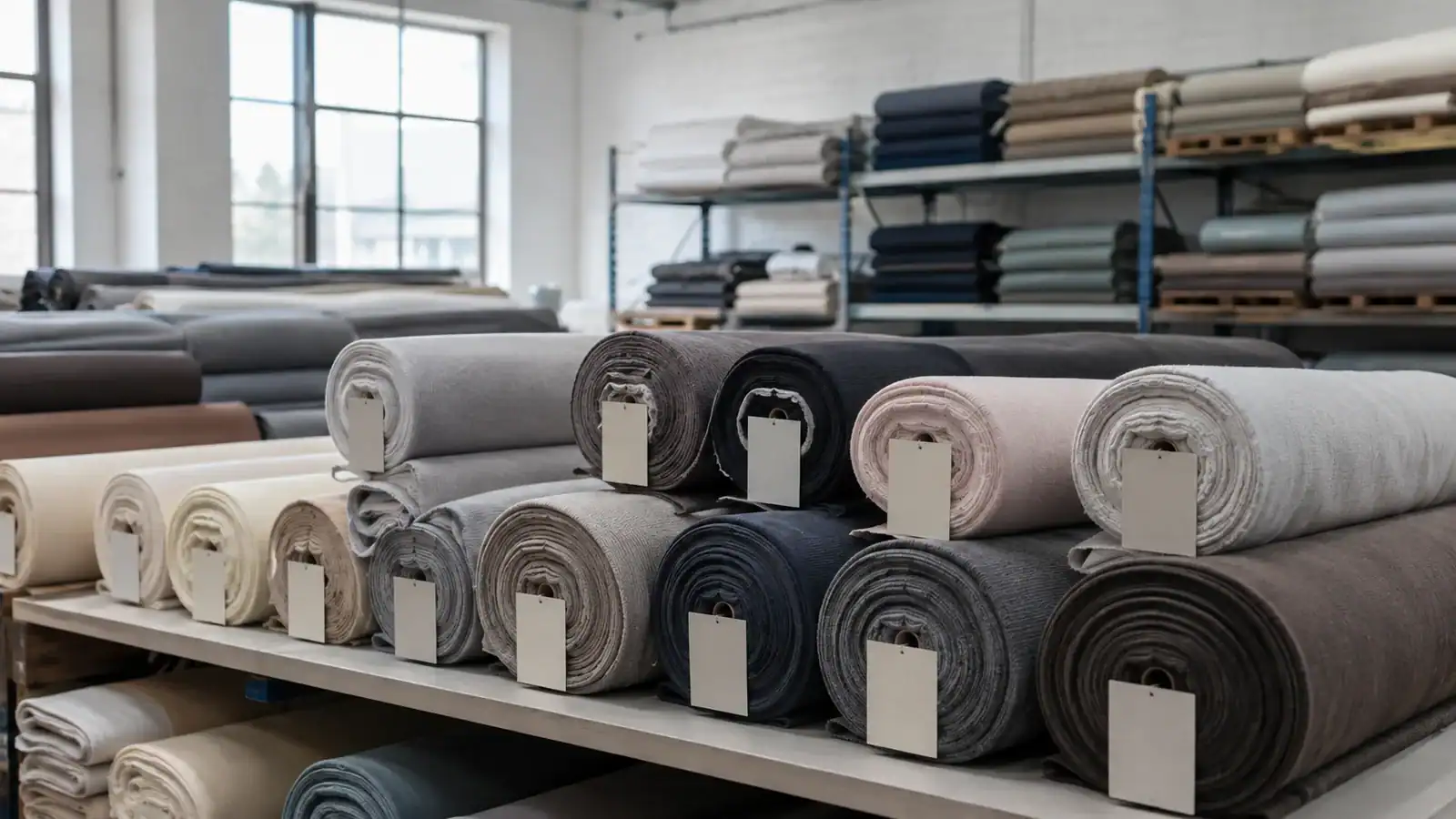
Turn the material topic into a focused inquiry. The goal is not to ask whether a supplier can provide "premium cotton." The goal is to learn what material route, documentation, and development steps are available for one product.

Send these details when available:
- garment type, silhouette, target customer, and intended use
- composition target and whether SUPIMA trademark use is required
- knit or woven construction, target GSM, width, stretch direction, and finish
- color references, artwork, print or embroidery requirements, trims, and labels
- size range, estimated quantity by color, sample deadline, and bulk timing to be confirmed
- target market and any labeling, testing, packaging, or documentation needs
- reference garments or swatches, with clear notes about what must be matched and what may be proposed
Ask the supplier to separate confirmed information from options that still need review. Request a quotation that identifies sample charges, development charges, testing, packaging, MOQ, lead time, and shipping terms for confirmation. If the supplier proposes a non-Supima alternative, ask for the generic fiber description and the specific changes in hand feel, construction, price, or documentation.
Frequently asked questions
Supima cotton is American-grown extra-long staple cotton promoted under the SUPIMA trademark. The longer fiber can support smoother yarns, softness, strength, and color retention, but the finished garment still depends on its yarn, construction, blend, finish, testing, and care.
No. Pima is a broader market term, while Supima identifies an American-grown extra-long staple cotton program. A product described as Pima is not automatically authorized to use the SUPIMA name. Ask for the documented fiber source and trademark authorization route.
Not for every product. Supima may be useful when a brand values a documented premium fiber story, a soft hand, or a specific color and wear target. Regular cotton may be the better commercial choice when price, construction, or another product requirement is more important. Compare the finished fabrics and tests.
It can suit premium tees, soft base layers, training lifestyle pieces, and casual activewear. It is not automatically ideal for high-sweat, high-stretch, compression, or heavy-abrasion products. Review moisture behavior, recovery, coverage, durability, and care at the garment level.
The word Supima does not prove a wicking result. Moisture behavior depends on fiber blend, yarn, fabric construction, finish, and test method. If wicking is part of the product promise, specify the target and approve the actual fabric result.
Check the generic fiber content, supplier documentation, source and transaction path, and current SUPIMA trademark authorization route. Supima says products using its cotton commonly identify the content on a label or product description, but a buyer should keep the underlying documentation with the approval record.
There is no single Supima GSM. GSM is a property of the finished fabric, not a fixed property of the fiber name. Specify the construction, target weight, width, tolerance, and measurement method for the garment you are developing.
Include the garment use, composition, construction, GSM, width, stretch, finish, color, testing, labeling, target market, quantity, sample timing, packaging, and commercial items to confirm. State whether authorized SUPIMA trademark use is required and ask the supplier to identify any substitute material.