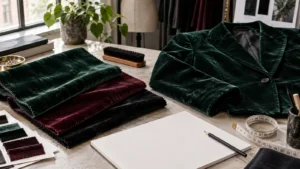
To get rid of static in clothes quickly, lightly mist the affected fabric with water or wipe it with a clean damp cloth. If the garment is already on your body, moisturizing the skin beneath it can also reduce cling. For the next load, avoid overdrying, separate synthetic items, and follow the garment care label before using dryer sheets, fabric softener, or anti-static spray.
Static is easier to fix when the remedy matches the moment. A skirt clinging to tights needs a different response from an entire dryer load that crackles when it is emptied. Performance activewear needs extra care because a product that reduces static may also leave a residue that changes moisture management or water repellency.
Use the first sections for the garment in front of you. If the problem keeps returning, move to the fabric, drying and humidity checks. Clothing brands can use the later test and specification sections to investigate the cause before changing a material or care instruction.
Choose the fastest fix for the situation
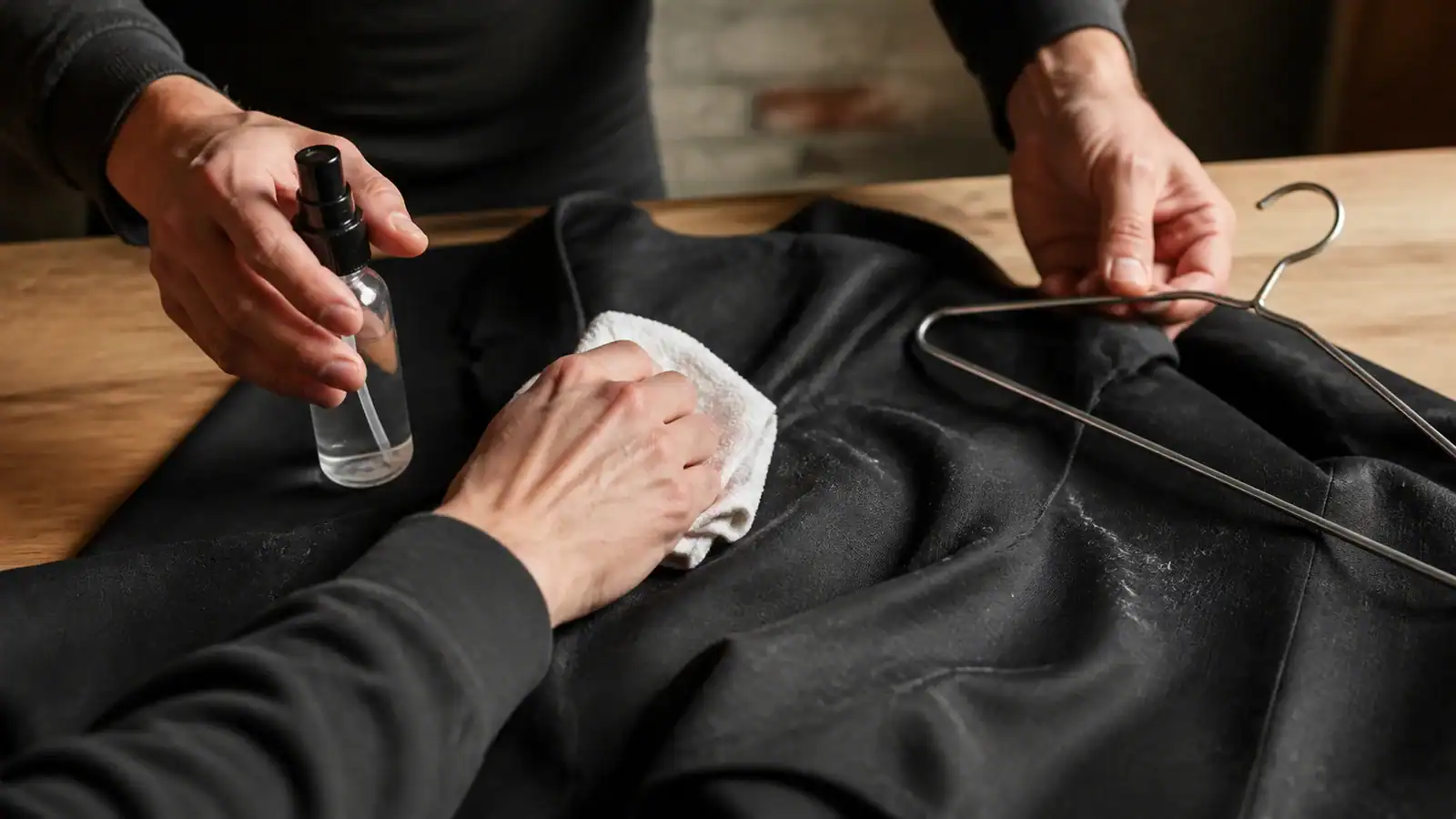
The clothes are already on you
Use the least invasive action first:
- Mist the inside of the clinging area very lightly with clean water.
- Wipe the fabric with a clean, barely damp cloth.
- Apply a small amount of moisturizer to the skin under the garment, not to the visible fabric.
- Run a smooth metal hanger over the inside surface if the material is not delicate or snag-prone.
- Use a commercial anti-static spray only as directed, and patch test it on a hidden area.
Water works because added moisture helps charge dissipate. The garment should feel barely damp, not wet. Avoid spraying artwork, suede, leather, silk-like finishes, or any fabric whose care instructions warn against water or spot treatment.
The clothes just left the dryer
Shake each item apart, then return the load with a damp washcloth for a short finishing cycle if the care label permits tumble drying. For the next load, reduce the drying time or dryness setting. A sensor cycle can help, but the garment care label remains the controlling instruction.
Static returns every time you wear the garment
If static keeps returning, stop treating each episode in isolation. Look at indoor humidity, fiber and finish, the fabrics rubbing together, the drying method, and any products used in the wash. One quick spray can remove today’s cling, but it will not change a dry room, an overlong dryer cycle, or a static-prone fabric combination.
Why clothes become static
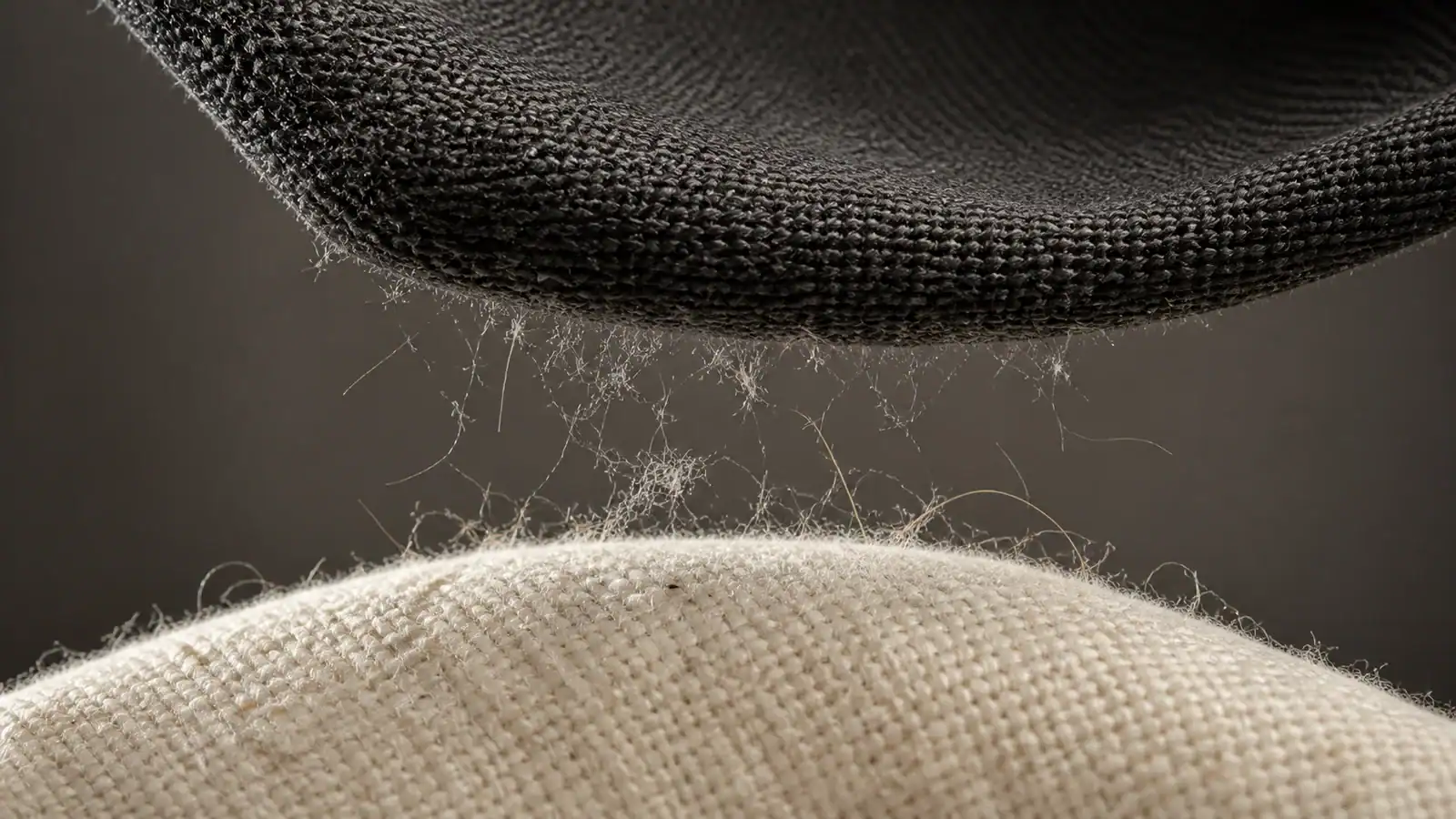
Static forms when materials touch and separate, transferring electrical charge. A dryer creates repeated contact as fabrics tumble and rub. Dry air gives that charge fewer paths to dissipate, so garments may cling to one another, attract lint, or produce a small shock.
Fiber chemistry matters, but it is not the only variable. Fabric construction, surface texture, finishes, garment weight, stiffness, humidity, temperature, and the material touching the garment can all change the result. The AATCC TM115 summary specifically describes static cling as an outcome influenced by multiple fabric parameters, not by fiber name alone.
A controlled study archived by Boise State University compared polyester, nylon, wool and cotton fabric combinations. In that test set, polyester produced the highest charge build-up while cotton and wool were lower. Polyester therefore deserves closer screening, although the result does not make every polyester fabric equivalent. Knit structure, finish, moisture level and the neighboring layer can change the wear experience.
12 ways to get rid of static in clothes
1. Use a fine water mist
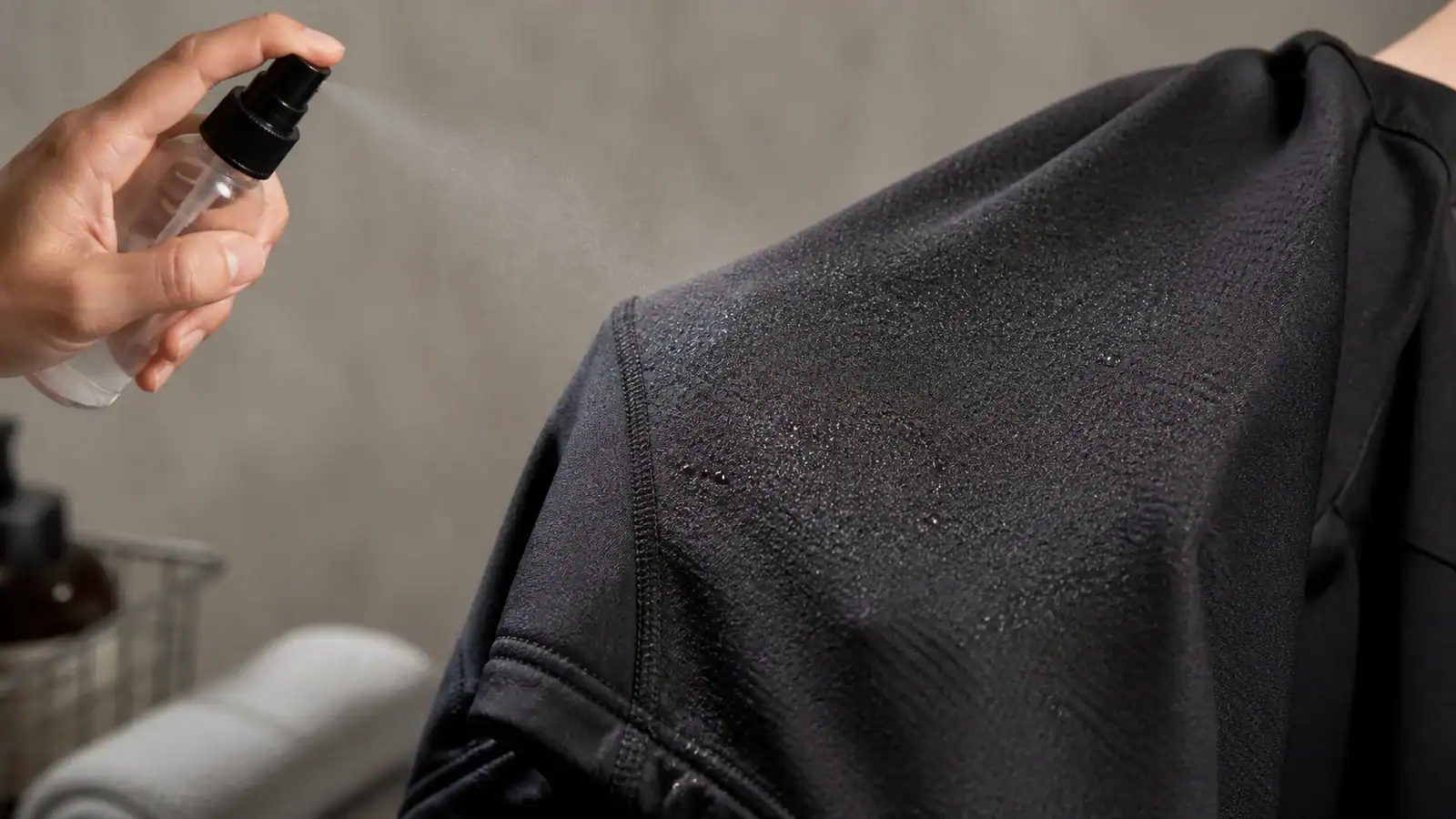
A fine mist is the quickest low-residue option for many washable garments. Turn the item inside out if practical, hold the bottle away from the surface, and apply only enough moisture to stop the cling. Test a hidden area first if water spotting is possible.
2. Wipe the garment with a damp cloth
A clean damp cloth gives more control than a spray. Try it on a hem sticking to tights, a shirt clinging to the torso, or a few items just removed from the dryer. The cloth should not transfer dye, lint, fragrance, or cleaning chemicals.
3. Moisturize dry skin beneath the garment
Dry skin and dry air can make cling more noticeable. Apply lotion to the skin, let it absorb, then put the garment back in place. Keeping the product off the fabric is especially helpful when a dress, skirt, or lightweight lining clings to the legs.
4. Use a commercial anti-static spray carefully
An anti-static spray can help when water alone does not last. Read the product label, confirm that it is suitable for the fiber and finish, and patch test away from the visible area. Do not replace a labeled product with a homemade mix whose effect on color, coating, stretch fiber, or flammability is unknown.
5. Discharge the fabric with a smooth metal hanger
A metal hanger can give accumulated charge a conductive path. Pass it gently over the inside surface rather than dragging it across delicate yarns, prints, sequins, brushed finishes, or open mesh. This is an immediate fix, not a permanent change to the fabric.
6. Stop the dryer before the load is bone dry
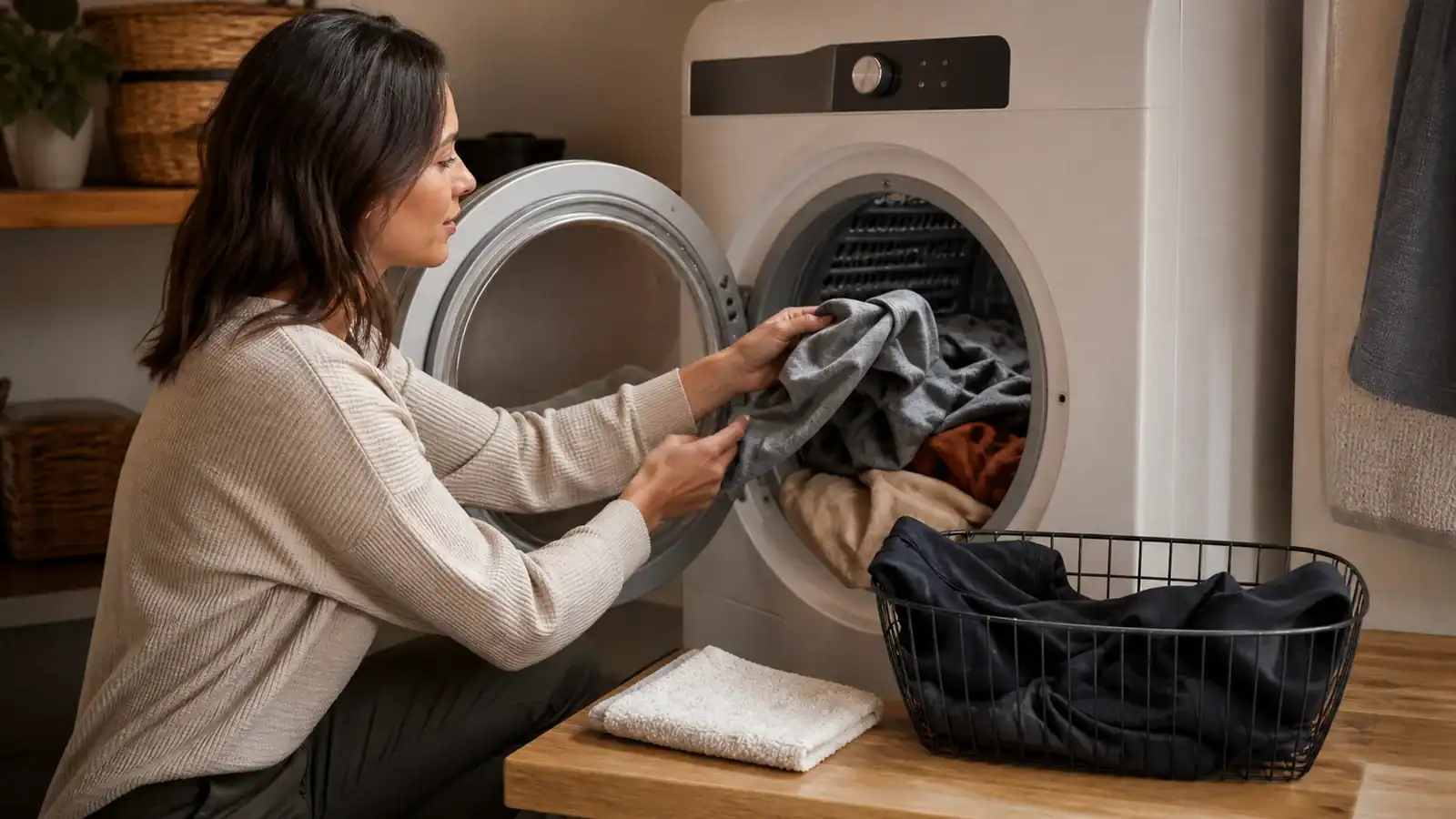
Overdrying combines low moisture with continued friction. Reduce the timed cycle or select a lower dryness target that is compatible with the care label. Remove the load promptly and hang or fold items instead of letting them rub together in a basket.
7. Air dry suitable garments
Air drying removes the tumbling friction that creates charge in a dryer and can leave more moisture in the fabric. It is especially useful for activewear whose care label recommends line drying or low heat. Support heavy knits correctly so the solution does not create stretching or distortion.
8. Dry synthetic garments separately
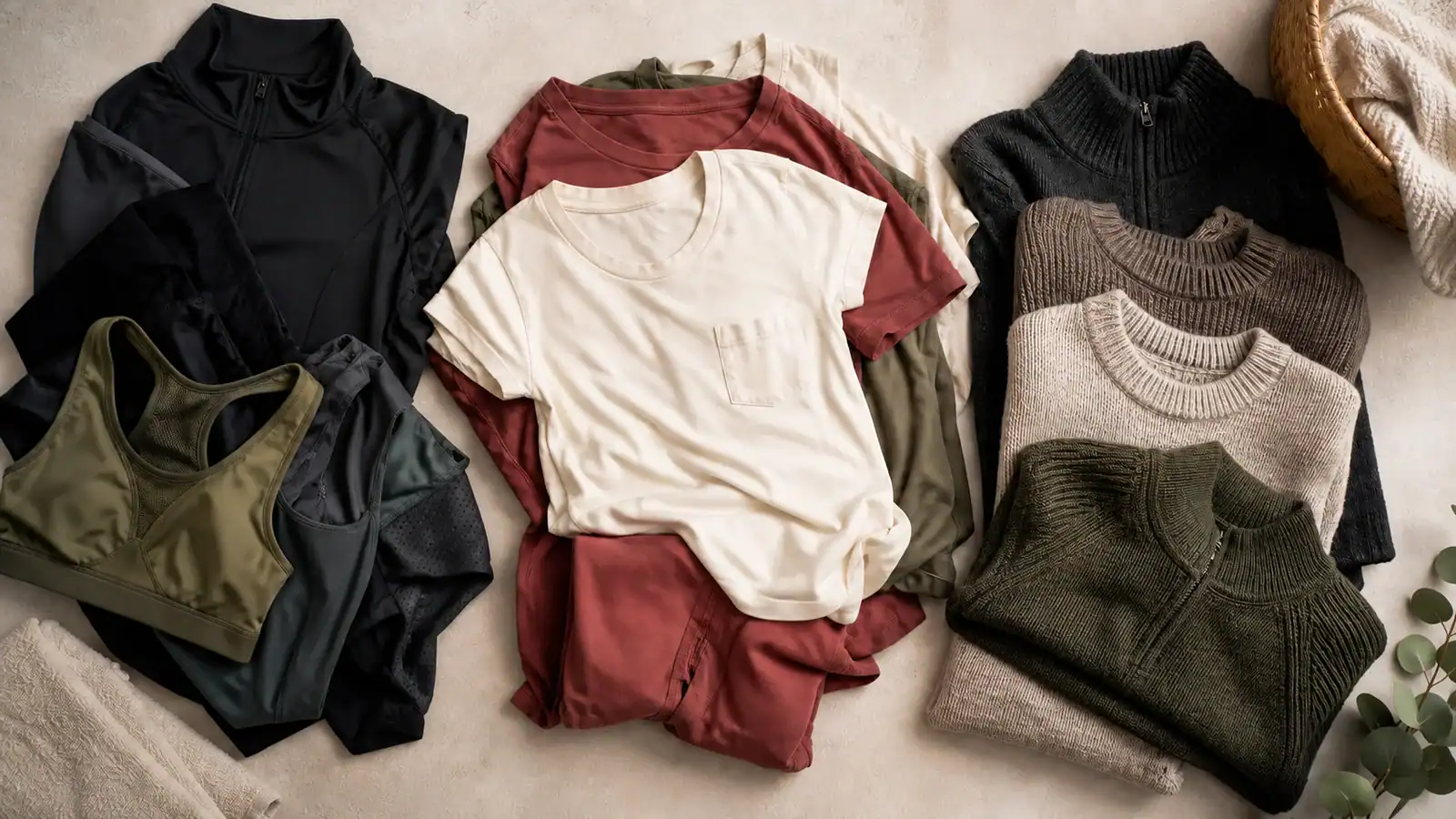
Polyester and nylon items can retain charge, while dissimilar materials rubbing together can intensify charge transfer. Sorting synthetic activewear from cotton towels and wool layers may reduce the problem and also lets each group use a more suitable drying time.
9. Add a damp cloth near the end of a compatible dryer cycle
Whirlpool’s garment-care guidance suggests adding a damp washcloth or towel during the final part of a dryer cycle to introduce moisture. Use this only for items that can safely tumble dry together. Do not mix a dye-releasing cloth with light garments.
10. Use dryer balls to separate the load
Dryer balls can keep garments from clumping and reduce some fabric-to-fabric contact. They are not a universal cure, and results depend on load size, material, drying time, and humidity. Check that the ball material will not shed, transfer color, or damage a delicate surface.
11. Use dryer sheets or fabric softener only when compatible
Dryer sheets and softeners reduce friction by depositing lubricating ingredients on fibers. That same deposit is why they are not the right default for every garment. Maytag’s care guidance advises avoiding dryer sheets and softener on athletic wear, microfiber, towels, and flame-resistant or water-repellent fabrics. The care label should decide whether this option belongs in your routine.
12. Increase indoor humidity
A humidifier can reduce recurring static in a very dry room. Use and maintain the appliance according to its instructions, and avoid creating condensation or excessive humidity. Check the room itself when several garments, carpets, and surfaces become staticky at the same time.
How to remove static from polyester and activewear
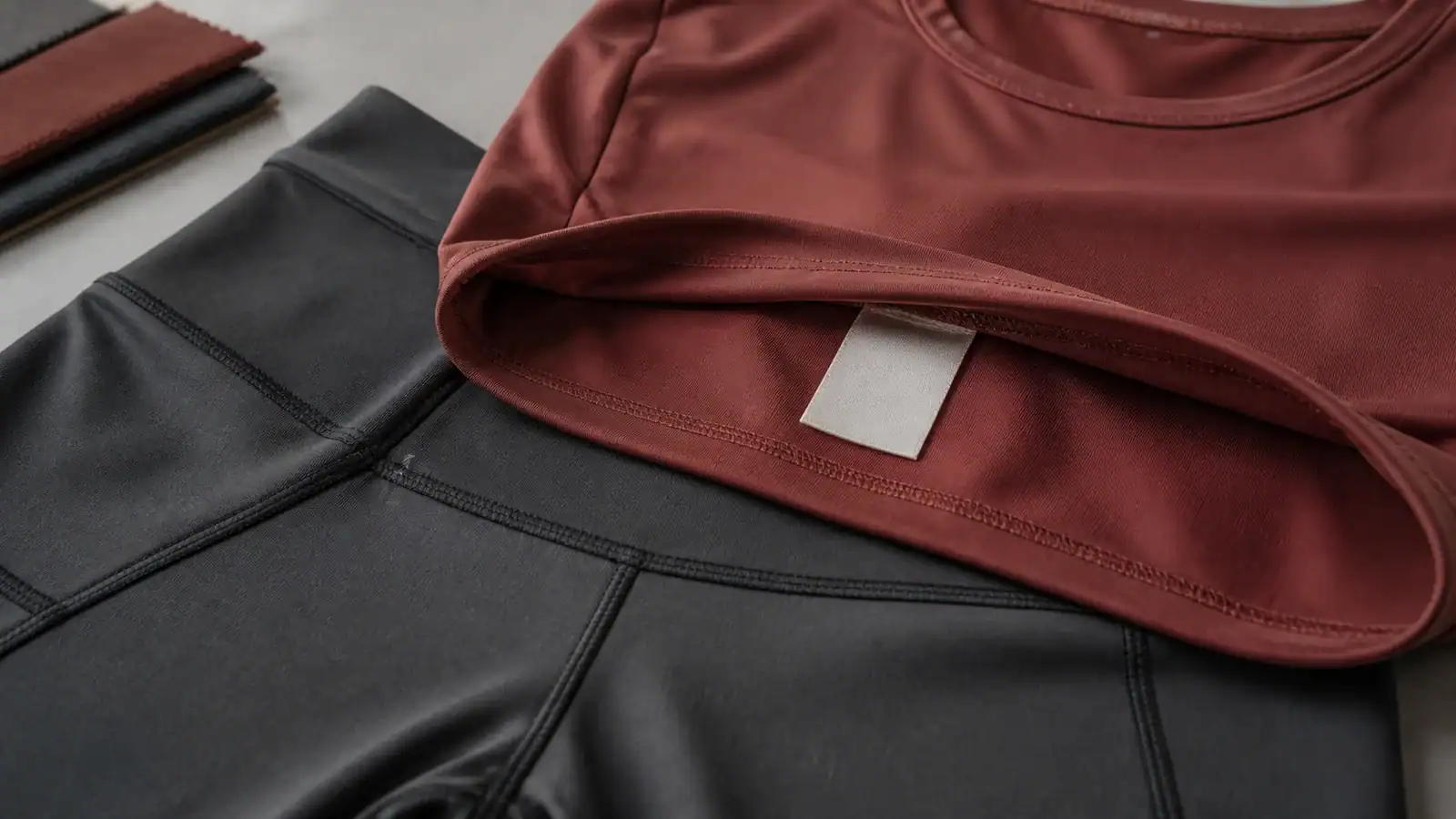
Polyester activewear can combine three static-promoting conditions: a low-moisture synthetic fiber, close contact with another layer, and repeated tumbling in dry air. Start with a light water mist or damp cloth, then change the drying routine. Air dry when the care label allows, or use the lowest compatible heat and stop before the garment is overdried.
Do not assume that fabric softener is harmless because it reduces static. A Cornell apparel expert notes that softener residue can build up and reduce the effectiveness of moisture-wicking clothing. If an activewear label says not to use softener, choose moisture, lower friction, shorter drying, and environmental humidity instead.
For a clothing brand, a complaint such as "the leggings are staticky" is not specific enough for corrective action. Record when it happens, what touches the garment, the humidity, wash and dry method, number of care cycles, and whether the symptom is cling, lint attraction, crackling, or a noticeable discharge.
Which fabrics are most likely to cling
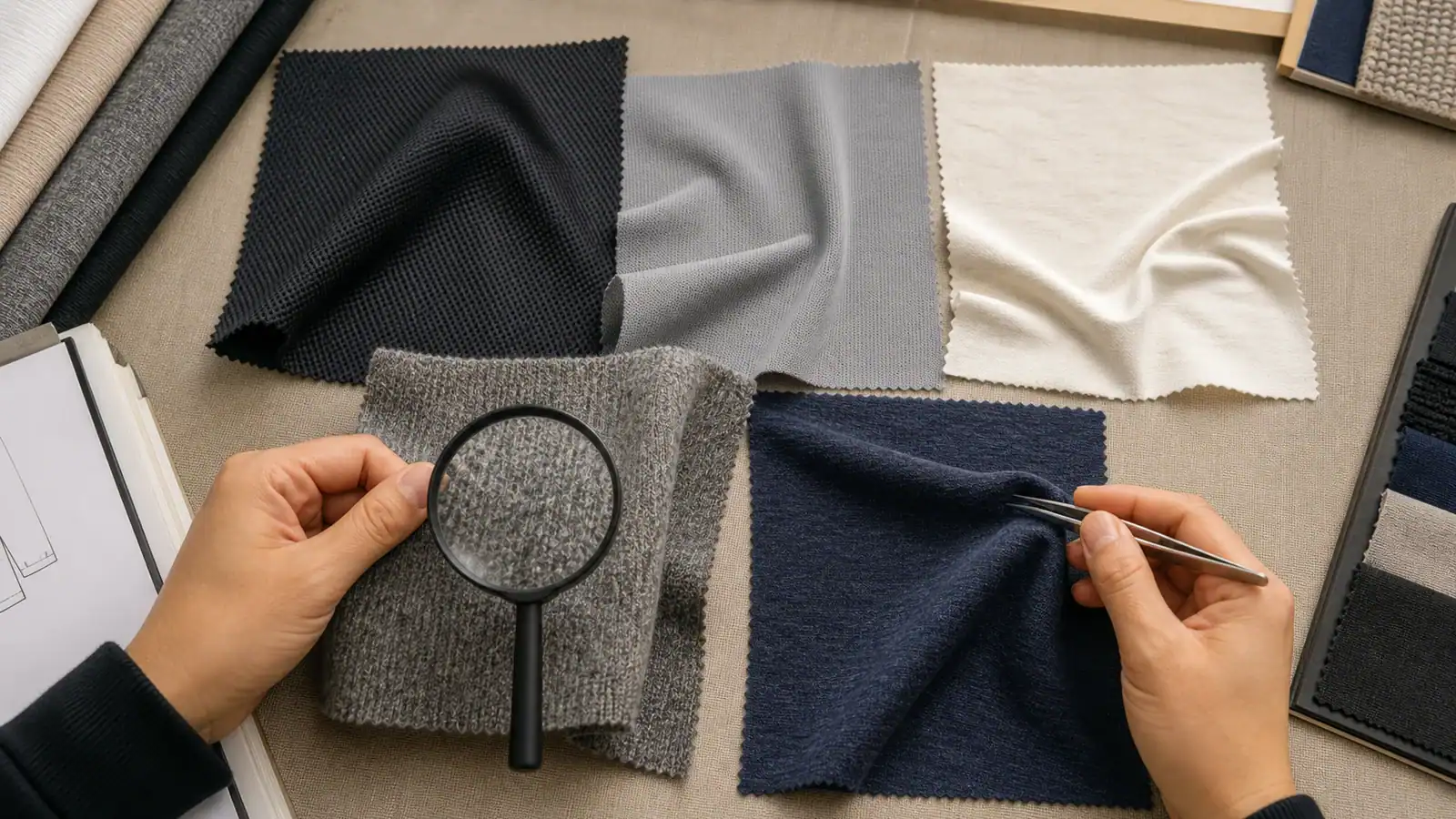
Synthetic fabrics such as polyester and nylon often show more persistent static because they absorb little moisture and can hold charge. Natural fibers are not automatically static-free, but moisture-absorbing fibers may dissipate charge more readily in ordinary conditions. The University of Georgia Cooperative Extension notes that adding natural fibers to a blend can increase moisture absorbency and reduce static electricity.
Use these tendencies as a screening question, not a purchasing specification. Two fabrics with the same fiber percentage can differ in yarn, knit, brushing, coating, antistatic finish, weight and wash durability. A lining rubbing against a shell may behave differently from either fabric tested alone.
When comparing materials, document:
- Fiber composition and blend ratio.
- Yarn type and fabric construction.
- Fabric weight, surface treatment and finish.
- Intended base layer, lining or neighboring garment.
- Expected temperature and humidity.
- Wash and drying instructions.
- Static-cling symptom and test method.
The existing best fabric for activewear guide can help a brand compare materials beyond static, including stretch, recovery, abrasion, moisture management and garment use.
Fixes that may harm fabric or performance
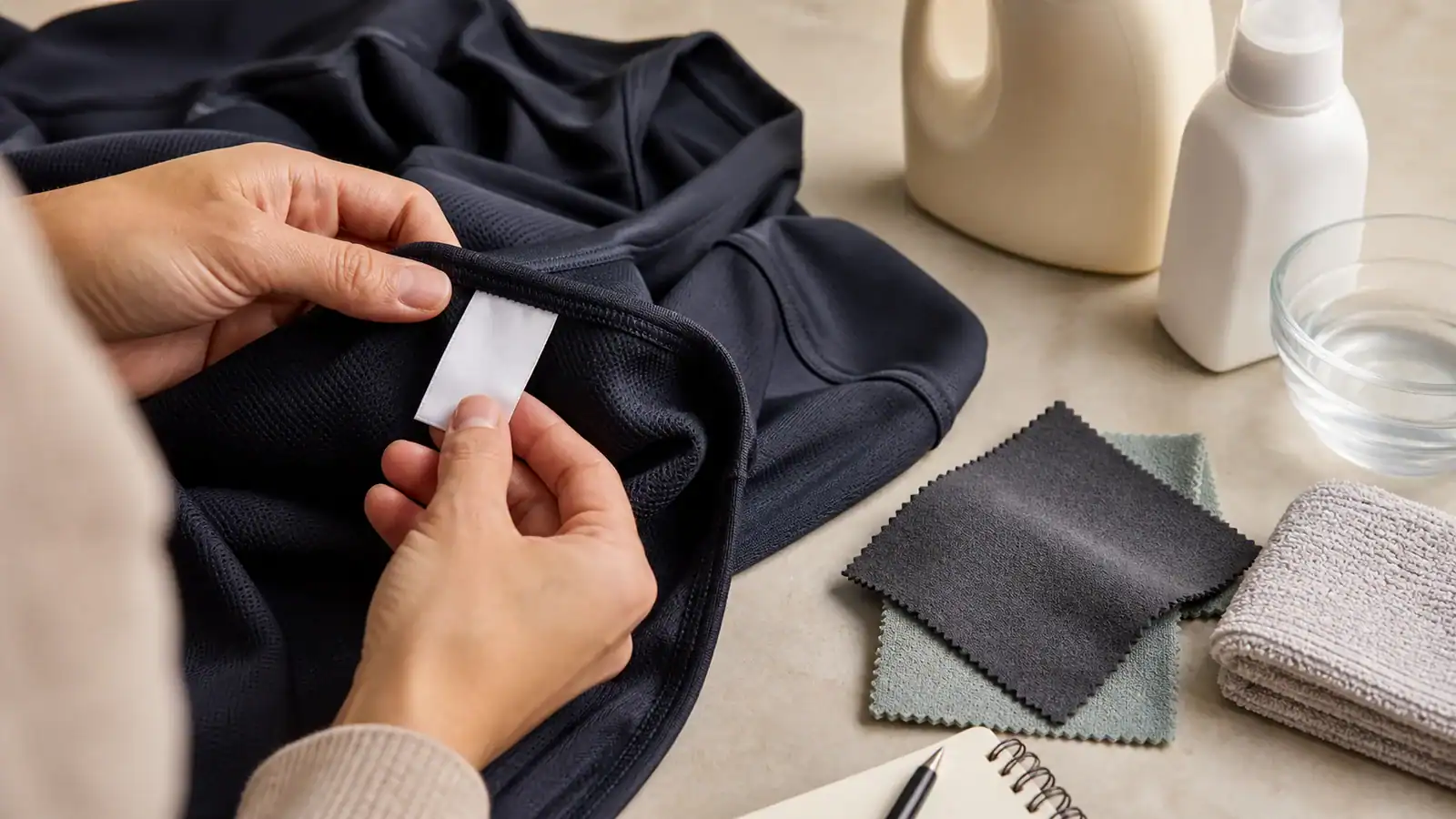
Treat the care label as a boundary
The care label is not decorative. It tells the user which washing, drying, ironing and other procedures have a reasonable basis. For garments sold in the United States, the Federal Trade Commission care-label guidance says manufacturers and importers need reliable support for the stated instructions and warnings.
Do not make softener the default for performance products
Softener and dryer-sheet residue can affect absorbency, moisture management, water repellency, or flame-resistant performance. If the label prohibits them, use a no-residue method. A brand should verify the exact product and care cycle rather than copy a generic care instruction from another fabric.
Be careful with acids, fragrances and homemade sprays
Vinegar is often recommended online, but appliance and garment compatibility varies. Whirlpool cautions that repeated vinegar use can affect some machine components and may be harsh for delicate fabrics. Fragranced sprays can also create skin or odor concerns. A labeled product, used as directed after a patch test, is easier to control than an improvised formula.
Avoid trading static for heat damage
A longer or hotter cycle may feel like a way to finish the load, but it can increase dryness while exposing elastane, prints, adhesives and finishes to more heat. Drying instructions should come from evidence for the complete garment, including trims and decoration.
How clothing brands can prevent repeat static complaints
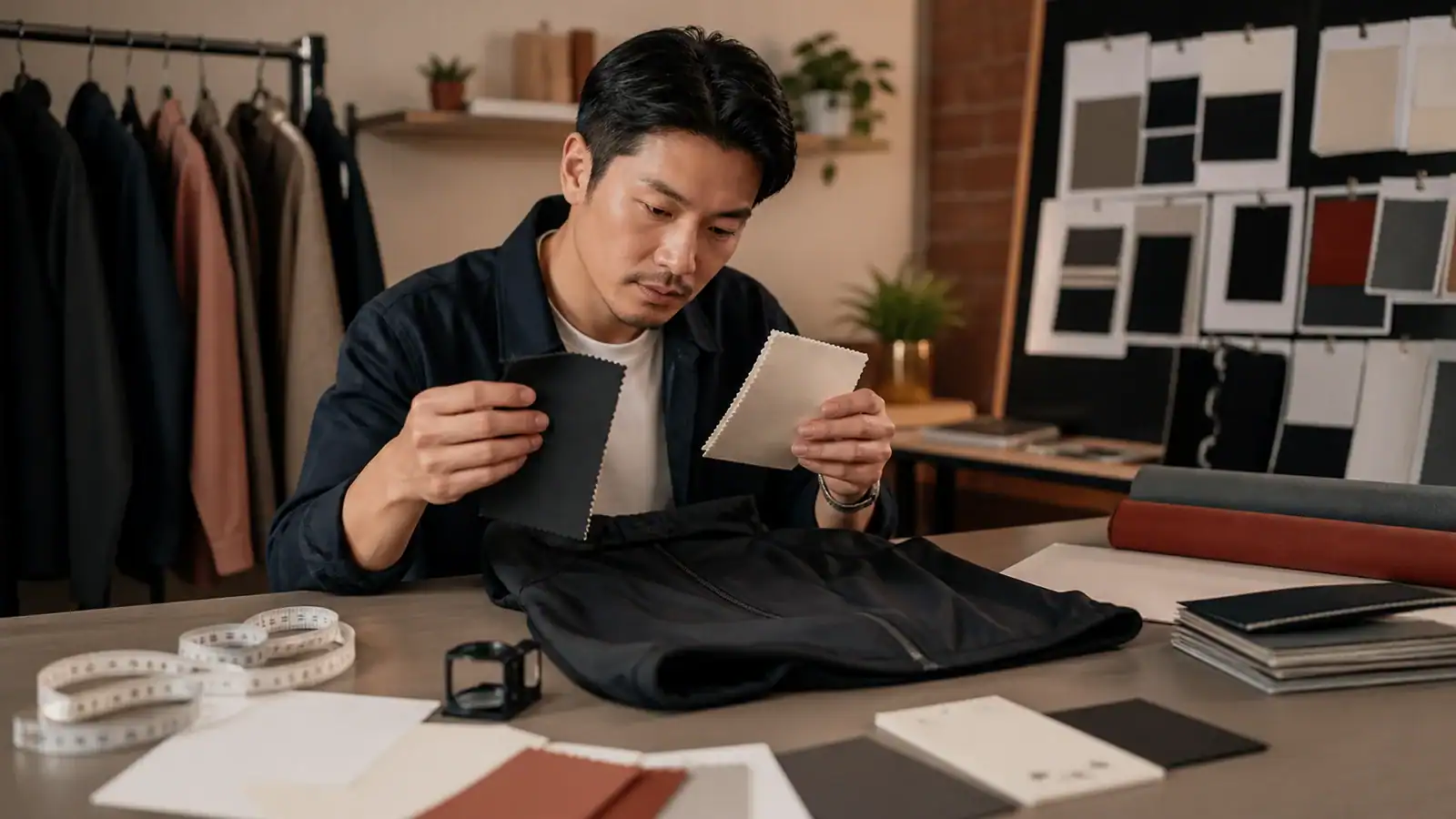
A customer reports that the garment clings. The product team still has to identify the variable behind that complaint. Replace a broad request for "anti-static fabric" with an end-use definition, a test plan, care-cycle evidence, and an acceptance rule.
Define the end-use scenario
Specify the garment, climate, layer combination and activity. A loose cotton tee in humid weather is not the same use case as polyester leggings under a brushed synthetic layer in a heated winter room. Include the most likely base layers, linings, outer layers, footwear and drying method when they are relevant to the complaint.
Put static requirements in the tech pack
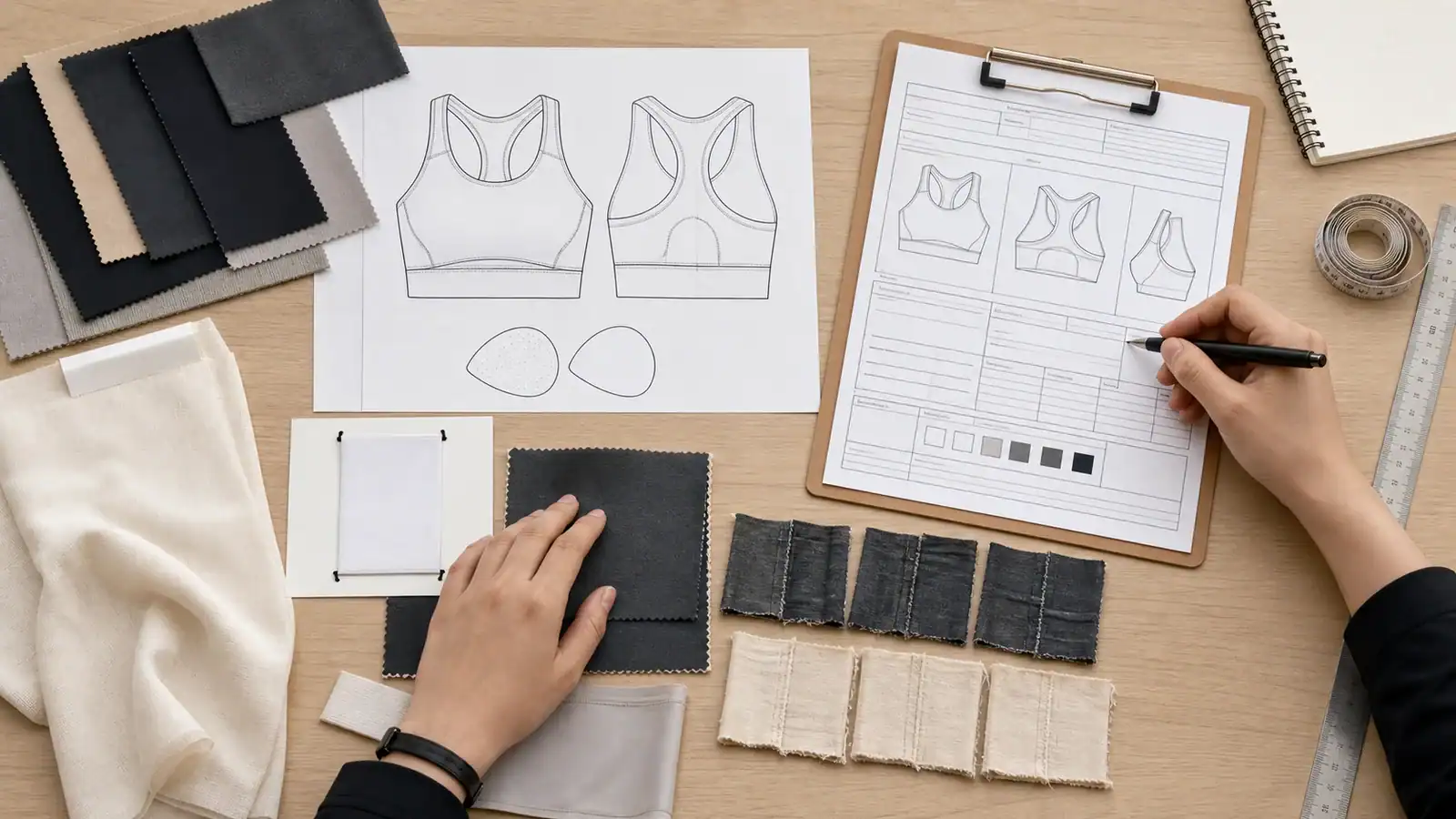
Add fields for fiber content, fabric code, construction, weight, finish, intended care, static symptom, conditioning environment, proposed test, prewash state, wash-cycle count and acceptance limit. If the product uses a lining, mesh panel, transfer print, elastic, coating or special trim, include it in the review.
DTS can help organize these fields through tech pack customization, but the buyer still needs to approve the intended performance and market requirements.
Select the right test question
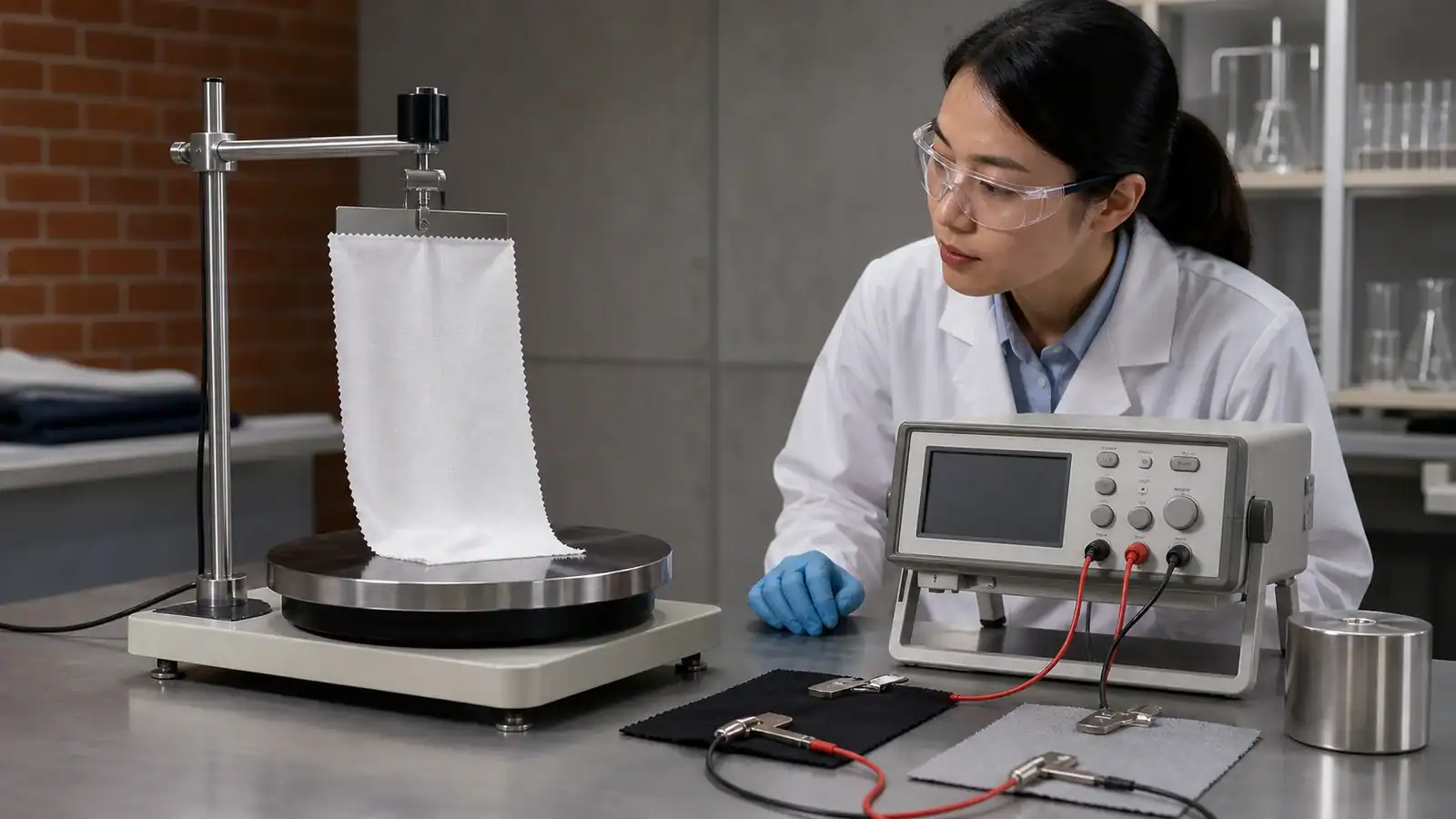
Static cling and electrical resistivity are related but not interchangeable questions.
- AATCC TM115 evaluates the relative tendency of certain fabrics to cling after electrostatic charge generation in a fabric-to-metal setup.
- AATCC TM76 measures electrical surface resistivity after specimens reach equilibrium under specified atmospheric conditions.
Ask a qualified laboratory which method fits the product claim and failure mode. Record the method edition, specimen state, conditioning atmosphere, number of replicates, result units and acceptance rule. Do not advertise a generic "anti-static" claim from a test that answers a different question.
Test after realistic care cycles
An antistatic finish may be durable, semi-durable, or temporary. Evaluate the new fabric and the garment after the care cycles you expect a customer to use. Include the complete garment when construction, lining, print or trim may influence the result.
The FTC guidance requires a reasonable basis for care instructions and considers the garment as a whole. Static performance and care language should therefore be reviewed together, not in separate files with conflicting assumptions.
Use sampling to reproduce the complaint
During sampling and prototyping, compare the candidate fabric against the intended layer or lining. Record environmental conditions and care history. If a complaint only appears after several low-humidity dryer cycles, a room-temperature hand-feel review will not reveal it.
The quality control workflow can carry the approved fabric, finish, care instruction and test evidence into bulk review. Exact sampling, laboratory, tolerance and inspection requirements must still be confirmed for the project.
Static-control checklist for an apparel inquiry
Before asking a supplier for an anti-static solution, send enough information to diagnose the problem:
- Garment type, market and end use.
- Fabric composition, construction, weight and finish.
- Color, print, coating, lining and trim details.
- The exact symptom: cling, lint attraction, crackling or discharge.
- When the symptom appears and which materials are touching.
- Wash and dry procedure, including additives and cycle count.
- Temperature and humidity if known.
- Current care-label wording.
- Required test method or help selecting one.
- Sample quantity, bulk estimate and target timeline.
With those details, the supplier can compare a material, finish, care, or construction change without guessing. Keep MOQ, lead time, price, test scope and performance claims project-specific until they are confirmed in writing.
Frequently asked questions
Lightly mist the inside of the clinging area with water or wipe it with a clean damp cloth. If the fabric may water-spot, moisturize the skin beneath it instead. A smooth metal hanger can help discharge some fabrics, but use it gently on delicate surfaces.
Use a fine water mist, a damp cloth, skin moisturizer, a compatible anti-static spray, or a smooth metal hanger. Patch test any product and follow the garment care label. These methods remove or dissipate the current charge but may not prevent it from returning.
The usual combination is friction, low moisture and materials that retain charge. Overdrying, cold-season indoor air, synthetic fabrics, and layers rubbing together can all contribute. If several items become staticky, review the dryer routine and room humidity before blaming one garment.
Start with a light water mist or damp cloth. For future care, air dry when allowed, avoid overdrying, and separate polyester from unlike materials. Check the label before using softener or dryer sheets, especially on activewear and water-repellent products.
Yes, a small amount of moisture can help electrical charge dissipate. Use a fine mist or barely damp cloth rather than soaking the garment. Water is not suitable for every finish, dye or delicate fabric, so test a hidden area when uncertain.
Dryer sheets can reduce static by depositing lubricating ingredients that reduce friction and help balance charge. They are not suitable for every product. Athletic wear, microfiber, towels, flame-resistant garments and water-repellent fabrics may have care warnings against them.
No single quick fix is permanent for every garment. Long-term control comes from reducing overdrying and friction, managing humidity, choosing compatible fabric layers, following care instructions, and using a validated antistatic finish or material specification when the product requires it.
Define the failure first. AATCC TM115 addresses relative static cling, while AATCC TM76 addresses fabric surface resistivity. A qualified lab should confirm the applicable method, conditioning, sample state, care cycles, result units and acceptance limit for the exact garment and market.
Turn a static complaint into a fabric and care requirement
DTS can review a garment sample, fabric direction, care label, wash notes and tech pack to identify which static-related decisions need confirmation before sampling or bulk production. The review can separate an immediate care issue from a material, finish, lining, construction or test requirement.
If you are developing activewear, gym wear or streetwear, send your project brief through the inquiry and NDA page. Include the garment, fabric details, target quantity, destination market, care method and the static symptom you need to control.