Poplin fabric is a plain-weave cloth. A textile training glossary from India’s Textiles Committee describes poplin as a durable plain weave with finer warp yarns than weft yarns and, in that description, roughly three times as many warp ends as picks. Actual commercial specifications vary, so the name alone does not tell an apparel buyer the fiber content, weight, width, finish, stretch, or opacity. For a clothing brand, “Is poplin good?” is the wrong first question. Ask whether the approved fabric works in the finished garment. This guide shows what to compare, what to put in a tech pack, and what to confirm before bulk production.
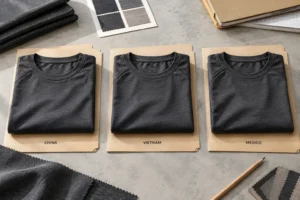
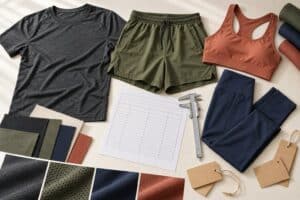
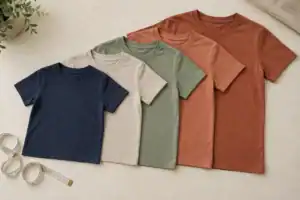
All article visuals are AI-generated illustrations. They do not depict DTS stock, supplier-approved samples, factory conditions, or tested results.
What is poplin fabric?
Poplin is a closely set plain-weave fabric, often recognized by a smooth face and a fine crosswise texture. In a technical glossary, the construction uses finer warp yarns than weft yarns and a higher warp-end count than pick count. That is a useful description of one established poplin construction, not a complete specification for every fabric sold under the name.
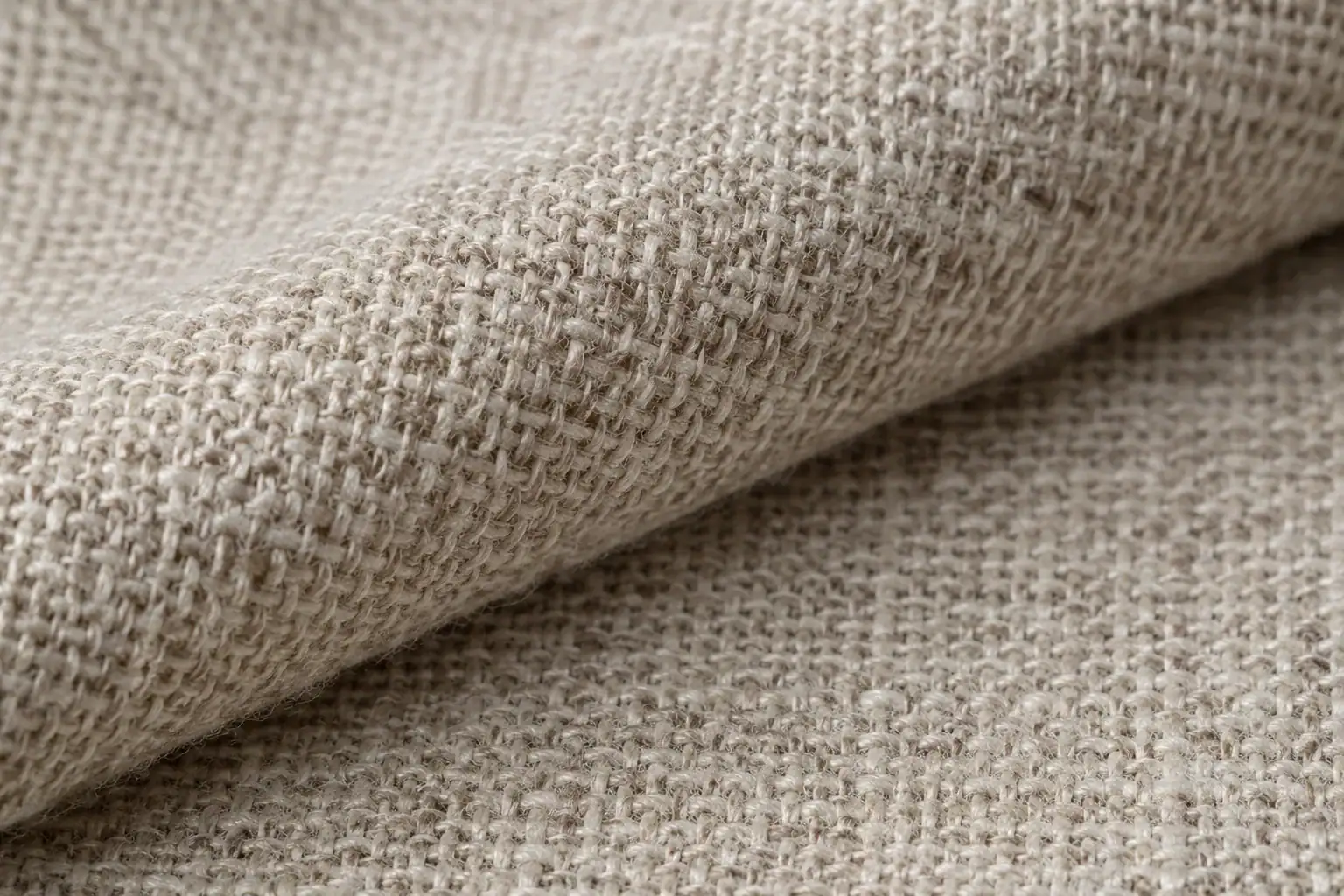
The word “poplin” does not tell you whether the cloth is cotton, a blend, or another fiber; whether it is woven for a crisp shirt or a softer drape; or how it will behave after finishing and washing. Request the fiber content and construction details with the swatch. Then judge the sample against the garment you are developing.
The Textiles Committee of India’s apparel training glossary gives a technical description of poplin. A separate draft cotton-poplin specification from Tanzania asks buyers and sellers to agree on reference patterns for properties the document does not prescribe, including shade, appearance, handle, and construction details. That document is a draft national specification, not a universal poplin standard.
Is poplin a type of cotton?

No. Cotton is a fiber; poplin describes a woven construction or commercial fabric family. “Cotton poplin” means that cotton is the stated fiber in a poplin fabric. A product description that only says “poplin” does not prove the cloth is 100% cotton.
For a purchase order, sample card, or garment label, record the actual fiber percentages supplied for the fabric. If the fabric uses a blend, list each fiber and its percentage as confirmed by the supplier. Do not infer composition from color, hand feel, or a retail name.
This distinction matters twice: it affects how the garment feels and performs, and it affects what you can accurately say on the product page and label. The U.S. FTC Textile Fiber Rule covers fiber-content disclosures for many textile products. Keep the approved fabric record with the garment specification.
How is poplin woven, and what does the surface look like?
Poplin uses a plain-weave structure: the warp and weft yarns interlace in a simple over-under pattern. Technical descriptions do not give one universal warp-to-weft ratio. The Indian glossary cited above describes finer warp yarns and roughly three times as many ends as picks. A draft Tanzania cotton-poplin specification describes about twice the end density and says the yarn counts may be equal or the weft slightly coarser. These are scoped descriptions, not a ratio to copy into every garment brief.

Look at the fabric face under normal lighting and at close range. A small surface texture may be easy to see on a pale solid and nearly disappear in a dark color or print. That is why a verbal description is not enough when the exact appearance matters to a collection.
Ask for the supplier’s available construction information, such as the weave, yarn description, and thread setting if those details are tracked. You may not need every loom parameter. You do need enough information to tell whether a later sample matches the approved one.
What types of poplin fabric may appear in apparel sourcing?

Commercial listings use labels such as cotton poplin, blended poplin, stretch poplin, and printed poplin. These names combine different kinds of information. “Cotton” describes fiber; “stretch” suggests a performance feature that needs confirmation; “printed” describes appearance. None of those labels replaces the underlying fabric specification.
When comparing options, separate the variables instead of treating each listing name as a standardized type:
- Fiber: exact fiber names and percentages.
- Construction: woven structure and any supplier-reported yarn or density details.
- Weight and width: the agreed value and tolerance, measured on the stated basis.
- Finish and color: dye, print, surface treatment, and the approved shade reference.
- Performance: stretch, recovery, opacity, dimensional change, and care expectations that matter to the garment.
For stretch poplin, ask which yarn or construction feature provides the stretch and how it performs in the intended direction. A label that says “stretch” does not establish the stretch percentage or recovery after wear and washing.
What does poplin fabric feel like?
There is no single hand feel for all poplin. A sample may feel crisp, smooth, light, or firm depending on fiber, yarn size, construction, finish, and weight. A tightly woven sample can feel structured, but that does not make every poplin fabric stiff or heavy.

Compare swatches in the same color and under the same conditions. Pinch the fabric, let it fall over a hand, fold it, and view it from both sides. Then compare the approved swatch with the garment sample. A piece of fabric can feel acceptable on a sample card and still behave differently at a collar, waistband, pocket, or curved seam.
Record the accepted swatch or a physical reference. “Soft hand” and “crisp finish” are subjective, so add a photo under consistent light and a short note describing what the buyer approved.
What is poplin fabric used for in apparel?

Poplin is commonly considered for shirts and other light woven garments where a smooth face and a relatively defined shape suit the design. Depending on the fabric and garment, buyers may also evaluate it for dresses, uniforms, lightweight shorts, or panels. The name by itself does not confirm comfort, opacity, wash performance, or suitability for a particular end use.
For fitted activewear, compression apparel, or a garment that needs substantial stretch, test the actual fabric in the intended pattern. A plain-woven poplin should not be assumed to behave like a stretch knit. If the design needs movement, specify the required stretch direction and recovery, then approve those properties on the garment sample.
Match the test to the use: a uniform shirt has different movement and opacity needs from a loose overshirt or a lined dress. Choose the garment first, then decide which fabric properties need a pass/fail limit.
What are the disadvantages of poplin fabric?
Poplin is not automatically wrinkle-proof, opaque, stretchy, or suitable for every climate. A particular construction may crease, feel too crisp, show through in a light color, or restrict movement in a fitted garment. A different fiber, weight, finish, lining, or pattern may change the result.
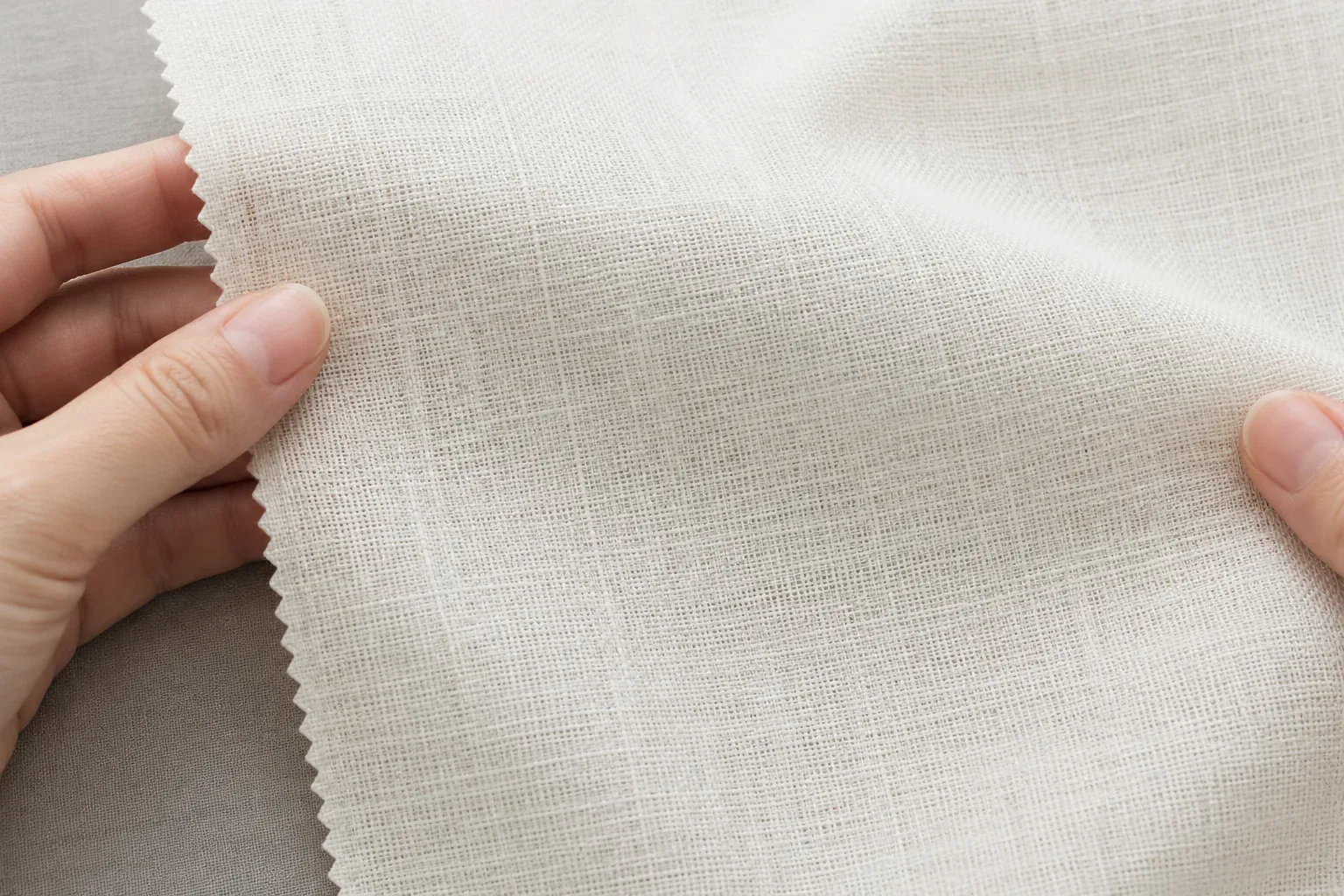
Use the likely drawbacks as questions for sampling:
- Does the chosen color show skin, seams, or pocket bags under the intended light?
- Does the fabric crease in a way the customer will notice?
- Can the garment move comfortably at the shoulder, hip, or knee?
- Does the fabric change size, color, or hand after the care routine on the label?
- Do seams pucker, distort, or show needle damage after sewing?
Do not turn a general property into a guarantee. Write the test method and acceptance criteria into the buyer’s sample comments, then compare production material to the approved reference.
Poplin vs broadcloth and twill: what should buyers compare?
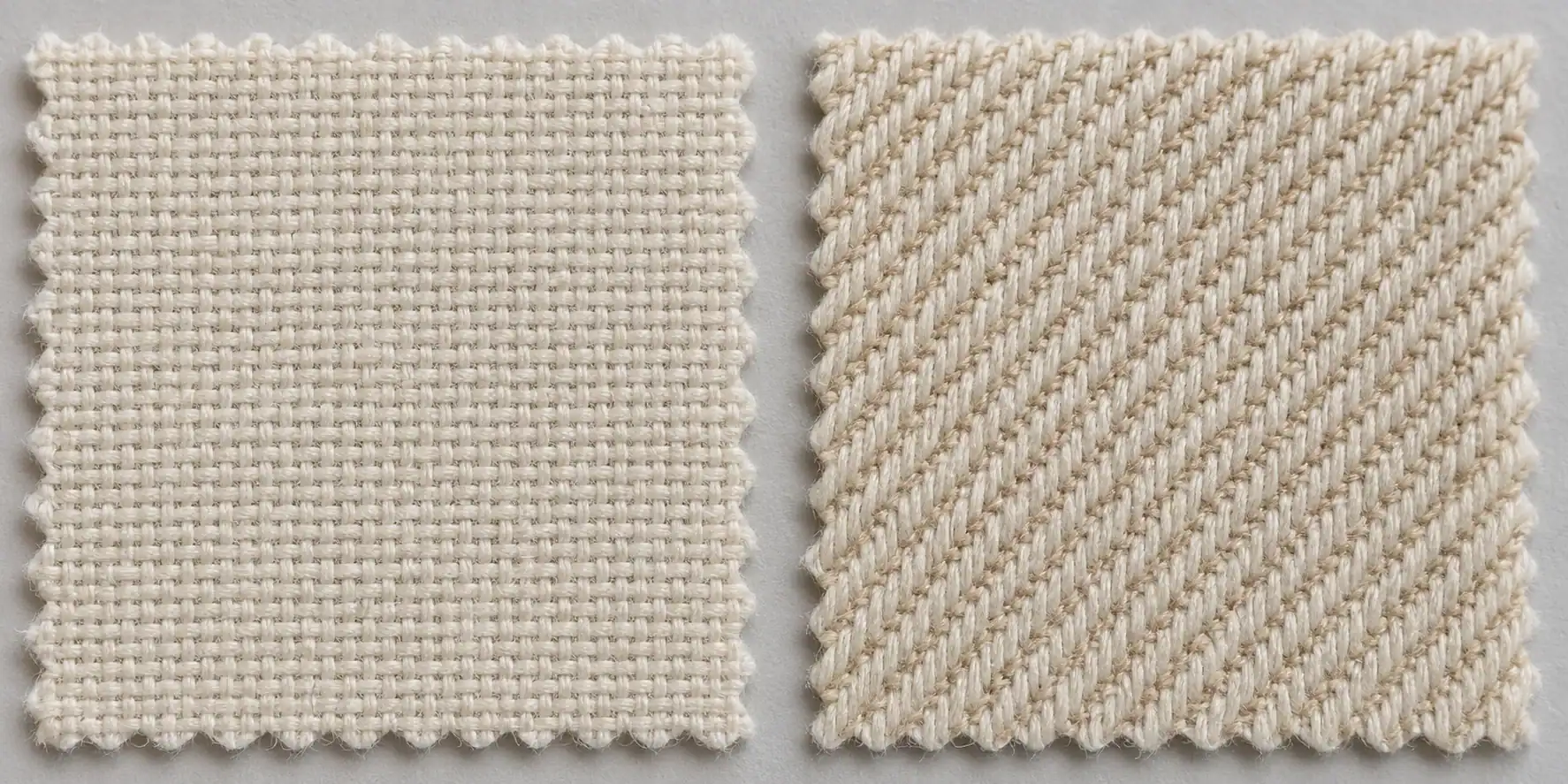
Fabric names can overlap across retail, apparel, and customs contexts. In one cotton tariff category, the U.S. International Trade Commission’s Harmonized Tariff Schedule groups “poplin or broadcloth” under a defined plain-weave classification with specific construction and weight exclusions. That classification has a narrow customs purpose; it is not a universal garment specification or proof that two supplier swatches are interchangeable.
For a sourcing decision, compare the physical fabrics and written details instead of relying on a name-to-name chart. A plain weave has a regular over-under grid; twill often shows diagonal surface lines. That clue helps identify the structure, but it does not tell you fiber, weight, or performance. Review composition, width, yarn and weave information, finish, color, drape, opacity, stretch, and the garment’s care plan on the supplier record and sample.
The purchase decision should be tied to the approved fabric and garment sample, not to a broad claim that one fabric name is always better.
What poplin fabric details belong in a tech pack?
Give the developer and supplier enough information to identify the same material at sampling and bulk stages. A useful fabric section can include:

- Fabric name for reference, plus the construction description.
- Fiber composition by percentage, as confirmed for the selected material.
- Target weight and width, including unit, measurement basis, and agreed tolerance.
- Color or print reference, finish, and approved swatch identity.
- Stretch and recovery requirements when the garment design depends on them.
- Intended garment zones, lining or opacity expectations, and care requirements.
- Test method and buyer acceptance criteria for dimensional change, color, or other performance needs.
If the supplier cannot provide a detail, mark it as pending and agree on how the sample will be evaluated. Do not replace an unknown with an assumed industry average. DTS offers a tech pack customization and specification review path for apparel projects; ask the team to confirm whether the required fabric and garment program can be supported.
How should buyers check poplin drape, opacity, and color?

Check the fabric in the color and construction intended for production. Light and dark colors can make the same fabric look different. For pale shades, inspect the sample over a consistent backing and under the lighting where the garment will be worn. Check front and back, seams, pocket bags, and areas that stretch over the body.
Drape it over the body or dress form, then assess the garment at rest and in motion. If opacity matters, define the acceptable result on the approved sample instead of relying on a general GSM rule. Review the color against a physical or controlled digital standard; a phone photo can change exposure and white balance.
A draft Tanzania specification for cotton poplin varieties offers a useful sourcing reminder: its text calls for a buyer-seller reference pattern for shade, appearance, handle, and construction details the draft does not define. It is a draft document for that national context, but the sample-control principle applies to any buyer program.
How do you approve a poplin garment sample?
Approve the fabric in a sewn garment, not only as a loose swatch. Confirm that the sample uses the intended material, shade, finish, and garment construction. Check collar or waistband shape, seam appearance, stitch lines, garment balance, and how the fabric moves in the areas the wearer will bend or reach.

Use a written sample record with three items:
- Material identity: swatch reference, fiber content, weight, width, finish, and color.
- Garment result: fit, drape, opacity, seam appearance, and movement checks tied to the design.
- Care result: measurements and appearance after the buyer’s agreed laundering or care test.
Record the sample date, revision, comments, and approval status. If a later sample changes fiber, finish, or construction, review it as a material change rather than assuming it matches the original.
What must a U.S. garment label say about poplin?
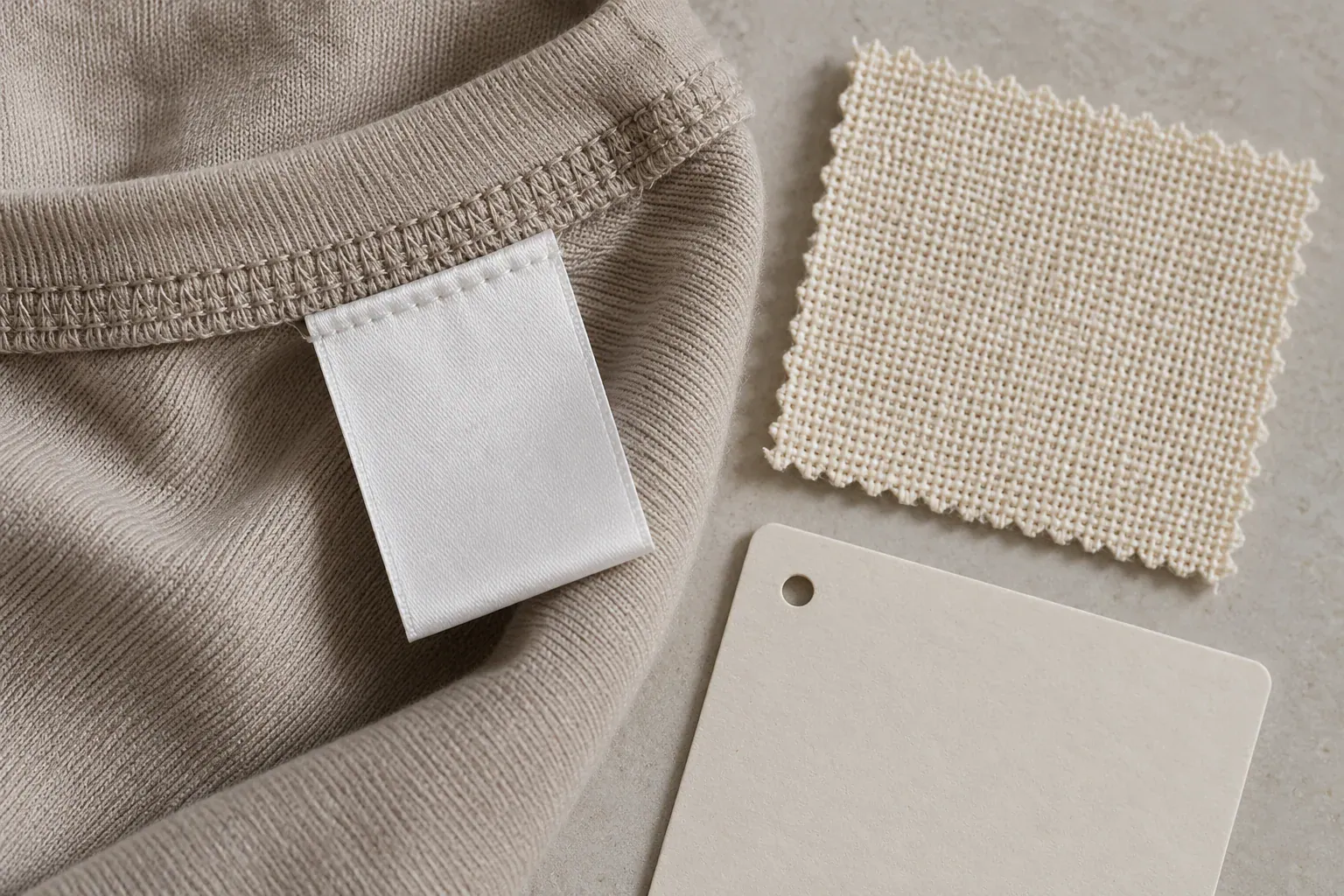
“Poplin” is not a fiber-content label. Under the FTC’s textile labeling guidance, most covered textile products need disclosures for fiber content, country of origin, and the responsible manufacturer, importer, or other business. Care instructions are addressed by a separate FTC rule. Specific requirements and exceptions depend on the product and sales context.
Use the verified fiber composition for the finished garment, not the fabric nickname. Keep purchase specifications, supplier material declarations, sample approvals, and label artwork aligned. Review the current FTC guidance before releasing a U.S. consumer label.
This article is a fabric-selection guide, not a legal classification of a particular garment. Confirm the final label against the current requirements that apply to the product.
Poplin fabric questions buyers ask
What is poplin fabric?
Poplin is a plain-weave fabric family often described with finer warp yarns and a denser warp setting than weft setting. Fiber, weight, finish, and performance vary by the specific fabric, so request the full specification and approve a sample.
Is poplin 100% cotton?
Not necessarily. “Cotton” identifies a fiber; “poplin” identifies the weave or fabric family. Confirm the fiber percentages on the supplier’s specification and use that verified information for product copy and labeling.
What is the difference between poplin and cotton?
They describe different things. Poplin refers to fabric construction, while cotton is a fiber. Cotton poplin is a poplin fabric made with cotton as its stated fiber; a fabric called poplin may have another composition.
What are the disadvantages of poplin fabric?
Depending on the sample, poplin may crease, feel too crisp, show through in light colors, or provide less stretch than a fitted design needs. Test those properties in the intended garment, color, and care routine.
What is poplin best for?
Buyers often evaluate poplin for shirts and other light woven garments that need a smooth face and defined shape. Suitability depends on composition, weight, finish, opacity, and the design. Approve the material in the intended garment before production.
Is poplin the same as broadcloth?
The names can overlap in some markets and classifications, but they do not guarantee identical construction or performance. Compare the actual fabric specifications and approved samples. A customs definition applies to its stated tariff scope, not every apparel purchase.