
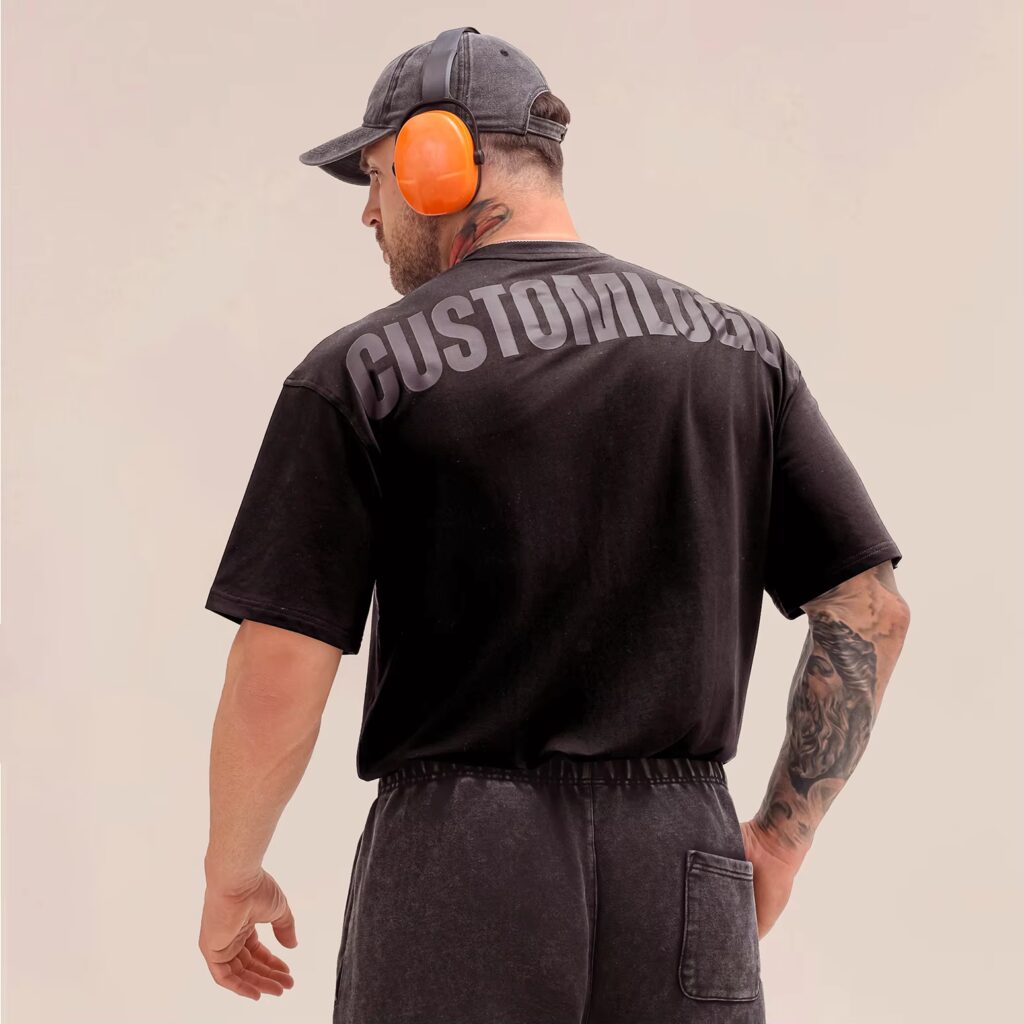
Custom Plus-Size Athletic Joggers
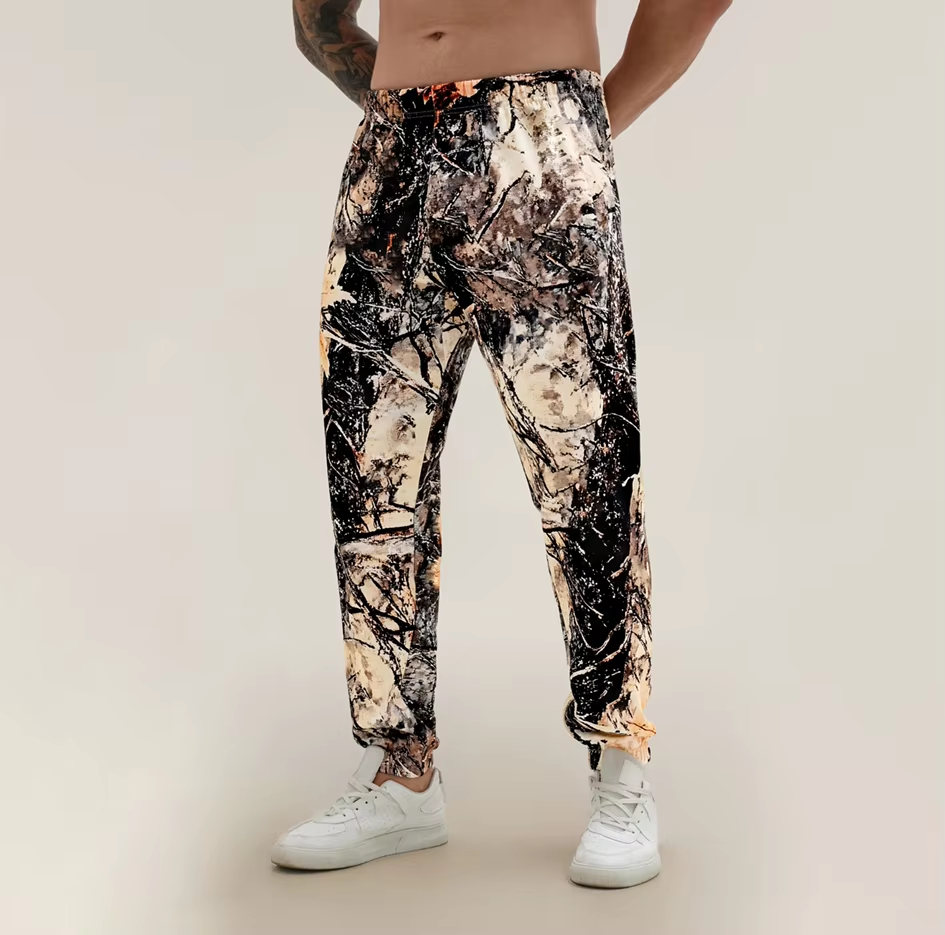
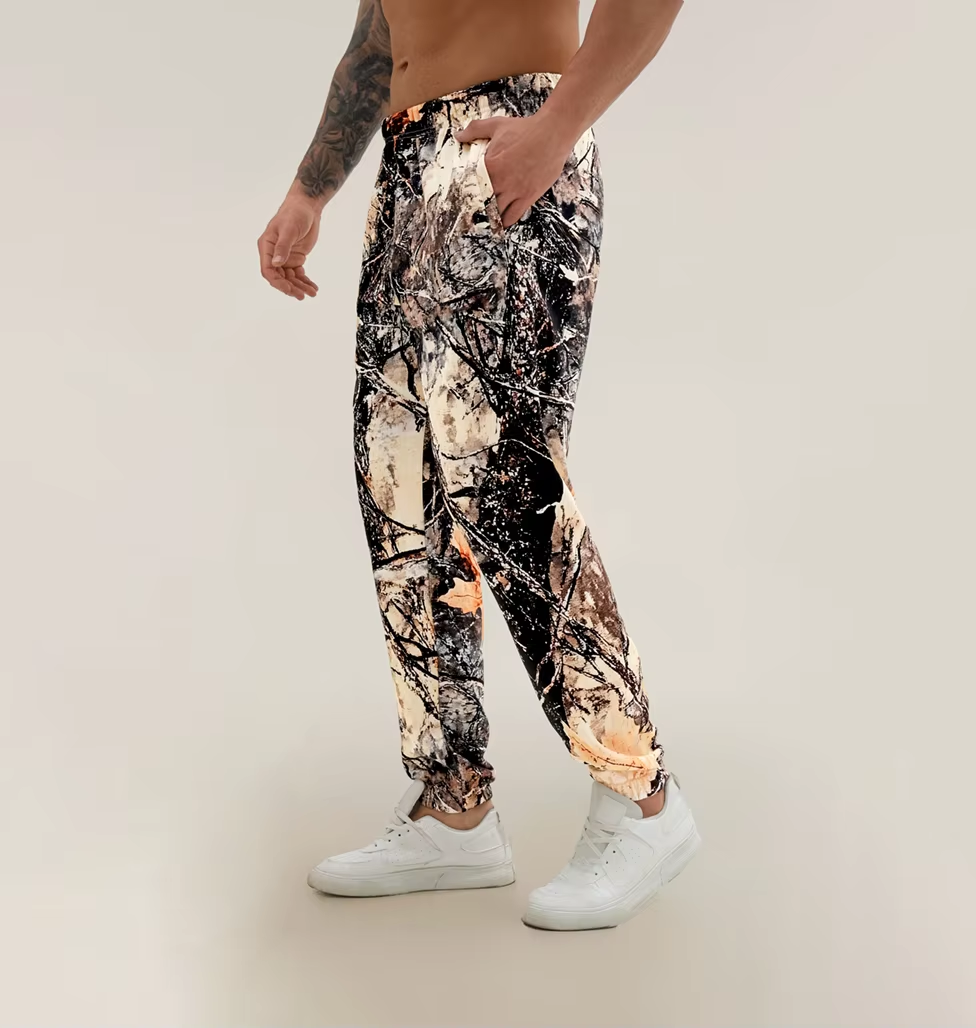
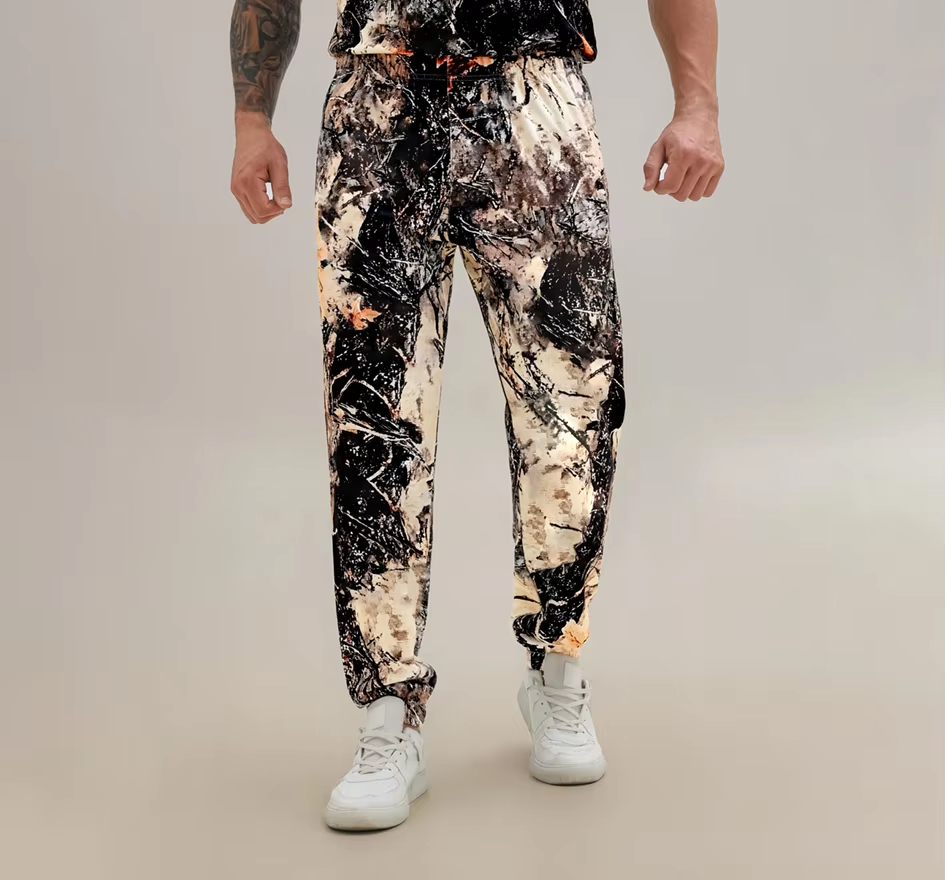
CUSTOM APPAREL PRODUCT
Custom Plus-Size Athletic Joggers
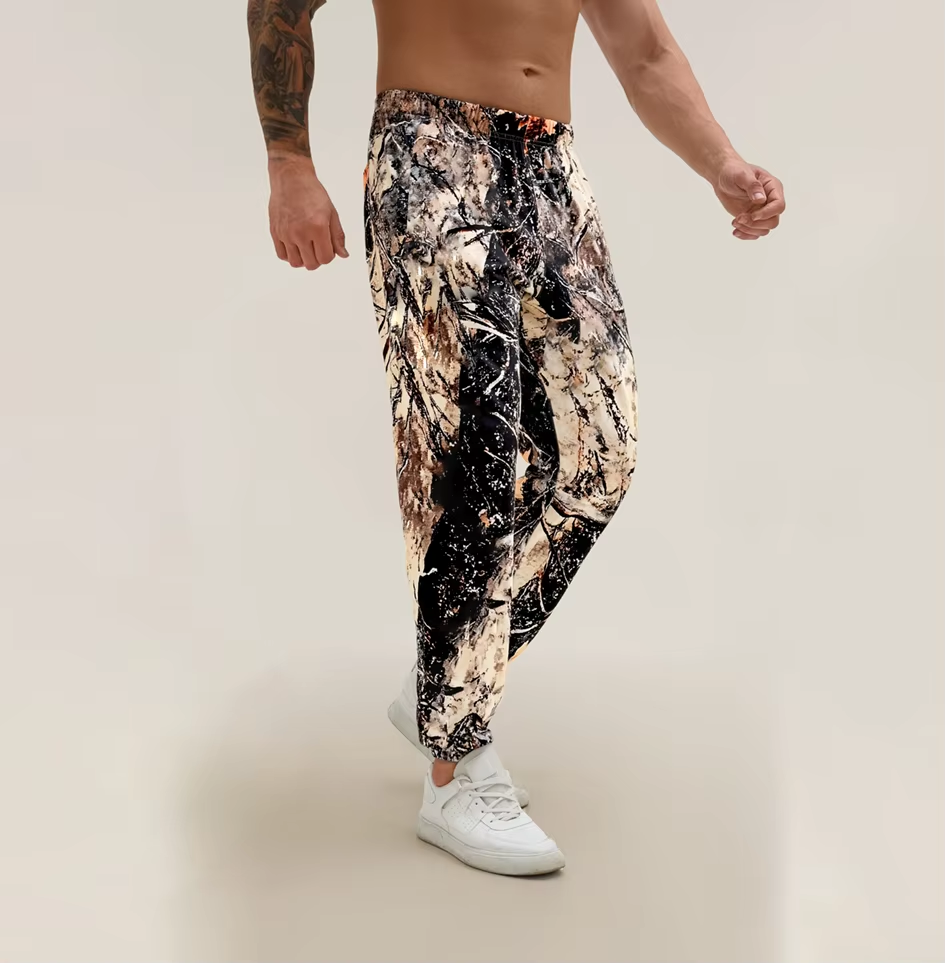
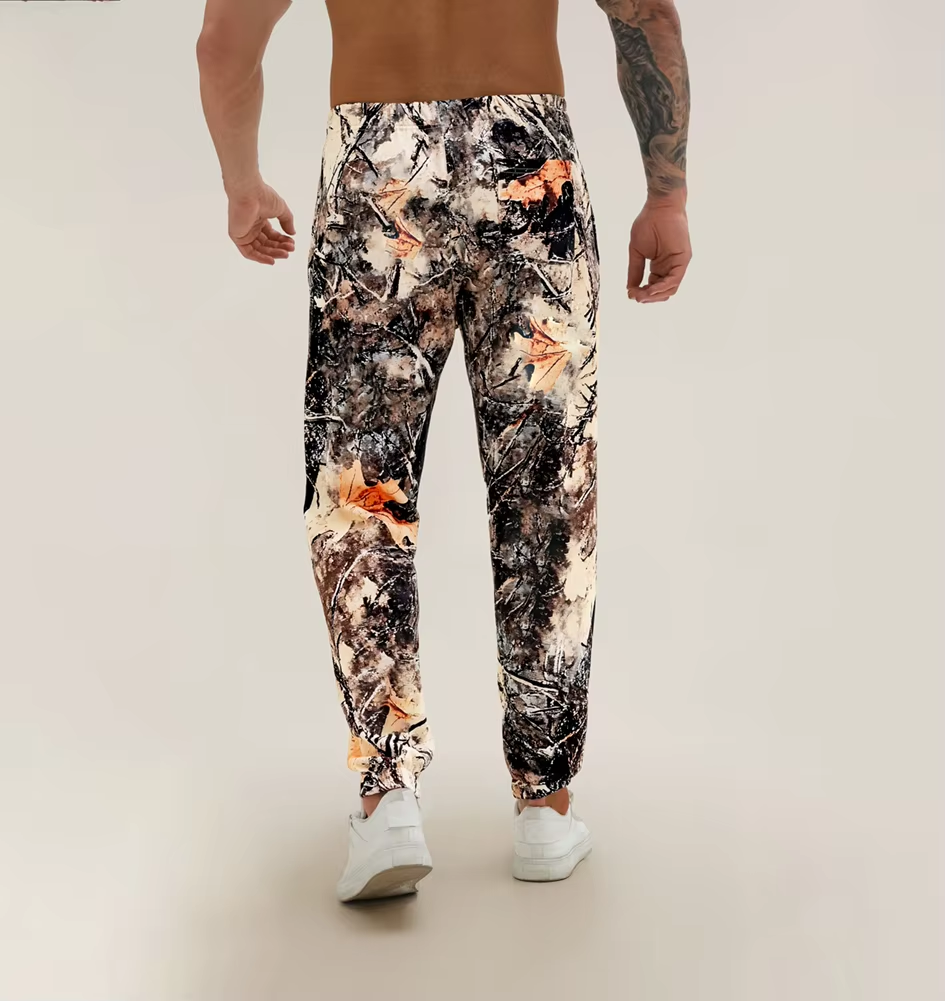
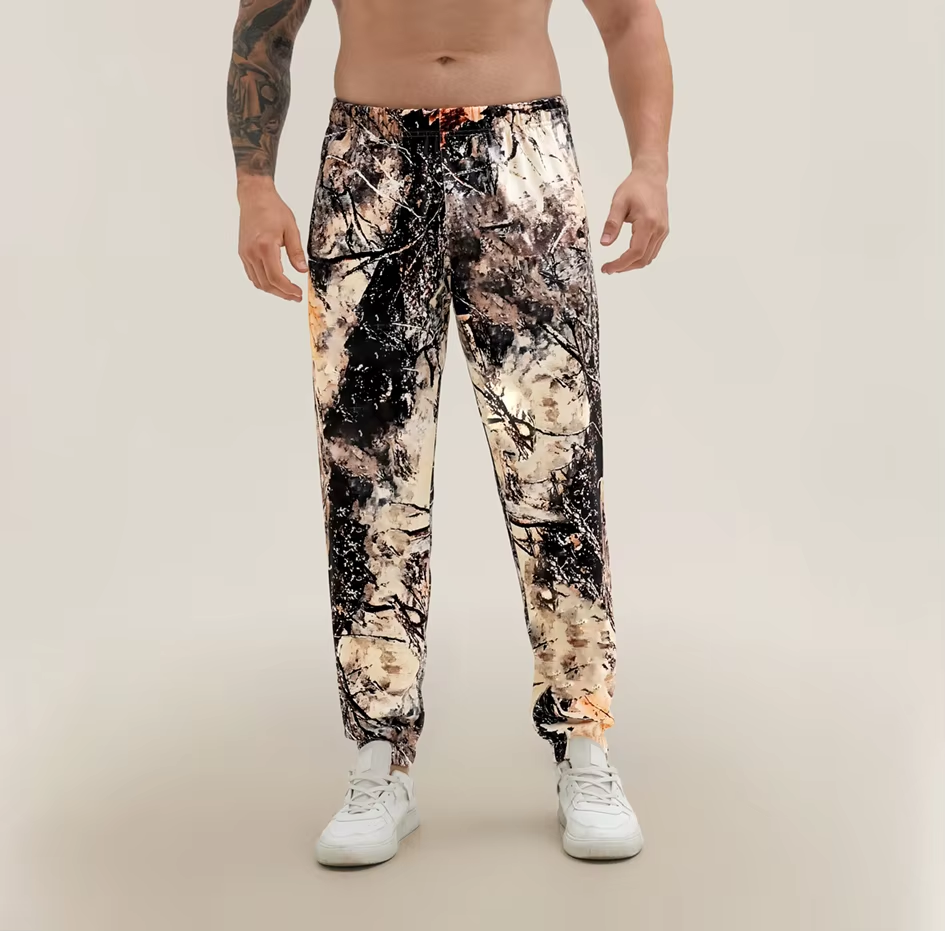
Custom sweatpants and joggers for men’s activewear ranges. The source lists 280grams, 80/20 cotton-polyester, digital print and MOQ 50; confirm fit, GSM and lead time.
SKU:
DTS-ALB-JOGGERS-1601521988688
Categories: Cargo Joggers, Joggers
Product Details
This B2B product record is for activewear brands, gymwear labels, private-label apparel teams, distributors, importers and buyers planning a men’s custom sweatpants or jogger range. The linked source listing uses the wording “Custom Men’s Plus Size Athletic Pant 280grams 80%Cotton 20%Polyester Digital Print Knitted Personalized Wholesale Jogging Pants.” The DTS product title is Custom Plus-Size Athletic Joggers. These source phrases define the catalog direction; they do not replace a signed measurement chart, fabric confirmation, artwork approval or current quotation.
Product Overview
Custom Plus-Size Athletic Joggers is presented as a sourcing record for men’s athletic pants that can be reviewed for gym collections, training capsules, leisure uniforms, streetwear drops and private-label activewear programs. The source title points to a jogger or sweatpant silhouette, a plus-size direction, a cotton-polyester blend, a 280grams weight description and digital-print customization. Buyers should use the physical sample and written production file to define the final garment.
This page is designed for buyers comparing custom sweatpants, custom joggers, men’s athletic pants, plus-size sweatpants, printed sweatpants and wholesale sweatpants. The terms overlap in search and catalog language, but they do not always describe the same pattern. Confirm whether the required result is a cuffed jogger, straight-leg sweatpant, track pant, warm-up pant or another athletic trouser before a quote is approved.
The source record is useful for opening a conversation, not for assuming a finished specification. Fabric composition, measured GSM, size chart, fit ease, waistband, pockets, print process, color range, labels, packaging, sample timing, current MOQ and lead time remain confirmation items unless they are written into the current quotation and approved sample.
Product Specification Snapshot
The following details are retained from the imported source record available during the page audit. They are source snapshots for catalog matching, not a current landed-cost quotation or product-specific test report.
- DTS product title: Custom Plus-Size Athletic Joggers.
- Source listing title: Custom Men’s Plus Size Athletic Pant 280grams 80%Cotton 20%Polyester Digital Print Knitted Personalized Wholesale Jogging Pants.
- Source category: Men’s Pants & Trousers.
- Source supplier shown: Xiamen Detosun Garment Co., Ltd.
- Source MOQ shown: 50 Pieces. Confirm whether this is per style, color, size, artwork version, sample route or customized bulk order.
- Public source price snapshot: US$20.48–21.98 per piece. Confirm quantity tier, fabric, decoration, labels, packaging, freight, duties, payment terms and validity before quoting.
- Customization field shown: Technics (MOQ 50). The specific production or decoration technique is not defined by this field alone.
- Ready-to-ship flag: Not stated in the imported source record.
- Material wording: 80% cotton / 20% polyester appears in the source title. Confirm fiber percentage, yarn, knit construction, finish and test basis for the actual production lot.
- Weight wording: 280grams appears in the source title. Confirm whether this means garment weight, fabric weight or an intended GSM value; do not treat it as 280gsm without written confirmation.
- Decoration wording: Digital Print appears in the source title. Confirm the actual print system, coverage, artwork limits, color handling, hand feel and wash requirements.
- Garment direction: Plus-size, athletic pant, jogging pants, personalized, knitted and wholesale wording appears in the source title. These are sourcing descriptors rather than verified measurements or performance results.
- DTS SKU: DTS-ALB-JOGGERS-1601521988688.
- Source record ID: Alibaba product ID 1601521988688.
- DTS product terms: Joggers and Cargo Joggers. Confirm the final collection label if the approved sample does not include cargo pockets.
Keep this snapshot beside the approved tech pack, fabric swatch, size chart, artwork proof, quotation, packaging brief and inspection notes. The source price, 50-piece MOQ and title-based material/weight statements must be reconfirmed for the exact version being purchased.
280grams, GSM And Fabric Composition
Do not silently convert 280grams to 280gsm
The source title says 280grams, not 280gsm. “Grams” may refer to the weight of a garment, a fabric description copied into a listing title or a seller’s shorthand. Ask the supplier to state the fabric GSM, measured result, tolerance, test method and whether the figure applies to every colorway. The difference matters when buyers compare fabric hand, drape, warmth, shipping weight and cost.
For a practical weight brief, specify a target range such as “confirm the fabric weight and tolerance for the approved color,” then record the measured value in the sample comments. Use the site’s GSM meaning in clothing guide as a planning reference, not as evidence for this SKU.
Confirm the 80/20 cotton-polyester statement
The source listing title contains “80%Cotton 20%Polyester.” Treat that as a source-record statement until the current supplier confirms the fiber breakdown for production. Request the composition in writing and, where required by the destination market, request the applicable labeling or testing basis. Do not transfer the composition from another DTS jogger or sweatpant page to this product.
Define the knit, finish and hand feel
The word “Knitted” appears in the source title, but the accessible record does not define the knit type, yarn, inside finish, brushing, fleece loop, surface treatment or recovery. Ask whether the proposed fabric is fleece, French terry, jersey, interlock or another construction. Record face appearance, reverse appearance, softness, drape, stretch and recovery on the fabric approval sheet.
Connect fabric choice to the buyer’s range
A gym jogger, a warm-up pant and a streetwear sweatpant can require different weight, surface, opacity, stretch and care behavior. Select the fabric against the intended season, movement, layering and price tier. The source title supports a custom activewear discussion; it does not prove warmth, breathability, moisture management, quick-dry behavior or a named performance standard.
Plus-Size Athletic Jogger Fit
Start with a real measurement chart
For a plus-size range, nominate the base size and provide finished measurements for waist, hip, front rise, back rise, thigh, knee, inseam, outseam and leg opening. State whether the waist is measured relaxed, extended or both. A size label such as 2XL or 5XL is not enough for a buyer or factory to reproduce the intended fit.
Ask for a front-and-back measurement diagram and identify every measurement point. If a reference garment is supplied, state whether measurements are taken flat or around the garment and whether the sample is washed before measurement. Store the approved chart with the SKU and artwork version.
Balance waist comfort and hold
Confirm waistband height, elastic width, elastic recovery, drawcord position, eyelets or buttonholes, bartacks and the intended amount of ease. For training and everyday wear, review sitting, bending, walking and warm-up movement. Do not call the waistband supportive, non-roll or recovery-stable unless the construction and inspection criteria support that wording.
Set rise, hip, thigh and leg shape
“Athletic pant,” “jogger” and “plus-size” can describe different proportions. Define the rise, seat ease, thigh ease, knee shape, calf ease and leg opening. Decide whether the silhouette should be tapered, relaxed, straight, stacked or wide through the hem. If a cuff is required, specify cuff height, rib or self-fabric construction and finished opening.
Control grading and tolerances
Request the grade rule from the base size to every offered size and agree tolerances for critical points. Review grading separately for waist, hip, rise, inseam and leg opening; a single generic tolerance can hide a fit problem. If the source record does not provide a size chart or grade rule, mark it Confirm before quoting instead of inserting a generic plus-size chart.
Check movement and coverage on the sample
Wear-test or review the sample through squatting, walking, seated movement and a normal training warm-up when those uses are relevant. Inspect waistband ride, crotch comfort, pocket opening, knee restriction, hem position and print distortion. This is a buyer approval activity; it is not a claim that the source garment has passed a performance test.
Joggers, Sweatpants, Athletic Pants Or Track Pants?
Use one buyer-facing product identity
Many buyers use “joggers” and “sweatpants” interchangeably, while “athletic pants” and “track pants” may imply a different fabric or leg profile. This record’s source title combines athletic pant and jogging pants, and the DTS title uses athletic joggers. Keep those terms together for discoverability, then define the approved silhouette with measurements and construction details.
When the product should be called a jogger
Use jogger language when the approved garment has a jogger-style leg, commonly with a tapered or controlled ankle finish. Confirm the actual leg shape and cuff before using “jogger” as a technical description. If the approved garment is straight through the hem, link buyers to the relevant straight-leg product instead of transferring that label here.
When the product should be called a sweatpant
Use sweatpant language when the buyer is evaluating a casual or training trouser built from a sweatshirt-type knit or a similar comfort-focused construction. The word alone does not confirm fleece, French terry, brushed backing or warmth. Those fabric details remain part of the technical brief.
When a track pant is a different request
Track pant can imply a lighter woven or performance-oriented fabric, different pocket construction, a snap or zip feature, or a team-uniform use case. Do not promise that this knit source record is a track pant without confirming fabric and construction. If the buyer needs a woven track pant, route the inquiry to a separate product brief.
Digital Print And Customization Brief
Map the print before requesting a price
The source title includes Digital Print, but it does not show print dimensions, coverage or process details. Mark the front, back, side leg, pocket, lower leg and repeat positions on a flat sketch. State whether the design is one position, multiple positions, all-over or panel-based. Include print size, placement tolerance, color references and artwork orientation.
Confirm the actual decoration method
Ask DTS to confirm whether the quotation uses direct-to-garment, transfer, sublimation, pigment, reactive or another digital route. The suitable method depends on fiber, surface, stretch, color, print area and required hand feel. “Digital print” in a source title is not enough to claim a particular ink, durability, colorfastness or wash result.
Review artwork limits and color approval
Provide vector or production-ready artwork, the intended print scale, color references and any fine-detail requirements. Ask for a strike-off or printed sample on the selected fabric and color. Compare the approved print with the final garment surface, because a screen proof cannot show every change caused by knit texture, stretch, dye or finish.
Protect print placement on plus-size grading
Decide whether the artwork is anchored to the pocket, side seam, waistband, center front or hem. A fixed artwork width can look different across sizes, while a percentage-based placement can affect production setup. Write the rule into the tech pack and approve at least the base size and a larger size when the design is close to a seam or pocket.
Keep personalization separate from private label
Personalized jogging pants can mean a logo, player name, number, artwork variant or buyer-specific label package. Clarify whether every unit shares one design or whether the order contains variable personalization. Separate the garment artwork, main label, care label, hangtag and packaging artwork in the quotation so the production team can control versions.
Knit Structure, Drape And Performance Questions
Confirm the knit structure
Request the fabric name, knit structure, yarn information, face/back finish, width, weight and usable cutting width. If the buyer expects a soft sweatshirt hand, ask whether the reverse is loopback or brushed and whether that finish changes by color. The source record does not expose enough information to identify the construction from the product title alone.
Specify stretch and recovery only when needed
Ask for stretch direction, percentage, recovery expectation and the test method if the jogger must support training movement. An 80/20 cotton-polyester title does not establish elastane content or stretch performance. If no elastane is intended, confirm the ease and pattern allowance needed for movement.
Ask for moisture and breathability evidence
For gym or training ranges, define whether the buyer needs air permeability, moisture-management, drying-time or thermal requirements. Request the test method, test condition, lab or internal record and acceptance threshold for any claim. “Athletic,” “gym” and “training” are use directions, not evidence of a product-specific test result.
Review shrinkage, pilling and colorfastness
Set wash conditions and acceptance criteria for dimensional change, pilling, crocking, perspiration, washing and print appearance where relevant. Test the selected color and decoration combination; do not rely on a test from another fabric or another DTS product. Put the final care-label wording through the buyer’s compliance review before bulk packing.
Construction Details To Confirm
Pockets and pocket bags
Confirm whether the garment has side pockets, back pockets, cargo pockets or no pockets. Specify opening angle, opening length, bag depth, bag fabric, bartacks, stitch visibility and whether the pocket must hold a phone or small training accessory. The current source title does not confirm pocket construction, so the feature should not be assumed from the Joggers or Cargo Joggers category.
Waistband, elastic and drawcord
Record waistband height, elastic width, drawcord material, cord-end finish, eyelet or buttonhole detail, channel construction and security stitches. State whether the drawcord is internal or external and whether the destination market has restrictions on cord length or finish. Approve a physical sample because a small change in waistband construction can alter the fit across plus-size measurements.
Leg opening and hem finish
Confirm cuff height and rib specification if a cuff is required. For a self-fabric hem, state hem width, turnback and coverstitch or other seam finish. Measure the finished opening in the approved size range. Do not call the garment straight-leg, tapered or cuffed until the measurement sheet records that decision.
Seams, reinforcement and hardware
Ask for the inseam and rise seam construction, stitch density, seam allowance, bartack locations and any reinforcement at pockets or stress points. Confirm zipper, snap, eyelet, cord, label and trim materials where used. A clean sample review should record skipped stitches, puckering, loose threads, seam grin, uneven topstitching and hardware scratches.
Plus-Size Range, Color And Private Label Planning
Build the range around demand and fit
Set the size run, base size, grade rule and intended body measurements before the first sample. If the buyer has both standard and extended sizes, confirm whether one block is graded across the complete range or whether separate blocks are required. This decision affects fit, artwork placement, consumption and quotation.
Approve color and print together
Provide color references or lab-dip requirements for each body color and logo color. Confirm whether digital artwork is printed on light, dark or dyed fabric and whether a base layer, pretreatment or color adjustment is needed. Approve the print on the actual fabric and color rather than approving a digital mockup alone.
Define labels and compliance wording
Confirm main label size and position, size label, care label, fiber wording, country-of-origin wording, importer information and barcode needs for the destination market. The source snapshot does not confirm a label package. These fields are BUSINESS INPUT REQUIRED and should be supplied by the buyer or compliance team before production.
Document packing and carton requirements
Specify folding method, individual polybag, size sticker, barcode, inner quantity, carton quantity, carton dimensions, shipping marks and any plastic-reduction requirement. Confirm whether units are blank, printed, labeled, packed or ready to ship. The source record says ready-to-ship is not stated, so no dispatch assumption should be made.
Wholesale Order Planning
Clarify the 50-piece MOQ
The imported source record shows 50 Pieces and the customization field shows Technics (MOQ 50). Confirm whether 50 pieces applies to a single style, one color, one size, one logo, one print method or a complete mixed-size order. Ask for sample and bulk minimums separately when planning a test launch.
Separate source price from landed cost
The public source price snapshot is US$20.48–21.98 per piece. Confirm its quantity tier and whether it covers the proposed composition, weight, print, labels, packing, inspection and shipping. Request separate lines for sample, garment, decoration, labels, packaging, freight and other applicable charges before comparing wholesale sweatpants suppliers.
Request quantity tiers and order assumptions
Send the quantity by size, color and artwork version. Ask how the unit price changes for 50, 100, 300 or another relevant tier only after DTS confirms the applicable pricing structure. Record currency, validity, payment milestones, production start point, replacement policy and delivery basis in the quote. Do not publish the audit-time price as a guaranteed offer.
Plan a test order without weakening the specification
A small wholesale test should still use a signed measurement chart, fabric approval, artwork proof and packing brief. If the buyer changes the color, print coverage, size mix or label package after sampling, request a revised quotation. Small quantity does not remove the need for version control.
Sampling And Approval Path
- Send the buyer brief: Share quantity, size run, colorways, intended use, fabric direction, logo artwork, destination and required delivery window.
- Clarify the garment: Confirm jogger, sweatpant, athletic pant or track-pant identity, including leg shape, pockets, waistband and hem.
- Review source terms: Check the 50-piece MOQ basis, current unit-price tier, sample charge, decoration, labels, packaging, freight basis and quotation validity.
- Approve fabric: Confirm the 80/20 wording, measured GSM, knit structure, hand feel, stretch, color and care direction.
- Approve artwork: Review logo size, placement, print method, color, coverage, strike-off and version number on the selected fabric.
- Measure the sample: Check waist, hip, rise, thigh, knee, inseam, outseam, leg opening, pockets and waistband against the signed chart.
- Lock production: Sign off the sample, grading, tolerances, artwork, labels, packaging, inspection points, quantity mix and delivery plan before bulk production.
For planning inputs, review DTS tech pack and customization guidance and the sampling and prototyping process. These resources help organize a quote brief; the target SKU still requires its own written terms and approved sample.
Quality Checkpoints For Custom Sweatpants
- Match the received fabric to the approved fiber statement, color, weight, knit structure and hand-feel reference.
- Measure waist, hip, rise, thigh, knee, inseam, outseam, leg opening and cuff against the approved size chart.
- Check waistband height, elastic insertion, drawcord position, eyelets, bartacks and recovery.
- Inspect pocket placement, pocket-bag depth, opening strength and any zipper, snap or cargo feature.
- Review seams, stitch appearance, skipped stitches, puckering, loose threads, hem and label placement.
- Compare the print with approved artwork for scale, placement, color, coverage, registration, hand feel and surface defects.
- Apply the agreed wash, shrinkage, pilling, colorfastness or print-adhesion checks only with the documented method and tolerance.
- Confirm size stickers, care content, individual packing, carton marks and quantity before dispatch.
No product-specific inspection result, certification, lab report, factory capacity figure or customer case study is supplied in the accessible source record for this SKU. Add verified documents to the product file if available. Do not treat a source-platform title, price, MOQ or stock flag as evidence of quality performance.
Applications And Buyer Fit
Gym and fitness collections
The source title uses athletic, gym and jogging-pants language, so buyers can evaluate this record for gym and fitness ranges. Confirm movement ease, waistband hold, pocket utility, surface durability and care requirements for the actual training environment before using a performance description.
Training and warm-up programs
For training teams or warm-up capsules, define layering, leg mobility, hem position and the required fabric weight. If the buyer needs a light woven warm-up pant or a zippered team pant, clarify that request before assuming the knit jogger record is suitable.
Streetwear and leisure drops
The relaxed, plus-size and personalized wording can be relevant to streetwear or leisure buyers looking for printed sweatpants. Confirm the intended rise, leg profile, print scale, wash appearance and packaging presentation; do not transfer acid-wash, cargo or heavyweight details from another DTS page.
Private-label activewear programs
Private-label buyers should prepare a tech pack, measurement chart, artwork pack, label file, packing instructions, destination and inspection expectations. The source title suggests personalized wholesale apparel, but a private-label service package must be confirmed in the current quotation.
Buyer Questions
Is this a custom sweatpants or custom joggers product?
The source title uses athletic pant and jogging pants language, while the DTS title uses athletic joggers. Confirm the approved leg shape, cuff or hem and fabric construction so the final product name matches the actual garment.
What does plus-size mean for this SKU?
Plus-size appears in the source listing title, but no size chart or body-measurement range is exposed in the accessible summary. Request the available size run, finished measurements, base size, grade rules and tolerances.
Does 280grams mean 280gsm?
Not automatically. The source title says 280grams. Ask whether it describes garment weight, fabric weight or intended GSM, then confirm measured GSM and tolerance on the fabric approval sheet.
Is the fabric 80% cotton and 20% polyester?
That composition appears in the source title. Treat it as a source snapshot until DTS confirms the fiber breakdown and labeling basis for the production fabric.
Is this a knitted fabric?
“Knitted” appears in the source title, but the accessible record does not identify the knit structure or finish. Confirm whether the proposal is fleece, French terry, jersey, interlock or another construction.
What digital print method is used?
The source title says Digital Print, but the actual technique, ink, coverage and wash specification are not defined. Request the proposed method and approve a strike-off or decorated sample on the selected fabric.
Can the design be printed on dark fabric?
Ask DTS to confirm color and fabric compatibility, base layer or pretreatment requirements, print area, minimum line detail and expected hand feel. Do not assume dark-fabric performance from the word digital.
What is the MOQ?
The imported source snapshot shows 50 Pieces, with Technics (MOQ 50) in the customization field. Confirm whether the number applies per style, color, size, artwork, decoration method or complete mixed order.
Is the US$20.48–21.98 price current?
It is an audit-time public source snapshot. Request a current quote that separates garment, decoration, labels, packaging, freight, payment terms, quantity tier and validity.
Are pockets included?
The source title does not confirm pocket construction. Confirm side, back or cargo pockets, pocket-bag material, opening dimensions, bartacks and the intended load before the sample is approved.
Does the product have a drawcord and cuff?
These features are not confirmed in the accessible source summary. Specify waistband height, elastic, drawcord, eyelets, cuff or hem, and inspect them on the physical sample.
Can the joggers carry a private label?
Ask for confirmation of main labels, size labels, care labels, hangtags, barcodes, polybags and carton marks. The current source record does not confirm a complete private-label package.
Can buyers request a sample?
Request sample availability, charge, lead time, blank or decorated options, revision policy and measurement chart. Do not assume that the source price or MOQ includes a finished customized sample.
How should a buyer verify the fit?
Nominate a base size, provide finished measurements or a reference garment, define grade increments and agree tolerances. Review waist, hip, rise, thigh, inseam and leg opening on the sample before bulk approval.
What should be included in a quote request?
Include quantity by size and color, fabric composition, target weight, knit direction, artwork and placement, labels, packaging, destination, required date and inspection expectations. This lets DTS separate confirmed terms from assumptions.
Related Buyer Resources
- Joggers collection — compare other jogger silhouettes while keeping each source record separate.
- Sweatpants collection — review adjacent sweatpant constructions and wholesale directions.
- Cargo joggers collection — use when pocketed cargo construction is a deliberate requirement.
- Types of sportswear — clarify category and application terminology before selecting a garment.
- Fabric and trim library — organize fabric, elastic, drawcord, label and hardware questions.
- Best fabric for activewear — compare material considerations without assuming this SKU’s composition.
- What GSM means in clothing — prepare a meaningful weight and tolerance discussion.
- Tech pack and customization — document measurements, print placement and production inputs.
- Sampling and prototyping — plan sample review and revision control.
- Inquiry and NDA — organize unreleased artwork and private-label project information.
- Contact DTS Activewear — send the final quote brief for review.
Source Listing Reference
The source record for this page is Alibaba product ID 1601521988688. Use the original Alibaba product detail page to match the catalog record. The source page was protected by a verification prompt during this audit, so current stock, price, MOQ, images, customization fields and technical specifications must be rechecked before a buyer relies on them.
The supplier shown in the imported record is Xiamen Detosun Garment Co., Ltd. This attribution identifies the source catalog record; it is not a product-specific certification, inspection result, capacity guarantee or current commercial offer.
Related Products
Use the following DTS records for comparison only. Each has a different source ID or construction direction. Do not transfer its composition, weight, price, MOQ, print method or performance language to Custom Plus-Size Athletic Joggers.
- Custom Polyester Wide-Leg Joggers — compare a polyester and wide-leg direction.
- Custom Washed Baggy Stacked Pants — compare washed and stacked styling questions.
- 100% Cotton Acid-Wash Straight-Leg Joggers — compare a separate cotton, wash and straight-leg record.
- Custom Washed Cargo Sweatpants — compare a pocketed cargo and washed direction.
- Custom Nylon Wide-Leg Training Pants — compare a nylon and lighter performance-oriented brief.
- Custom 400gsm Straight-Leg Joggers — compare a product with an explicit GSM direction.
- Custom Plus-Size Straight-Leg Sweatpants — compare plus-size and straight-leg planning.
- Custom Cotton Baggy Training Joggers — compare a pure-cotton baggy training direction.
Request A Custom Sweatpants Quote
Send your target quantity, size range, colors, fabric composition, target weight, knit direction, logo artwork, print positions, labels, packaging, destination and required delivery window. Ask DTS to confirm the garment identity, 80/20 material wording, measured GSM, digital-print method, sample route, MOQ basis, current unit price, quality checkpoints and lead time for the exact version you want to buy.
Contact DTS Activewear to request a custom quote, or review the inquiry and NDA process if the project includes unreleased artwork or private-label information.
Ready to Review Your Custom Apparel Project?
Send your tech pack, sketch, target quantity, fabric requirements, branding details, or packaging needs. Our team will review the project scope and help you confirm the next quotation or sampling step.