
The main difference between DDP and DAP is import clearance: under DDP, the seller handles and pays for it, including applicable import duties and taxes; under DAP, the buyer does. Both use an agreed destination for delivery. FOB changes the handover to an origin vessel, leaving the buyer to arrange the main carriage and import process. The cheapest choice depends on the complete quote and the work each party can perform.
For a small apparel brand, compare the cost of the same garments reaching the same receiving point. Then check who can lawfully clear the shipment, where cargo risk changes hands, and which charges remain outside the price. A low factory quote and an apparently all-inclusive delivery quote answer different questions.
Reviewed October 17, 2026. This guide uses Incoterms 2020 for international apparel purchases, with U.S.-bound examples. The year of your order does not create an “Incoterms 2026” edition. Images are original AI-generated editorial illustrations, not evidence of actual DTS shipments, facilities or customs services.
DDP vs DAP: who pays and who carries the risk?
Incoterms allocate delivery obligations, costs and cargo risk between the seller and buyer. They do not settle every commercial issue in a purchase contract. The International Trade Administration’s Incoterms overview is a useful starting reference; payment, ownership and other contract terms still need their own agreement.
- DDP, Delivered Duty Paid: seller-arranged carriage and import clearance to the agreed destination. Check the lawful clearance arrangement and the full price scope.
- DAP, Delivered at Place: seller-arranged carriage to the agreed destination, with import clearance and its charges handled by the buyer.
- FOB, Free On Board: delivery on board a vessel at the named loading port. The buyer takes on the main carriage and import planning from that handover.
Keep the cost allocation separate from the risk point. Paying a carrier’s invoice is not, by itself, proof that the payer bears every loss throughout the journey. Write the chosen rule, a precise named place or port, and the edition into the order. The ICC’s Incoterms 2020 guidance distinguishes rules for any transport mode from the rules intended for sea and inland waterways.

When does DDP suit a small apparel brand?

DDP can suit a brand that wants the seller to coordinate delivery and import formalities, provided the arrangement is workable in the destination country. It is a poor basis for approval when the only explanation is “tax included” and nobody can identify the importing party or supporting records.
Before paying a DDP premium, ask who will perform the clearance, who will appear in the relevant import records, and how the seller will meet the destination’s requirements. Ask how the price treats changes in assessed charges, examinations or other exceptions. A label on a quote cannot resolve an arrangement that the parties cannot actually carry out.
The seller’s delivery point is normally the arriving vehicle at the agreed destination, ready for the buyer to unload. Check whether unloading costs are already in the transport contract, so they are not billed twice. ICC Academy’s DDP explanation discusses both foreign-seller clearance difficulties and the unloading boundary.
Choose DDP when the counterparty can account for the import process and the quote clearly defines its scope. A cheaper, undocumented “DDP line” may leave more uncertainty than a transparent DAP quote with a broker you can contact directly.
When does DAP give the buyer more control?
DAP fits a buyer who wants the seller to organize carriage while keeping the import process with a known broker or internal team. That team must be ready before arrival. The buyer needs the product information, funds and authorizations required to clear the goods, rather than starting that work after a carrier asks for payment.
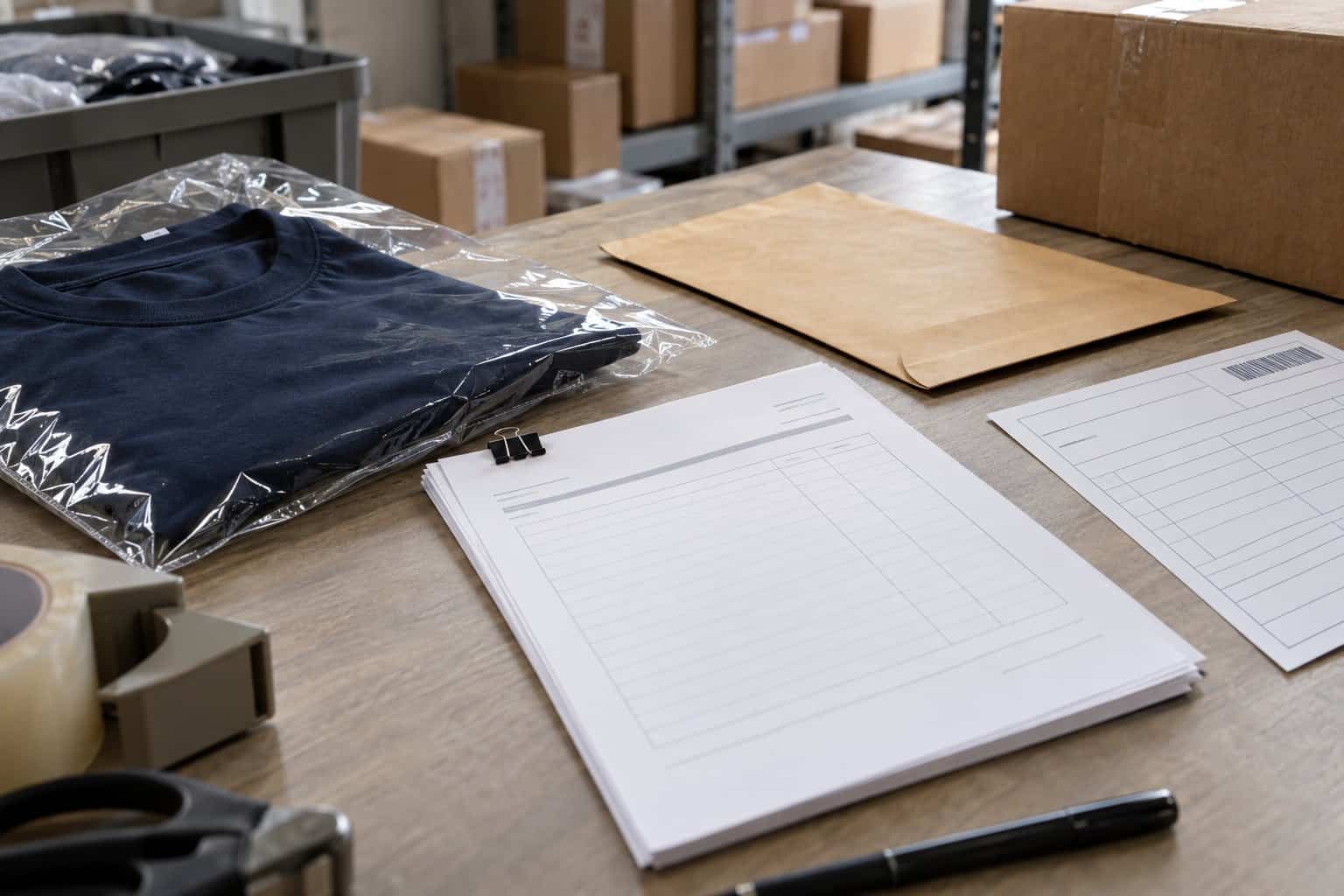
The normal delivery point is the named destination, with the goods available on the arriving vehicle for unloading. Import-clearance obligations create an important qualification: do not assume that every customs-related loss, delay or extra cost remains with the seller until the goods reach your stockroom. ICC Academy’s DAP and DDP comparison explains the buyer’s import-clearance responsibilities and associated risks under DAP.
For apparel, send the broker the style descriptions, construction and fiber details early. Use the approved sample and specification as the reference. Agree who will answer classification or origin questions, and how quickly that person can provide supporting information.
If this is your first import and you have no clearance arrangement, a low DAP price is an incomplete budget. Obtain the missing services and charges before comparing it with DDP.
What changes when an apparel quote is FOB?

Under Incoterms 2020 FOB, the seller delivers on board the vessel at the agreed shipment port. Cargo risk then passes to the buyer. FOB is intended for sea and inland-waterway transport; it is not the ICC rule for an air-cargo or express-parcel handover. See ICC Academy’s FCA and FOB explanation.
The buyer must budget beyond the quoted garment amount: main freight, any separately payable destination services, import clearance, duties and the onward movement to the receiving point. Check the actual scope rather than assuming every origin or destination charge has been allocated correctly on a forwarder’s estimate.
FOB can be practical when the brand has a competent forwarder and enough order visibility to coordinate booking and documents. It can be awkward when a first-time buyer expects a door-delivered shipment but has only approved a price to an origin vessel.
Ask for the named port, proposed handover, shipment mode and excluded charges. Treat “FOB factory” or “FOB airport” as wording to clarify before accepting an Incoterms 2020 contract, not as a complete description of the delivery obligation.
For containerized garments, ask about FCA
Apparel cartons are often handed to a carrier or consolidation terminal before a vessel is loaded. That creates a practical question: does the proposed FOB handover match the place where the seller can actually deliver the goods to the buyer’s transport chain?
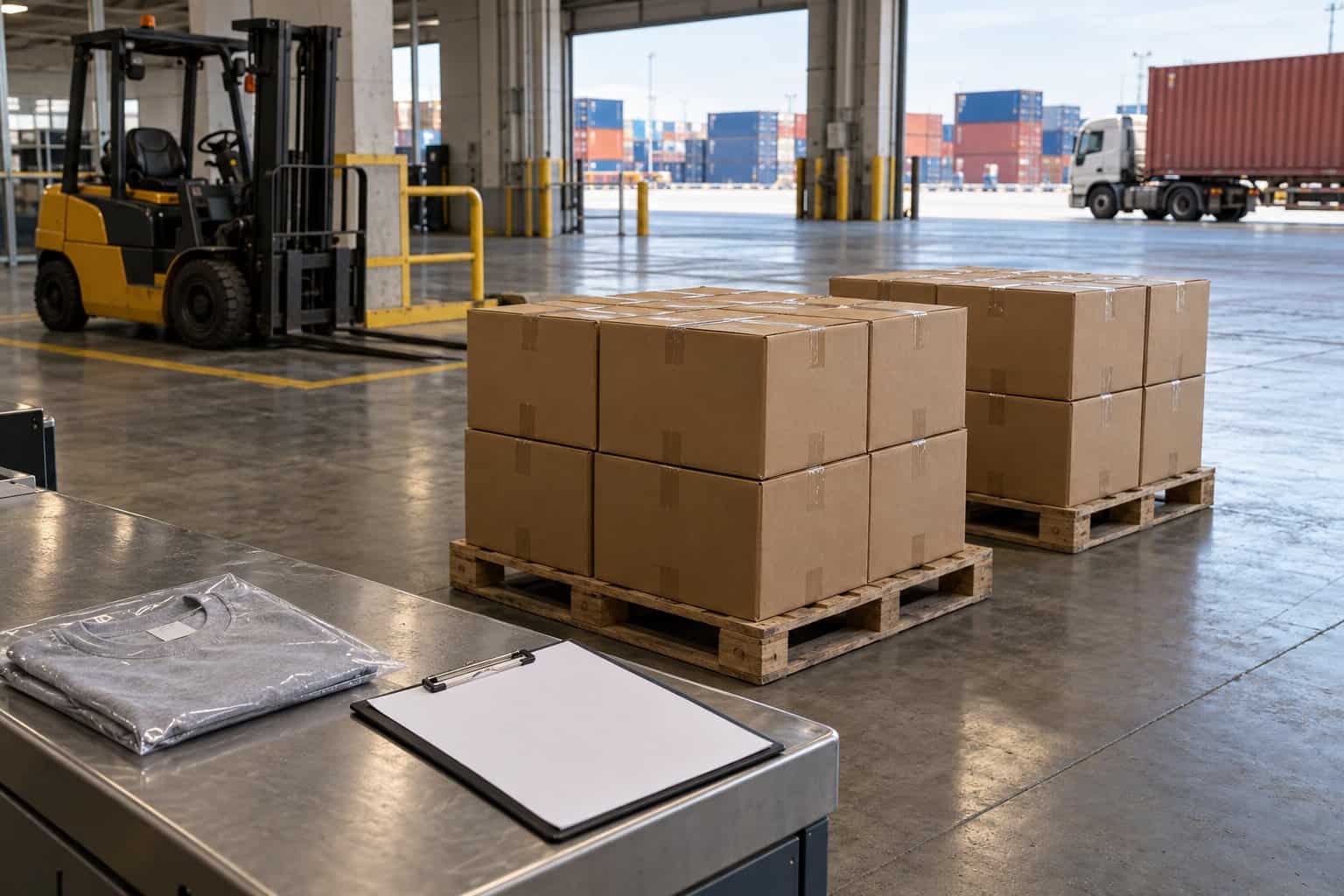
FCA, Free Carrier, can provide a more suitable carrier-handover point for containerized or multimodal shipments. Define the named place and review the loading and delivery conditions for that location. Do not swap three letters on the quote while leaving the operational handover unexplained.
For a small consolidated shipment, ask the forwarder and supplier to identify where custody changes, what receipt will evidence that event, and which party handles the next stage. Compare an FCA alternative when that better matches the movement. This is a transport-structure decision before it is a price comparison.
If the parties cannot document the proposed handover, clarify it before accepting FOB. Confirm the appropriate rule for the shipment, then normalize the costs.
Name the delivery point before comparing prices
“DDP USA” and “DAP Los Angeles” leave too much unresolved for a clothing order. A port area, airport terminal, fulfillment-center gate and receiving dock can be different destinations with different services needed between them.
Identify the actual address and receiving point. Include the appointment requirement, vehicle access, unloading equipment, opening hours and contact person in the logistics brief. A third-party warehouse may have its own carton, pallet and booking rules. Obtain those requirements before the cartons are packed.
A useful order line identifies the rule, the named destination or loading port, and “Incoterms 2020.” Add the practical receiving instructions separately. The location description should be precise enough for both the seller’s transport provider and your warehouse to recognize the same place.
If you later change the destination, request a revised quote and responsibility record. Do not assume the initial delivered price covers a different warehouse, unloading method or receiving appointment.
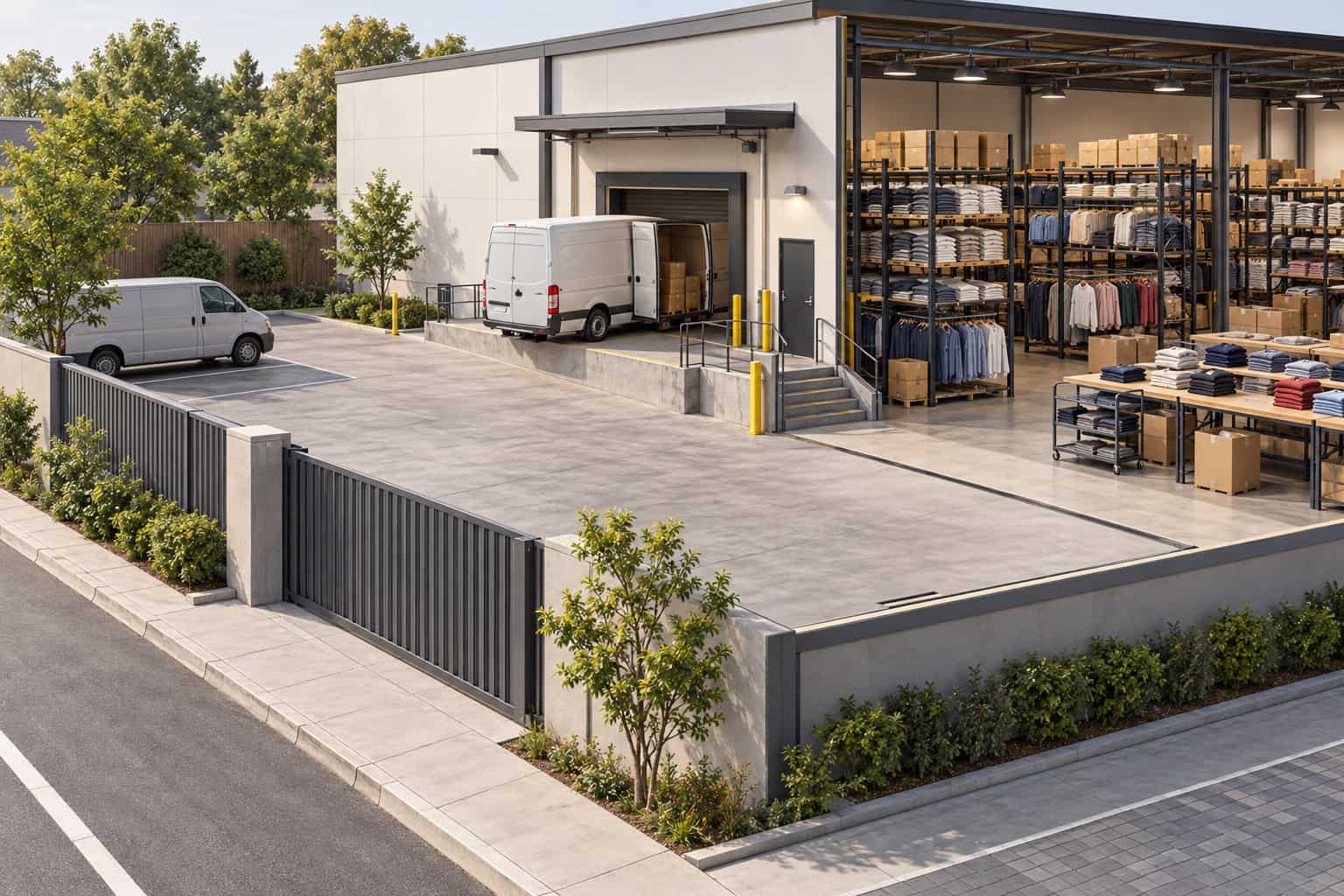
A worked comparison for 500 T-shirts
Assume three hypothetical offers for the same 500 T-shirts, identical packaging, one currency and the same U.S. receiving dock. All figures below are invented USD planning inputs, not freight rates, current apparel duties or DTS quotations. Unloading costs $100 and is excluded from all three quoted prices.
The FOB option is usable only if the vessel-handover arrangement is appropriate and agreed. For a typical container or consolidation-terminal handover, request an FCA alternative before relying on this comparison.
FOB: $8,350 delivered budget
- Garments and the agreed FOB scope: $6,000.
- Main freight: $850.
- Destination handling and inland carriage: $350.
- Brokerage: $150.
- Broker-estimated duties and government fees: $900.
- Unloading: $100.
The total is $8,350, or $16.70 per ordered shirt. Confirm the forwarder has captured the full route after the agreed handover.
DAP: $8,550 delivered budget
- DAP quote, including goods and carriage to the same dock: $7,400.
- Duties and government fees: $900.
- Brokerage: $150.
- Unloading: $100.
The total is $8,550, or $17.10 per ordered shirt. The example assumes the $7,400 already includes the transport and destination services needed to reach that dock, so those amounts are not added again.
DDP: $8,600 delivered budget
- DDP quote, including goods, carriage, import clearance and the modeled import charges: $8,500.
- Unloading: $100.
The total is $8,600, or $17.20 per ordered shirt. This assumes the seller can perform the agreed clearance arrangement and the confirmed quote includes the stated charges. Adding the $900 duty estimate and $150 brokerage again would double-count them.
These totals compare cost scope. They do not validate the goods’ customs value, classification or the seller’s import arrangements. Enter verified amounts in the clothing landed cost calculator once the quote inclusions are clear.
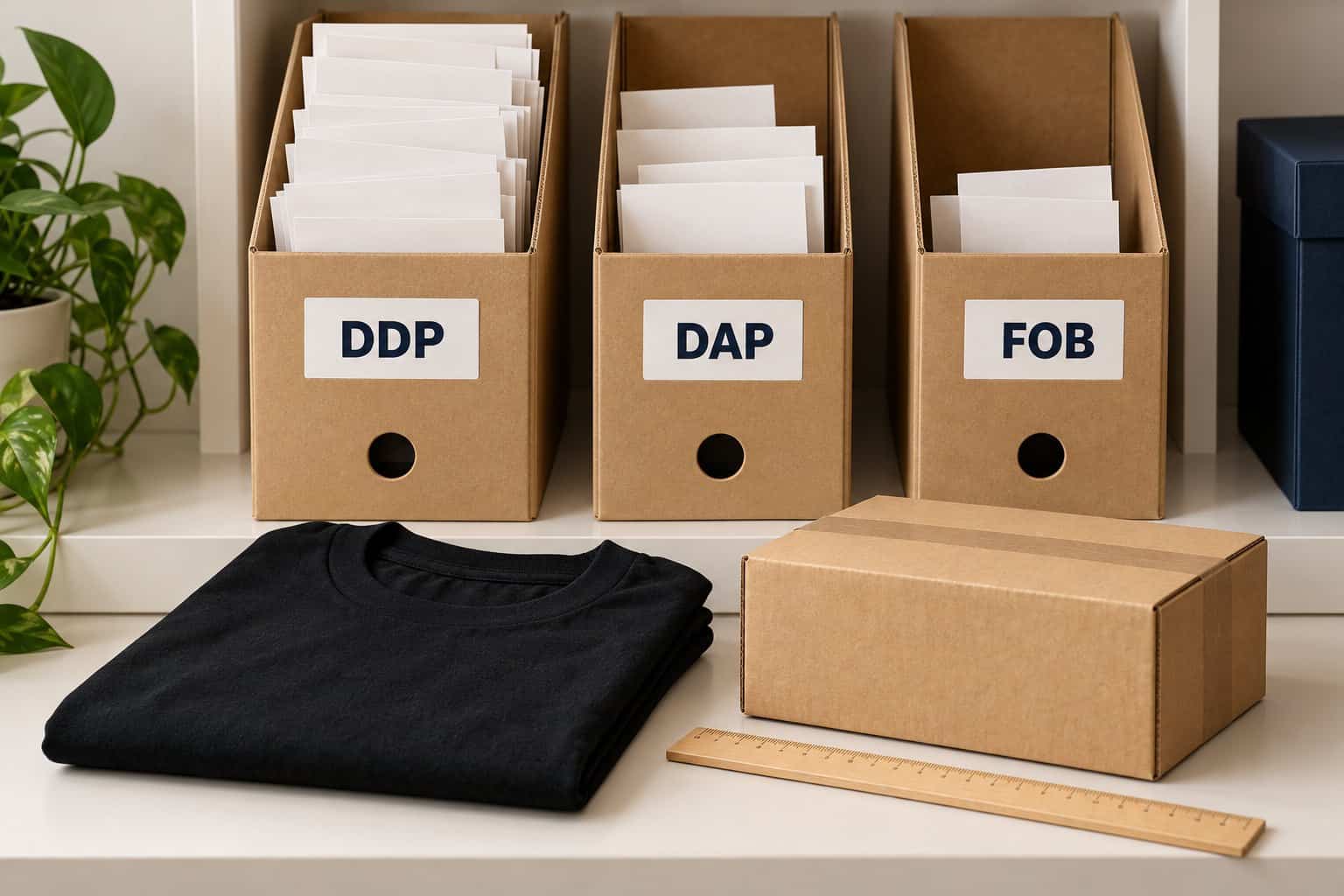
How much extra is DDP worth?
In the example, DDP costs $50 more than DAP after both budgets reach the same dock and include unloading. Divide $50 by 500 shirts: the additional budget is $0.10 per ordered shirt. That is the price difference to assess against the coordination work and accountability you would receive.
FOB appears $250 cheaper than DDP, or $0.50 per shirt. The buyer must still decide whether the proposed handover is suitable and whether the services and responsibilities have been priced completely. The smallest total is not actionable if it depends on a shipment arrangement the parties cannot perform.
Test the uncertain lines. If an omitted, buyer-payable charge adds a hypothetical $400 to the FOB budget, it rises to $8,750. DDP at the unchanged modeled scope would then cost $150 less. This is a sensitivity check, not a claim that FOB routinely attracts that charge or that DDP can never be adjusted.
Ask how long the quote remains valid and what triggers a revision. Budget certainty depends on those agreed conditions and the counterparty’s ability to meet them, not solely on the Incoterm abbreviation.
Which unexpected charges need an agreed payer?
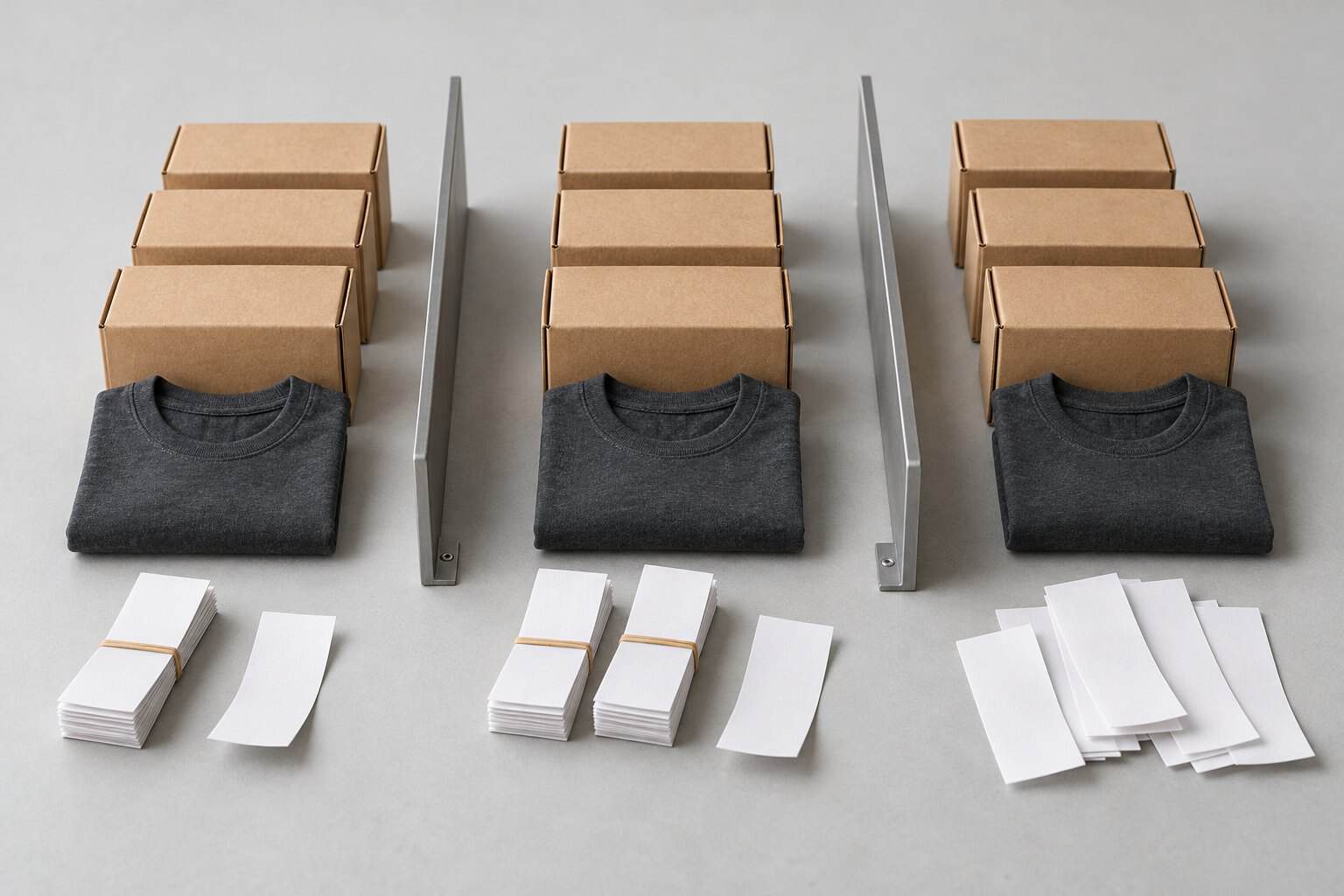
Ask about services and exceptions relevant to the route: customs examinations, storage, delayed collection, additional delivery attempts, appointments, liftgate service and unloading. These are possible quote questions, not charges that every apparel shipment will incur.
Separate an included service from an exception caused by a particular event. “Delivery included” might describe the planned trip without explaining what happens if the receiving warehouse refuses the cartons. Determine the notification process, who authorizes extra work and what evidence supports the charge.
For a proposed DDP order, clarify any exclusion that appears to contradict the promised duty-paid scope. If import duties or clearance are to remain with the buyer, discuss an accurately documented arrangement rather than assuming the DDP label resolves the inconsistency.
Keep the agreed inclusions, exclusions and price-adjustment conditions with the purchase approval. A conversation that ends with “it should be covered” gives the person paying the next invoice little to work with.
Confirm the importer and entry records
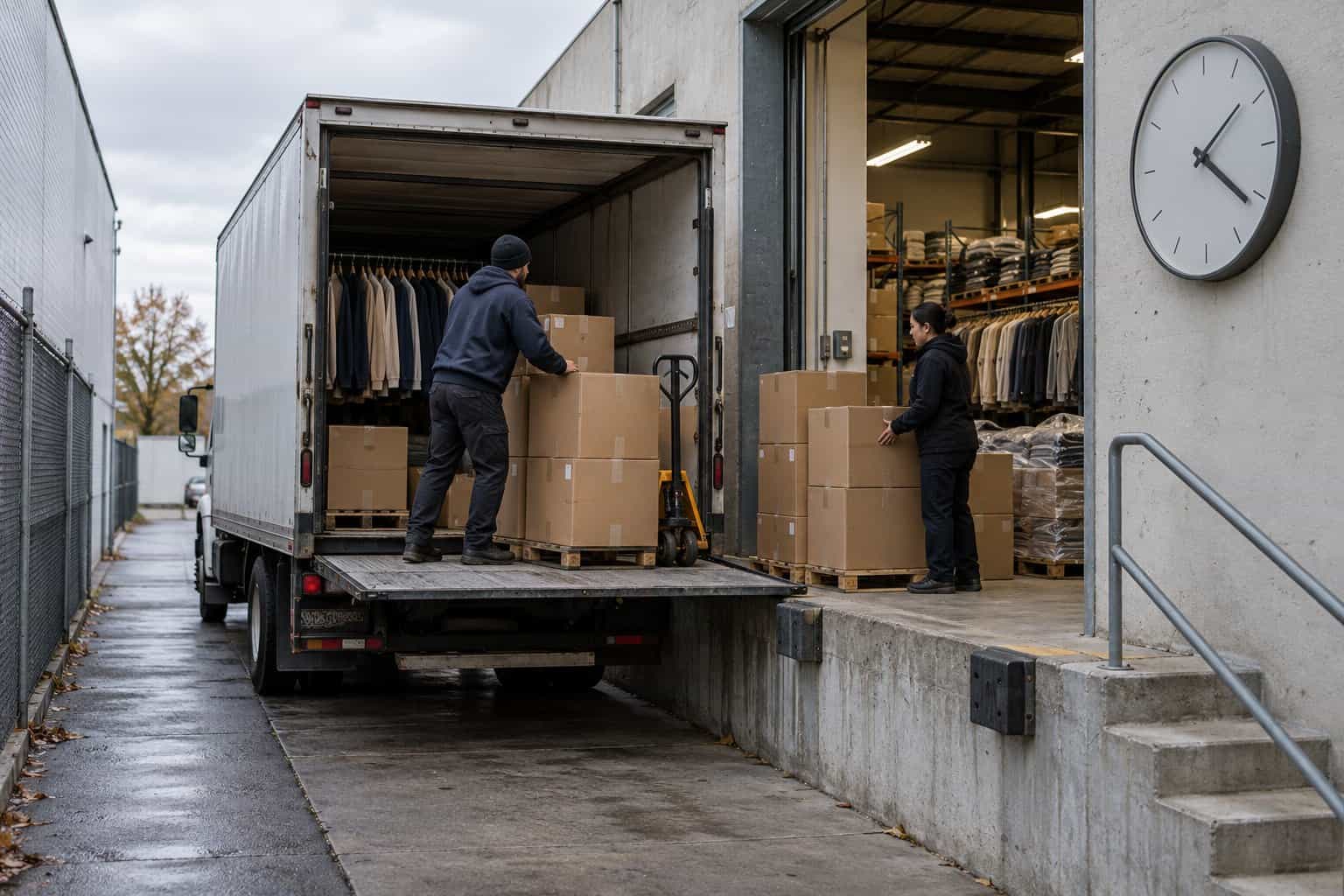
Ask who is the importer of record for the proposed U.S. entry and what authorizes the broker to act. Do this even when another party offers to organize the shipment. Incoterms allocate obligations between contracting parties; they do not override the importing country’s legal requirements.
CBP’s tips for new importers explain that using a broker does not remove the importer of record’s responsibility for correct entry documents and applicable duties, taxes and fees. Do not assume that buying DDP automatically makes your business the importer, or automatically prevents it from being named in that role. Confirm the actual arrangement.
For clothing, the record should identify the goods well enough for classification and origin review. “Sportswear” alone is insufficient for a complete product file. Use the clothing HS code guide to prepare garment facts for your customs reviewer. Obtain current entry-date charges from that reviewer; changing the delivery term does not make a taxable product duty-free.
If the proposed importing party or documentation is unclear, resolve that uncertainty before deciding that the delivered quote is acceptable.
Cargo risk and cargo insurance are separate questions
A risk-transfer point tells the contracting parties where their respective exposure changes. It does not establish that an insurer will pay a loss. The DDP, DAP and FOB rules do not impose the cargo-insurance obligation found in the Incoterms rules that specifically require it.
Ask what cover has actually been arranged, who is insured, what shipment value and route it covers, and who files a claim. Review exclusions and the evidence needed with the relevant provider. A carrier’s liability and a cargo-insurance policy should not be treated as interchangeable promises.
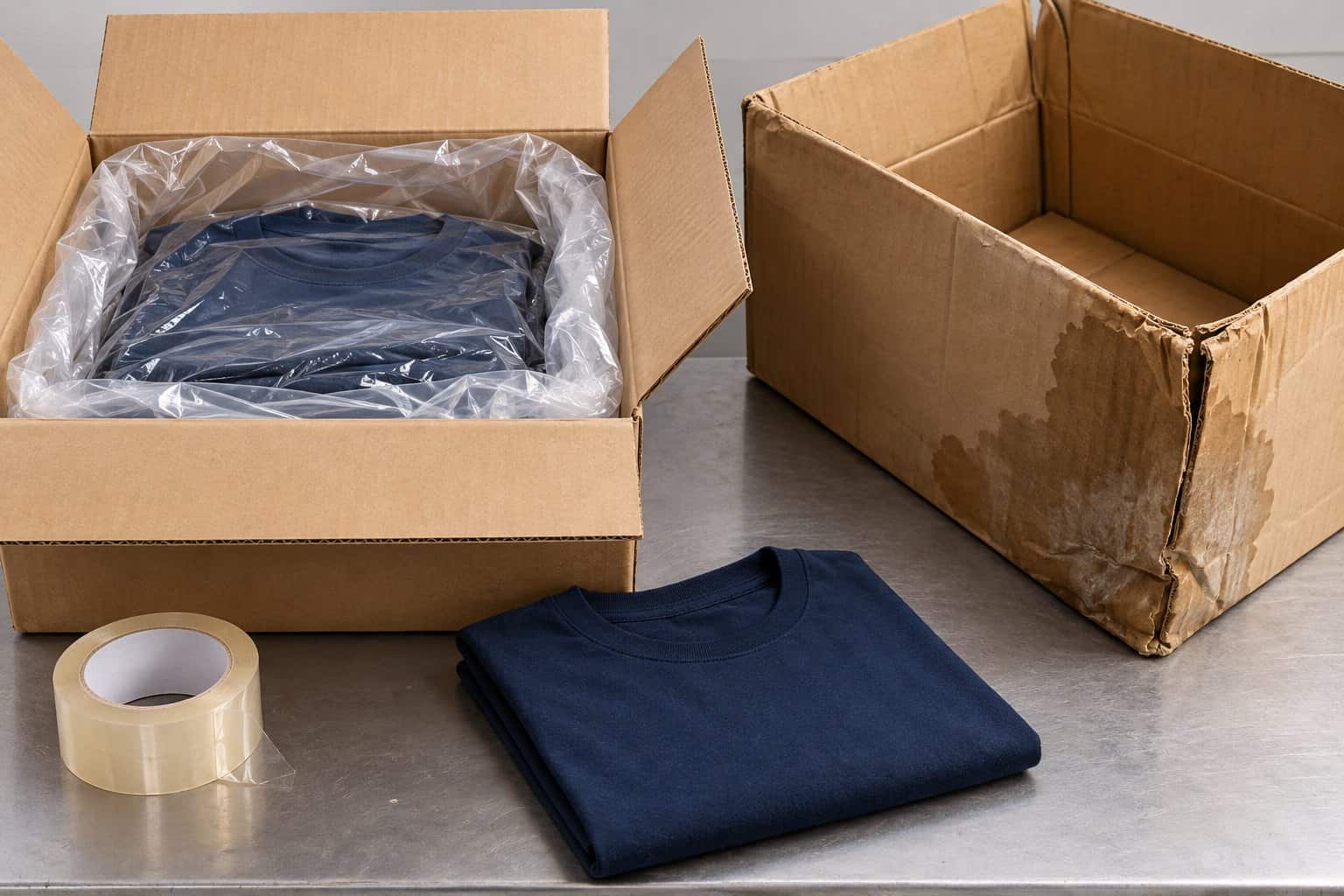
At dispatch and receipt, retain the shipment references, packing records and condition evidence. If cartons arrive damaged or wet, record the condition and follow the applicable carrier, warehouse and insurance notification requirements promptly. Do not rely on a universal claim deadline copied from an unrelated route.
For apparel, verify the protective packaging as well as the financial cover. A quote comparison should use the same agreed carton and inner-packing specification; otherwise a lower transport budget may accompany a different packing scope.
Send one shipping brief to every quote provider
Use the same product and shipment assumptions when asking the supplier and forwarder for prices. At minimum, provide:
- Garment styles, quantities by size and color, and the approved specification revision.
- Estimated carton count, dimensions, gross weight and packing method, with final values to be confirmed.
- Origin collection or loading point, cargo-ready window and proposed transport mode.
- Exact destination and receiving instructions, including any appointment or unloading requirement.
- Proposed Incoterm, named place or port, edition and the importing-party arrangement to be confirmed.
- Requested included services, exclusions, quote validity and adjustment conditions.
Ask the supplier for the product and packing information it can substantiate. Ask the logistics provider and customs reviewer to confirm the parts within their scope. Where a field is still an estimate, label it as such; a freight quote based on preliminary carton dimensions may change when final packing is available.
DTS’s delivery and support page provides a relevant place to discuss order logistics. Confirm available delivery arrangements for the specific order rather than assuming every route or term is offered.

Requote when a trial order becomes a repeat program
A term that works for a small trial may deserve another review when quantities, shipping mode or receiving arrangements change. A repeat program can justify more buyer coordination, but volume alone does not prove FOB or FCA will be cheaper.
For the trial, focus on a clear importer arrangement, complete delivered budget and a receiving plan your team can manage. For repeats, compare the seller’s delivery offer with an independent logistics quote using confirmed packing data. Retain the first order’s actual invoices so recurring charges are visible.
Reopen the comparison when you change the 3PL, switch from air to sea, alter packing or consolidate several suppliers’ orders. Preserve the product specification while testing logistics alternatives; a cheaper offer based on a different garment or packing scope is not a useful comparison.

Apparel Incoterms questions before purchase approval
Does DDP include import duty?
DDP allocates applicable import duties and import clearance to the seller as between the contracting parties. Confirm the quotation and lawful importing arrangement. It does not create a tax exemption or remove obligations imposed by customs law.
Can a carrier still ask me to pay on a DDP order?
A payment request can occur, but it does not settle the contractual allocation. Ask what the charge is, who is named in the entry and which party should resolve it under the agreed order. Check urgently with the seller and broker rather than assuming the label proves the invoice is yours or can safely be ignored.
Is FOB suitable for an air shipment of clothing samples?
ICC FOB is a sea and inland-waterway rule. Ask for a rule and named handover suited to the actual air or courier movement. Also distinguish ICC FOB from domestic “FOB shipping point” or “FOB destination” wording that may appear in other sales contexts.
Who unloads under DAP and DDP?
The buyer normally unloads at the named destination. Check whether unloading costs were already included in the seller’s carriage contract. Agree the equipment and receiving arrangements so the truck can be accepted without an improvised extra service.
Does DAP or DDP automatically include cargo insurance?
Neither rule requires the seller to arrange cargo insurance for the buyer. Ask for the actual policy scope if insurance is offered. The seller’s responsibility for transport risk should not be read as a promise of insurance coverage in your name.
Which Incoterm is cheapest for a first apparel order?
There is no fixed winner. Compare complete costs to the same receiving point, reject arrangements that cannot be performed, and assess the coordination required. In the hypothetical example, DDP’s premium over DAP is only $50; different valid quotes or excluded charges can change that result.
Approve a complete route and budget
Choose the rule after checking the shipment mode, importing arrangement and receiving point. Compare the final totals only after each quotation identifies its included services and exceptions. Keep that scope with the order so arrival invoices can be checked against a record, rather than reconstructed from emails.
For a first order, a modest price difference may be worth paying for work your team cannot yet coordinate. For a repeat program, test alternatives with actual packing and invoice data. Neither decision needs a claim that one abbreviation always saves the most.
Request an apparel quote with usable packing assumptions
Send DTS the garment brief, order quantities, packing requirements and intended destination. Request an itemized product quote and preliminary carton information, then confirm the available delivery terms for that order. If the garment specification is incomplete, use tech pack customization to define it first. Share the same approved facts with your forwarder and customs reviewer so the manufacturing price, shipment estimate and import budget refer to the same goods.