As of October 13, 2026, US clothing brands can no longer build commercial shipments around the old $800 Section 321 de minimis exemption. CBP has suspended the commercial exemption across shipping modes. A low-value parcel may still use an eligible informal entry process, but that is a customs procedure, not duty-free treatment.
For a brand shipping each order from overseas, price the apparel, entry, duty, freight, delivery, returns and inventory together. Compare direct parcel shipping with a consolidated import and a hybrid launch plan before the next purchase order. A factory quote is one line in the delivered-cost calculation.
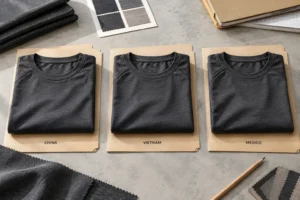
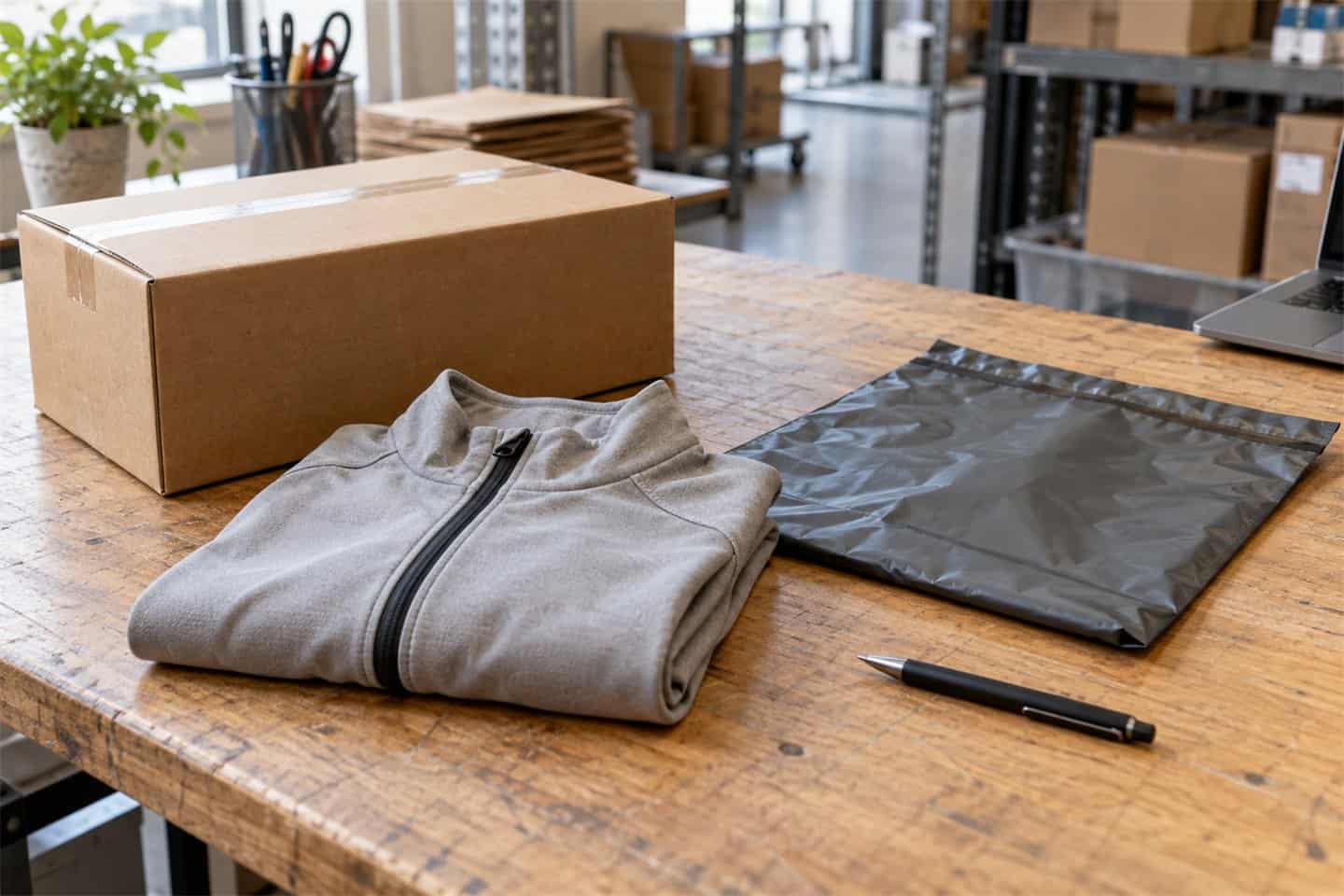
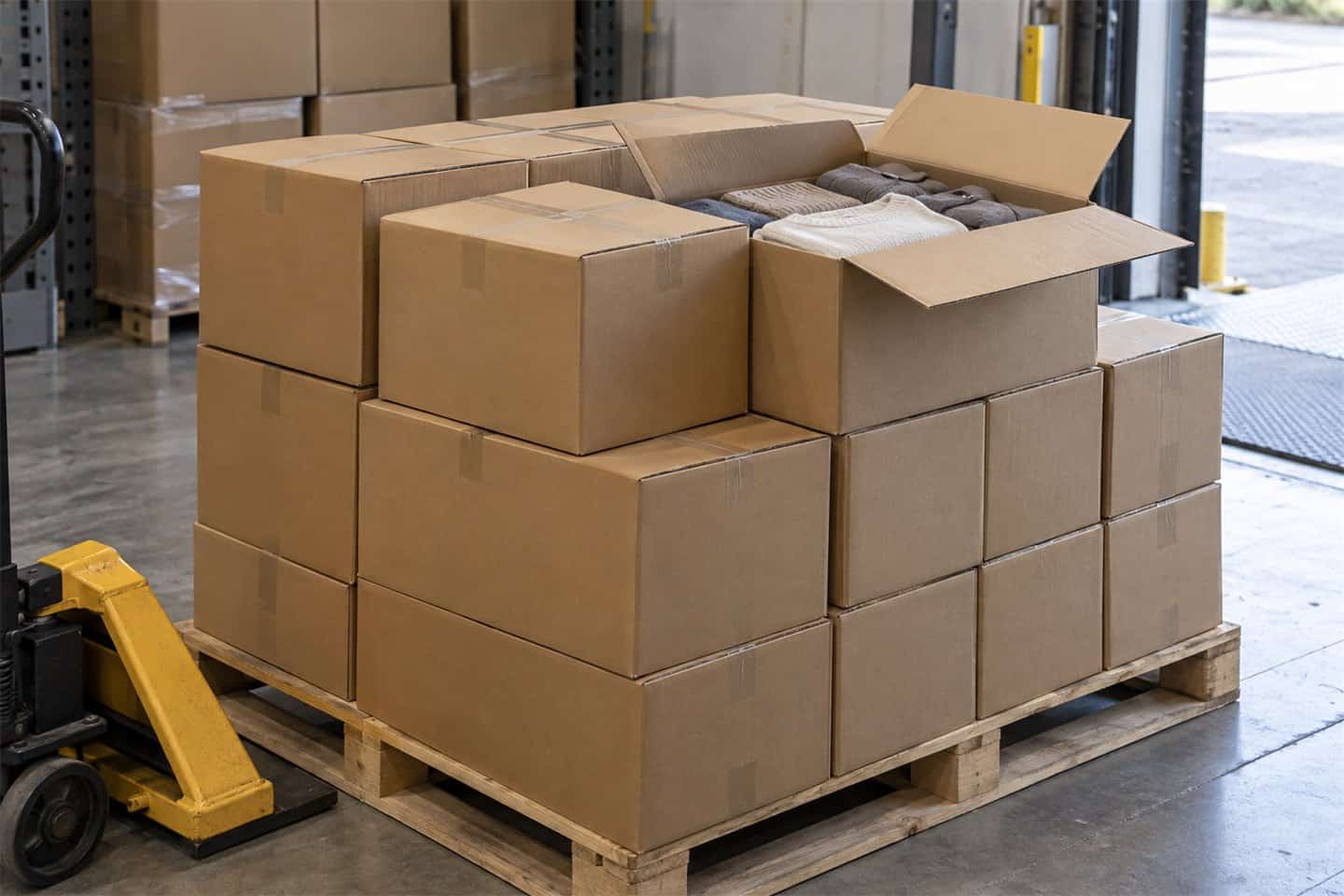
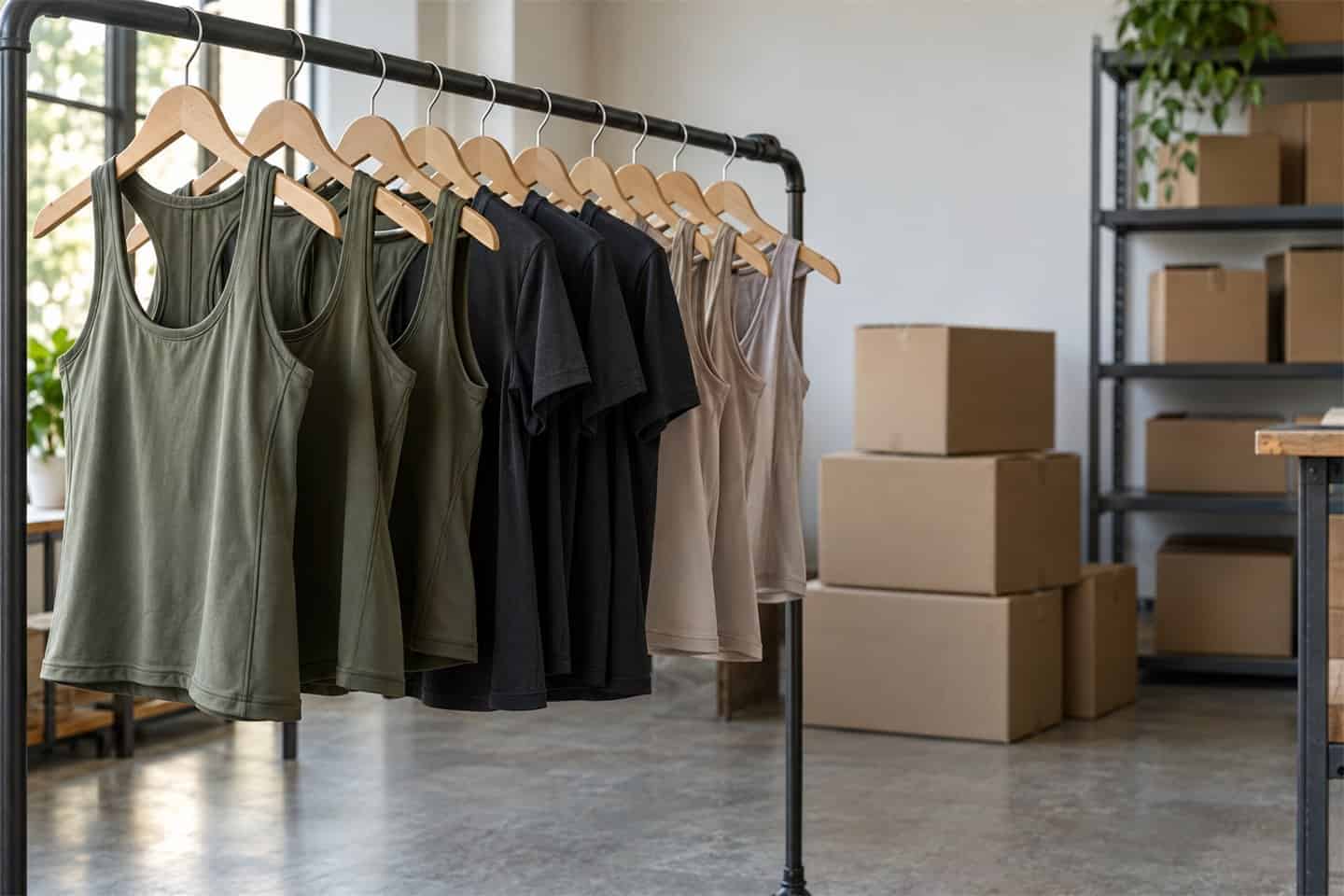
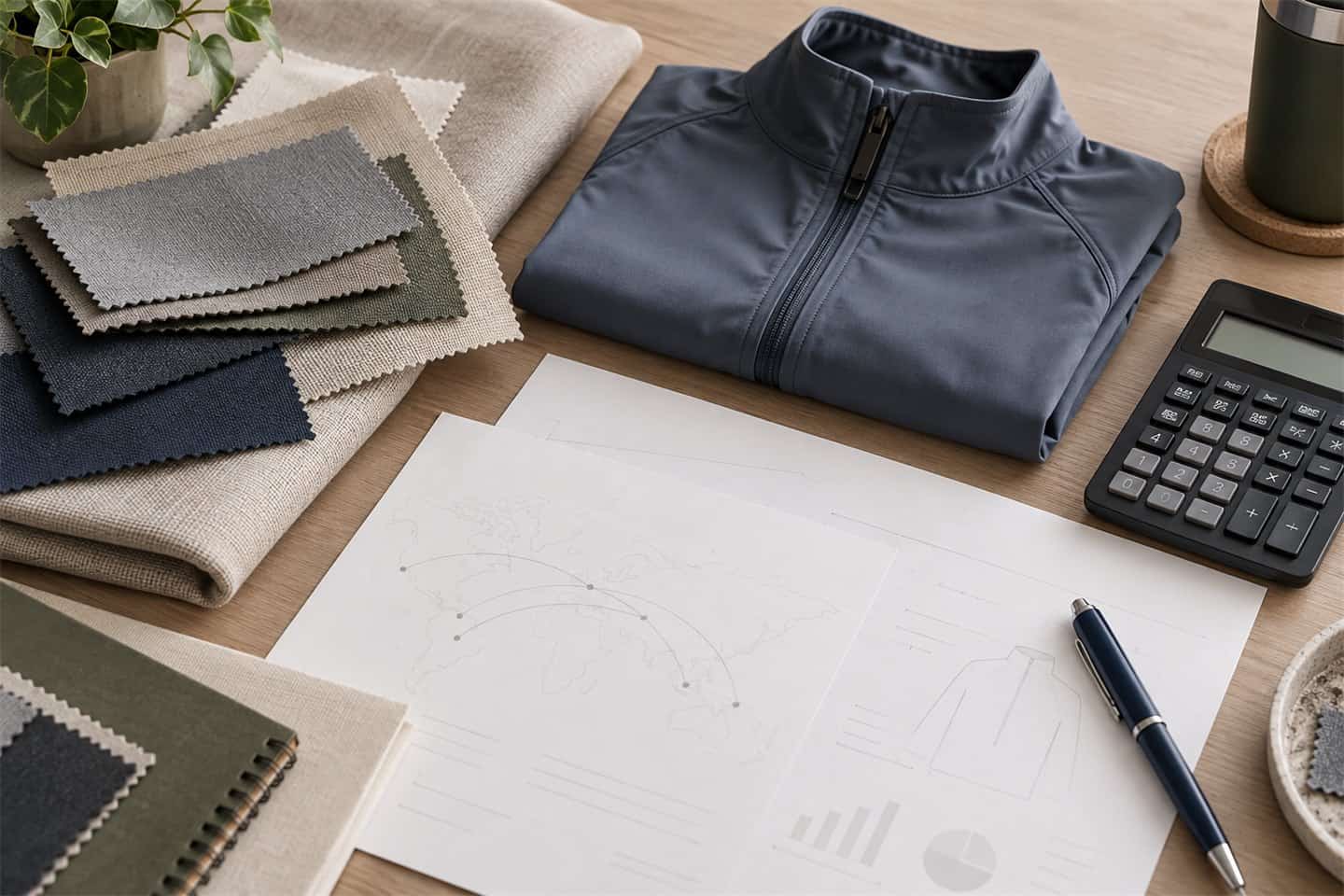
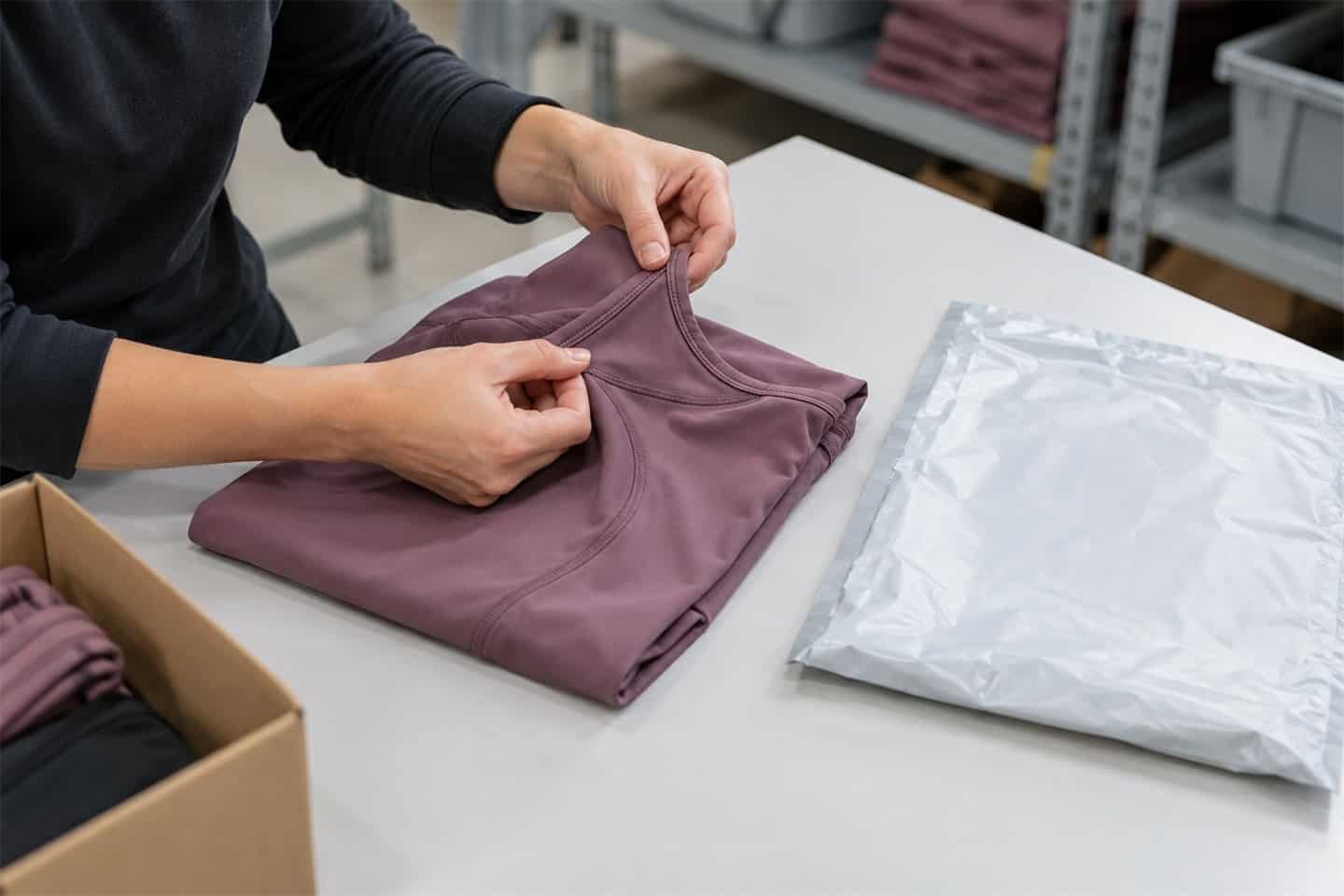
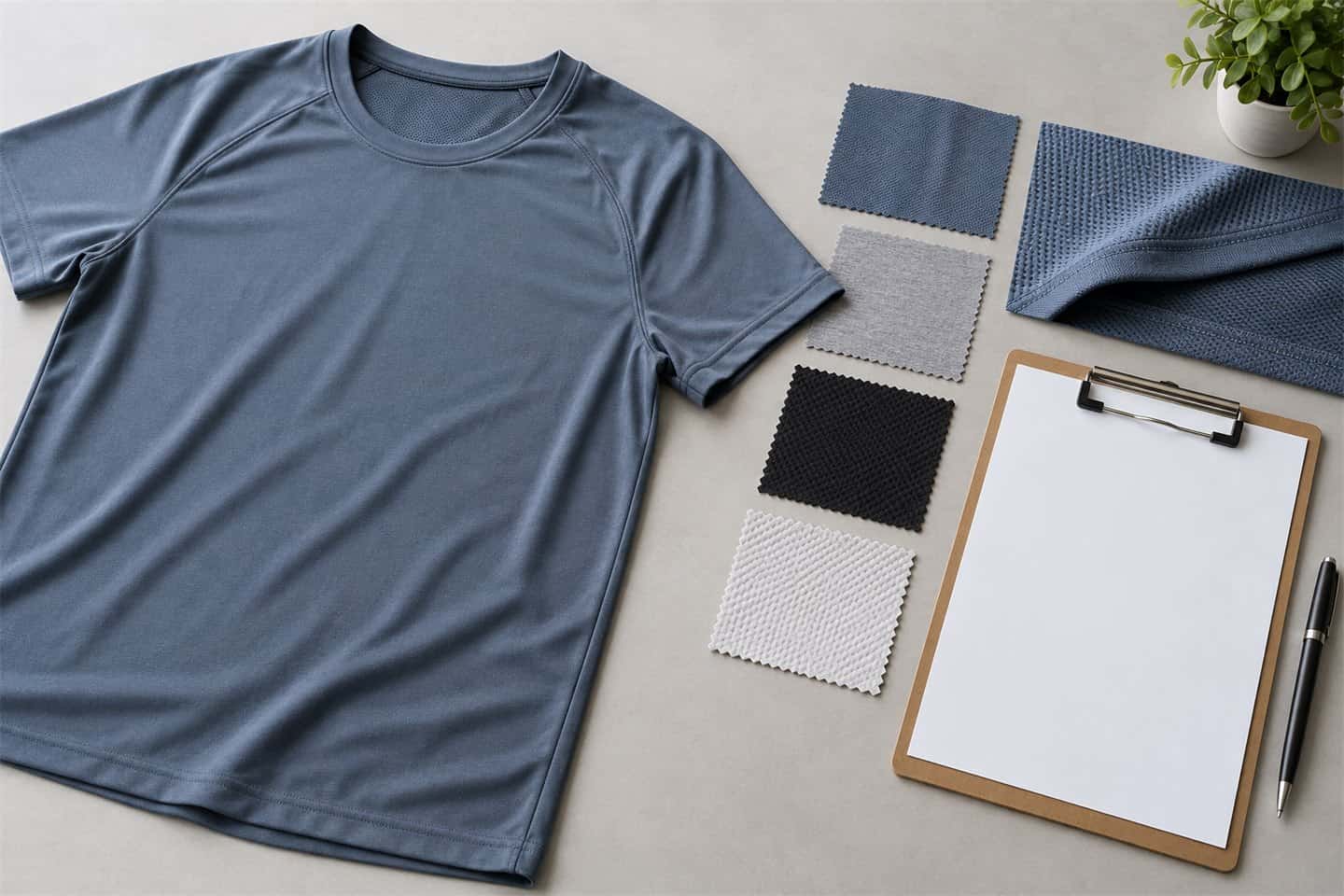
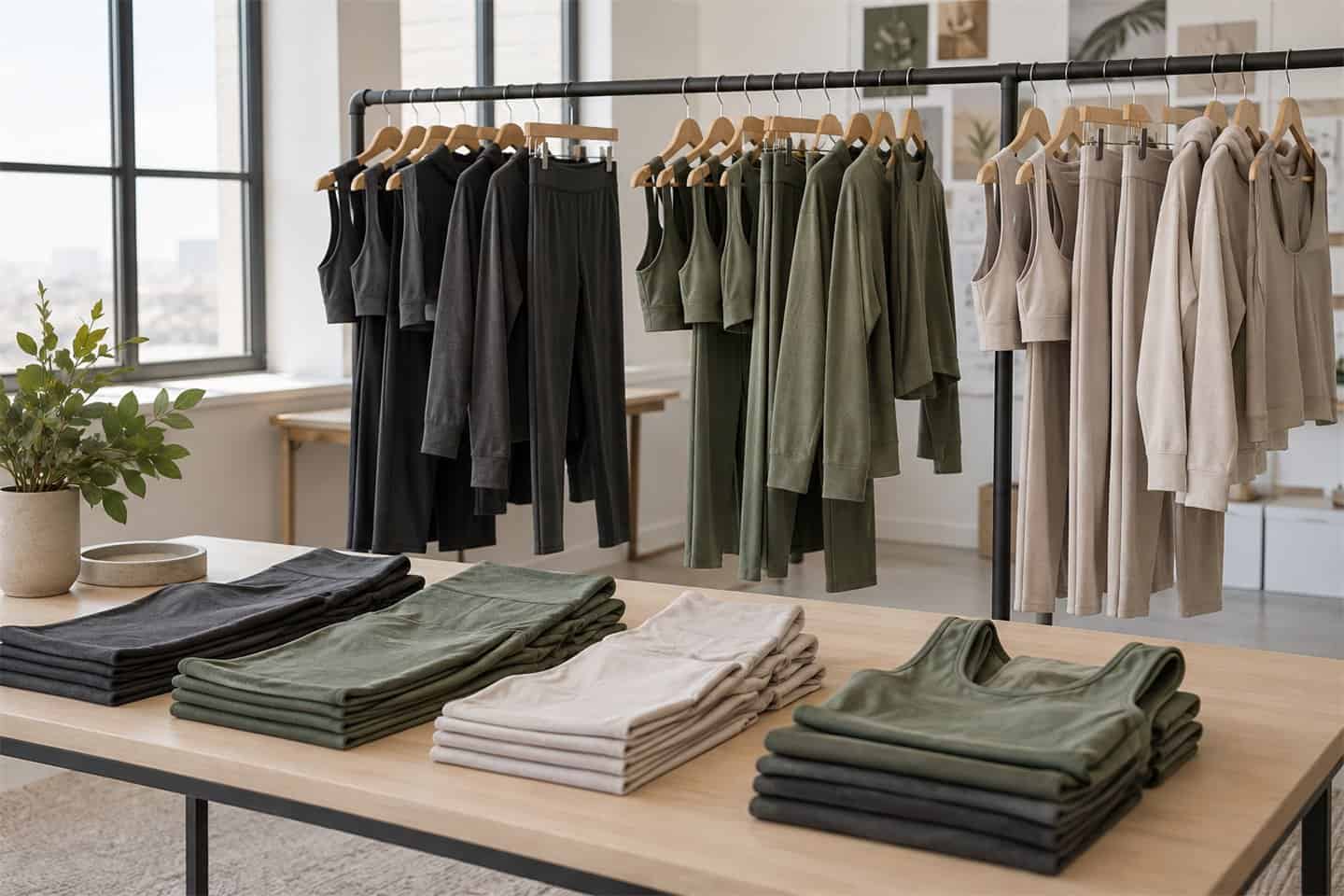
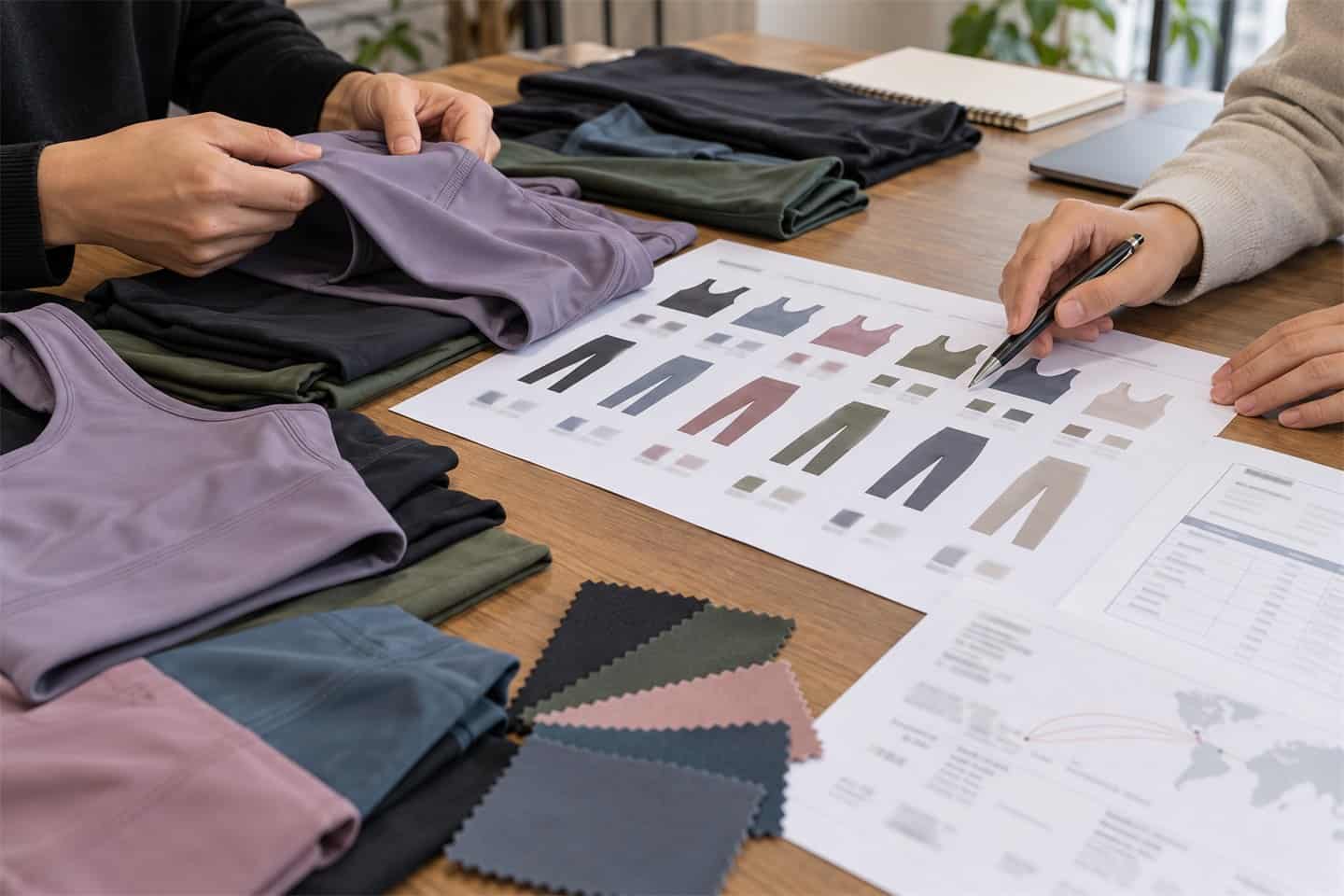
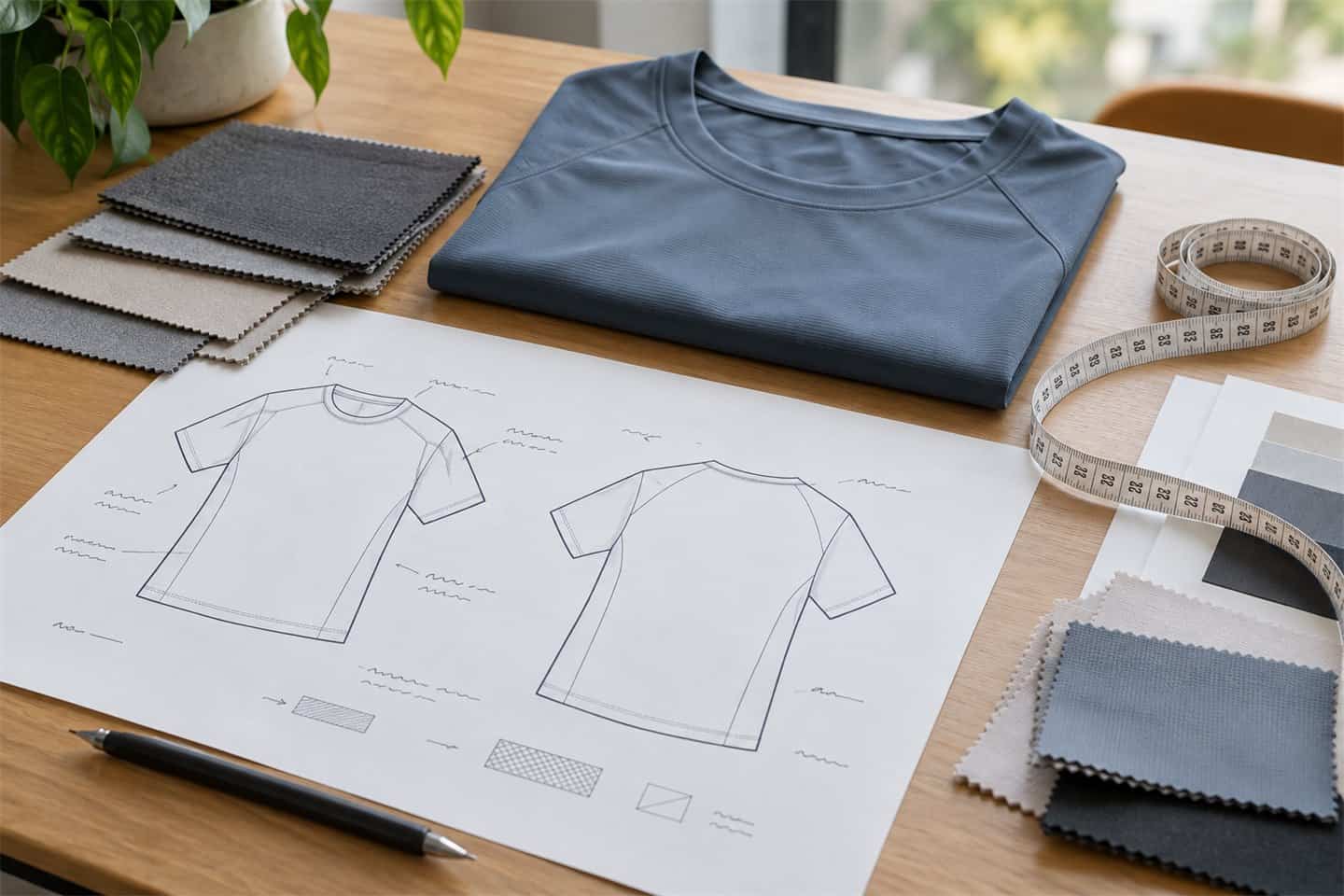
Image note: The generated visuals in this article are illustrations. They do not show DTS inventory, actual customs documents, a specific warehouse or company operations.
The short answer on de minimis apparel in 2026
The commercial $800 exemption under Section 321, 19 U.S.C. 1321(a)(2)(C), is suspended for goods arriving through non-postal channels and international mail. The exemption that let eligible low-value commercial packages enter without duty is not available as a general apparel-shipping strategy. CBP says a different entry type must be used for affected commercial goods.
That does not mean every parcel needs a formal entry. Eligible shipments may be entered informally. For international mail, CBP established a separate postal informal entry process that generally covers eligible goods valued at $2,500 or less. Postal processing does not restore the old duty-free exemption. Check the current CBP instructions and ask the customs broker or carrier handling the entry what data, fees and timing apply to your shipment.
There are also narrow Section 321 exceptions for bona fide gifts and certain personal effects accompanying travelers. Those are not a route for routine customer orders or commercial inventory.
The legal timeline matters: CBP announced the regulatory suspension on June 24, 2026. Its international-mail guidance says the new postal informal process applies from July 24, 2026. The statute is scheduled to terminate the commercial de minimis exemption on July 1, 2027. These dates describe different steps in the policy; neither gives a commercial apparel shipment a duty-free window today. Read CBP’s mail guidance, the non-postal interim final rule, the postal interim final rule and Public Law 119-21.
One near-term detail matters for mail shipments: CBP says that from October 22, 2026, some merchandise will be excluded from the manual postal informal process. The listed exclusions include Chapter 98 duty-free claims, merchandise subject to Chapter 98 or 99 duties, free-trade-agreement duty-free claims and goods with Partner Government Agency requirements. Check the current CBP e-commerce FAQ before mailing goods on or after that date; another entry route may be required.
What changed for a US clothing brand?
The old model separated a customer order from most of the border-entry cost. A brand could send a low-value apparel order as an individual parcel and rely on the commercial de minimis exemption if it met the rule. That exemption is no longer a sound basis for a 2026 landed-cost forecast.
Now, a brand needs a documented answer to four operational questions:
- Who is the importer of record, and who arranges the customs entry?
- Which entry process is available for the shipment’s value, mode, goods and eligibility?
- What classification and country-of-origin facts support the duty calculation?
- What do brokerage, transport, fulfillment and returns add to the cost of a saleable unit?
The answers depend on the actual product and transaction. A sports bra, polyester training tee and cotton woven shirt may have different tariff classifications and duty treatment. Fiber content alone does not determine the complete classification. Do not use one apparel duty percentage across a whole catalog. Confirm the classification, origin and current measures with a qualified customs broker, and check the current USITC Harmonized Tariff Schedule.
Hiring a broker does not remove the importer’s responsibility for the entry. CBP says the importer of record remains responsible for the correctness of the entry documentation and applicable duties, taxes and fees, even when a broker is used. See CBP’s tips for new importers.
Can a brand still ship apparel orders one by one?
Yes, a brand can still choose to send individual customer orders from overseas if the sale, carrier, importer arrangement and customs entry are handled correctly. What changed is the cost and process behind each shipment. The parcel still has to move through an applicable entry process, and applicable duties, taxes and fees may be collected.
Direct shipping can still fit products with a strong margin, customers who accept longer delivery, or a launch that needs very little stock. It can be a poor fit when each parcel carries its own clearance and delivery cost, customers expect quick local returns, or a small basket leaves little margin to absorb a surprise charge.
Before retaining the model, ask the carrier or broker for a written, shipment-specific estimate. Confirm whether the quote includes entry preparation, duty advances, disbursement or brokerage fees, and the delivery terms shown to the customer. “Shipping included” does not tell you who pays customs charges.
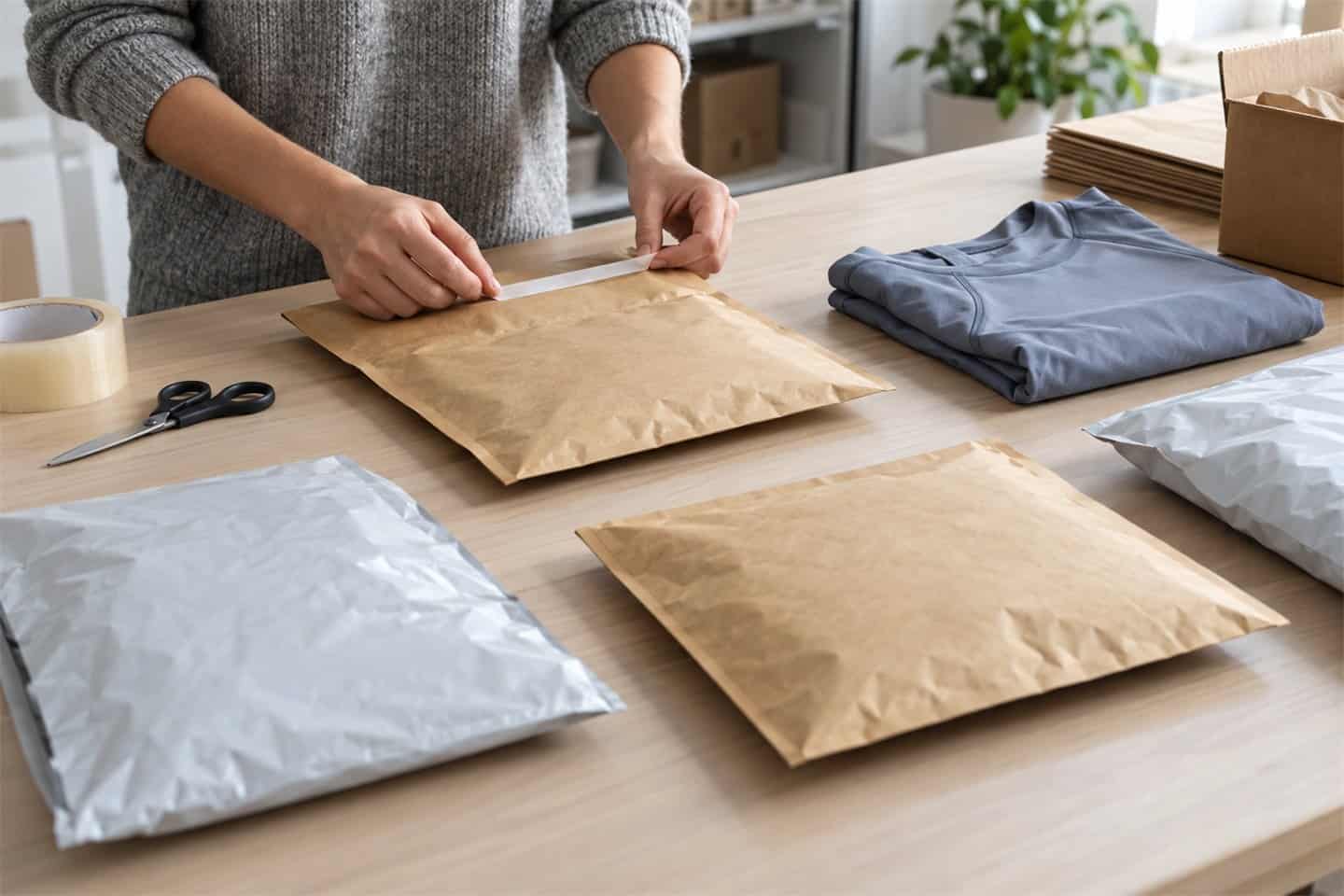
Check the customer promise as well. A low shipping price may not help if delivery dates are uncertain, a customs bill arrives at the door or a return must travel overseas.
Three fulfillment models to compare
There is no single replacement that works for every clothing brand. Compare the operating models against order size, delivery promise, return rate, cash tied up in stock and sale-through.

1. Direct parcel fulfillment
The factory or fulfillment partner ships each customer order separately. This avoids holding a broad US assortment, but each order has its own international movement and entry steps. It can work for made-to-order products or controlled tests where buyers accept the delivery time and the full per-order cost is disclosed.
Review how duties are paid, who is importer of record, how failed delivery and returns are handled, and what happens if a parcel is selected for review. Do not assume a low declared value, a different postal channel or splitting an order creates an exemption.
2. Consolidated import to US inventory
The brand places a larger production order, imports it through an appropriate entry, then fulfills domestic orders from a US warehouse or 3PL. A single inbound movement may simplify downstream parcel fulfillment and make delivery faster. It does not erase import duties or guarantee a lower total cost. The brand also pays for stock, inbound freight, entry, receiving, storage, pick-and-pack, domestic delivery and unsold inventory risk.
Request a quote for this model if products sell steadily, customers expect domestic shipping, and the brand can fund inventory before all units sell. Compare every warehouse charge and order minimum with the cost of direct parcels.

3. Hybrid launch and replenishment
A hybrid plan holds core sizes and colors in the US and keeps slower variants or new designs on a smaller test run. The brand can use customer demand to decide what to replenish, but it must still cost each inbound shipment under the applicable entry process. A split assortment can also create more complex purchase orders, labeling, inventory allocation and replenishment planning.
Model this option when a few SKUs account for most sales and demand for the rest of the range is uncertain. Do not split or describe shipments to evade customs rules. The customs broker should review the real transaction and shipment facts.
Calculate landed cost per saleable unit
Start with the full cost of getting the product into the customer’s hands, then divide by units that can actually be sold. Keep one-time and recurring costs separate, and record the assumptions behind each quote.
Landed cost per saleable unit = (product cost + international freight and insurance + customs duty and entry charges + inbound handling + storage and fulfillment + domestic delivery + expected return and loss cost) ÷ saleable units
For direct parcel fulfillment, calculate the same items per customer order. For a 3PL model, include receiving, storage duration, pick-and-pack, packaging, parcel postage, return processing and any minimum or account fees. Use the broker’s classification and rate estimate for the actual apparel item, origin and shipment date. Do not copy a duty estimate from a different fabric, country or product type.
Hypothetical cost example: 100 performance T-shirts
Assume one 100-piece order of the same performance T-shirt at a hypothetical factory price of $8.50 per piece, or $850 total. For the direct model, assume each shirt ships separately to its customer. For the bulk model, assume the 100 shirts enter the US together and then ship from a US 3PL. Every freight, brokerage and fulfillment figure below is an invented planning input for this example, not a DTS quote or a current carrier or warehouse rate.
Direct parcels, before customs duty:
- Product: 100 × $8.50 = $850
- International door-to-door parcel delivery: 100 × $12 = $1,200 (assumption)
- Export packing and handling: 100 × $0.50 = $50 (assumption)
- Carrier entry or collection charge: 100 × $5 = $500 (assumption)
- Subtotal before duty: $2,600, or $26.00 per shirt
- Customs duty: D-direct, to be calculated for the actual garment, origin, customs value, entry date and applicable measures
Consolidated import plus US 3PL, before customs duty:
- Product: 100 × $8.50 = $850
- Consolidated international freight and insurance: $250 (assumption)
- Broker and entry charge: $150 (assumption)
- Receiving and allocated short-term storage: $80 (assumption)
- Pick and pack: 100 × $2.50 = $250 (assumption)
- Packaging materials: 100 × $0.75 = $75 (assumption)
- Domestic parcel delivery: 100 × $5 = $500 (assumption)
- Subtotal before duty: $2,155, or $21.55 per shirt
- Customs duty: D-bulk, calculated separately from the real entry facts
In this set of assumptions, direct parcels cost $445 more before duty. That is a comparison of these made-up inputs only; it is not a forecast that bulk import will save $445. The landed totals are $2,600 + D-direct and $2,155 + D-bulk, before returns, unsold sizes, financing, long-term storage, 3PL minimums and any fees not listed here.
The duty line is deliberately left as a variable. “Performance T-shirt” is not enough information to assign a 10-digit HTSUS code or rate. The exact construction, knit or woven structure, fiber percentages, garment type, origin, customs value and import date can change the classification or applicable measures. Have a customs broker review the garment and calculate each entry; check the current USITC HTSUS and CBP’s customs-value guidance. Do not apply one apparel percentage to either total.
Then compare the models using the same selling price and demand assumptions. A larger order may reduce some per-unit transport costs while increasing cash tied up in stock. A small parcel may use less inventory capital while carrying more cost per delivered order. Neither comparison is complete without expected return rates, stockouts, markdowns and unsold sizes.
Get a production quote from the same brief
If this comparison points toward a production order, send DTS the tech pack or product references, planned quantity by size and color, target product-cost budget, destination country, sales channel and packaging requirements. See the For E-commerce Sellers service for online-channel planning and Sampling & Prototyping for fit, fabric and pre-production sample review. DTS can discuss apparel development and production scope; use your customs broker and logistics providers for duty, entry and US fulfillment estimates.
Apparel details to settle before the next import quote
Give the broker and logistics providers enough detail to quote the real product and route. A product name such as “activewear” or “clothing” is not enough to classify a shipment or estimate its entry requirements.
- Product construction: garment type, knit or woven construction, gender or age group where relevant, and intended use.
- Materials: fiber content by component, coatings or finishes, lining, trims and other construction details.
- Origin: where the product is manufactured and any processing that affects origin. The ship-from country and country of origin are not always the same.
- Assortment: quantities by SKU, color and size, unit values, packaging and whether samples or commercial goods are included.
- Shipment plan: departure country, transport mode, destination, delivery terms, target arrival date and planned order frequency.
- Entry responsibility: importer of record, broker or carrier, entry type, data requirements, duty and fee payment, and the party that handles exceptions.
Ask the broker to document the proposed HTSUS classification and the facts used to reach it. If a product changes in material, coating, construction or use, ask whether the classification or rate needs another review. Check the effective date on any tariff notice; apparel duties and additional measures can change.
Are Clothing Samples Subject to Import Duties in 2026?
They can be. The suspension of the general commercial de minimis exemption does not make every sample duty-free, and calling an item a “sample” on a form does not qualify it for a separate tariff treatment. HTSUS 9811.00.60 lists a general duty rate of Free for qualifying samples valued at no more than $1 each, or higher-value items that meet the marking or alteration test. In both cases, the goods must be used in the United States only to solicit orders for foreign products. Check the HTSUS and ask a broker whether any other current measures or entry fees apply. Samples used to check fit, wear-test a garment, approve a production sample or give away a saleable unit should not automatically be treated as qualifying under that provision.
For a garment valued over $1, CBP’s December 2025 apparel ruling describes marking or physical alteration intended to make the garment unsuitable for commercial sale or other use, with the required treatment visible and permanent. In that ruling, an inside sewn-in “Sample not for resale” label did not qualify. The ruling describes accepted options including a prominent permanent “SAMPLE” mark or a visible cut, tear or hole, and says the invoice must be identified as “Mutilated Samples” before import. Those requirements may make an approval garment unsuitable for the very fit or wear review a brand wants to perform, so confirm the sample’s purpose and entry treatment with a broker before the factory ships it. Read CBP ruling N356247 and the current HTSUS provision; the ruling applies to its stated facts and does not guarantee another garment will qualify.
Before shipping samples, agree with the supplier and broker on the garment description, fiber content, construction, country of origin, quantity and value per piece, intended use after import, invoice wording, marking or alteration, and the entry route. A “no charge” sample still needs an accurate customs value; see CBP’s invoice-value guidance. If it does not meet the requirements for 9811.00.60, ask the broker to classify it under the applicable apparel provision and calculate duty and entry charges from the real product and origin. Do not undervalue it or split a commercial order into sample parcels to seek a duty exemption.
A practical checklist before changing the supply chain
Before the next purchase order, run this sequence with your operations, finance and customs partners:
- List the current shipment pattern. Record order value, parcel count, shipping mode, return route, origin, SKUs and the party shown as importer.
- Get a current entry quote. Ask a licensed customs broker or carrier which entry route fits the real shipment and what is included in the estimate.
- Rebuild unit economics. Compare direct parcels, consolidated US inventory and a hybrid plan using the same selling price and demand forecast.
- Set the customer promise. Confirm delivery estimates, customs-charge disclosure, return address and who pays each charge.
- Test before scaling. Use a compliant, documented shipment for a limited assortment, then compare the invoice and actual delivery result with the quote.
- Review after a policy change. Check current CBP instructions, the HTSUS and broker guidance before a new order or shipment method.
This is an operating framework, not a tariff calculation or legal opinion. Customs obligations depend on facts such as importer role, classification, origin, value, transport mode and current rules. Have a qualified customs professional review the shipment plan.
What a clothing manufacturer can help with
The practical production question is whether the garment, quantities and packaging are defined well enough for a comparable quote and an approval sample. DTS’s public Sampling & Prototyping workflow describes prototype, fit and pre-production sample stages, with fit, fabric, trim and production details reviewed before bulk manufacturing. The sampling service page describes physical sample making, fit review, revisions and pre-production approval.
For an e-commerce order, prepare the unit plan as SKU × color × size instead of sending only a total such as “100 pieces.” Base the size ratio on your own sales data or test plan, then ask the supplier to confirm the minimum quantity and price for each style, color and decoration method. The DTS homepage says selected programs start from 50 pieces; that is not a blanket MOQ, so confirm what applies to the specific garment and assortment before budgeting.
Set packaging needs before the quote is finalized. DTS’s For E-commerce Sellers page lists sample customization, FBA labeling, packing guidance, drop-shipping preparation, size-chart review and reorder support. Give the supplier the required hangtag, care label, barcode, polybag, carton mark and marketplace or 3PL instructions, then confirm which items are included in the product quote. This is production planning information, not customs classification, US warehousing or a duty estimate.
De minimis and apparel import questions
Is the $800 de minimis exemption still available for US clothing orders?
The commercial Section 321 exemption in 19 U.S.C. 1321(a)(2)(C) is suspended for imports across non-postal modes and international mail. A commercial clothing order should not be planned as duty-free merely because its value is below $800. Other entry procedures may apply.
Do all low-value clothing shipments need formal entry?
No. Some eligible shipments can use an informal entry procedure. The available process depends on the shipment, value, mode, product and other eligibility rules. Ask the broker or carrier handling the actual entry rather than assuming every parcel is formal or every parcel qualifies for an informal route.
Can apparel still enter the US through the postal network?
Yes, mail remains a shipping channel, but the former commercial de minimis treatment is suspended. CBP’s postal informal process generally applies to eligible merchandise valued at $2,500 or less. From October 22, 2026, certain claims and goods with Partner Government Agency requirements are excluded from the manual process. Check CBP’s current mail instructions for entry data, payment and eligibility before tendering a shipment.
Does sending bulk apparel to a US 3PL avoid duty?
No. A US warehouse changes where inventory is held and how domestic orders are fulfilled. It does not by itself create a duty exemption. The importer and broker still need to determine the correct entry and applicable charges.
Is there one US import duty rate for clothing?
No. Rates depend on the correct tariff classification and country of origin, and may be affected by current trade measures or preference rules. Check the current HTSUS and ask a customs broker to review the product details. Do not apply one rate to every apparel SKU.
What information should an apparel sample invoice include?
Give the broker an accurate garment description, quantity, customs value, fiber and construction details, origin, intended sample use and the planned entry route. If claiming HTSUS 9811.00.60 for a higher-value garment, confirm its marking or alteration and required invoice wording with the broker before shipment; writing “sample” alone is not enough.
Should a small apparel brand stop direct shipping?
Not automatically. Compare the complete delivered cost, delivery time, customer experience, return path and inventory risk for direct parcels, US stock and a hybrid plan. A small test based on a written entry quote is more useful than a blanket rule.