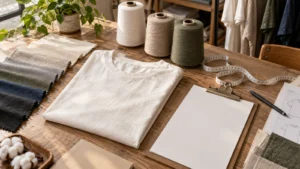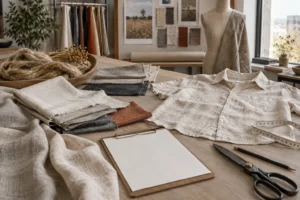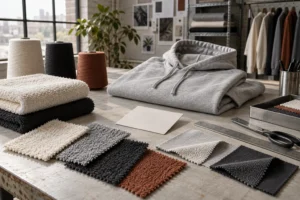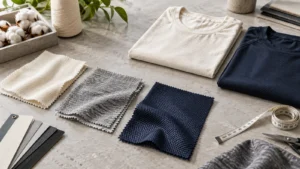
Athleisure is clothing with a sport-inspired look and enough comfort, stretch, or mobility for light activity, while still fitting ordinary daily settings. For an apparel buyer, the boundary is useful: performance activewear is activity-first; athleisure is lifestyle-first with selected performance features.
The term matters when a brand is deciding what to develop, how to write a product brief, and which fabric or fit problems a sample must solve. This guide explains the category in buyer language, then turns the idea into specifications a supplier can quote and sample.
What is athleisure?
Athleisure describes apparel that borrows the comfort and visual language of sportswear for everyday wear. The Cambridge English Dictionary defines athleisure as a style that works for sport but is fashionable enough for other activities. That definition captures the category, but it is not a fabric specification.
For product development, athleisure is a use case and a styling direction. It does not tell a factory whether to use a 180 GSM jersey, a brushed fleece, a stretch woven, or a particular stitch construction. Those decisions depend on the garment, climate, movement level, price position, and care expectations.
Ask three questions before using the label in a brief:
- Where will the customer wear the garment after leaving the gym, studio, or field?
- Is the activity light and incidental, or does the garment need to manage sweat, abrasion, support, and repeated movement?
- Does the product need a clean everyday silhouette, or can it look like dedicated training gear?
The answers keep a broad lifestyle idea from turning into an unsuitable technical promise. A soft jogger for travel, a structured performance polo, and a compression legging may all be marketed near athleisure, but they require different patterns, fabrics, and tests.
Athleisure vs activewear vs sportswear
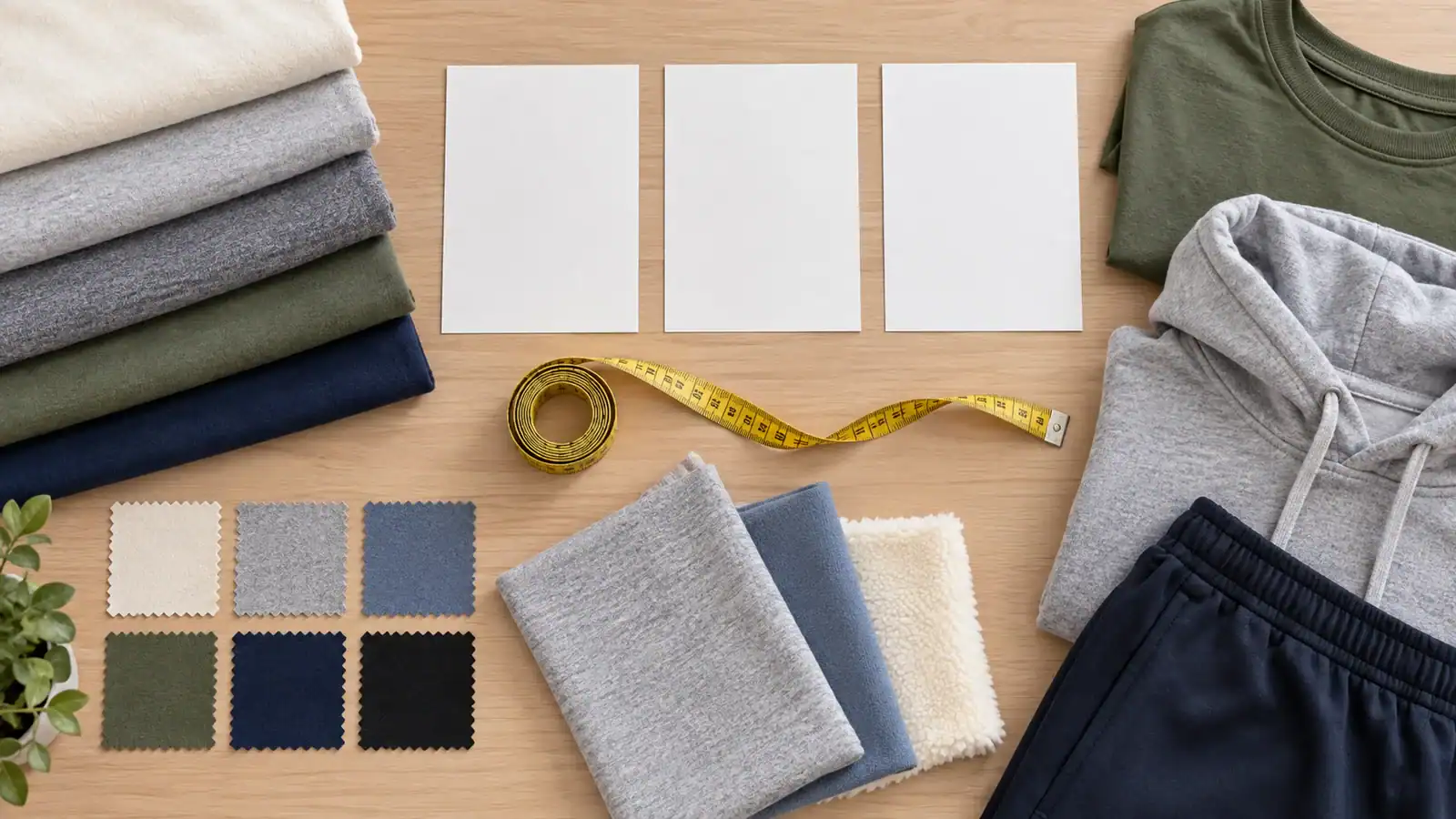
The words overlap in retail copy, so a buyer should define the primary job instead of relying on the category name. REI’s athleisure explanation also draws a practical line between fashion-first athleisure and activity-first activewear.
| Category | Primary job | Typical specification priority | When a buyer should use the term |
|---|---|---|---|
| Athleisure | Move comfortably through daily life with a sport-influenced appearance | Hand feel, clean proportions, easy care, moderate stretch, and a controlled visual system | The product must work for commuting, travel, errands, social wear, or light activity |
| Activewear | Support exercise or training | Moisture management, stretch and recovery, support, opacity, durability, and movement | The activity and its performance demands drive the brief |
| Sportswear | Describe a broad sports-related apparel category | Product type, sport context, construction, and brand styling | The range includes multiple sport or lifestyle products and needs a wider category label |
| Leisurewear | Provide relaxed comfort outside formal or technical use | Softness, ease, warmth, drape, and care | The product is mainly for rest and casual use, with little performance expectation |
Athleisure is therefore not automatically a lighter version of activewear. A brand can make athleisure with technical fabric, but the garment should not promise performance that the construction and testing cannot support. Conversely, a cotton-rich sweatshirt may fit an athleisure range even though it would be a poor choice for high-sweat training.
What makes a garment athleisure?
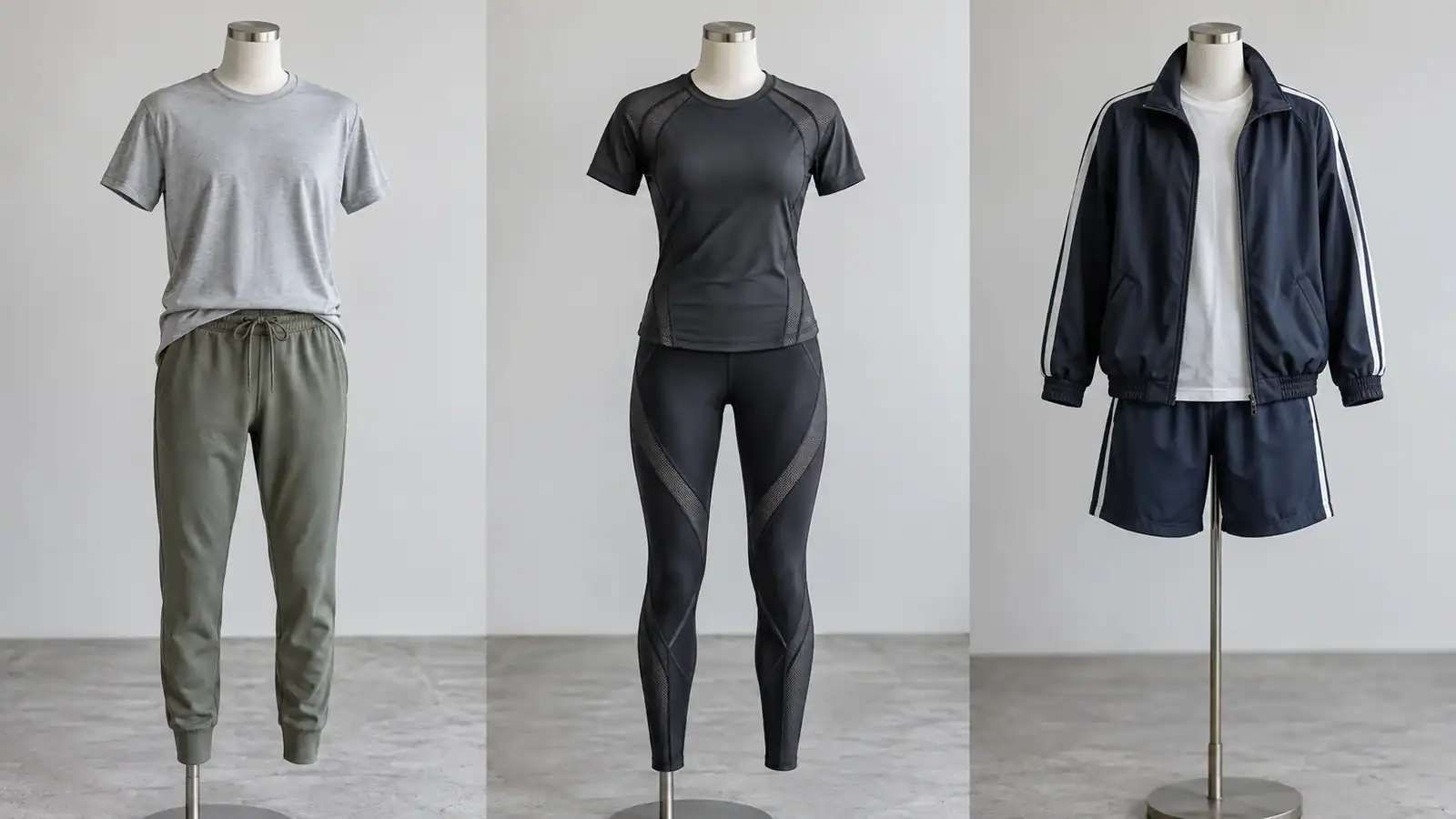
The category becomes clearer when it is broken into product decisions. A garment usually reads as athleisure when these decisions point in the same direction.
The activity threshold is defined
Write the intended activity in plain terms. Walking, commuting, travel, warm-ups, stretching, low-impact studio sessions, and casual recreation create different demands from running, high-intensity training, contact sport, or repeated outdoor exposure.
If a product will be used for both errands and exercise, state which use gets priority. That single decision affects fabric weight, lining, ventilation, seam placement, pocket security, and the level of stretch recovery required.
The silhouette is clean enough for daily wear
Athleisure usually avoids details that make a garment look tied to one training session. The design may use a tapered leg, a neat neckline, a smooth waistband, a restrained pocket, or a simple layering shape. These are styling choices, not universal rules. An oversized tee or relaxed hoodie can work just as well when the proportions are intentional.
Comfort is built into the pattern and fabric
Comfort does not come from softness alone. Ease, seam placement, waistband pressure, recovery, breathability, and the way the fabric hangs on the body all matter. A very soft fabric that bags at the knee or twists after washing can create more complaints than a slightly firmer fabric with better shape retention.
Color and decoration support repeat wear
Solid or coordinated colors are common because customers can combine the garment with more of their existing wardrobe. That does not mean every athleisure product must be neutral. The brief should state the color logic, contrast placement, logo scale, print method, and whether the decoration must stay smooth under a jacket or backpack.
Care matches the promised lifestyle
If the product is expected to travel, commute, or be worn several times per week, care instructions need to be realistic. The factory should review shrinkage, color change, pilling, print durability, trim behavior, and the effect of the proposed wash process before the label is finalized.
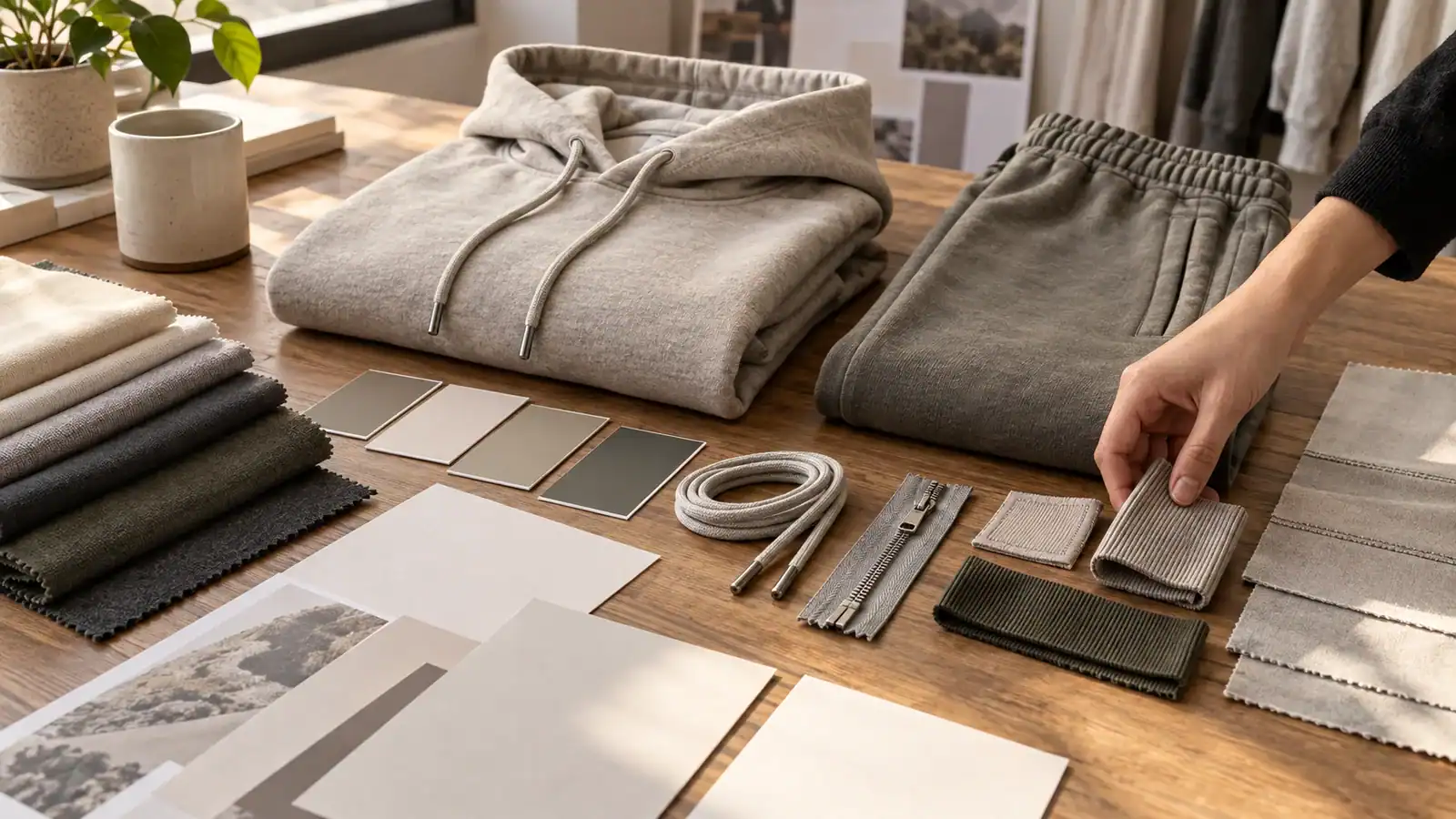
Common athleisure product categories
The best first product is usually the one that matches the brand’s existing audience and can be explained in one sentence. A large assortment is not a substitute for a clear use case.
| Product category | Typical athleisure direction | Details to lock before sampling |
|---|---|---|
| T-shirt or oversized tee | A relaxed base layer that can be worn with denim, joggers, or shorts | Body width, shoulder drop, length, neck rib, sleeve opening, fabric drape, and print placement |
| Tank top or stringer | A gym-influenced top that also works under an open shirt or jacket | Armhole shape, side seam position, back coverage, binding, and decoration method |
| Polo or structured top | A cleaner bridge between sport, travel, and casual work settings | Collar height, placket, fit ease, fabric recovery, and wash appearance |
| Hoodie or sweatshirt | A soft midlayer for commuting, travel, and warm-up use | Hood shape, rib tension, body length, brushed or loopback finish, and shrinkage |
| Jogger or sweatpant | A tapered or relaxed bottom that can move from home to outside use | Rise, waistband construction, drawcord, pocket opening, leg taper, cuff, and knee bagging |
| Legging or fitted tight | A close-to-body style that needs everyday comfort and may support low-impact activity | Opacity, gusset, waistband hold, stretch direction, recovery, seam comfort, and size grading |
| Training short | A casual short with enough mobility for gym, travel, or warm weather | Inseam, liner decision, waistband, pocket security, fabric noise, and leg opening |
| Track jacket or light layer | A clean outer layer that borrows sports details without looking like a uniform | Collar, hem, sleeve volume, zipper, lining, pocket design, and layering allowance |
DTS Activewear already presents custom T-shirts, tank tops, training shorts, joggers, sweatpants, cargo joggers, and long-sleeve tops as part of its product scope. The correct route still depends on the brief. A brand choosing between a jogger and a cargo jogger should compare pocket function, bulk, decoration, and the intended everyday setting rather than only the product name.
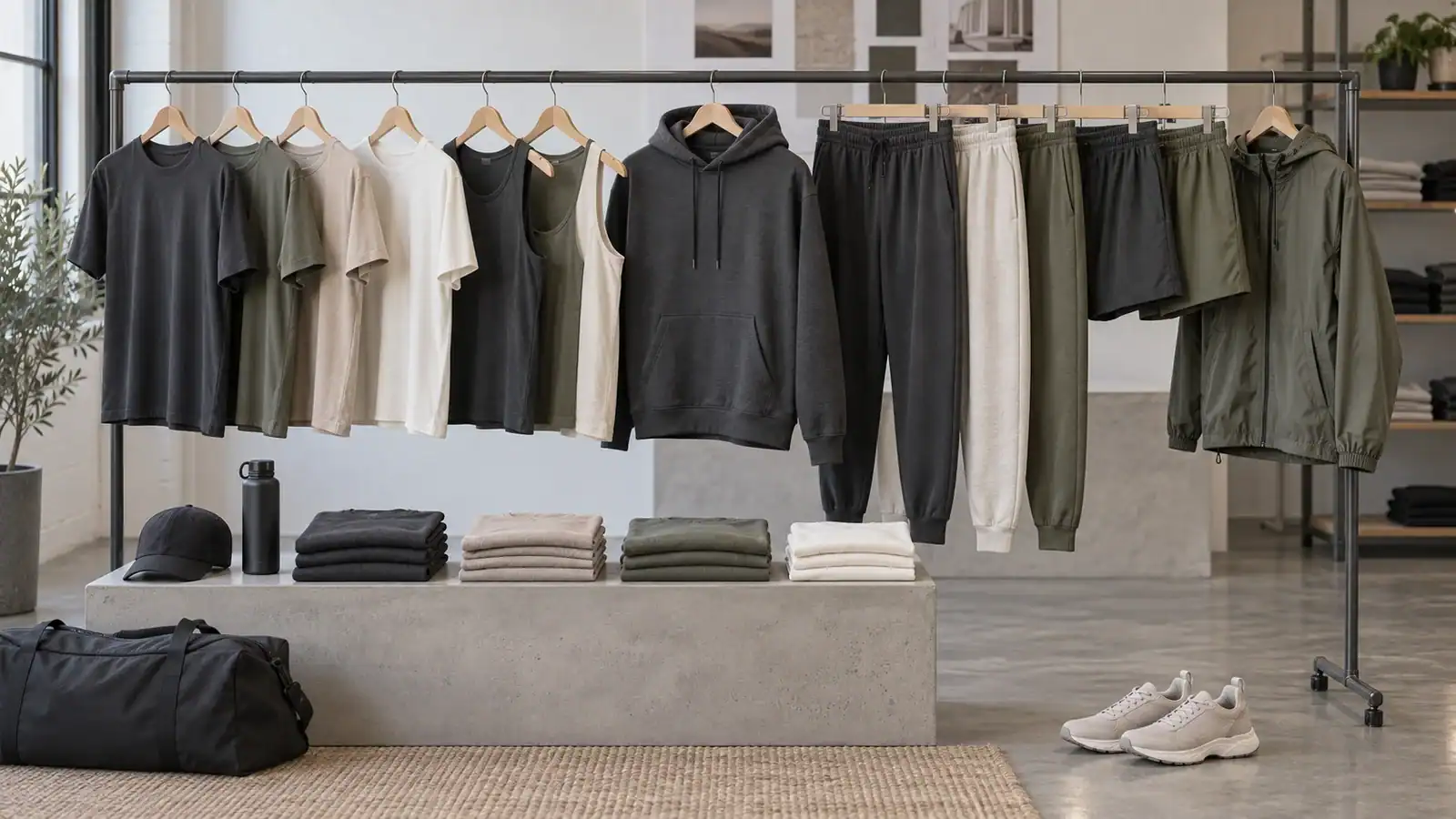
Fabric and construction choices for athleisure
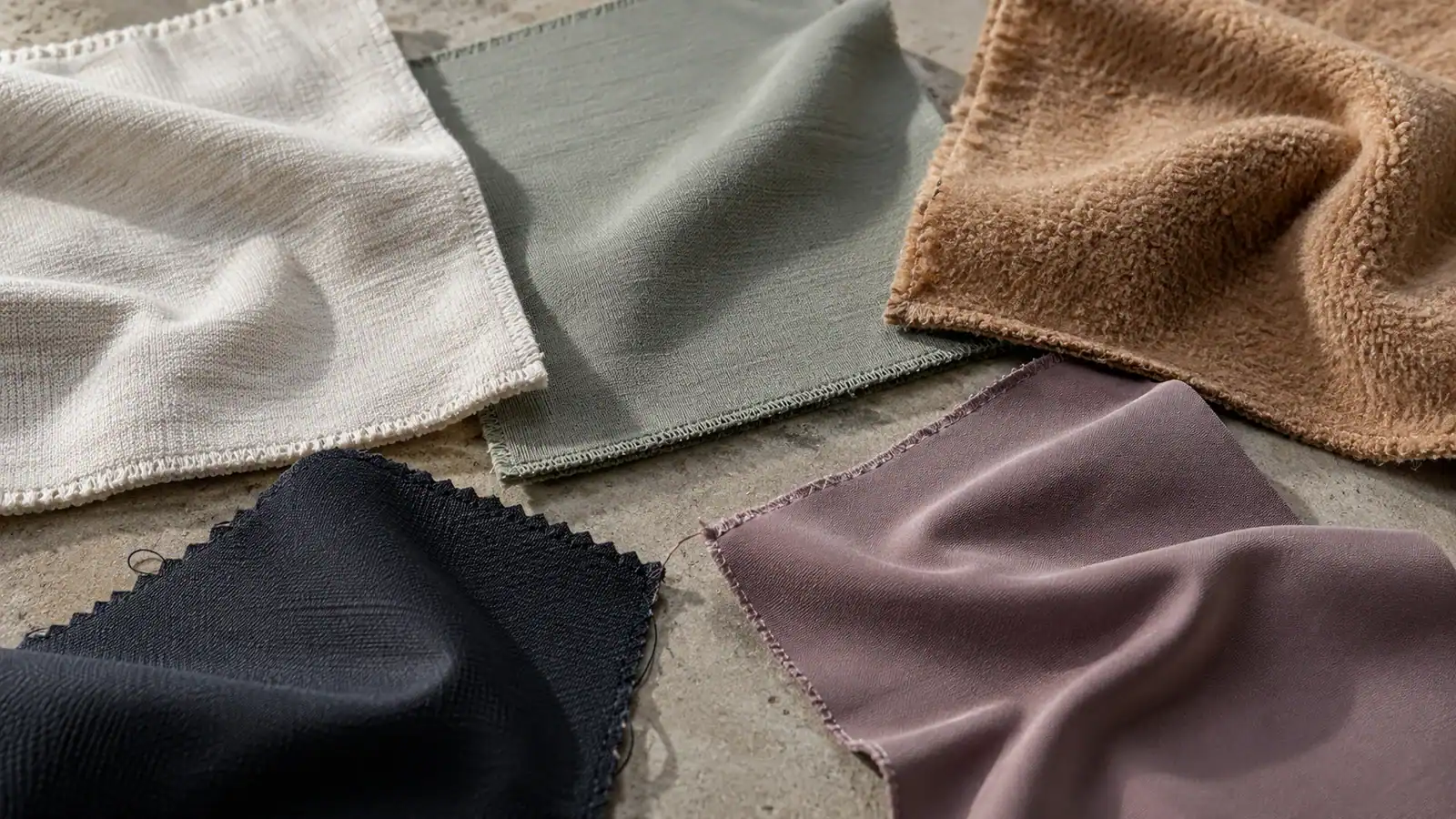
Fabric selection should start with the garment job, then move to fiber, construction, weight, finish, and testing. The DTS Activewear fabric guide is a useful starting point for performance criteria, while its GSM guide explains why weight changes drape, coverage, warmth, and perceived quality.
Common routes include:
- Polyester or nylon blends when the product needs a smooth surface, easy care, or controlled stretch with elastane.
- Cotton-rich jersey, fleece, or French terry when softness, familiar hand feel, and casual styling matter more than strong moisture transfer.
- Interlock or other double-knit constructions when a smoother face, greater opacity, or more stable body is needed.
- Stretch woven fabrics for polished joggers, track jackets, overshirts, or utility details that should hold a cleaner line.
- Brushed surfaces for warmth and softness, with extra attention to pilling, shedding, and appearance after laundering.
There is no universal athleisure GSM. A lightweight tee, a structured hoodie, and a travel jogger cannot share one target simply because they sit in the same collection. Record the intended fabric composition, GSM, usable width, stretch direction, recovery expectation, opacity, surface finish, color, and approved hand feel.
When a buyer does not know the exact fabric name, send a reference garment or swatch and describe the behavior that matters: cool hand, dry touch, soft drape, compact body, brushed warmth, or low shine. That gives the product developer something to evaluate without pretending that a visual reference is already a production specification.
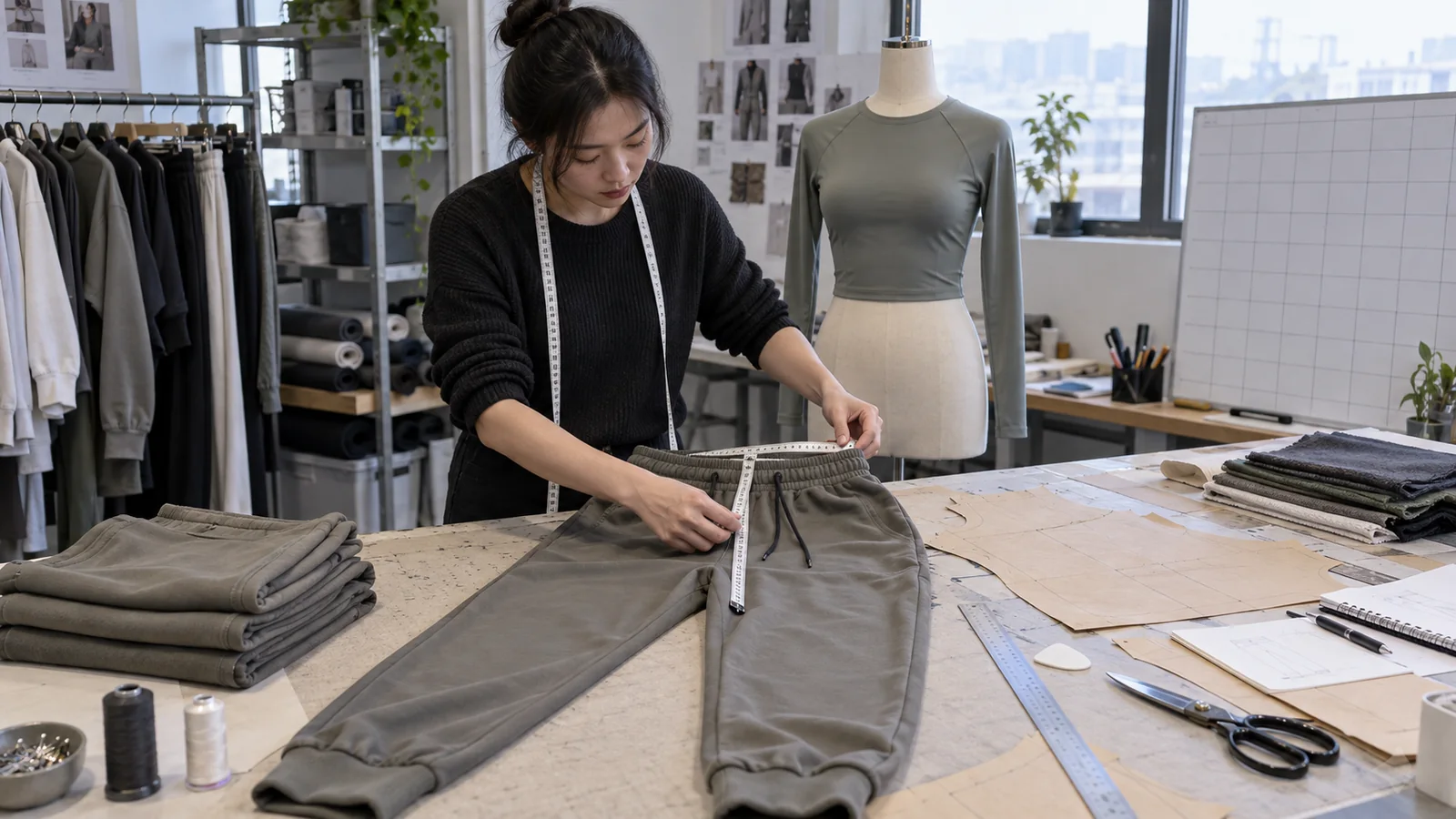
Fit, proportion, and visual details
Fit is where the lifestyle promise becomes visible. A garment can have an attractive fabric and still fail if it pulls across the seat, twists at the side seam, rides up during movement, or looks too loose for the intended setting.
For each style, define the fit block before discussing decoration:
- For an oversized tee, specify shoulder drop, chest width, body length, sleeve length, sleeve opening, neckline, and the point where the hem should sit.
- For a jogger, specify rise, waistband width, drawcord exit, hip ease, thigh ease, knee shape, leg taper, cuff opening, and pocket depth.
- For a legging, specify compression level in plain language, waistband height, gusset shape, stretch direction, recovery, opacity, inseam, and seam placement.
- For a hoodie, specify hood volume, neckline overlap, shoulder position, sleeve shape, rib tension, body length, and the fit allowance for a base layer underneath.
Use a graded measurement chart rather than a single sample size. State tolerances for the measurements that affect the look most. A two-centimeter difference in body length may be acceptable on one relaxed tee and visible on a fitted top, so tolerances should follow the style, not a generic factory template.
Decoration also changes fit perception. A large front print can stiffen the chest, embroidery can add weight, and a rubber label can create a pressure point under a strap. Review the decoration on the actual fabric and at the actual placement before approving the sample.
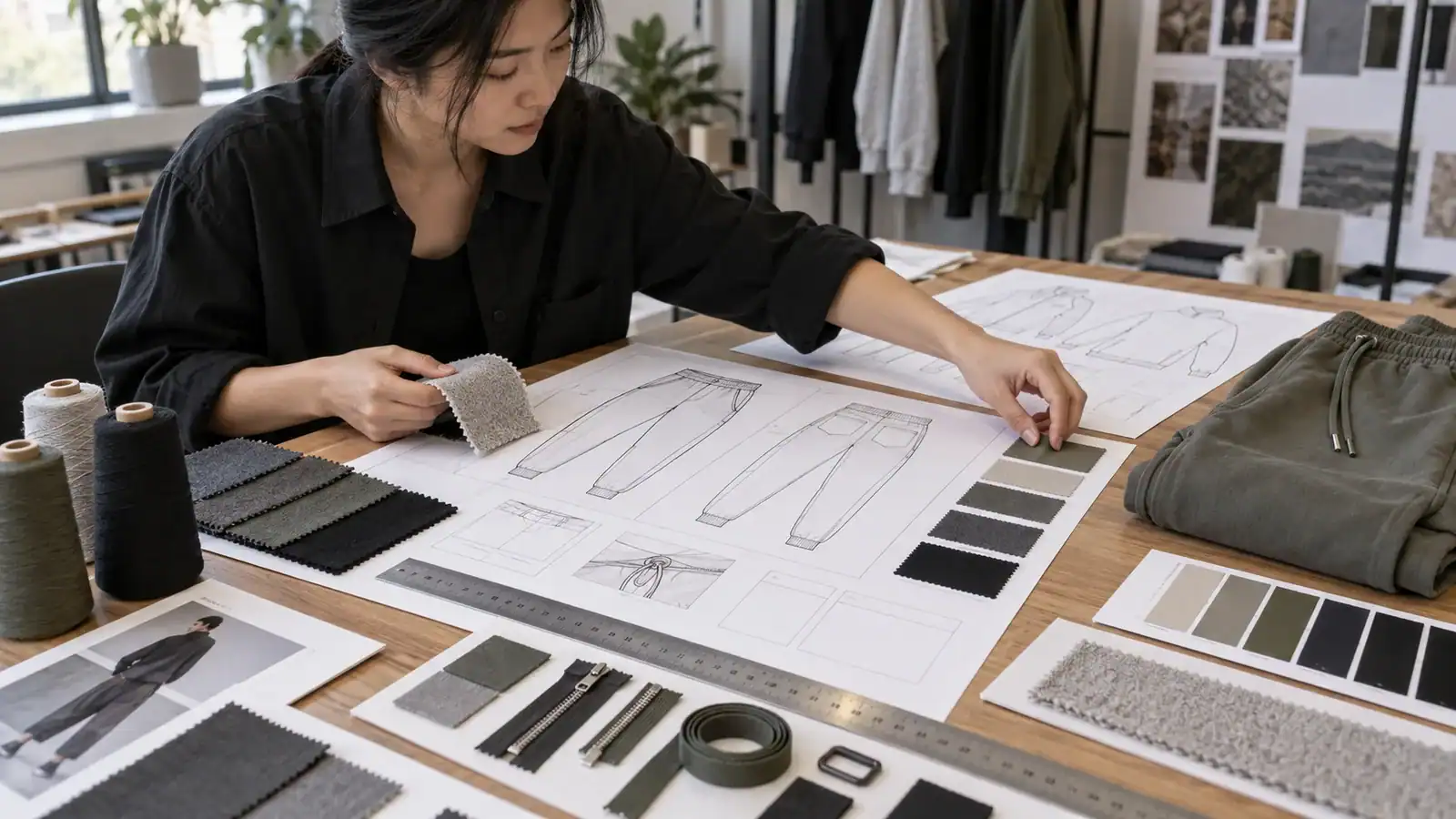
How to specify an athleisure product
A supplier can quote faster when the brief separates decisions that are already fixed from decisions that need options. The goal is not a long document. It is a clear record of the product promise.
Start with the customer use case
Write one sentence such as: "A clean tapered jogger for travel, daily errands, and light warm-ups." Then add what the garment is not meant to do. If it is not a high-compression training tight, say so. If the tee is for casual layering rather than intense running, state that as well.
Capture the measurable inputs
Include the reference images, sketch, tech pack, or reference garment, then record:
- Product type, intended wear occasions, activity level, target customer, and climate.
- Fit direction, size range, key points of measure, grade rules, and tolerance priorities.
- Fabric composition, GSM range, usable width, stretch and recovery needs, surface finish, and color references.
- Construction details such as seams, panels, gussets, waistband, pockets, closures, lining, and reinforcement.
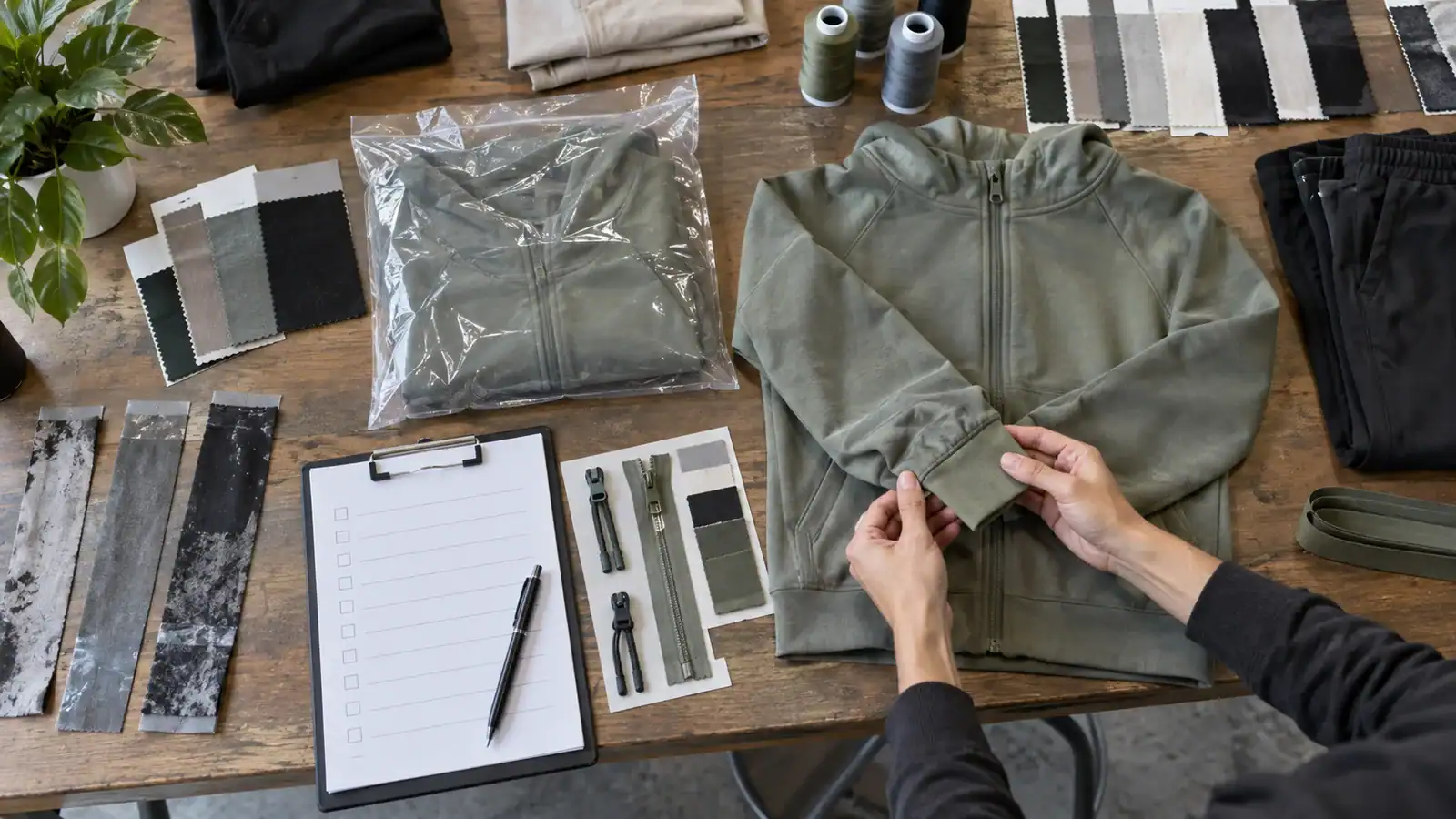
- Decoration, labels, hangtags, packaging, folding, carton marks, and any artwork files.
- Planned quantity, color and size breakdown, target market, requested sample route, and timing assumptions.
The DTS tech-pack customization service is relevant when a moodboard or incomplete specification needs to become a production-ready review document. A technical team should still confirm what is feasible for the exact fabric, color, construction, quantity, and decoration combination.
Decide what the quote must answer
Ask the supplier to return the points that affect the buying decision: available fabric routes, estimated sample cost, sample revisions, MOQ by style and color, production timing assumptions, decoration options, packaging options, inspection points, and any information still required. Exact MOQ, lead time, price, and testing depend on the project and should not be treated as fixed category rules.
What to test before bulk production
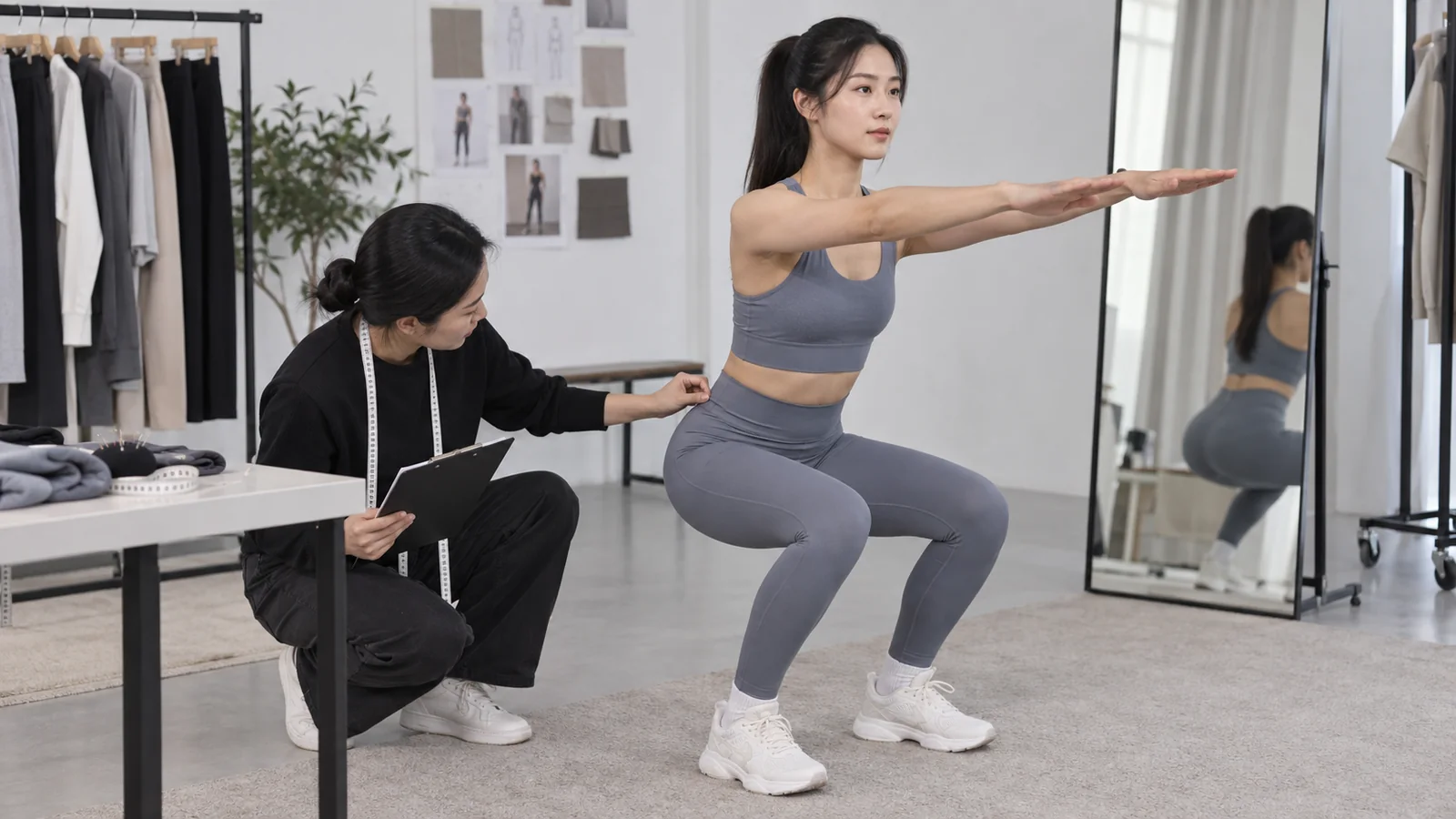
The sample should answer more than "does it look right?" Athleisure products are often judged across several settings, so the review should cover appearance, comfort, movement, care, and repeatability.
| Check | Practical review | Failure risk if it is skipped |
|---|---|---|
| Static appearance | Review the garment on a body and on a flat surface under normal light | The product looks good in a flat photo but hangs poorly when worn |
| Movement | Walk, sit, reach, squat, raise the arms, and use the pockets as intended | The garment rides up, restricts movement, opens at a seam, or exposes too much |
| Stretch and recovery | Record where stretch is needed and check the garment after repeated extension | Knees, elbows, waistbands, or hems stay distorted |
| Opacity and coverage | Check the garment in the intended size, lighting, and movement position | A fitted bottom or light top becomes visibly sheer in use |
| Seam and trim behavior | Inspect seam comfort, zipper, drawcord, labels, print, and embroidery | Hard edges, bulk, peeling, or pressure points reduce wearability |
| Laundering | Follow the proposed care route and compare measurements and appearance afterward | Shrinkage, color change, pilling, twisting, or loss of recovery appears after launch |
| Size grading | Compare at least the key points across the agreed size range | The base size looks correct while larger or smaller sizes lose the design intent |
| Product claims | Match any claim about wicking, odor, UV, stretch, or durability to a test or approved evidence | Marketing language creates a claim, compliance, or customer-service problem |
The AATCC standard methods list includes procedures covering areas such as colorfastness, appearance after laundering, dimensional change, and moisture management. Select the method and acceptance criteria with the buyer’s market, fabric, product claim, and testing plan in mind. A method name alone is not a pass result.
For a first collection, do not approve bulk from a single photograph. The DTS sampling and prototyping service is the more relevant next step when the fit, fabric, decoration, or construction still needs physical review.
Labels, care, and product claims
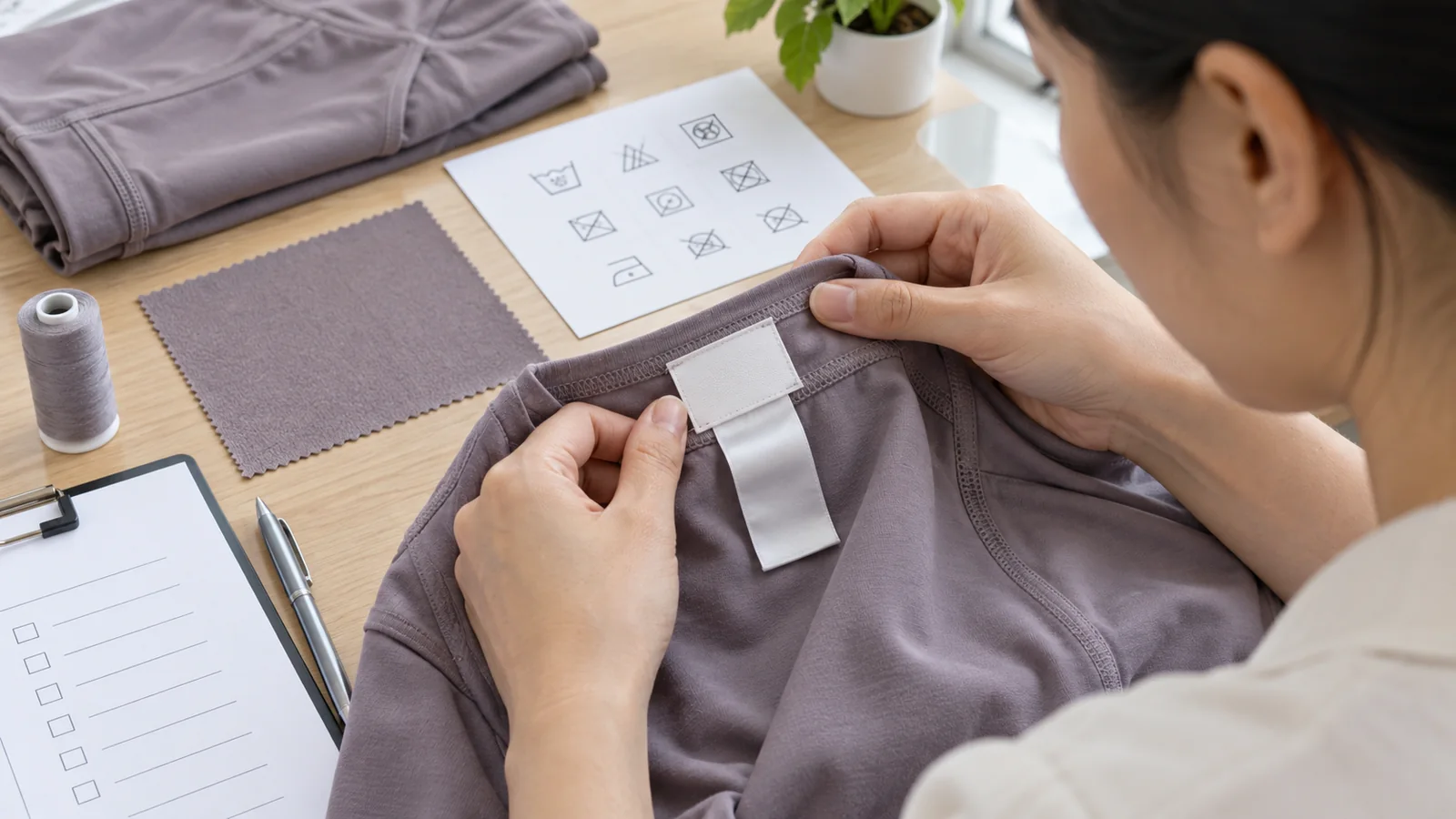
Athleisure is a style label. It does not replace the product information required for the garment’s market. For products sold in the United States, the FTC apparel labeling guidance explains that most textile and wool goods need a fiber-content disclosure, an origin statement, and identification of the responsible business. The FTC care labeling rule also requires care information or warnings supported by a reasonable basis.
That means the buyer should review the label after the fabric, trims, and wash process are final. Do not approve a generic "machine wash" instruction just because the base fabric has been washed before. A printed panel, bonded detail, elastic, coating, contrast trim, or special finish may change the garment’s care needs.
Keep performance language specific. "Soft brushed interior" describes a visible or touch-based construction detail. "Moisture-wicking," "antimicrobial," "UV protective," and similar phrases can create a performance expectation that needs evidence, claim review, and market-specific wording. If the evidence is not ready, describe the construction instead of turning an assumption into a promise.
When athleisure is the right product direction
Choose an athleisure direction when the customer wants one garment to move between daily life and lighter activity, and when the visual identity matters as much as the technical function. This is a good fit for travel capsules, casual gym ranges, creator merchandise, private-label basics, and lifestyle collections built around joggers, tees, hoodies, tanks, or clean layers.
Use a performance activewear brief instead when the product’s main job is intense training, repeated high-sweat use, high abrasion, strong support, strict opacity, or demanding outdoor exposure. It may still look stylish, but the specifications and test plan should begin with the activity rather than the street outfit.
Use a leisurewear brief when the product is mainly for rest, home use, or low-movement comfort and does not need an activity-related claim. This can prevent unnecessary technical fabric costs and keep the product honest.
The category is useful when it narrows the brief. It is unhelpful when it becomes a vague synonym for anything comfortable. A buyer should be able to explain the garment’s setting, movement level, silhouette, fabric behavior, and care route without using the word athleisure at all.
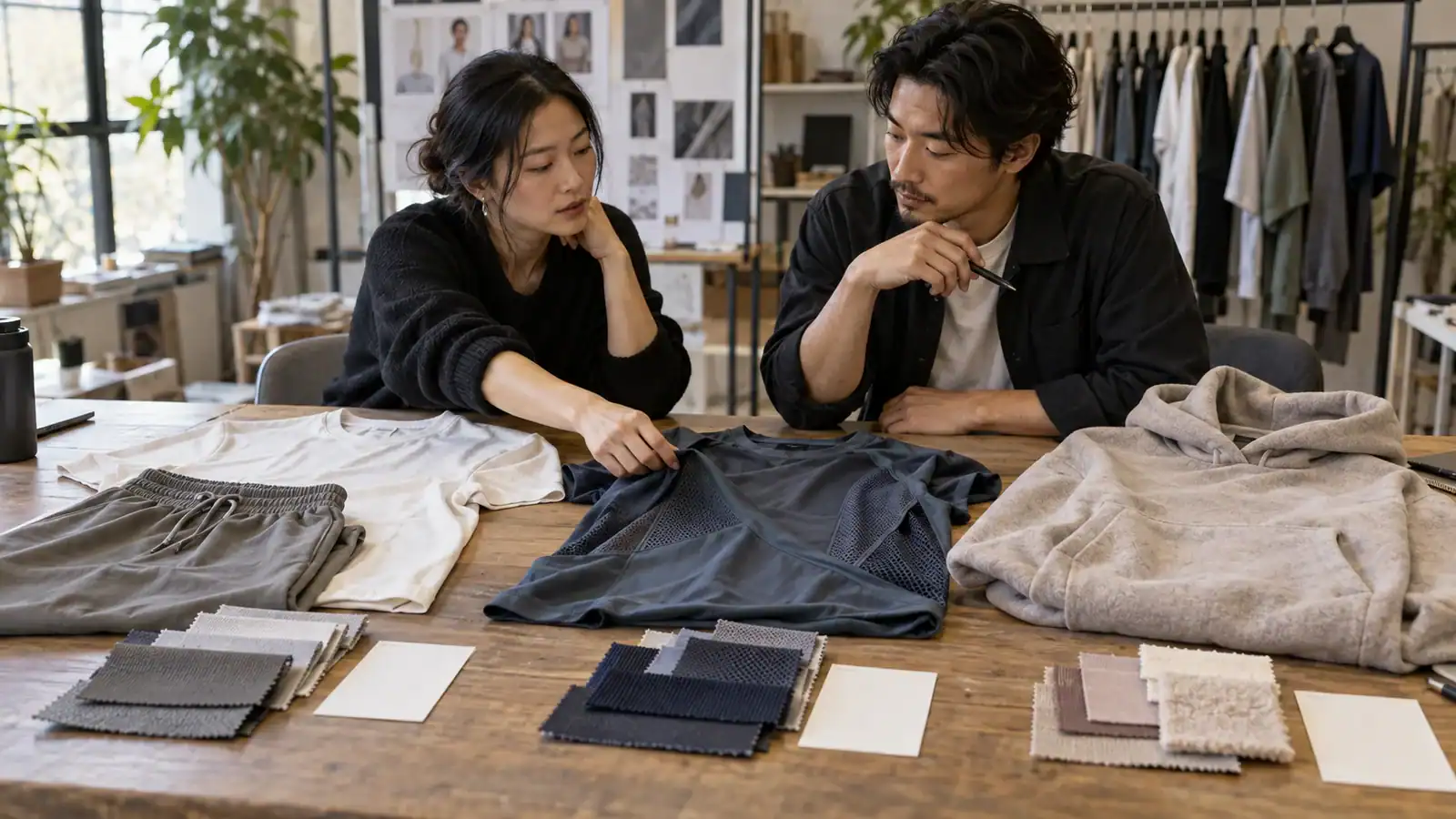
The athleisure brief should name the life outside the gym
The strongest athleisure briefs describe the moment after training as clearly as the training itself. They say whether the wearer is commuting, traveling, meeting friends, shopping, working from home, or moving through a low-impact class. That context determines the balance between softness, recovery, coverage, structure, pockets, decoration, and care.
Before requesting a quote, record the intended use, activity threshold, silhouette, key measurements, fabric behavior, decoration, labels, packaging, target market, estimated quantity, and the questions that still need confirmation. The result is easier to price, easier to sample, and easier to judge when the first garment arrives.
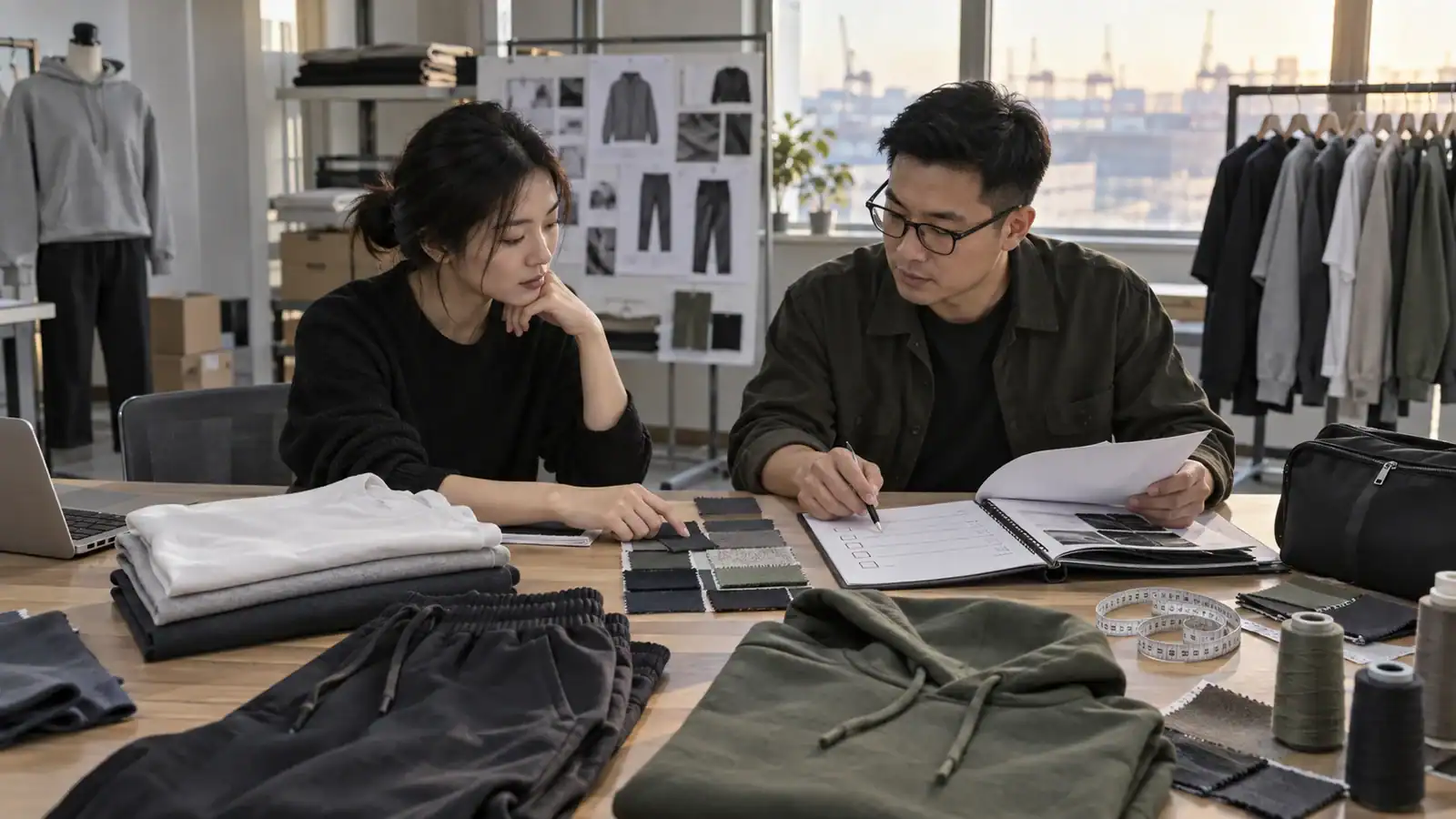
From athleisure concept to production brief
DTS Activewear presents a development path that can cover designer consultation, fabric and trim selection, tech-pack review, sampling, OEM or ODM bulk coordination, labels, packaging, and quality-control review. For an athleisure project, send the intended wear setting, activity level, reference images, target fit, fabric or hand-feel direction, size range, decoration, quantity, target market, and packaging needs. The team can then confirm which product route and sample sequence fit the brief. Exact MOQ, lead time, testing, and production feasibility require project-specific confirmation.
Frequently asked questions
Athleisure is a clothing style that combines sport-inspired comfort or function with a look suitable for everyday wear. It is a use and styling direction, not a specific fiber or fabric construction.
Athleisure is usually lifestyle-first, with selected performance features for comfort and light activity. Activewear is activity-first and is specified around the demands of exercise, such as sweat management, support, stretch recovery, opacity, or abrasion resistance.
Some athleisure garments are suitable for light exercise, walking, travel, warm-ups, or low-impact sessions. A garment intended for intense training should use a performance brief and a test plan that matches the activity.
Common options include cotton-rich jersey, polyester or nylon blends, elastane blends, interlock, fleece, French terry, and stretch woven fabrics. Selection should be driven by the garment, activity level, hand feel, drape, care route, and evidence needed for any performance claim.
Not every athleisure style needs the same stretch. A relaxed tee may need comfortable movement, while a jogger waistband or fitted tight needs more deliberate stretch and recovery. Specify where stretch is needed and how the garment should behave after use and washing.
A first product should match the audience and be easy to explain. Tees, tanks, hoodies, joggers, and clean shorts are common starting points, but the choice should follow the brand’s use case, price position, fit capability, and sample budget.
Send a sketch, moodboard, reference garment, or tech pack plus the intended use, measurements, fabric direction, size range, decoration, labels, packaging, estimated quantity, target market, and timing assumptions. A supplier can review unknown items more accurately when the intended customer experience is clear.
Review the sample on a body and in motion, then check measurements, recovery, opacity, seam and trim comfort, decoration, laundering, color, appearance, and size grading. Final acceptance criteria should match the fabric, product claims, target market, and agreed quality plan.