
Custom T-Shirts Manufacturer for Fitness, Streetwear & Merch Brands
DTS Activewear develops custom T-shirts for e-commerce sellers, startup apparel brands, gym wear labels, streetwear drops, influencer merch and bulk promotional programs. Buyers can review fabric, fit, GSM, printing, labels, packaging, samples and repeat-order requirements before production.
Custom T-Shirt Manufacturing Support
Flexible MOQ
Multiple Fits
DTS Activewear supplies custom T-shirts for buyers who need more than blank garment sourcing. The page covers product types, buyer pain points, fabric and fit decisions, decoration options, quote preparation, production workflow, packaging and common questions for custom T-shirt orders.
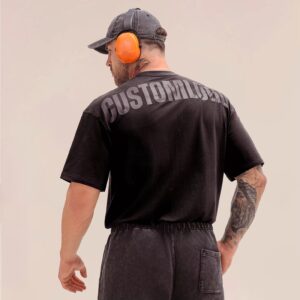
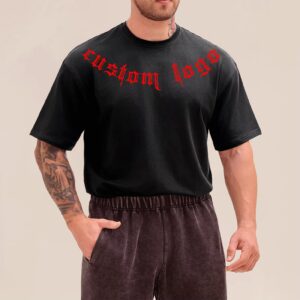
Need a T-shirt program built around your brand specs?
Custom T-Shirts Should Solve Real Buyer Problems
Unclear Fabric and GSM Choice
PROBLEM
SOLUTION
Fit and Size Inconsistency
PROBLEM
SOLUTION
Print or Embroidery Durability
PROBLEM
SOLUTION
Private Label and Packaging Details
PROBLEM
SOLUTION
Custom T-Shirt Solutions by Buyer Type
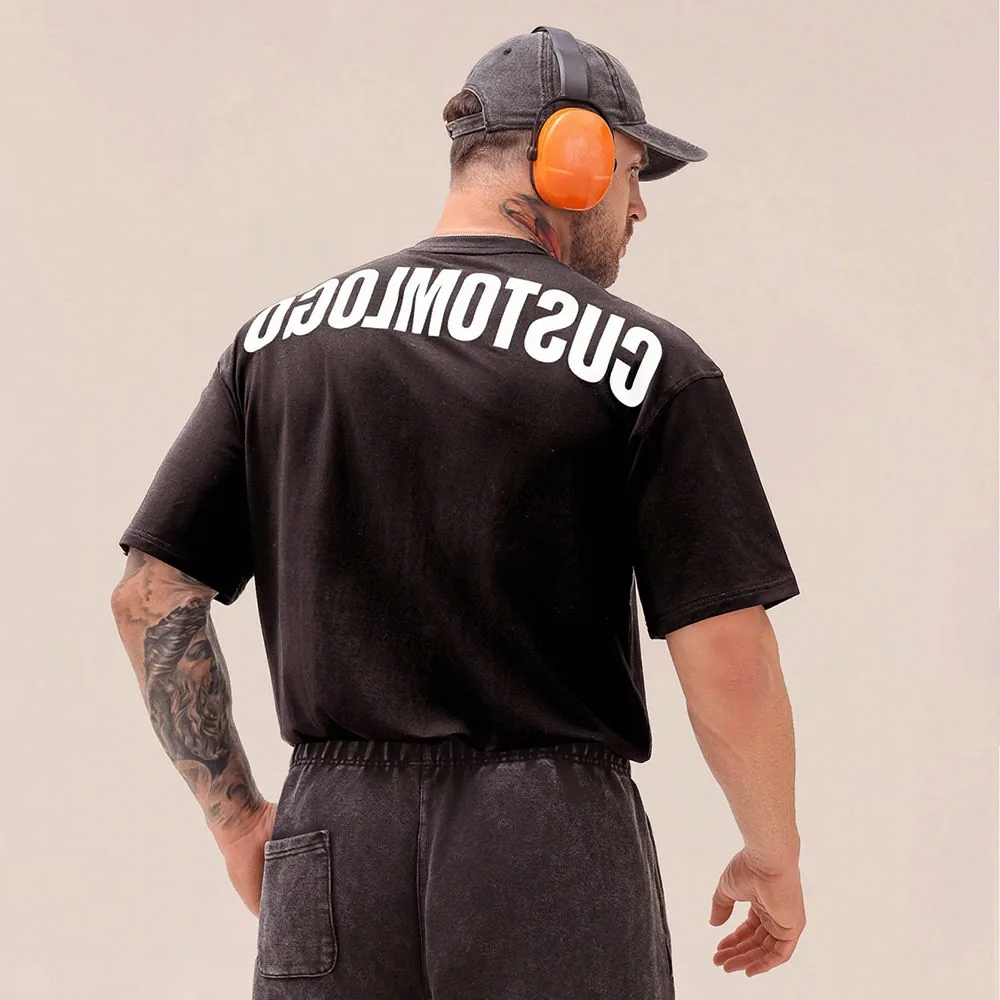
E-Commerce & DTC T-Shirts
SUITABLE FOR
RECOMMENDED COMPONENTS
PROBLEM SOLVED
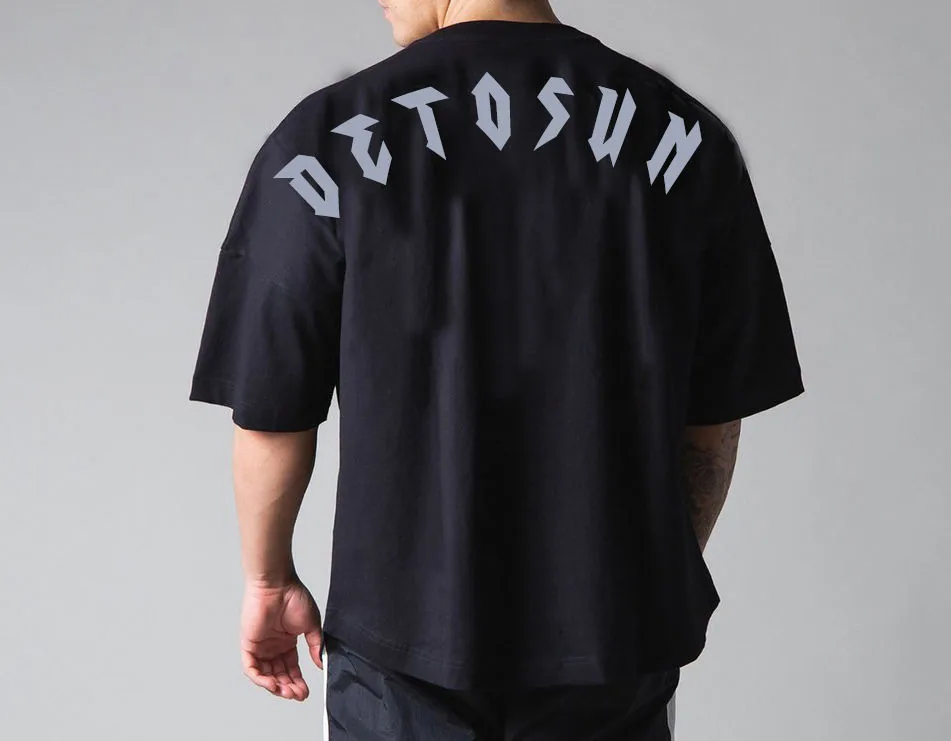
Fitness & Activewear T-Shirts
SUITABLE FOR
RECOMMENDED COMPONENTS
PROBLEM SOLVED
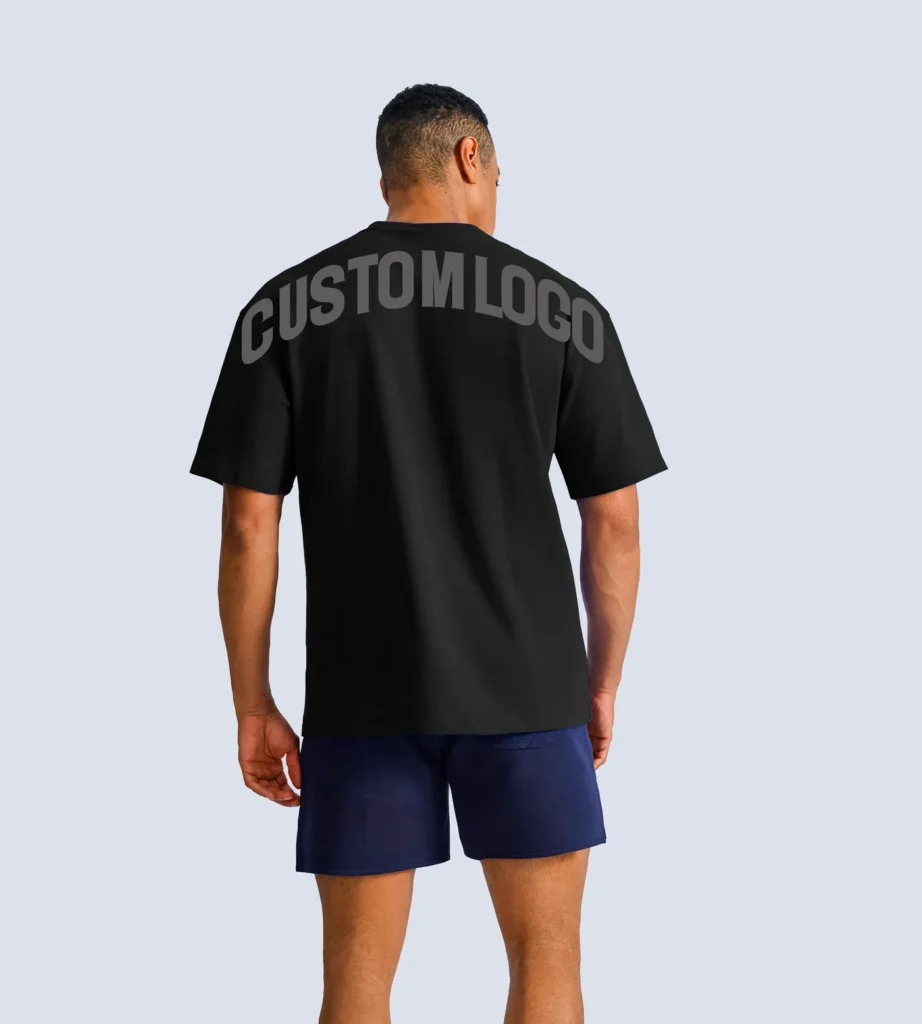
Streetwear, Merch & Promo Tees
SUITABLE FOR
RECOMMENDED COMPONENTS
PROBLEM SOLVED
Custom T-Shirt Applications
Fitness and Gym Tees
USE CASES
Streetwear Oversized Tees
USE CASES
Influencer and Merch Drops
USE CASES
E-Commerce Private Label
USE CASES
Corporate and Promotional T-Shirts
USE CASES
Startup Brand First Samples
USE CASES
FROM SPECIFICATION TO FINISHED PRODUCT
Craftsmanship That Speaks for Your Brand
Customization is a chain of decisions. Review each layer with the team so the final product remains consistent with the approved sample.
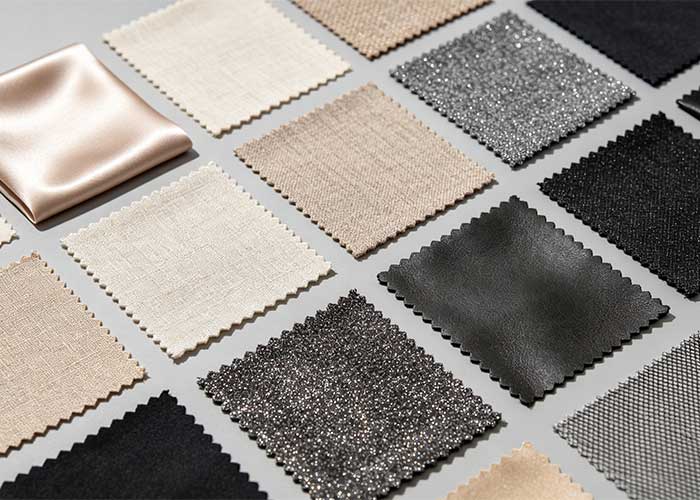
Fabric & Function
Select fabric by hand feel, weight, stretch, recovery, moisture management and target price.
- Cotton and cotton blends
- Performance polyester and elastane
- Client-approved sustainable options
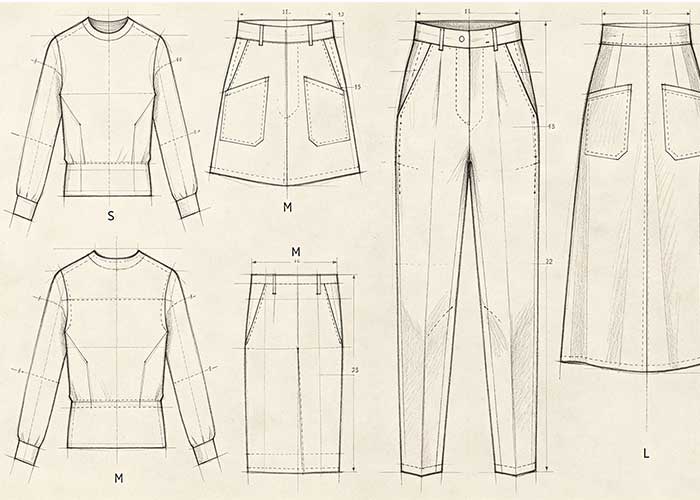
Fit & Pattern
Translate the reference silhouette into measurable pattern and grading requirements.
- Oversized, regular and athletic fits
- Size chart review
- Sample measurement comments
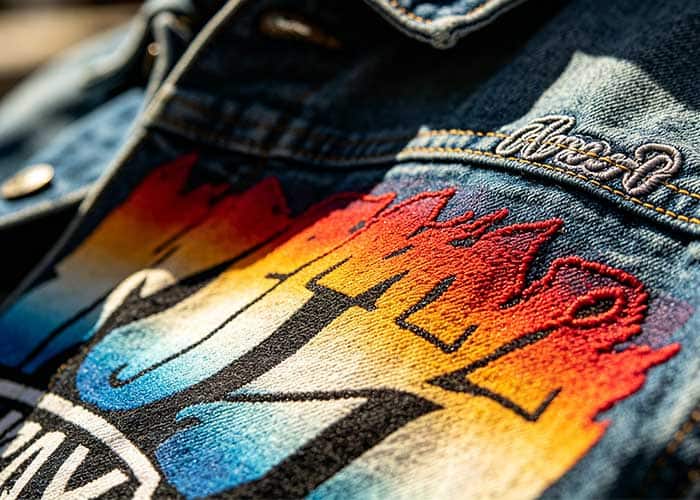
Printing & Embroidery
Match decoration method to artwork, fabric, order quantity and wash expectations.
- Screen, DTG and puff printing
- Embroidery and woven applications
- Placement and color confirmation
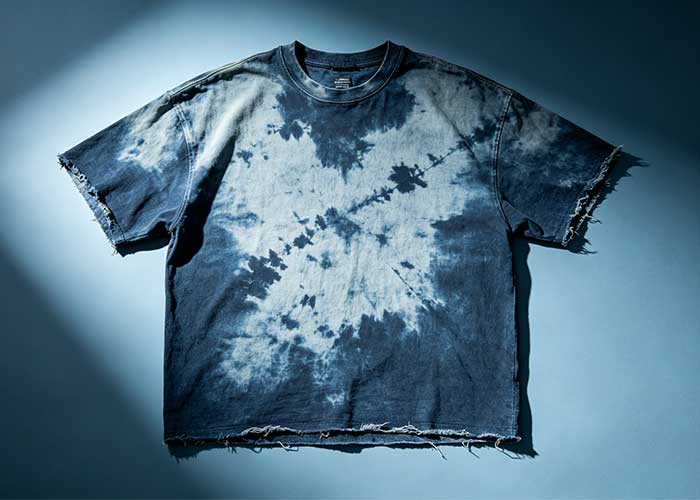
Washing & Finish
Develop surface character without losing control of shrinkage, color and hand feel.
- Acid and vintage wash options
- Garment finishing review
- Pre-production approval standard
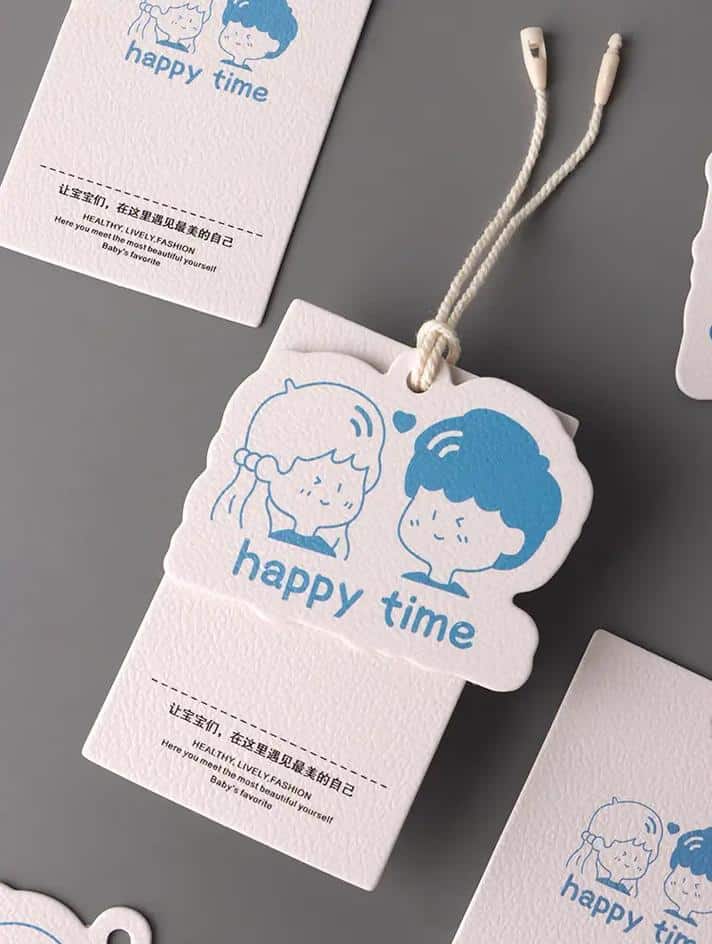
Labels & Branding
Build a consistent branded product instead of applying a logo as an afterthought.
- Woven labels and care labels
- Hang tags and size marks
- Placement confirmed in the tech pack
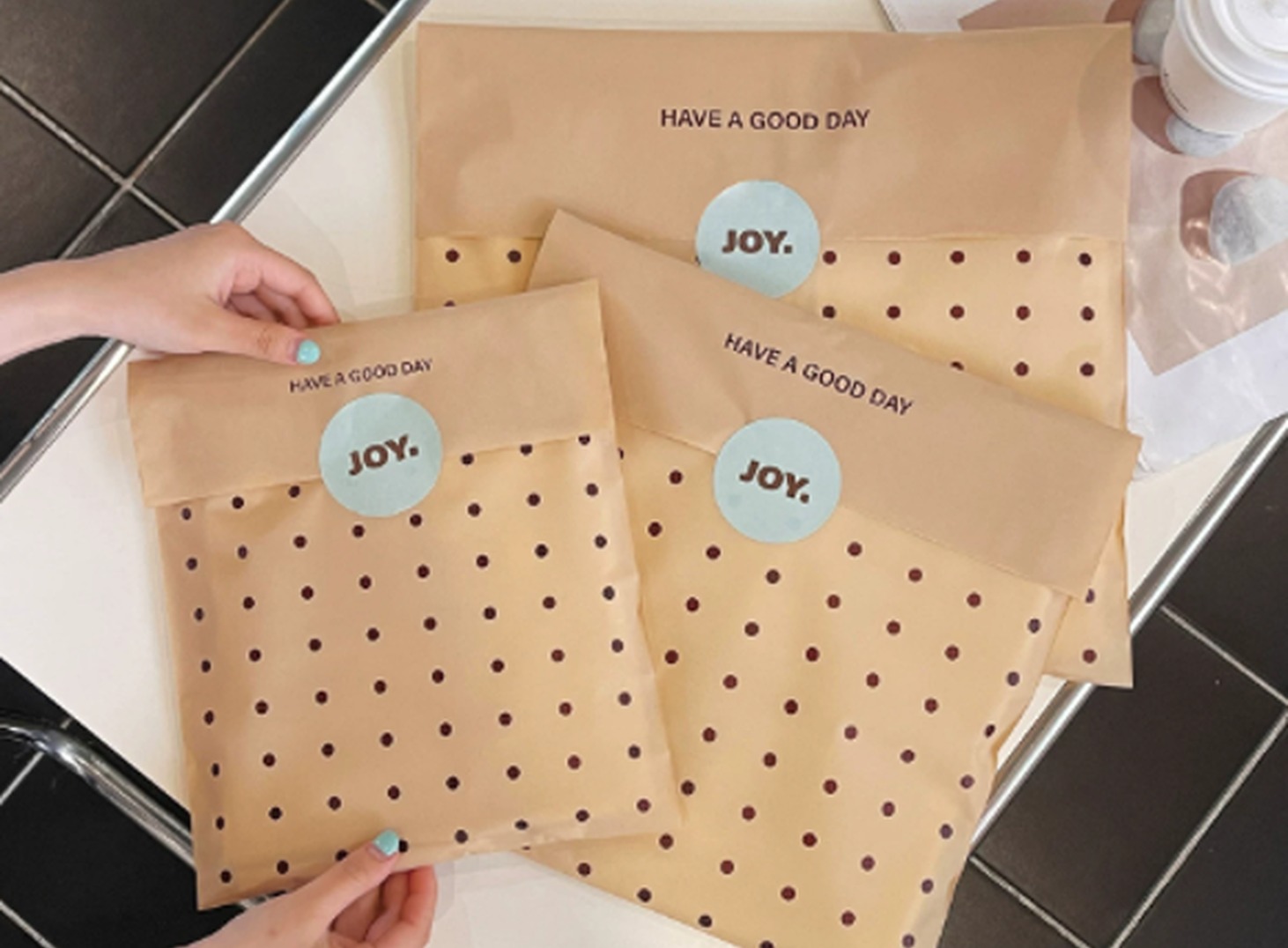
Packaging
Confirm how each SKU is folded, bagged, labeled and packed before shipment.
- Individual polybag options
- Barcode and carton marks
- Retail or e-commerce packing needs
Need a specific process?
Send the target product type, artwork, fabric direction and quantity for review.
What to Prepare Before Requesting a Custom T-Shirt Quote
Product & Use Case
- Target customer
- T-shirt type
- Use case or sales channel
- Fit reference
- Order quantity
Fabric & Fit
- Fabric composition
- GSM or fabric weight
- Fit type
- Size range
- Measurement tolerance
Branding Details
- Print or embroidery method
- Neck label requirement
- Hangtag and barcode requirement
- Packaging requirement
- Color and wash stitching
Quotation Files
- Tech pack or reference sample
- Artwork file
- Size chart
- Quantity by color and size
- Destination country
Custom T-Shirt Development Workflow
1
Requirement Review
2
Fabric and Fit Selection
3
Artwork and Branding Review
4
Sample Development
5
Pre-Production Confirmation
6
Bulk Production and Packing
Buyer Recommendations
For E-Commerce Sellers
For Startup Apparel Brands
For Fitness, Streetwear and Merch Buyers
Why Choose DTS Activewear for Custom T-Shirts
DTS uses project-specific manufacturing language here. Certification, lead time, MOQ, fabric availability and capacity claims should be confirmed against current client materials before publication.
- Custom T-shirt sample development
- Fabric, GSM and fit discussion
- OEM/ODM apparel production support
- Artwork, label and packaging review
- Bulk order inspection before shipment
- Quick-dry, cotton and heavyweight fabric options
- Oversized, regular and fitted pattern support
- Private label and e-commerce packaging support
- Communication support for overseas apparel buyers
- Support for brands, distributors and merch programs
T-SHIRT SOURCING / SPECIFICATION SUPPORT
Custom T-Shirt Manufacturer Support for Wholesale Brand Programs
A custom t-shirt manufacturer brief should set out the intended use, fit, size range, fabric composition, GSM target, color, artwork placement, labels, packaging, sample references and quantity by size and color. Buyers comparing a custom t-shirt supplier can then review the same measurable information before sampling.
For t shirts wholesale and bulk custom t shirts programs, keep blank, decorated and washed options separate. A brief for custom t shirts wholesale, custom t-shirt wholesale or wholesale custom t-shirts should state artwork, decoration route, labels, packing and the quantity split, without assuming a MOQ, capacity or delivery date that has not been confirmed. Buyers seeking heavyweight t shirt wholesale or boxy fit t shirt wholesale can use the same checklist against the approved sample.
For sports and creator assortments, custom fitness t shirts and custom gym t shirts can be scoped by movement, fit, fabric weight and size range. A brief for custom performance t shirts or custom branded t shirts may cover custom t shirts front and back, print placement and packaging. For a washed or shaped direction, note the custom acid wash t shirts, acid wash t shirt manufacturer, drop shoulder t shirt manufacturer or custom merch t shirts reference in the tech pack so artwork and construction are reviewed together.
Common Questions
Please provide T-shirt type, fabric target, GSM if known, fit reference, size range, color, decoration method, label and packaging requirements, quantity by size/color, destination country and any tech pack or sample photos.
For a usable T-shirts review, separate fixed requirements from preferences and include quantities by color and size, target delivery window, destination country and any non-negotiable compliance or warehouse rules. This lets the team identify missing decisions, check material and decoration feasibility, and prepare a quotation with fewer assumptions.
Yes. DTS can support startup brands with sample review, fabric selection, fit direction, logo placement, private labels, packaging and bulk order planning for custom T-shirt projects.
The right T-shirts scope depends on sales channel, wearer needs and inventory risk. Map each style to its fabric, fit, color, size range, decoration, label set and packaging before sampling. A smaller, clearly differentiated launch is easier to cost, approve and reorder than a large collection with unresolved specifications.
Common options include cotton jersey, cotton-poly blends, polyester quick-dry fabric, spandex blends, heavyweight cotton, washed fabric and performance knits. material selection depends on hand feel, use case, print method and price target.
For T-shirts, compare fabric by composition, knit or weave, usable width, weight, stretch and recovery, hand feel, opacity, shrinkage, colorfastness and compatibility with the planned decoration. Review swatches or a sample under the intended use and care conditions before locking the bulk material; availability and color consistency should be reconfirmed for reorders.
Yes. Oversized T-shirts can be developed with dropped shoulders, wider chest, longer sleeves, heavyweight fabric, acid wash, puff print, embroidery or other streetwear-focused details.
The most useful next step for T-shirts is a documented review of what is approved, what is still optional and what evidence is missing. Combine the technical brief with commercial requirements such as quantity, price direction, destination and launch timing, then use the same record for quotation, sampling, production and quality checks.
DTS can review screen print, heat transfer, embroidery, puff print, silicone print and other decoration options according to fabric, artwork, placement and order quantity.
Before approving a technique for T-shirts, provide vector artwork, finished dimensions, color references, placement measurements and the intended fabric and garment color. A strike-off or decorated sample should be checked for edge quality, hand feel, stretch, registration, wash appearance and placement tolerance; complex effects can change sampling, MOQ and lead time.
Yes. Custom T-shirt orders can include neck labels, woven labels, hangtags, barcode stickers, individual polybags, size sorting, carton marks and other packaging details.
Packing and logistics requirements affect costing, production release and receiving accuracy. Define the trade term, destination, shipment method, SKU sorting, labels, polybags, carton quantities, marks and required commercial or warehouse documents for T-shirts. Buyer-supplied compliance text and barcodes should be approved before printing, and final carton data should match the packing list.
Choose GSM based on use case. Lightweight fabric may suit breathable activewear, while heavyweight cotton is often used for premium streetwear or merch. Sampling is recommended before bulk production.
Fabric choice should connect the buyer's use case to measurable approval points. Confirm composition, weight tolerance, stretch direction, recovery, surface feel, wash behavior, pilling risk, color standard and print or embroidery compatibility for T-shirts. Sampling helps expose trade-offs between performance, appearance, durability, cost and lead time before material booking.
Yes. Repeat orders are easier when fabric, color, measurement tolerance, label, packaging and SKU details are documented clearly during the first approved production run.
Reorder consistency improves when the first T-shirts order closes with a controlled specification file: approved measurements, construction notes, material details, color reference, decoration files, packing rules and QC feedback. Before repeating, review buyer returns or fit comments and document every change; do not assume an older fabric or trim remains available.
The usual process is requirement review, fabric and fit selection, artwork and label review, sample development, sample correction if needed, pre-production approval, bulk production and packing.
Use the T-shirts sample as an approval gate rather than only a visual reference. Review measurements and tolerance, fit on the intended body or size form, fabric and color, construction, decoration, trims, labels and packing. Consolidate comments into one dated list and record every accepted change before costing confirmation or bulk production.
Packaging can include folded packing, individual polybags, size stickers, barcode labels, carton packing and export marks. The final packing method depends on buyer requirements and fulfillment workflow.
For T-shirts, provide a packing guide that lists label artwork and position, care content supplied by the buyer, barcode format, size and color identifiers, folding method, polybag requirements, units per carton, carton marks and destination-warehouse rules. Confirm these details before production release so packing checks use the same SKU and document references.
How to make custom t shirts starts with a manufacturer-ready brief: intended use, fabric or GSM target, fit measurements, size range, color, artwork, labels, packing and sample references. Share a sketch, moodboard, reference garment or tech pack so the review can separate confirmed requirements from open options.
Use Designer Consultation, Concept & Mockup and Tech Pack Customization to organize the brief before sampling. Final construction and decoration remain specific to the approved project scope.
The buyer question what is a good gsm for t shirts depends on the intended use, hand feel, drape, opacity, fit and decoration route. Compare the fabric composition and weight with the selected silhouette, then record the target GSM and measurement references in the same brief instead of treating GSM as a standalone quality score.
Review options in the Fabric & Trim Library and confirm the choice through Sampling & Prototyping. The final GSM is confirmed against the buyer brief and approved sample.