Consider moving a clothing style from print on demand (POD) to bulk production when either the garment needs a specification your current supplier cannot deliver or a conservative sales estimate shows the batch can earn more than the comparable POD route. Check what you pay before sales and what it costs to fulfill each order. Start with one proven style and keep on-demand production available for designs with uncertain sales.
A creator can sell out of a black tee in medium while the same design barely moves in other sizes and colors. Ordering a large run based on total sales can turn that success into slow stock. Start with the product you want to improve and the variants customers actually buy.

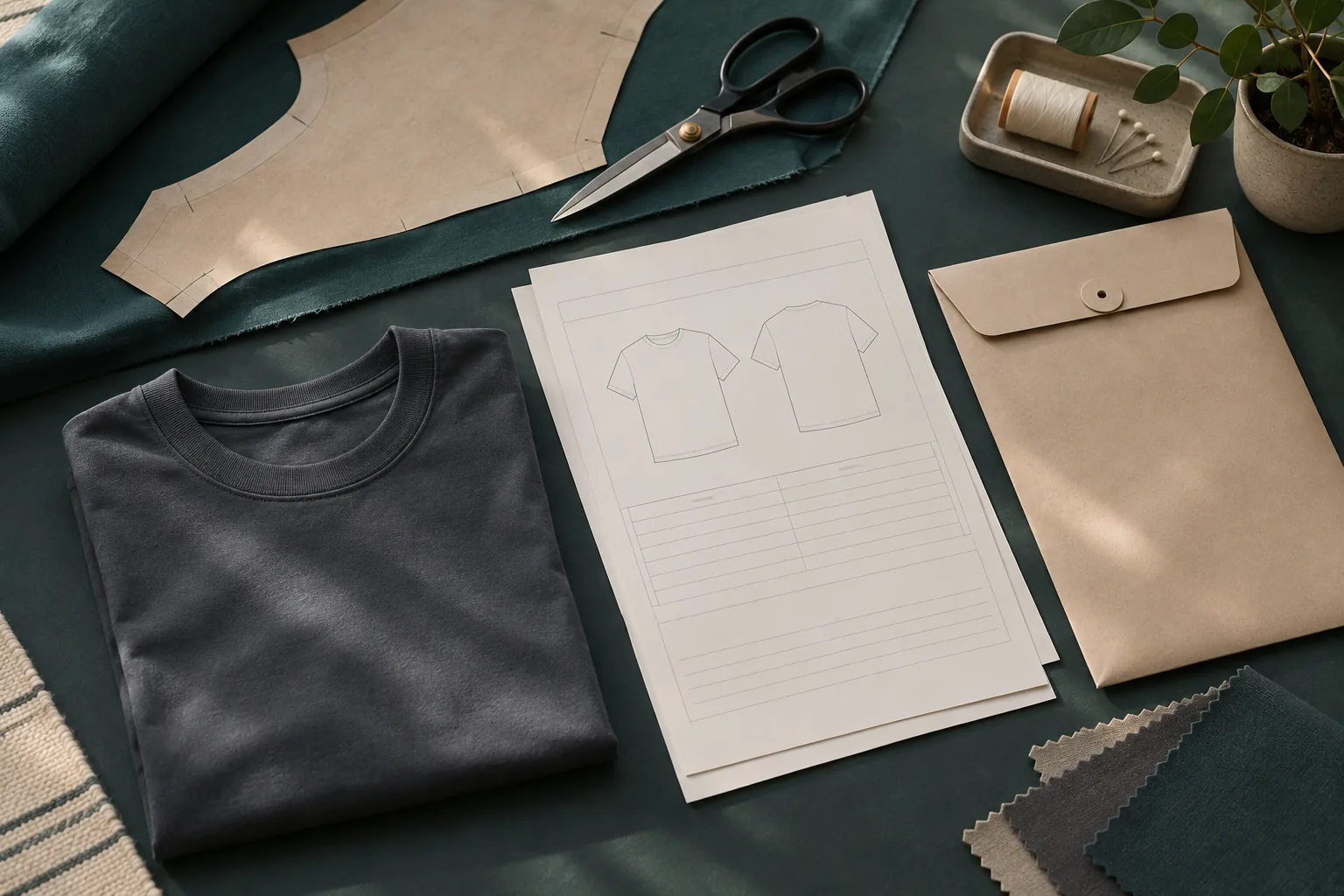
AI-generated illustrations show apparel decisions and processes.
Choose the production route by what needs to change
Keep print on demand while testing designs
POD generally makes or decorates each item after a customer places an order. With a service that also fulfills orders, the provider can ship the individual order to the customer. This can suit a design with uneven demand, personalization or a short campaign. Check the costs and deadlines for samples, shipping, refunds and reprints alongside the garment price. Printify’s explanation of its on-demand model

Bulk print on a blank if the garment already fits
If the blank meets your fabric, fit and size requirements, quote the same blank and decoration in a batch before paying for a new pattern. Compare the blank model and color, print process and dimensions, decoration on each location, and where the batch will ship. Ask your existing provider about eligible bulk orders. Some POD services already offer volume pricing, so a change in order size can be enough. Printful’s bulk order options

Develop a custom garment when the specification changes
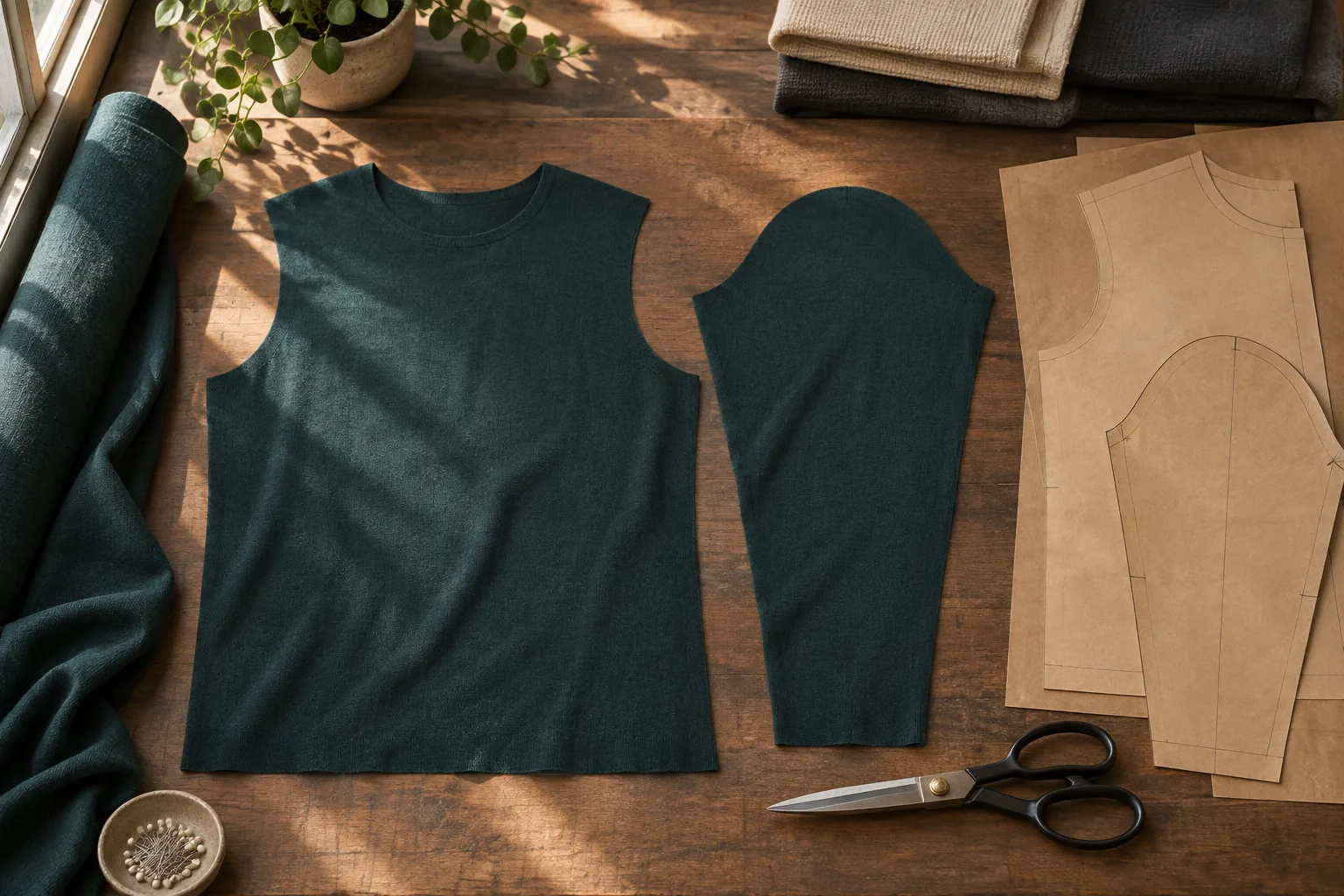
Request a development sample if your next tee needs a different shoulder drop, body length or fabric weight, or your shorts need a different waistband and pocket construction. Identify what can carry over from the current garment and what needs a new pattern, material or sample. Some on-demand products already involve printing fabric and then cutting and sewing it. Ask what the supplier lets you specify for your exact product. Example of a cut-and-sew Printful product
Pick one style and estimate what will actually sell
Start with orders fulfilled and kept by customers, grouped by style, color and size. Count exchanges against the size the customer kept. Mark periods when a variant was unavailable, and flag sales linked to a paid campaign, event or promotion. The size data informs your order breakdown. The campaign notes help you judge whether sales are likely to repeat.
For example, 240 net sales split 180 black and 60 slate show a different opportunity from 240 sales split evenly between the two. Ask for minimums by style, color and fabric before building the pilot. If the supplier’s minimum per color makes the slate run too large, keep slate available on demand or postpone that color. Confirm the supplier can actually produce the proposed breakdown before treating it as a quote. DTS guidance on low-MOQ activewear sourcing

Compare the full batch cost with POD at the same net sales
Use the same sales window and destination for both quotes. The POD cost should include the actual garment, decoration and delivery per order. For bulk, include samples and development, the entire batch landed at the warehouse, storage, pick-and-pack and final delivery. Add refunds, defects, fees or discounts when they differ by route. If customer prices or return rates are expected to change, calculate each route with its own net sales and receipts.

Consider a hypothetical 300-piece run with a $32 net selling price. POD costs $19 per unit sold including delivery. The bulk quote is $9 per unit landed, $600 for development and $180 for storage in the comparison window. Bulk fulfillment adds $6 per unit sold. The example assumes no cash recovery from unsold stock during the window and excludes costs that are identical across routes.
| Net units sold | Cash contribution over the sales window |
|---|---|
| 150 of 300 | POD $1,950. Bulk $420. |
| 240 of 300 | POD $3,120. Bulk $2,760. |
| 268 of 300 | POD $3,484. Bulk $3,488. |
| 300 of 300 | POD $3,900. Bulk $4,320. |
The full batch, development and storage add up to $3,480 over the window. Bulk saves $13 per order after that commitment. To find the crossover with no cash recovery from unsold stock, divide the batch, development and storage costs by the per-sale difference between POD and bulk fulfillment. The first whole unit above the crossover is 268 of 300. At 240 sales, bulk contributes $360 less despite the lower landed price. The comparison measures cash contribution in the window. The timing of deposits, freight payments and customer payouts still needs a separate cash flow check.
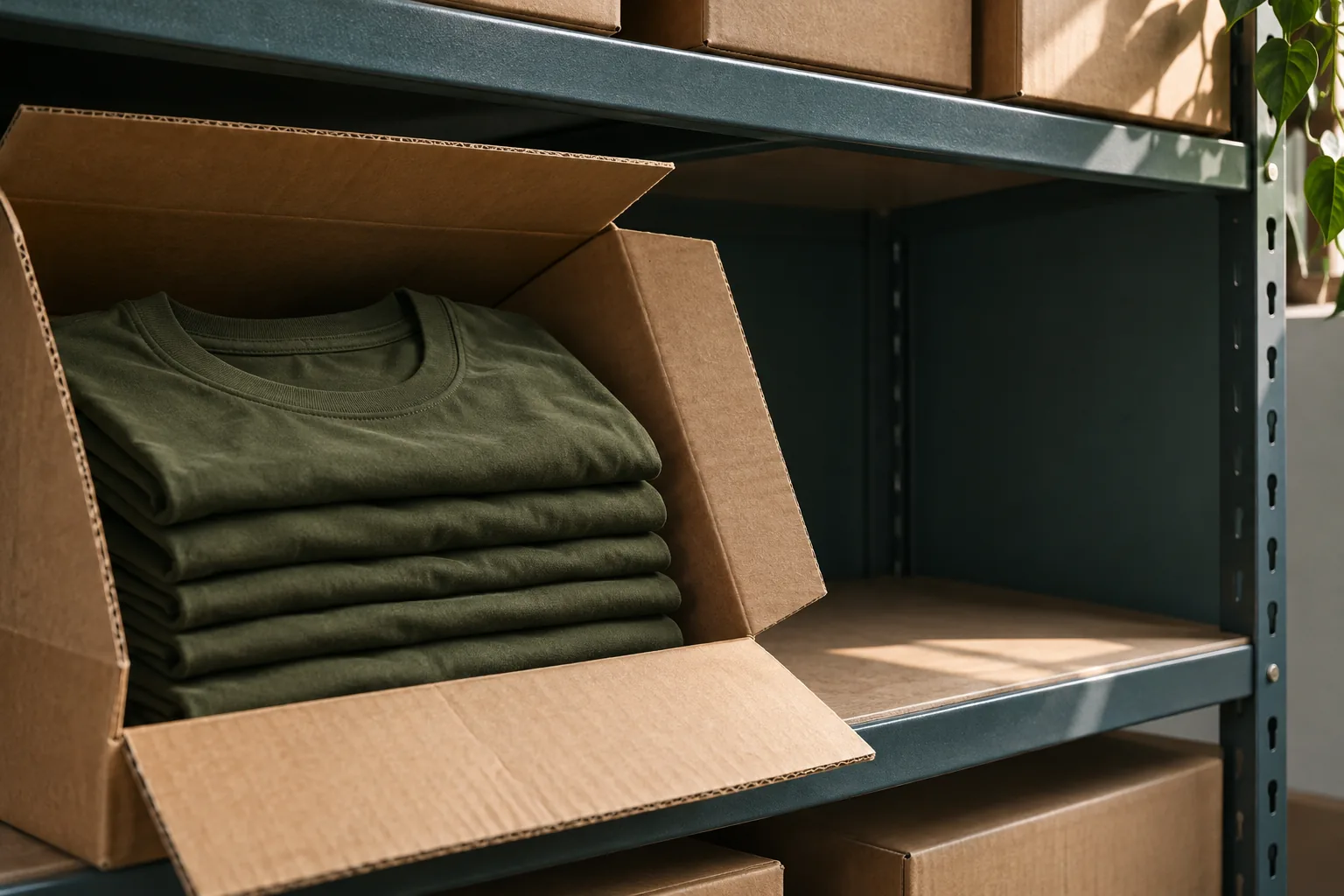
Count clearance proceeds only if they are likely to arrive in the comparison window, net of the costs to sell or dispose of those units. Do not deduct the landed cost of leftover stock again when you have already charged the full purchase cost. Run low, expected and high sales scenarios. Check how much cash you can afford to tie up if sales come in at the low end.
Set the approvals that keep the replacement consistent
Approve fabric and fit together
Send the current garment as a reference and mark what to retain and what to change. Specify the composition and target fabric weight in grams per square meter, the knit structure or hand feel you want, and any stretch requirements. A buyer who asks for a heavier shirt should check how the new material changes drape and measurements. Review the intended fabric on the sample rather than approving a swatch and a substitute garment separately.
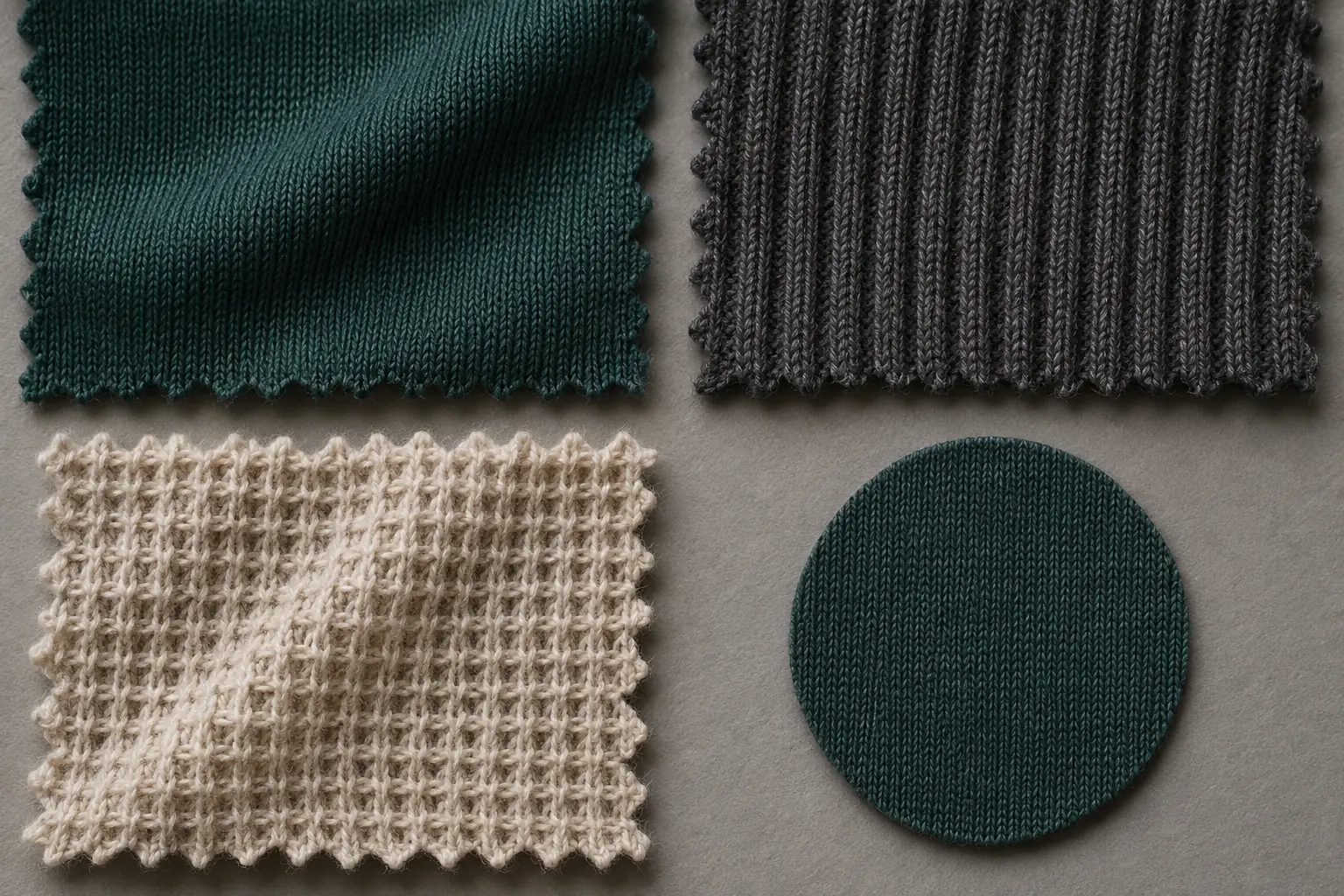
Agree on the sample size, how to take chest and length measurements, and the tolerance at each point. If a different fit is part of the upgrade, write that change into the new size chart. Review a size set where the base sample alone cannot resolve grading, especially if your return notes show a problem at the ends of the size range. DTS tech pack review
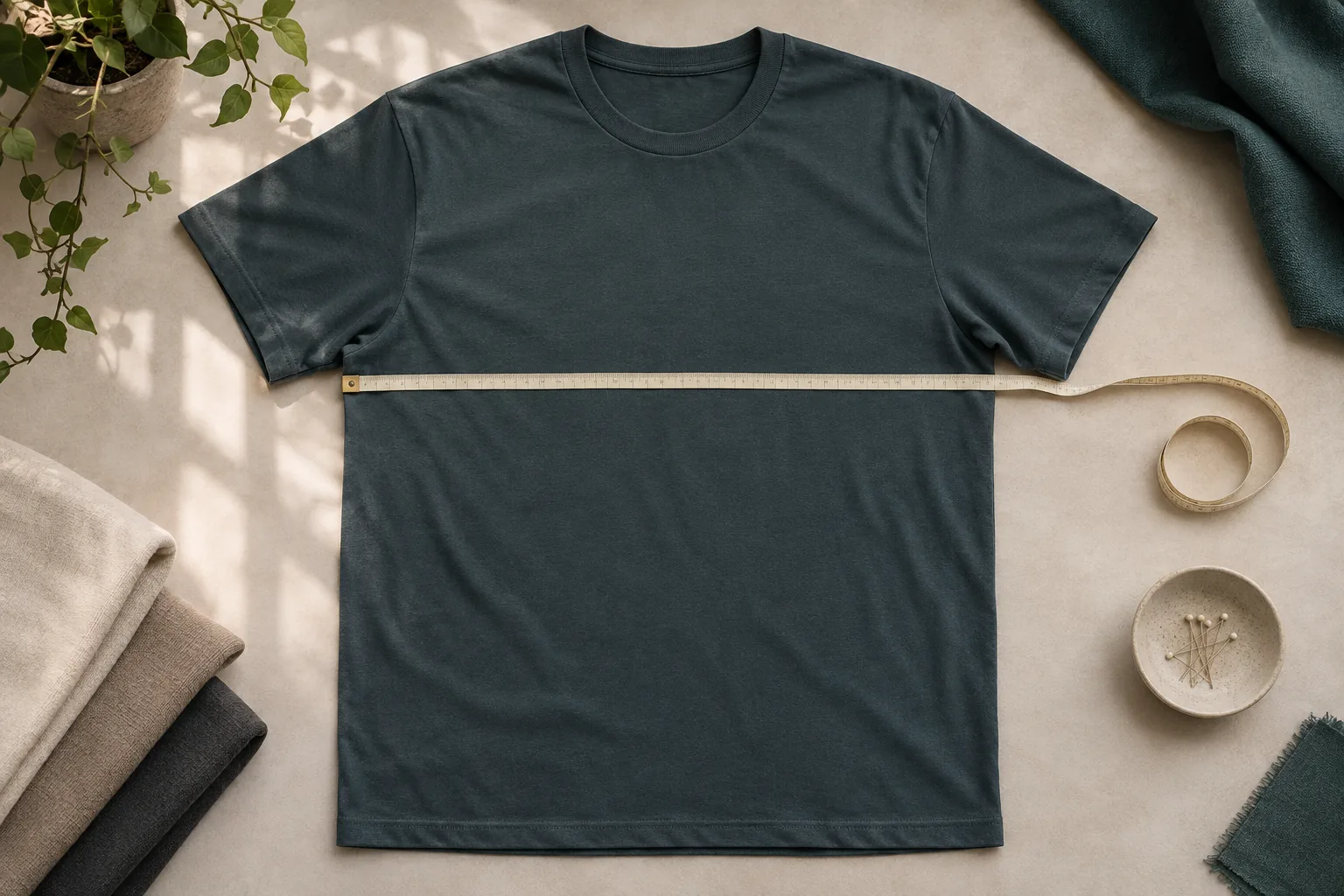
Check decoration and laundering on a production-intent sample
Compare the print edge, placement, hand feel and visibility on the approved fabric and color. Get a sample using the intended process before assuming artwork will look the same across a new blank, ink system or decoration method. Set a placement tolerance and measure from an agreed seam or garment point.

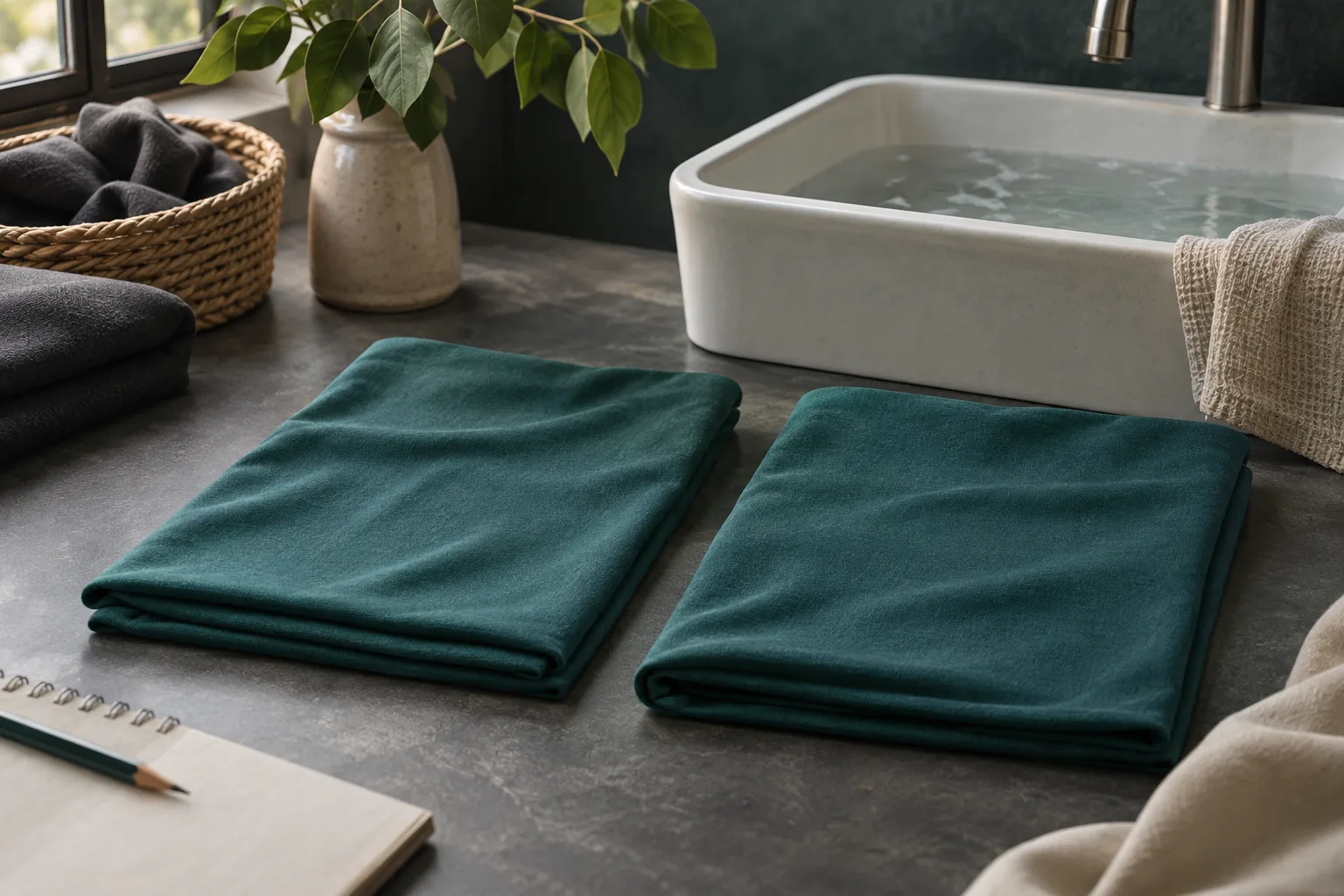
Agree on laundering and measurement conditions before the check. For example, record chest width and body length before and after washing, then compare the change against the agreed tolerance. Ask the supplier to document print lifting, cracking or color changes if those affect acceptance. Your sample outcome determines the next revision. DTS sampling and prototyping
Approve labels and packing with the same sample
A new brand label alone may not warrant custom manufacturing. Some on-demand styles accept an inside label. Compare the actual placement, label material, hangtag and packaging your offer requires. For a bulk pilot, approve the care and size labels, folded dimensions and packing method along with the physical sample. Identify who approves each artwork file and which revision the production team will use. Printful’s inside label options

Plan the pilot and the handoff before placing a bulk order
Keep the new batch tied to a distinct internal inventory record until it passes inspection. Name the team or partner responsible for receiving, storage, shipping and returns. These tasks may belong to different teams. Verify whether the existing provider can hold those units or whether you need a separate fulfillment partner. Before switching the listing, simulate one order and check that the intended stock is reserved, the correct size is picked and the return address matches the chosen route.
At arrival, compare production units with the approved sample and record any size, fabric, print or packing differences. Update the product photos, size chart and listing details before routing buyers to the new stock when their garment would change. Keep a written rule for when the original POD option is still available and when it should stop. A buyer reordering their usual size needs to know if the fit has changed. DTS apparel quality control
Questions to settle before switching
How many shirts should I sell before moving from POD?
Use the sales window, total batch commitment and per-order cost difference for your own SKU. Test whether bulk beats the comparable POD route under a conservative sales estimate for your actual size and color mix. Check the quote and sell-through at the same time.
Can I manufacture the bestseller and keep everything else on demand?
Yes, if your order routing and product listings support the split. Start with a distinct production SKU, verify stock availability and fulfillment fees, and decide how returns will be handled. Keep experimental designs and uncertain variants on demand where that still suits the offer.
What if I only want to lower the print cost?
Quote bulk decoration on the same blank first. A new pattern is usually relevant when a garment attribute must change. Compare exact blanks, artwork placement and fulfillment scope before committing to a different manufacturing route.
Send the reference garment and sales mix for a pilot quote
DTS Activewear supports creator merch development for tees, hoodies, shorts and other apparel. Send the current sample or product reference, net units sold by size and color, the fabric or fit changes you need, the artwork and packing requirements, and the launch deadline. Ask for a sample plan and an itemized quote that states what is included in development, production and packing. Use the quote with your own storage and fulfillment costs to make the final decision. DTS creator merch development