
Fabric & Trim Library
A practical buyer reference for reviewing fabric direction, trims, labels, decoration, packaging and sample approval details before custom apparel production.
Use the Library Before Sampling
Fabric Direction
Trim Planning
Decoration Match
Approval Control
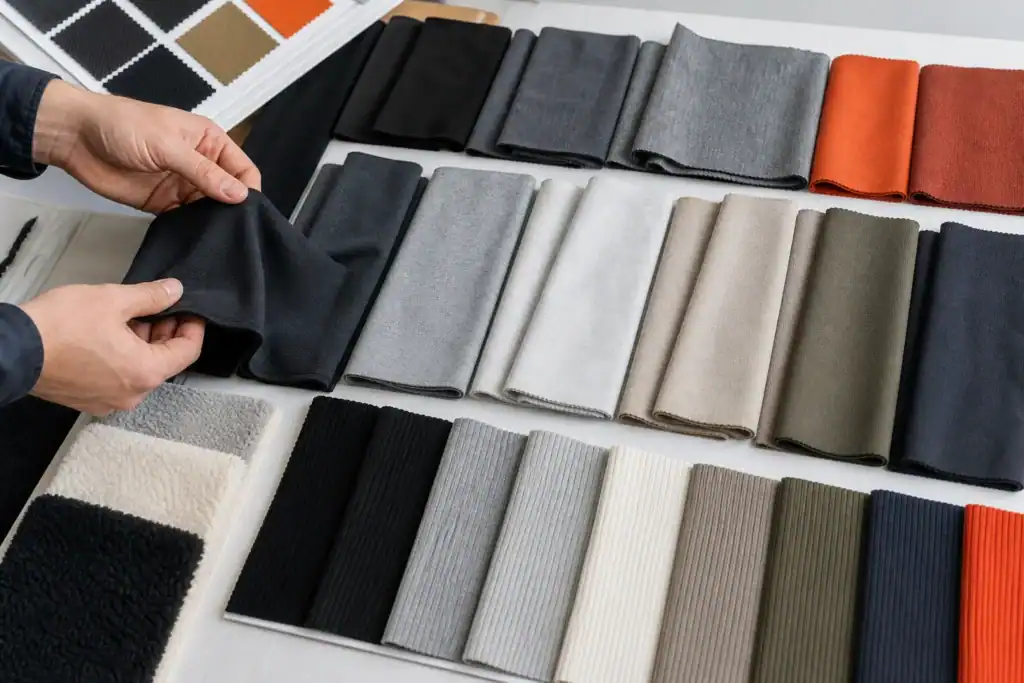
Fabric Groups Buyers Commonly Review
Performance & Quick-Dry Fabrics
Cotton, Jersey & Blended Knits
Fleece, French Terry & Washed Fabric
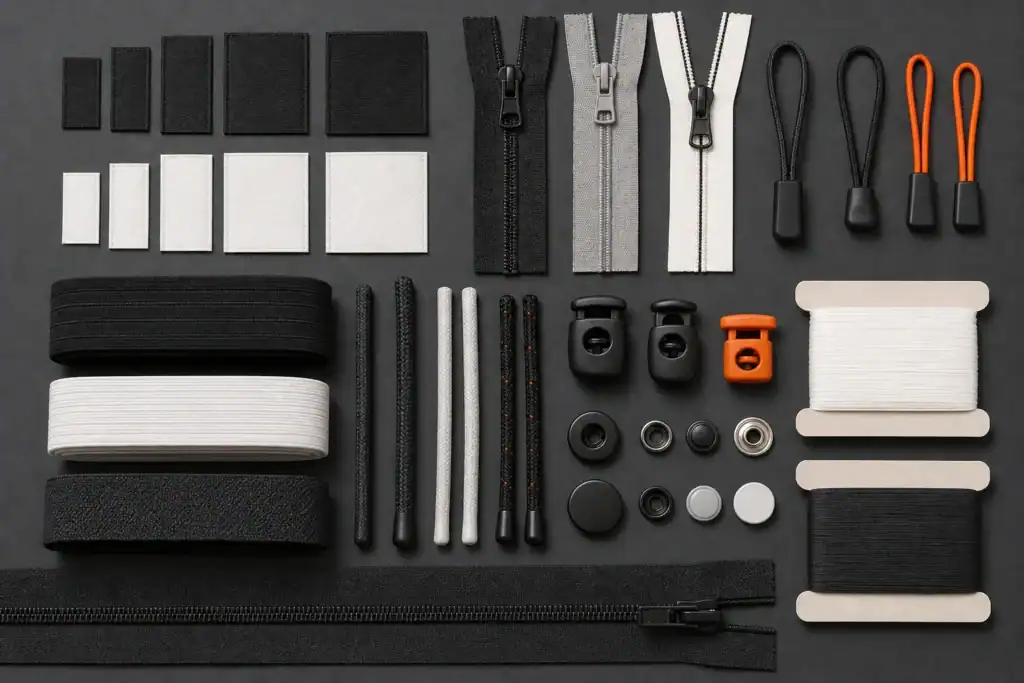
Trim, Branding & Packaging References
Labels & Brand Marks
Printing & Embroidery

Packaging & SKU Control
Specification Decisions to Confirm
Fabric Specs
Trim Specs
Decoration Specs
Fabric, Trim and Packaging Sourcing Checklist
For a fabric and trim sourcing brief, record the product category, intended use, target composition or GSM, stretch and recovery, color standard, decoration method, trim details, label placement, packaging format and estimated quantity. If you are comparing a fabric sourcing company, use the same specification list so options can be reviewed on a like-for-like basis.
Ask for apparel fabric swatches or a reference sample when hand feel, weight, stretch, recovery, surface texture or color must be judged physically. Record the intended use and approval criteria for each reference, then move confirmed specifications into an editable tech pack before sampling and prototyping.
For private-label programs, record trim components and any garment trims supplier references, then document custom apparel packaging and apparel packaging bags with artwork, SKU labels and packing notes. Keep an apparel packaging note for the project; packaging for apparel should be checked against the product, destination and receiving process. Availability and compatibility are confirmed during inquiry.
How Buyers Use the Fabric & Trim Library
1. Share Reference
2. Review Options
3. Confirm Sampling
4. Lock Bulk Specs
Prepare These Items Before Inquiry
What to Send for Review
Product & Fabric Brief
- Product type and intended use
- Fabric target, GSM or reference sample
Color & Branding Details
- Color, size range and quantity by color
- Logo artwork and decoration method if known
Packing & Delivery Notes
- Label, hangtag, barcode and packaging requirements
- Destination country and timeline expectation
Fabric & Trim Library FAQ
Fabric availability depends on current material stock and the target product. Buyers can send a reference sample, fabric photo, GSM target or hand-feel direction for review before sample planning.
Fabric choice should connect the buyer's use case to measurable approval points. Confirm composition, weight tolerance, stretch direction, recovery, surface feel, wash behavior, pilling risk, color standard and print or embroidery compatibility for Fabric & Trim Library. Sampling helps expose trade-offs between performance, appearance, durability, cost and lead time before material booking.
Common trim details include neck labels, waistband labels, care labels, woven labels, hangtags, drawcords, zippers, elastic, barcode stickers, polybags and carton marks.
Packing and logistics requirements affect costing, production release and receiving accuracy. Define the trade term, destination, shipment method, SKU sorting, labels, polybags, carton quantities, marks and required commercial or warehouse documents for Fabric & Trim Library. Buyer-supplied compliance text and barcodes should be approved before printing, and final carton data should match the packing list.
Yes. Print and embroidery choices should be reviewed against fabric stretch, surface texture, washing behavior, logo size, placement and order quantity.
For Fabric & Trim Library, compare fabric by composition, knit or weave, usable width, weight, stretch and recovery, hand feel, opacity, shrinkage, colorfastness and compatibility with the planned decoration. Review swatches or a sample under the intended use and care conditions before locking the bulk material; availability and color consistency should be reconfirmed for reorders.
A tech pack is helpful, but not always required for the first review. Product photos, material references, size range, artwork and packaging requirements can also support an initial discussion.
Reference material can start a Fabric & Trim Library discussion, but every assumption should be converted into an editable specification before bulk production. Record the silhouette, graded measurements, fabric composition and weight, construction, artwork size and placement, trims, labels, packing and tolerance points, then update that record after each approved sample.
Documenting approved fabric, trims, labels, decoration and packaging details helps reduce variation between sample approval, first bulk order and repeat production runs.
For a repeat Fabric & Trim Library order, reference the approved sample and preserve the bill of materials, measurement chart, color standard, artwork, labels, packaging and SKU mapping from the previous run. Reconfirm fabric lot availability, shade, trims, quantities and delivery date because materials and schedules can change even when the style code is unchanged.
Certification, lead time, MOQ and capacity details should be confirmed during inquiry based on current materials, order quantity and project requirements.
For SEO and buyer trust, publish only evidence that can be traced to a current certificate, inspection record, approved project file or client-authorized source. State what the document covers and what it does not cover; exact compliance, testing, factory capacity and delivery requirements should be reconfirmed for the product and destination market.
Trims in clothing are the labels, drawcords, elastic, zippers, buttons, hangtags, patches and other components added to a garment. Confirm material, size, placement, color, attachment method and packaging impact before sampling; final availability and compatibility must be reviewed for the submitted product.
A fabric swatch is a small material reference used to review hand feel, weight, stretch, recovery, color and surface appearance before approving a sample. Use swatches alongside the product brief, measurement targets and decoration requirements; the sample and final material decision still need project-specific confirmation.