
For E-commerce Sellers: Custom Apparel Development for Online Stores
Repeatable product development for online sellers who need SKU planning, sample review, private-label branding, packaging details, and replenishment support before scaling apparel orders.
Are Product Development Gaps Slowing Your Online Apparel Store?
Too Many SKU Decisions
Sample and Photo Delays
MOQ and Cash-flow Pressure
Inconsistent Fit Across Reorders
Custom Clothing Solutions for E-commerce Sellers
First Launch Capsule
Reorder-ready Core Styles
Private-label Packaging
Built for Listing Accuracy, SKU Control and Repeat Orders

E-commerce Sales Channels We Can Prepare For
DTC Stores
Marketplace Sellers
Social Commerce Drops
Growing Apparel Brands
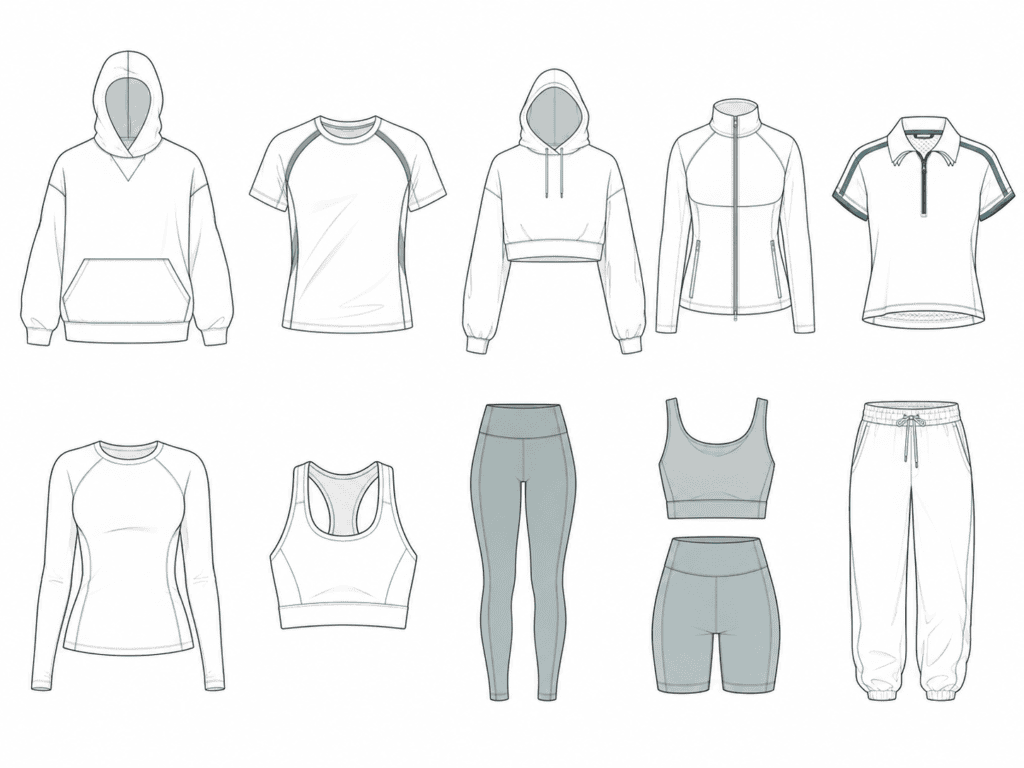
E-commerce Apparel Product Directions
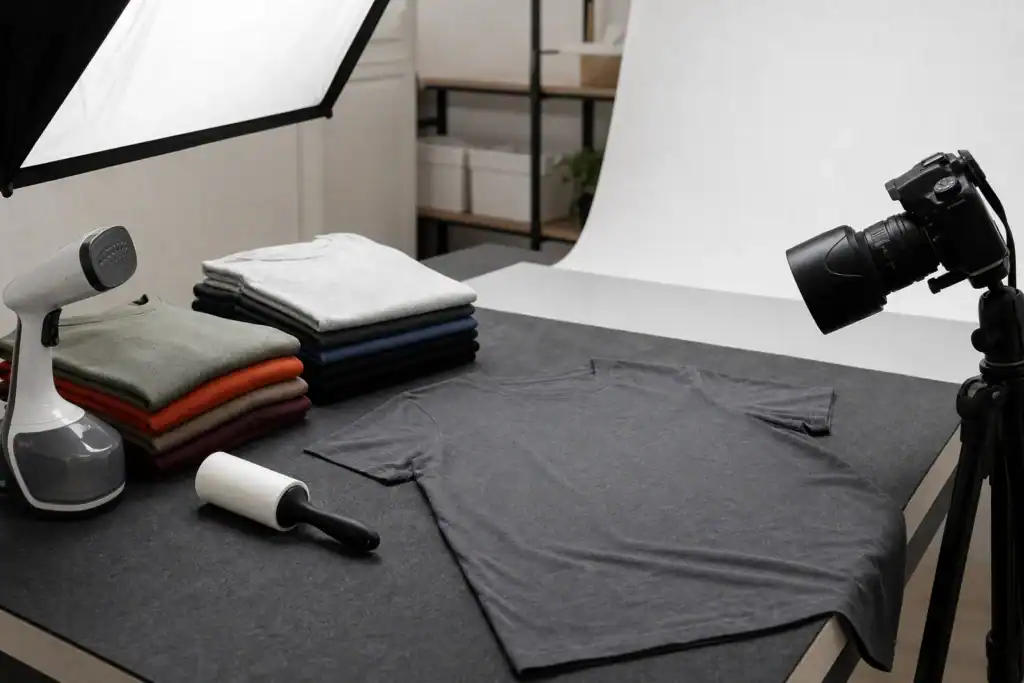
T-shirts and Oversized Tees

Hoodies and Sweatshirts

Shorts, Tanks and Joggers
E-commerce Clothing Specification Checklist
Product file
Sales channel
Branding setup
Commercial details
Proof to confirm
Sample, Production and Replenishment Support
Sample First
Bulk Order Control
Reorder Planning
E-commerce Launch Planning Example
Challenge
Development Response
Practical Outcome
Useful Internal Pages for E-commerce Apparel Buyers
Fabric & Trim Library
Advanced Techniques
Quality Control
Custom E-commerce Apparel Development Workflow
1. Store and SKU Review
2. Fabric and Fit Direction
3. Artwork and Branding Setup
4. Sample Development
5. Production Approval
6. Reorder File Control
Buyer Recommendations by E-commerce Stage
For New Online Stores
For Growing Sellers
For Product Teams
Why E-commerce Sellers Work with DETOSUN
Editable in Elementor
Proof-based Copy
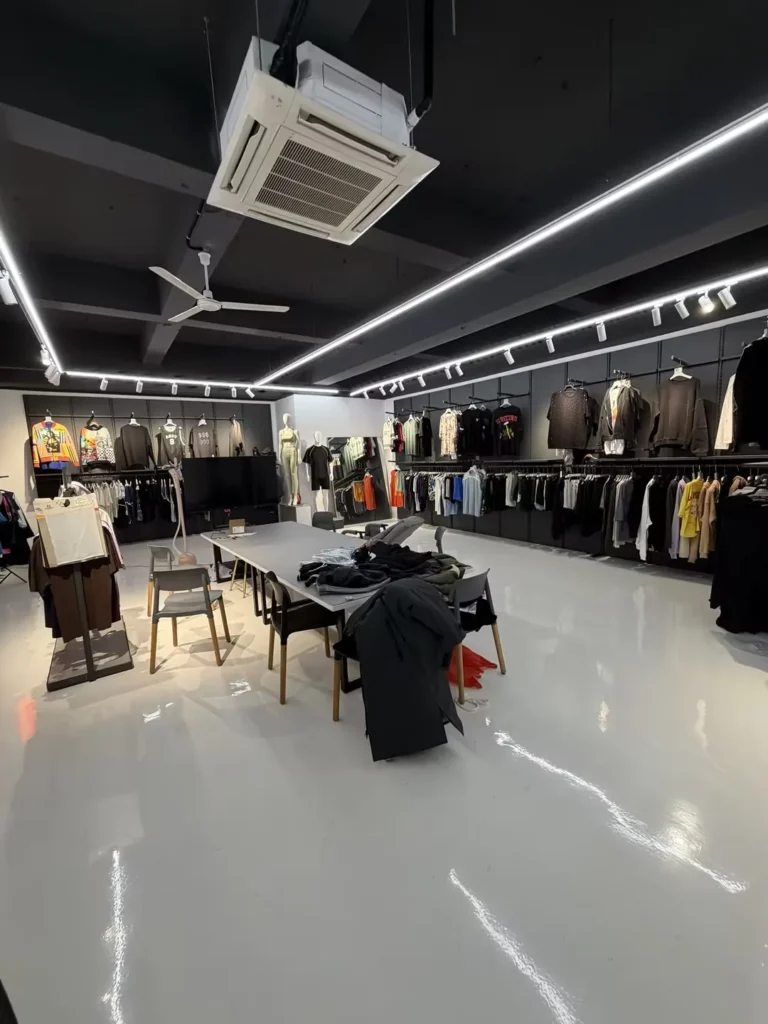
Quality Planning for Online Apparel Products
Fit consistency
Packing clarity
SKU Planning Before Bulk Order
Core SKUs
Size Ratio
Photo Samples
Repeat Order File
Use Real Product, Sample and Packing Photos
ECOMMERCE BUYER CHECKLIST
Turn an Online Store Brief Into Reorder-Ready Apparel
For an online seller, apparel product development process should connect the product brief, sample notes, listing copy and reorder record. A clear handoff helps a private label clothing supplier or custom apparel supplier review the same requirements without guessing.
When comparing custom clothing wholesale and custom apparel wholesale options, state the sales channel, target customer, style references, size run, branding files and intended order path. A wholesale apparel online brief should still identify the exact product and approval record, while a custom clothing company can confirm which details need review.
For an online boutique wholesale clothing program, keep each SKU tied to its approved color, size, artwork, label placement and packing reference. If your team is deciding where to buy wholesale clothing, compare how the supplier records revisions and supports repeat orders rather than relying on a generic catalog.
Coordinate Tags, Packing and the Product File
Buyer-supplied branding may include a clothing label manufacturer brief or custom apparel tags request. Record tag dimensions, artwork version, attachment method and the garment location in the same product file; DTS confirms feasibility against the actual style and sample.
For protective presentation, a request for custom garment bags should state the intended garment, dimensions, closure or print notes and packing reference. The requirement is reviewed with the product and destination plan; this page does not promise a stock specification.
Before a custom clothing order or an order custom clothing request moves forward, align the approved sample, size breakdown, artwork files, packaging notes and delivery contact. Keeping those inputs together gives the buyer a practical record for future replenishment.
For an ecommerce team, clothing inventory management starts with a clear SKU register. Use the approved size and fit notes to prepare a clothing size guide and an apparel size guide for product listings; the final measurements must come from the approved product, not a generic template.
If your launch needs listing visuals, plan clothing product photography and apparel product photography around the approved sample, colorway, front and back views and packing details. Teams asking how to buy wholesale clothing should also confirm which photos, files and approvals are needed before the order is released.
For E-commerce Sellers FAQ
Send product references, sales channel, target buyer, tech pack or size chart, fabric direction, artwork files, colorways, quantity, packaging needs, launch date, and shipping destination.
For a usable For E-commerce Sellers review, separate fixed requirements from preferences and include quantities by color and size, target delivery window, destination country and any non-negotiable compliance or warehouse rules. This lets the team identify missing decisions, check material and decoration feasibility, and prepare a quotation with fewer assumptions.
Yes. The review can include neck labels, woven labels, hang tags, barcode labels, polybags, carton marks, and buyer-specific packing instructions. Final materials should be confirmed before bulk production.
Packing and logistics requirements affect costing, production release and receiving accuracy. Define the trade term, destination, shipment method, SKU sorting, labels, polybags, carton quantities, marks and required commercial or warehouse documents for For E-commerce Sellers. Buyer-supplied compliance text and barcodes should be approved before printing, and final carton data should match the packing list.
Start with a limited number of styles, colors, and sizes. Confirm fabric, fit, artwork, label, and packaging details before adding more variants. This reduces sample cost and inventory risk.
Packing and logistics requirements affect costing, production release and receiving accuracy. Define the trade term, destination, shipment method, SKU sorting, labels, polybags, carton quantities, marks and required commercial or warehouse documents for For E-commerce Sellers. Buyer-supplied compliance text and barcodes should be approved before printing, and final carton data should match the packing list.
A reorder is easier when the approved sample, size chart, fabric direction, trims, artwork, labels, and packing details are documented. Fabric availability and color matching should still be reconfirmed before each reorder.
Reorder consistency improves when the first For E-commerce Sellers order closes with a controlled specification file: approved measurements, construction notes, material details, color reference, decoration files, packing rules and QC feedback. Before repeating, review buyer returns or fit comments and document every change; do not assume an older fabric or trim remains available.
Reference photos can start the review, but a size chart, artwork files, fabric notes, and packaging instructions make the quotation and sample development more accurate.
Reference material can start a For E-commerce Sellers discussion, but every assumption should be converted into an editable specification before bulk production. Record the silhouette, graded measurements, fabric composition and weight, construction, artwork size and placement, trims, labels, packing and tolerance points, then update that record after each approved sample.
Add only verified proof, such as real product photos, sample photos, quality records, confirmed certificates, or approved case examples. Use [client to confirm] where evidence is not ready.
Treat certification scope, test standards, capacity, lead time and performance claims as order-specific evidence, not universal promises. Before publishing, attach the current document or approved source, confirm the issuing body, holder, product or facility scope and validity period, and remove any statement that cannot be checked by a buyer.