
Custom Apparel Development for Startups & New Brands
Product development support for startups and new clothing brands that need a clear first collection, sample review, private-label branding, packaging details, and a controlled path to repeat orders.
Are Product Decisions Slowing Your First Apparel Launch?
Too Many SKU Decisions
Sample and Photo Delays
MOQ and Cash-flow Pressure
Inconsistent Fit Across Reorders
Custom Clothing Development for Startups & New Brands
First Launch Capsule
Reorder-ready Core Styles
Private-label Packaging
Built for Clear Sampling, Launch SKUs and Repeat Orders
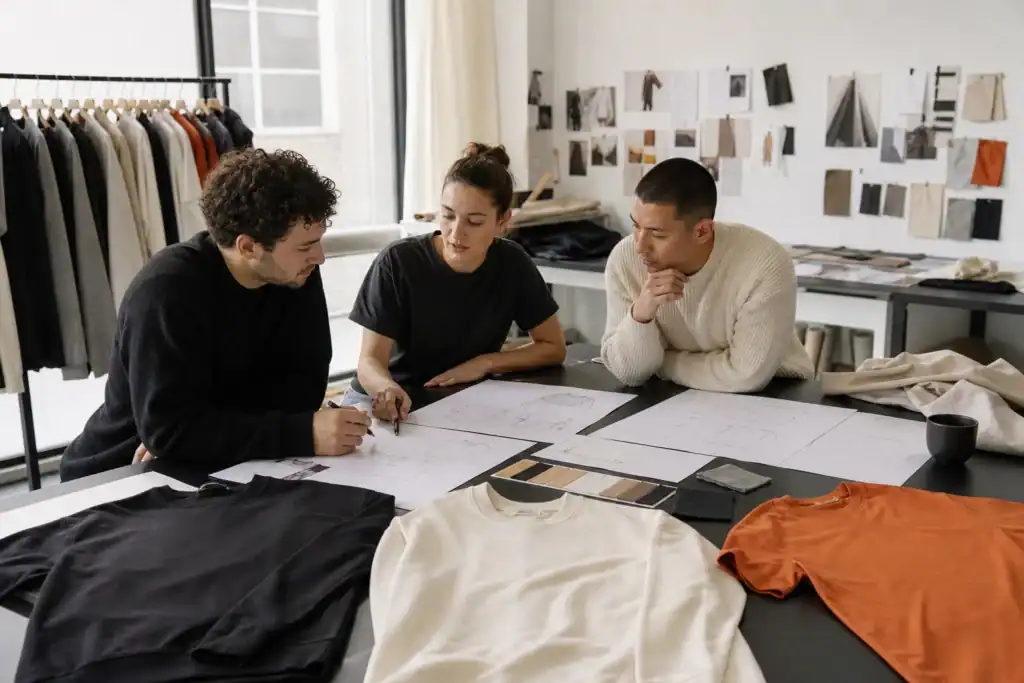
Sales Channels for New Apparel Brands
DTC Stores
Marketplace Sellers
Social Commerce Drops
Growing Apparel Brands
Product Directions for a First Apparel Collection
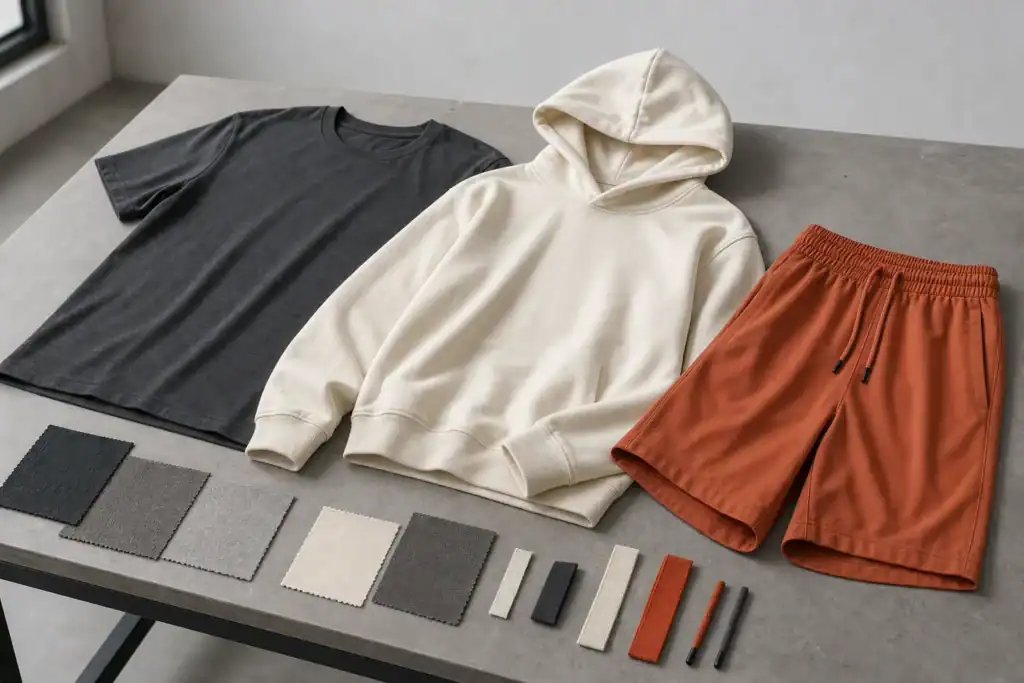
T-shirts and Oversized Tees
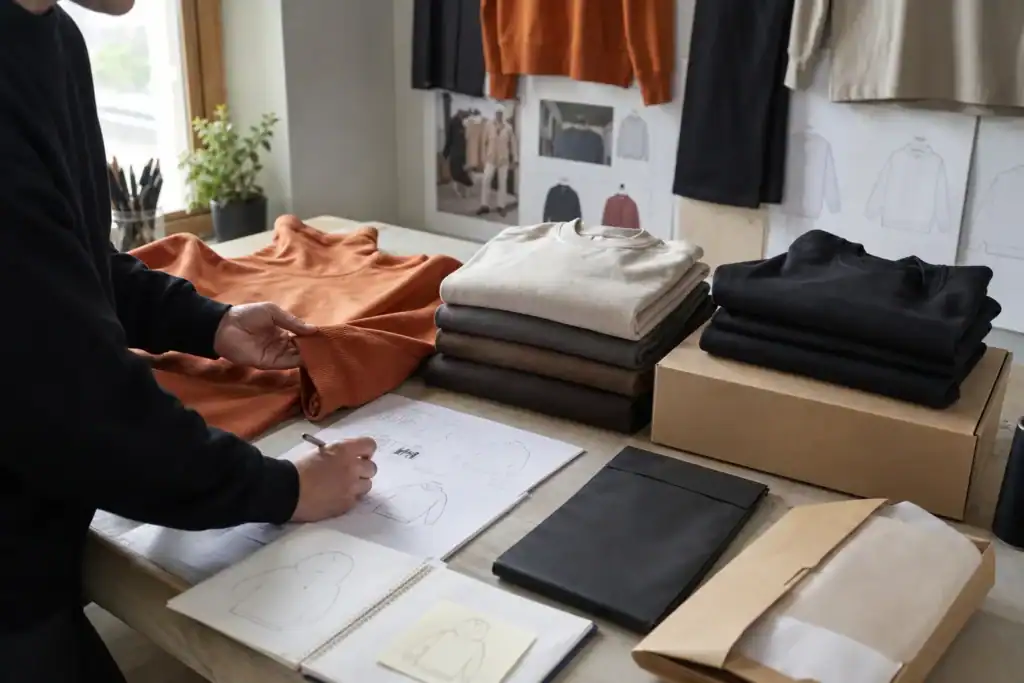
Hoodies and Sweatshirts
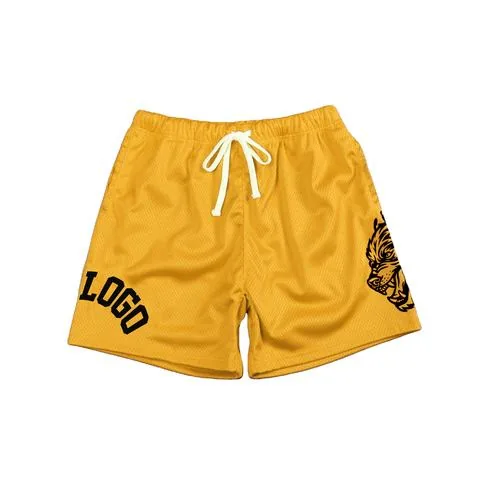
Shorts, Tanks and Joggers
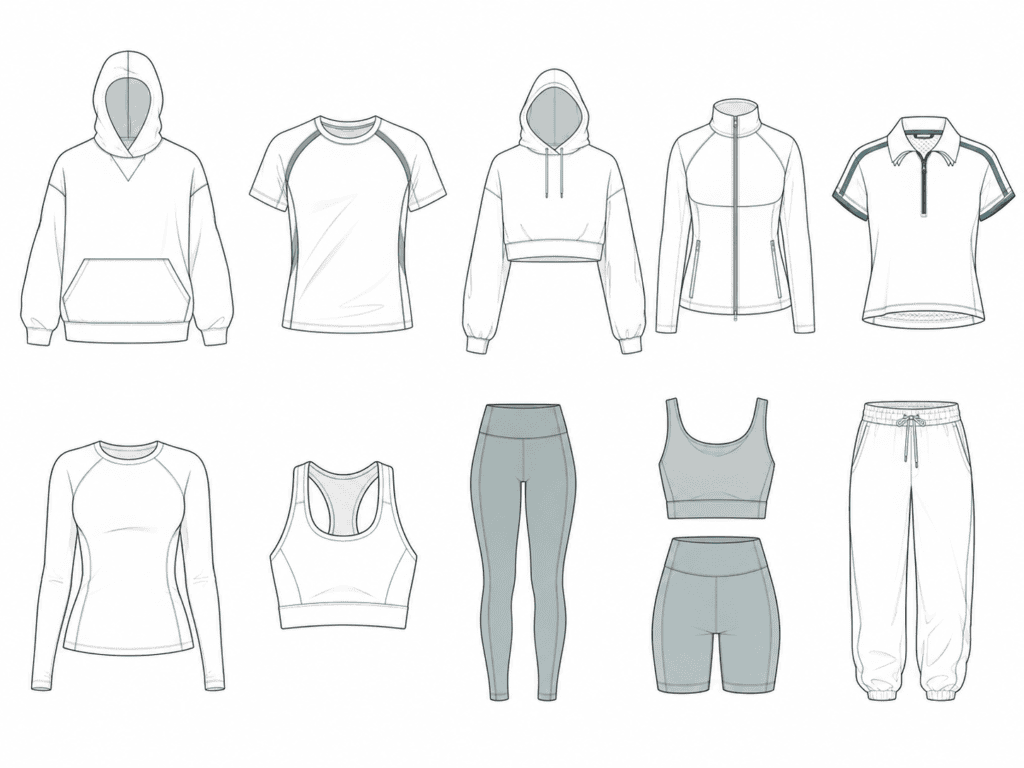
Startup Apparel Specification Checklist
Product file
Sales channel
Branding setup
Commercial details
Proof to confirm
Sample, Production and Reorder Support for New Brands
Sample First
Bulk Order Control
Reorder Planning
First Collection Planning Example
Challenge
Development Response
Practical Outcome
Useful Resources for Startup Apparel Buyers
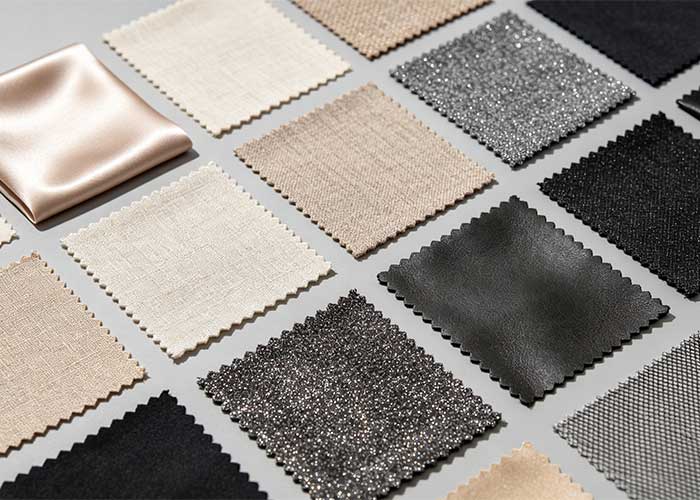
Fabric & Trim Library
Advanced Techniques
Quality Control
Startup Apparel Development Workflow
1. Store and SKU Review
2. Fabric and Fit Direction
3. Artwork and Branding Setup
4. Sample Development
5. Production Approval
6. Reorder File Control
Recommendations for New Apparel Brands
For New Online Stores
For Growing Sellers
For Product Teams
Why Startups Work with DETOSUN
Editable in Elementor
Proof-based Copy
Quality Planning for a First Apparel Collection
Fit consistency
Packing clarity
SKU Planning Before Bulk Order
Core SKUs
Size Ratio
Photo Samples
Repeat Order File
Use Real Product, Sample and Packing Photos
Clothing Brand Manufacturer Options for Startups
For teams comparing clothing manufacturers for startups, the first useful question is whether the supplier can turn a product brief into sample-ready decisions. A clothing manufacturer for startups should be compared with a custom clothing manufacturer or custom clothing suppliers on the product file, fabric direction, size chart, artwork and packaging details needed for a project-specific quote. A shortlist of custom clothing manufacturers for startups can be screened with the same questions. Buyers also use the checklist when reviewing clothing manufacturers for small businesses. It helps separate a general clothing brand manufacturer from a partner prepared for a first collection. Share references through designer consultation when the product direction still needs review.
Private label apparel and private label apparel manufacturers can be evaluated by how clearly they handle labels, hang tags and packing instructions. Compare private label clothing manufacturers with a private label clothing manufacturer against the approved sample and written specifications; private label clothing is a route, not a promise of one fixed quantity or price. If the collection is performance-led, a private label activewear manufacturer should review the actual fabric and fit references. For an initial order, ask how low MOQ clothing manufacturers and a small batch clothing manufacturer would treat fabric, color, decoration and reorder requirements rather than assuming a universal MOQ.
Match the collection to the production route you actually need. A wholesale apparel manufacturer may suit stocked basics, while a full service apparel manufacturer or full package clothing manufacturers can be compared when development, samples and production records need to stay together. If the first drop includes hoodies or streetwear, send a brief to a custom hoodie manufacturer or custom streetwear manufacturer and connect the request to sampling and prototyping, quality control and inquiry and NDA. For controlled tests, compare small batch apparel manufacturers and keep the approved sample and current SKU file before any bulk order.
Startups & New Brands FAQ
Start with one to three priority products and send reference images, target customer, intended fit, fabric direction, logo or artwork, size range, color plan, estimated quantity, destination and launch window. A tech pack is useful but not required for the first review.
Separate non-negotiable brand details from preferences and mark unknown items clearly. This helps DETOSUN identify development gaps, compare light, semi-custom or full-custom routes, and explain what is needed for sampling and a project-specific quotation.
Yes. A startup can begin with a moodboard, sketches, product links, existing garment photos, logo files or rough measurements. The first task is to convert those references into measurable decisions for fit, fabric, construction, artwork placement, trims, labels and packaging.
Every assumption should be recorded and reviewed in the sample. Before bulk production, the approved measurements, material details, color references, artwork, labels, packing and tolerances should be consolidated into one current specification rather than left across messages.
Keep the first collection controlled: choose a clear customer, use case and price direction, then limit styles, colors and size range until the core fit and fabric are approved. Reusing a base fabric, label system or packaging format across compatible styles can simplify sampling and inventory planning.
Build an SKU table before ordering that lists each style, color, size, quantity, decoration and packing requirement. This makes quotations comparable and helps identify where variety may increase material minimums, cost or lead time.
MOQ and sample cost depend on garment complexity, fabric and color minimums, custom trims, decoration, number of sizes and colors, pattern work, revision rounds and packaging requirements. They should be quoted for the actual project rather than treated as one fixed company-wide number.
To control risk, ask which details can use available materials or standard components and which require custom development. Confirm what the sample fee covers, how revisions are handled and when bulk pricing becomes final.
Yes, but reorder consistency depends on preserving the approved sample and current production file. Keep the bill of materials, measurement chart, construction notes, color reference, artwork, label files, packaging rules, SKU mapping and QC feedback from the first run.
Before reordering, reconfirm fabric lot availability, shade, trims, quantities and delivery date because materials and production schedules can change. Add customer fit comments or return data as controlled revisions instead of silently replacing the previous specification.
Publish only startup-related examples, photos, testimonials, MOQ statements, turnaround times, certifications and production claims that the client can support with current evidence. A project example should identify its approved scope and outcome without exposing confidential buyer information.
For SEO and buyer trust, state what each document or example proves and what still requires order-specific confirmation. Unverified customer logos, results, factory capacity, export markets or fixed delivery promises should remain unpublished or be marked for client verification.
To start a custom clothing line, define the customer, use case, product references, fit, fabric direction, artwork, size range and packaging before asking for a project-specific quote. Use tech pack customization when the specifications are ready, or begin with references and review the assumptions during sampling. Confirm the approved sample and inspection points before bulk production; no fixed MOQ, cost or timing should be assumed without the actual brief.
To start a private label clothing line, list the styles, logo placement, neck or woven labels, hang tags, barcode or packing requirements and the sales channel. Ask a private-label supplier to confirm which details can use available materials and which need custom development. Review the sample, current SKU file and quality-control checkpoints before placing a repeatable bulk order, and use inquiry and NDA if the project needs confidentiality.