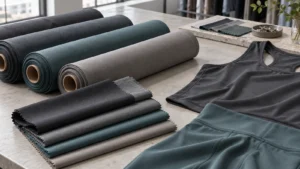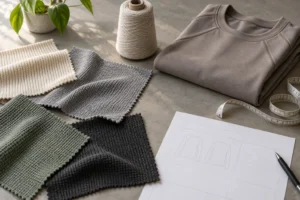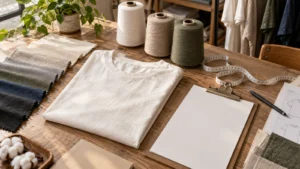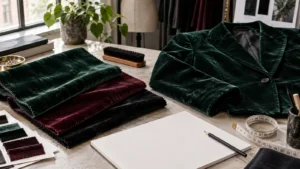
Microfiber fabric is a textile made from extremely fine synthetic fibers or filaments. In textile standards, the word generally refers to fineness rather than one fixed polymer, knit, weave, GSM, stretch level or finish. Polyester and polyamide (nylon) are common choices, but a buyer still needs the exact fiber content and construction on the technical sheet. AATCC describes microfiber as less than 1 denier and greater than 0.3 denier, while other textile references use a less-than-1-dtex threshold, so the convention should be stated when it matters.
For an apparel buyer, the useful question is not only “what is microfiber fabric?” It is: which fiber, yarn, construction and finish will deliver the hand, coverage, recovery, moisture behavior and care performance required by this garment? This guide turns the name into a quote-ready specification for activewear, swimwear, underwear, linings and other private-label apparel programs.
What Is Microfiber Fabric?
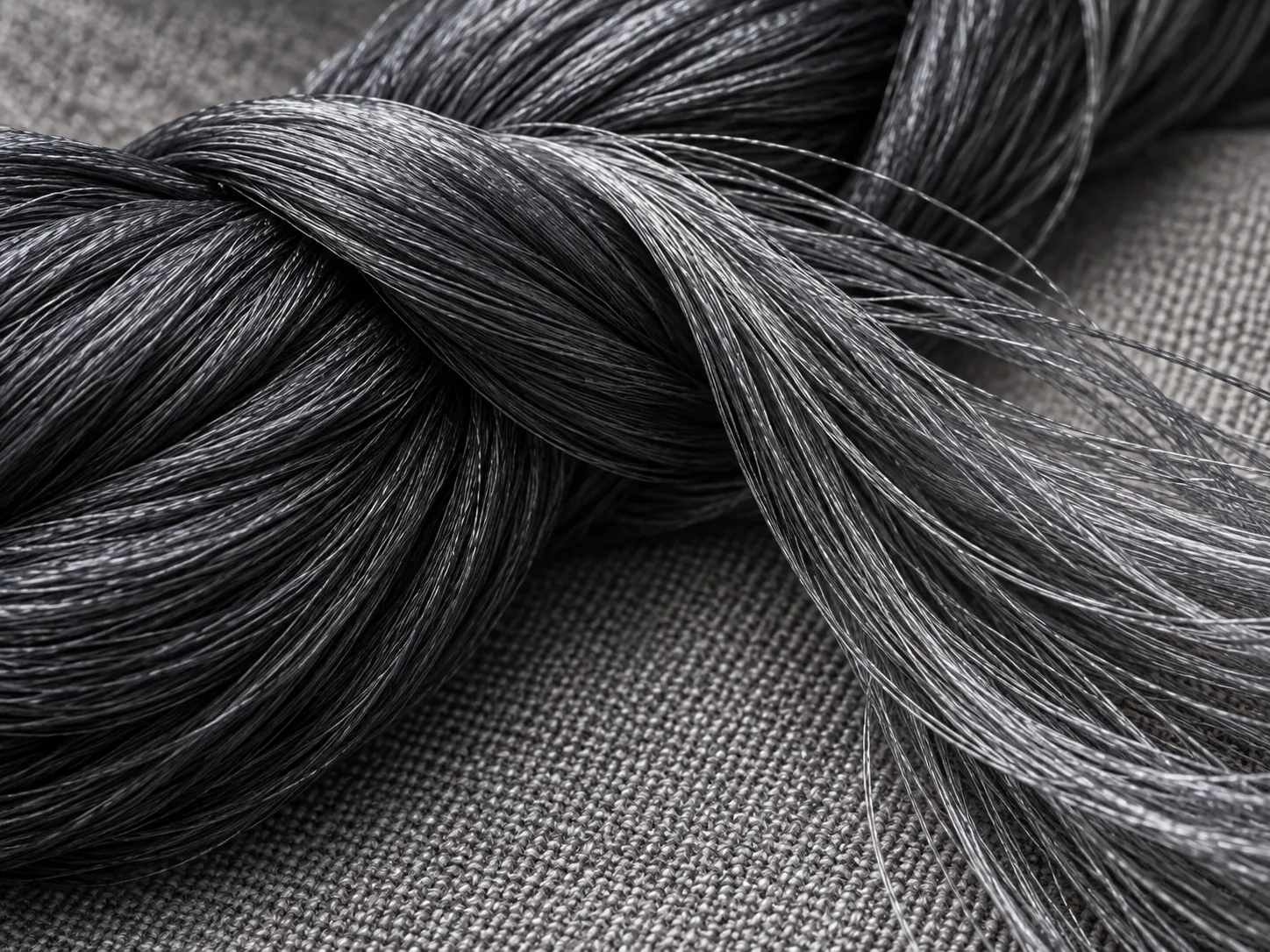
Microfiber fabric is made with very fine fibers or filaments that are assembled into a woven, knitted or nonwoven textile. The fine scale can create a smooth surface, dense coverage, soft hand and a high surface-area yarn, but those results are produced by the combination of fiber, yarn, construction, finishing and fabric weight. The name by itself is not a performance test.
The terminology needs care. AATCC’s textile explanation uses a less-than-1-denier and greater-than-0.3-denier definition, while Textile Exchange’s glossary describes a synthetic fiber finer than one denier per filament. These definitions are close in practical sourcing conversations but are not a substitute for the supplier’s stated filament or yarn specification.
| Campo del comprador | Lo que describe | Por qué es importante |
|---|---|---|
| Contenido de fibra | Polymer or blend, such as polyester, polyamide or elastane | Changes dye route, recovery, care, labeling and cost |
| Fiber or filament fineness | Denier or dtex at the agreed measurement level | Separates a true microfiber yarn from a generic soft synthetic claim |
| Construcción | Knit, weave, interlock, tricot, jersey, woven or other structure | Controls stretch, cover, stability, drape and seam behavior |
| GSM finalizado | Fabric mass per square meter after finishing | Helps control opacity, seasonality, hand and yield |
| Elasticidad y recuperación | Direction, extension, recovery and growth under an agreed method | Prevents a fitted garment from feeling restrictive or losing shape |
| Finish and face | Peached, brushed, wicking, sueded, coated, embossed or untreated surface | Changes touch, friction, moisture behavior and appearance |
| Ancho útil | Finished width available for cutting | Affects marker efficiency, consumption and quotation |
| Lot and color control | Dye lot, shade, tolerance and approval swatch | Protects repeat-order consistency and shade matching |
The buyer should therefore treat microfiber as a starting material description. The approved swatch, construction record and test evidence are the real reference for sampling and bulk production.
Is Microfiber Always Polyester or Nylon?
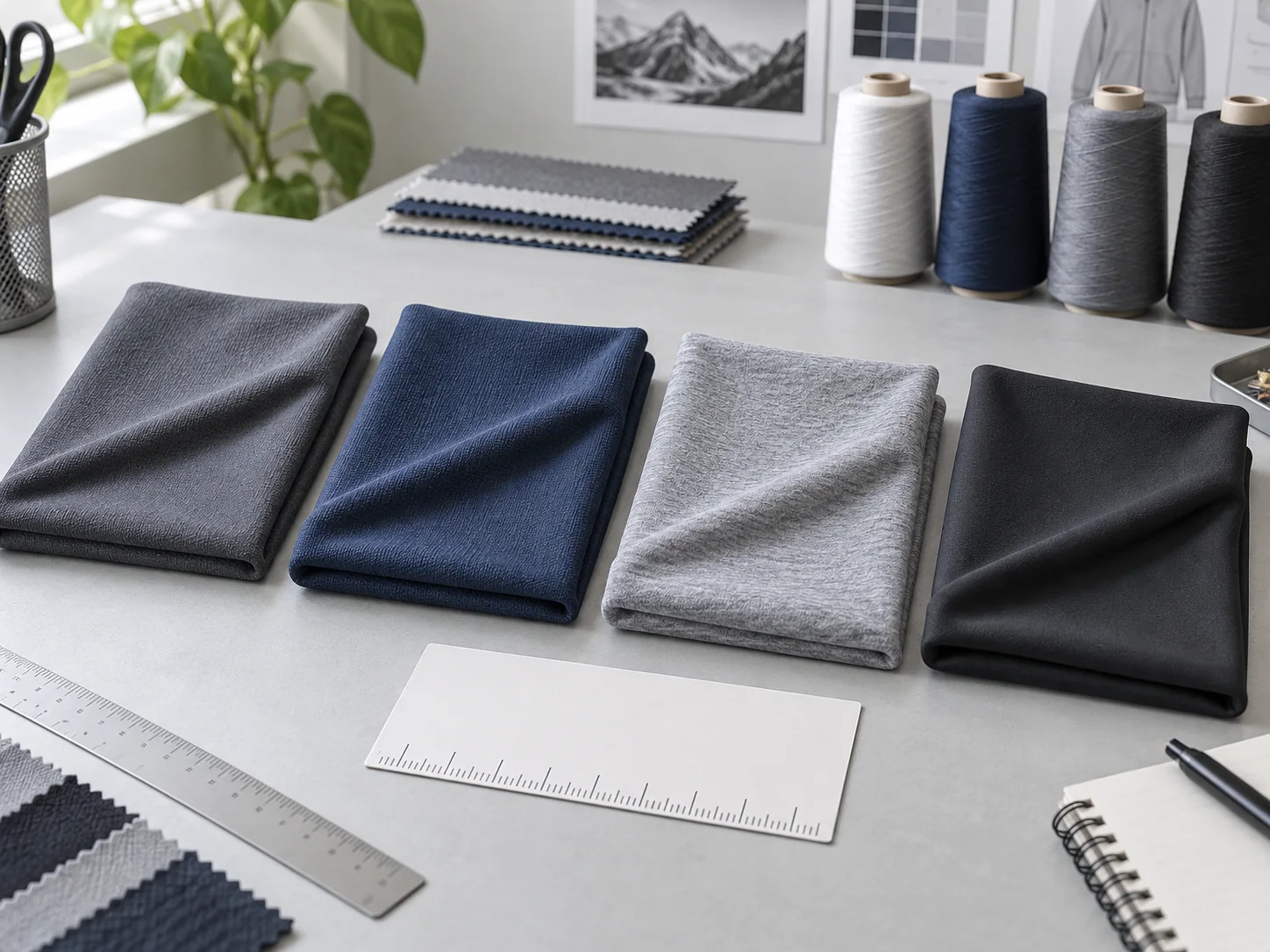
No. Polyester and polyamide are common because both can be engineered into very fine filaments, but microfiber is not a synonym for polyester. A microfiber fabric may be polyester, nylon, a polyester-nylon blend, or a blend that includes elastane for stretch. The polymer changes how the material behaves; the construction and finish change it again.
Polyester microfiber is often selected when dimensional stability, color development, quick-drying behavior or cost control are important. Nylon microfiber may be chosen when a buyer wants a different hand, dye response or resilience profile. Neither sentence is a universal guarantee. The actual yarn, fabric construction, finish and garment design must be approved together.
| Material description | What the name tells you | Lo que aún necesita confirmación |
|---|---|---|
| Microfiber | The fiber or filament is very fine under the stated convention | Polymer, construction, GSM, width, finish and tests |
| cURL Too many subrequests by single Worker invocation. To configure this limit, refer to https://developers.cloudflare.com/workers/wrangler/configuration/#limits | cURL Too many subrequests by single Worker invocation. To configure this limit, refer to https://developers.cloudflare.com/workers/wrangler/configuration/#limits | cURL Too many subrequests by single Worker invocation. To configure this limit, refer to https://developers.cloudflare.com/workers/wrangler/configuration/#limits |
| cURL Too many subrequests by single Worker invocation. To configure this limit, refer to https://developers.cloudflare.com/workers/wrangler/configuration/#limits | cURL Too many subrequests by single Worker invocation. To configure this limit, refer to https://developers.cloudflare.com/workers/wrangler/configuration/#limits | cURL Too many subrequests by single Worker invocation. To configure this limit, refer to https://developers.cloudflare.com/workers/wrangler/configuration/#limits |
| cURL Too many subrequests by single Worker invocation. To configure this limit, refer to https://developers.cloudflare.com/workers/wrangler/configuration/#limits | cURL Too many subrequests by single Worker invocation. To configure this limit, refer to https://developers.cloudflare.com/workers/wrangler/configuration/#limits | cURL Too many subrequests by single Worker invocation. To configure this limit, refer to https://developers.cloudflare.com/workers/wrangler/configuration/#limits |
cURL Too many subrequests by single Worker invocation. To configure this limit, refer to https://developers.cloudflare.com/workers/wrangler/configuration/#limits, cURL Too many subrequests by single Worker invocation. To configure this limit, refer to https://developers.cloudflare.com/workers/wrangler/configuration/#limits cURL Too many subrequests by single Worker invocation. To configure this limit, refer to https://developers.cloudflare.com/workers/wrangler/configuration/#limits, cURL Too many subrequests by single Worker invocation. To configure this limit, refer to https://developers.cloudflare.com/workers/wrangler/configuration/#limits cURL Too many subrequests by single Worker invocation. To configure this limit, refer to https://developers.cloudflare.com/workers/wrangler/configuration/#limits.
cURL Too many subrequests by single Worker invocation. To configure this limit, refer to https://developers.cloudflare.com/workers/wrangler/configuration/#limits
cURL Too many subrequests by single Worker invocation. To configure this limit, refer to https://developers.cloudflare.com/workers/wrangler/configuration/#limits.
cURL Too many subrequests by single Worker invocation. To configure this limit, refer to https://developers.cloudflare.com/workers/wrangler/configuration/#limits.
cURL Too many subrequests by single Worker invocation. To configure this limit, refer to https://developers.cloudflare.com/workers/wrangler/configuration/#limits.
cURL Too many subrequests by single Worker invocation. To configure this limit, refer to https://developers.cloudflare.com/workers/wrangler/configuration/#limits

cURL Too many subrequests by single Worker invocation. To configure this limit, refer to https://developers.cloudflare.com/workers/wrangler/configuration/#limits.
cURL Too many subrequests by single Worker invocation. To configure this limit, refer to https://developers.cloudflare.com/workers/wrangler/configuration/#limits.
| cURL Too many subrequests by single Worker invocation. To configure this limit, refer to https://developers.cloudflare.com/workers/wrangler/configuration/#limits | Qué registrar | Decisión del comprador |
|---|---|---|
| cURL Too many subrequests by single Worker invocation. To configure this limit, refer to https://developers.cloudflare.com/workers/wrangler/configuration/#limits | cURL Too many subrequests by single Worker invocation. To configure this limit, refer to https://developers.cloudflare.com/workers/wrangler/configuration/#limits | cURL Too many subrequests by single Worker invocation. To configure this limit, refer to https://developers.cloudflare.com/workers/wrangler/configuration/#limits |
| cURL Too many subrequests by single Worker invocation. To configure this limit, refer to https://developers.cloudflare.com/workers/wrangler/configuration/#limits | cURL Too many subrequests by single Worker invocation. To configure this limit, refer to https://developers.cloudflare.com/workers/wrangler/configuration/#limits | cURL Too many subrequests by single Worker invocation. To configure this limit, refer to https://developers.cloudflare.com/workers/wrangler/configuration/#limits |
| Recuperación | cURL Too many subrequests by single Worker invocation. To configure this limit, refer to https://developers.cloudflare.com/workers/wrangler/configuration/#limits | cURL Too many subrequests by single Worker invocation. To configure this limit, refer to https://developers.cloudflare.com/workers/wrangler/configuration/#limits |
| cURL Too many subrequests by single Worker invocation. To configure this limit, refer to https://developers.cloudflare.com/workers/wrangler/configuration/#limits | cURL Too many subrequests by single Worker invocation. To configure this limit, refer to https://developers.cloudflare.com/workers/wrangler/configuration/#limits | cURL Too many subrequests by single Worker invocation. To configure this limit, refer to https://developers.cloudflare.com/workers/wrangler/configuration/#limits |
| cURL Too many subrequests by single Worker invocation. To configure this limit, refer to https://developers.cloudflare.com/workers/wrangler/configuration/#limits | cURL Too many subrequests by single Worker invocation. To configure this limit, refer to https://developers.cloudflare.com/workers/wrangler/configuration/#limits | cURL Too many subrequests by single Worker invocation. To configure this limit, refer to https://developers.cloudflare.com/workers/wrangler/configuration/#limits |
cURL Too many subrequests by single Worker invocation. To configure this limit, refer to https://developers.cloudflare.com/workers/wrangler/configuration/#limits.
cURL Too many subrequests by single Worker invocation. To configure this limit, refer to https://developers.cloudflare.com/workers/wrangler/configuration/#limits
cURL Too many subrequests by single Worker invocation. To configure this limit, refer to https://developers.cloudflare.com/workers/wrangler/configuration/#limits.
cURL Too many subrequests by single Worker invocation. To configure this limit, refer to https://developers.cloudflare.com/workers/wrangler/configuration/#limits.
cURL Too many subrequests by single Worker invocation. To configure this limit, refer to https://developers.cloudflare.com/workers/wrangler/configuration/#limits.
cURL Too many subrequests by single Worker invocation. To configure this limit, refer to https://developers.cloudflare.com/workers/wrangler/configuration/#limits.
How Surface Fineness Changes Hand Feel and Coverage
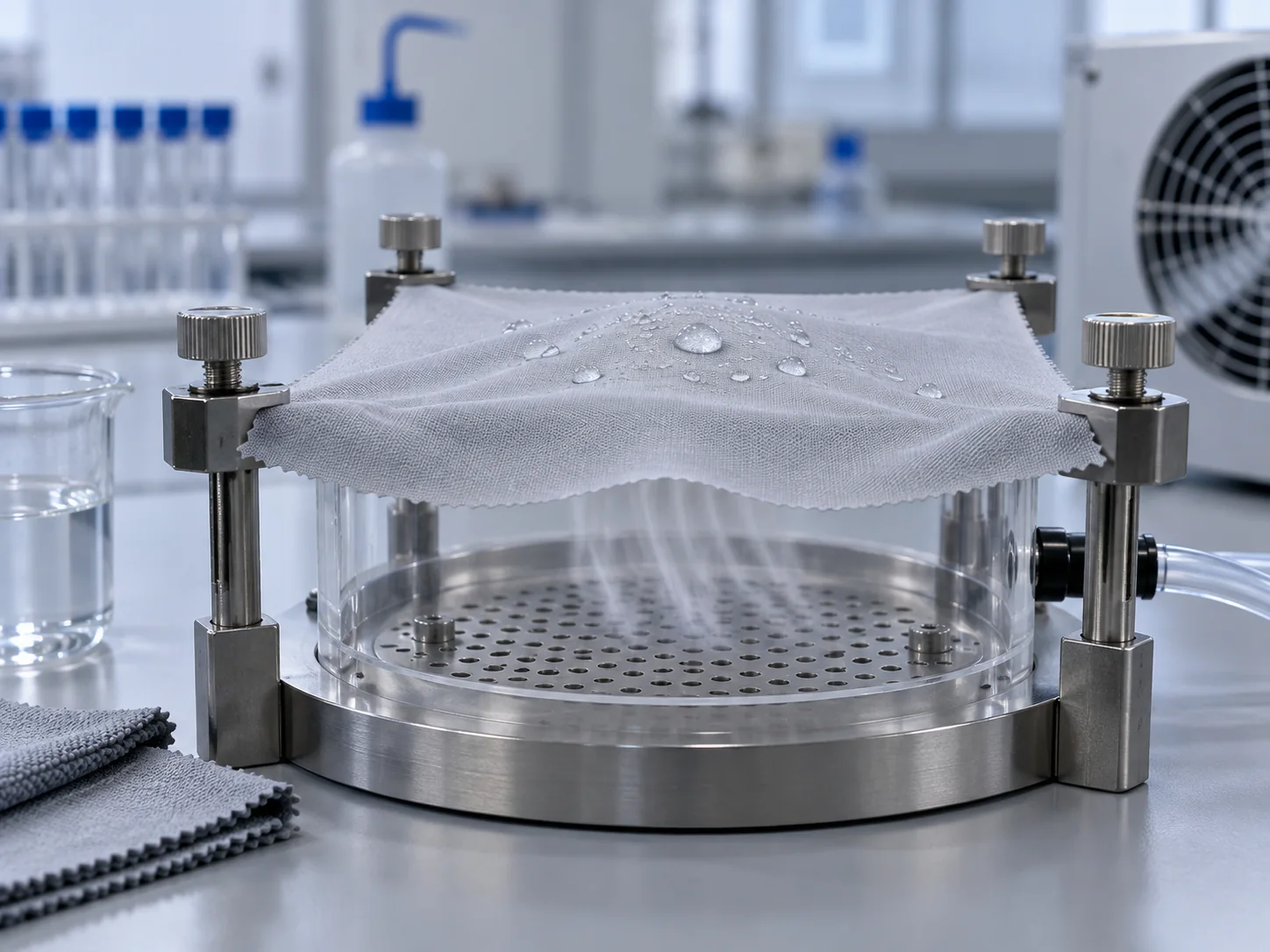
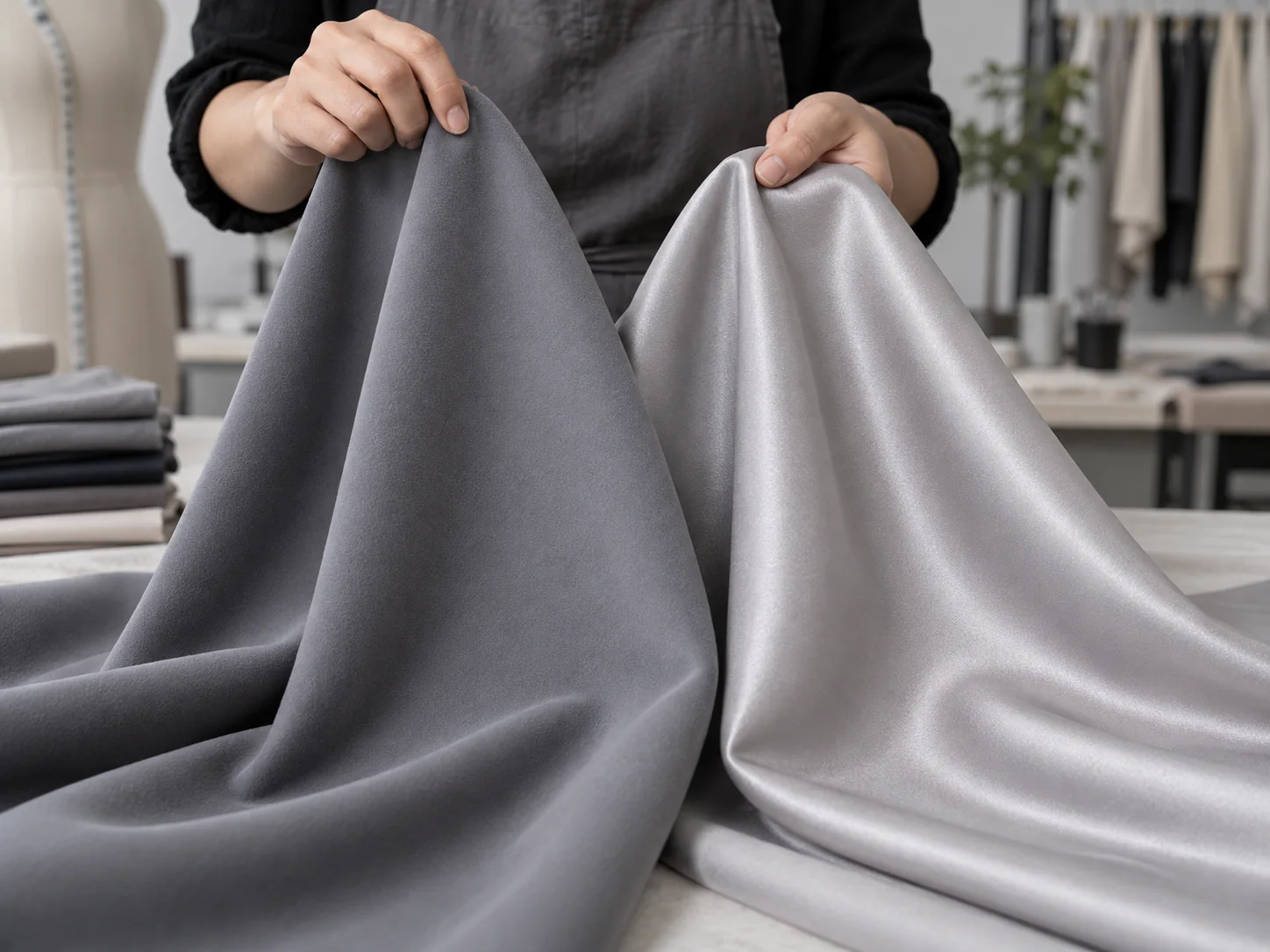
Fine fibers can create a smooth hand and a dense-looking surface because more filaments can be present within a yarn or fabric area. The result may be soft, fluid, compact or subtly lustrous. A split filament, brushing, peaching, sueding, calendaring or coating can change the surface again. The same fiber family can therefore support a smooth lining, a matte activewear face or a soft fashion finish.
Coverage is not guaranteed by the microfiber label. It depends on GSM, construction, color, stretch state, light transmission, finishing and the garment’s ease. Test the fabric in the intended color and at the intended stretch. For a light color or a close-fitting product, inspect coverage both flat and worn over the approved base layer.
Is Microfiber Fabric Breathable and Moisture-Wicking?
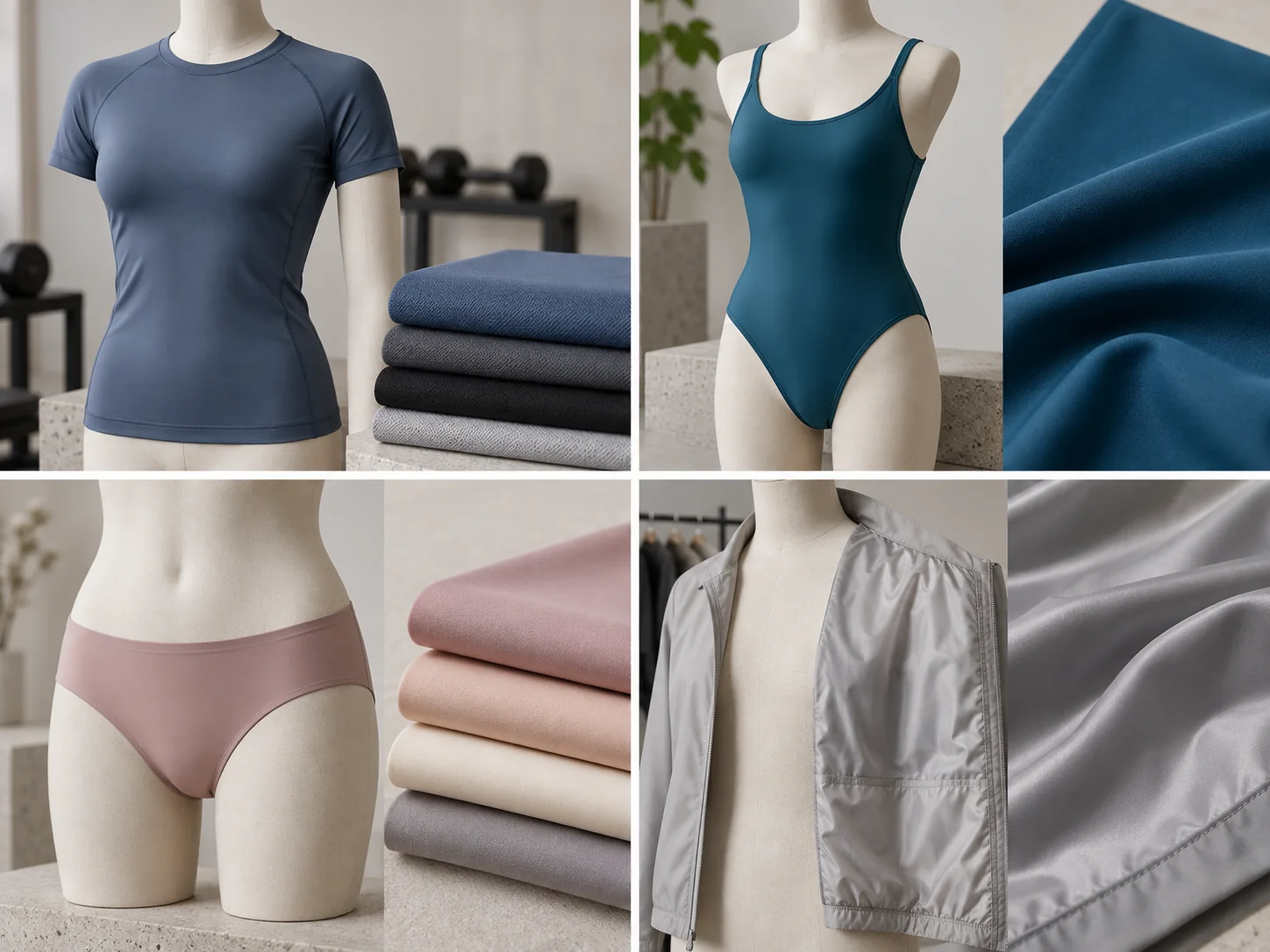
Microfiber can be used in moisture-management garments, but breathability and wicking are construction and test questions, not automatic properties of the name. Air permeability, thickness, cover factor, yarn geometry, surface finish, knit openness and garment panels all affect comfort. A dense surface may feel smooth and protective but behave differently from an open knit.
For a performance brief, separate liquid moisture movement from water-vapor or air movement. Ask for the agreed liquid moisture-management, wicking, drying or air-permeability method where that performance matters. AATCC’s standards list includes TM195 for liquid moisture management, TM197 and TM198 for wicking, TM199 through TM201 for drying behavior and TM204 for water vapor transmission.
The practical approval route is to test the fabric and wear the finished prototype. The same fabric can feel comfortable in a loose training top and too warm in a tightly lined compression panel because the garment architecture is different.
What Is Microfiber Fabric Used For in Apparel?

Microfiber fabric is used for activewear, training tops, leggings, swimwear, underwear, slips, linings, lightweight jackets and fashion garments that need a smooth surface or controlled drape. It can also appear in accessories and cleaning textiles. The cleaning-cloth meaning is common in consumer search, but it should not be allowed to blur an apparel specification.
For activewear, a buyer may value a smooth low-friction face, quick-drying behavior, controlled stretch, coverage and a clean print surface. For swimwear or underwear, recovery, opacity, chlorine or perspiration colorfastness and skin comfort may carry more weight. For a lining, low bulk, usable width, static behavior, snag resistance and sewing performance may matter more than high stretch.
Match the fabric to the product’s failure points. A fabric that looks excellent as a swatch may not be the right choice for a high-friction gusset, a compression waistband or a heat-exposed care route.
Care, Pilling, Snagging and Dimensional Change
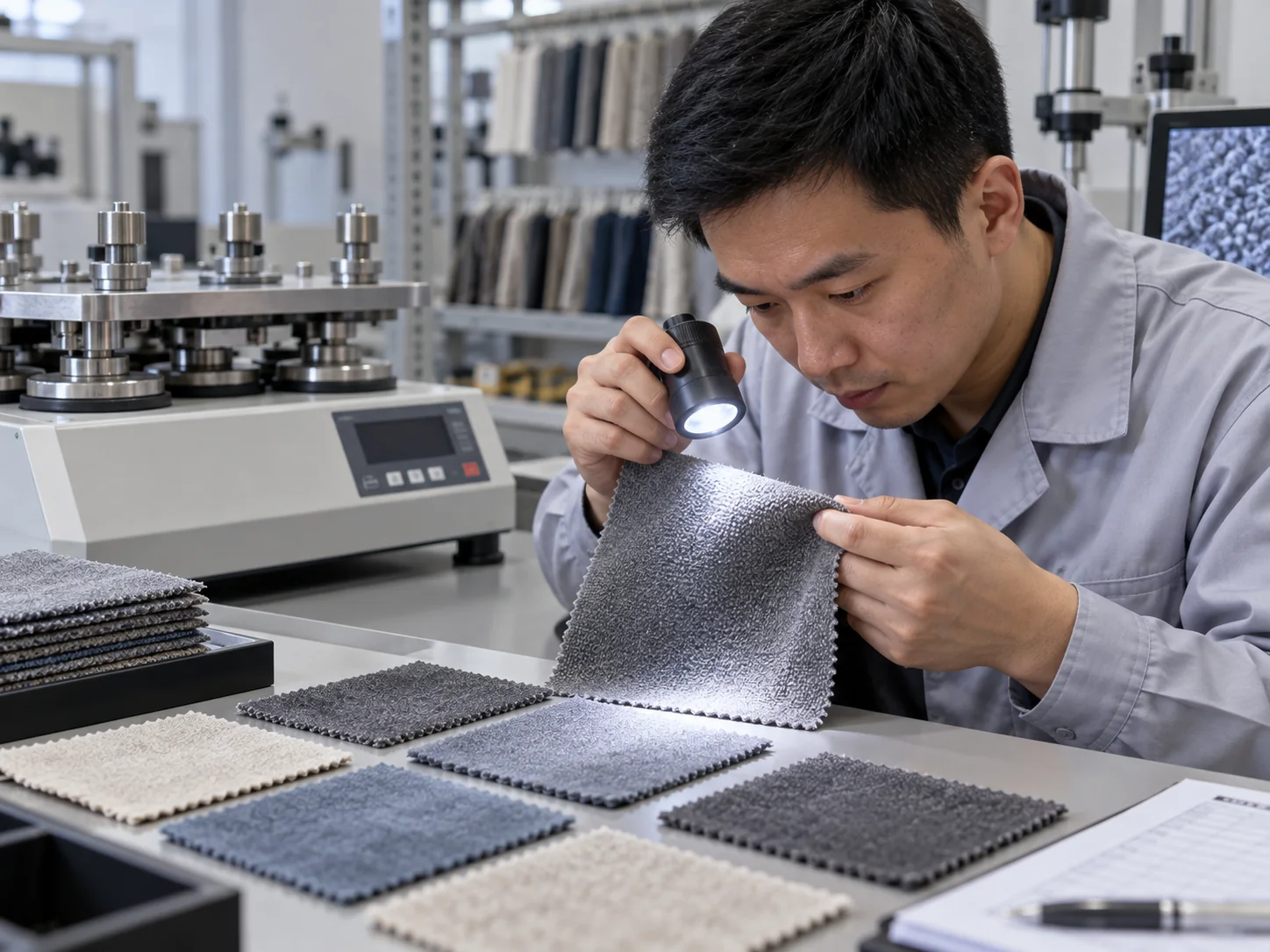
Care instructions should be based on the actual fiber blend, finish and garment test. Heat, aggressive agitation, rough surfaces and unsuitable chemicals can change the surface, recovery, color or dimensions. Fine filaments can also make a fabric feel smooth while remaining sensitive to a sharp snag, rough hook-and-loop or high-friction seam.
Pilling is not a guaranteed microfiber advantage or disadvantage. It depends on fiber length, yarn twist, surface hairiness, finishing, abrasion and laundering. Inspect both the face and reverse, especially where a backpack, seat, thigh, underarm or equipment contact will create repeated friction. Record the agreed method and rating rather than using an unqualified “anti-pilling” claim.
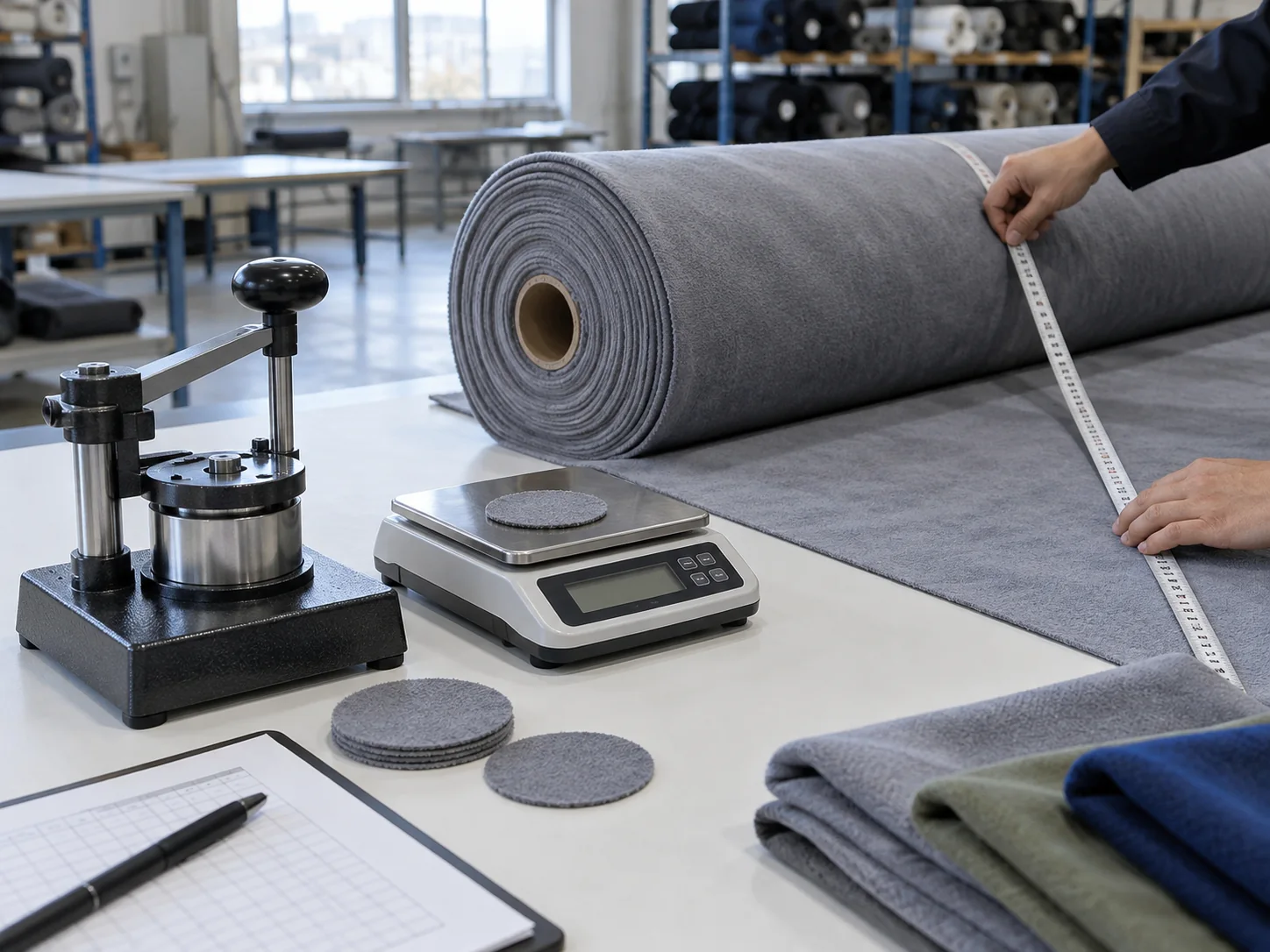
Dimensional change should be checked in the intended care route. AATCC TM135 is one named method for dimensional changes of fabrics after home laundering, but the final method and acceptance criteria should match the product, market and buyer agreement. Include length, width, skew, spirality and garment measurements where relevant.
How to Specify Microfiber Fabric in a Tech Pack
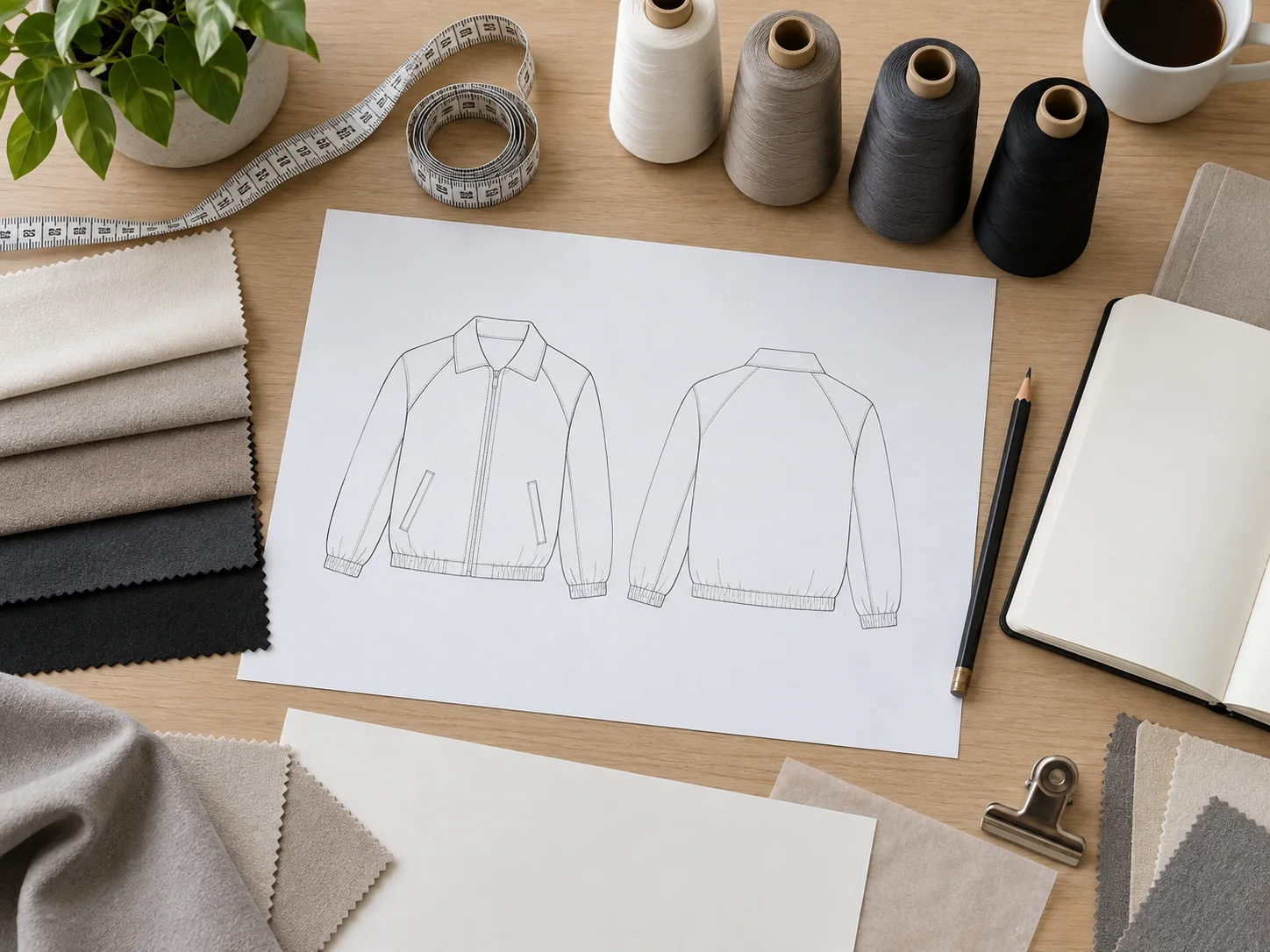
A quote-ready microfiber brief separates facts you already know from properties that need supplier confirmation. Include a reference swatch or image where possible, but do not let a moodboard replace measurable fields. The sample should be traceable to a construction record and an approved color or lab dip.
| Campo del tech-pack | Example of a useful instruction | Evidencia a solicitar |
|---|---|---|
| Product and end use | Training top, swim short, lining or underwear | Pattern, reference garment or use description |
| Contenido de fibra | Exact percentages and generic fiber names | Technical sheet and label wording review |
| Yarn or filament | Microfiber convention, denier or dtex level | Yarn or fabric specification |
| Construcción | Knit or woven type, gauge or structure if known | Swatch, construction note and width record |
| Finished GSM and tolerance | Target weight after finishing with an agreed tolerance | Measured sample and lot report |
| Ancho útil | Open or tubular finished width excluding unusable edges | Roll inspection record |
| Elasticidad y recuperación | Direction, extension, recovery, growth and method | Test result plus garment fit review |
| Surface and finish | Smooth, peached, brushed, wicking, coated or untreated | cURL Too many subrequests by single Worker invocation. To configure this limit, refer to https://developers.cloudflare.com/workers/wrangler/configuration/#limits |
| cURL Too many subrequests by single Worker invocation. To configure this limit, refer to https://developers.cloudflare.com/workers/wrangler/configuration/#limits | cURL Too many subrequests by single Worker invocation. To configure this limit, refer to https://developers.cloudflare.com/workers/wrangler/configuration/#limits | cURL Too many subrequests by single Worker invocation. To configure this limit, refer to https://developers.cloudflare.com/workers/wrangler/configuration/#limits |
| Plan de pruebas | cURL Too many subrequests by single Worker invocation. To configure this limit, refer to https://developers.cloudflare.com/workers/wrangler/configuration/#limits | cURL Too many subrequests by single Worker invocation. To configure this limit, refer to https://developers.cloudflare.com/workers/wrangler/configuration/#limits |
cURL Too many subrequests by single Worker invocation. To configure this limit, refer to https://developers.cloudflare.com/workers/wrangler/configuration/#limits.
cURL Too many subrequests by single Worker invocation. To configure this limit, refer to https://developers.cloudflare.com/workers/wrangler/configuration/#limits biblioteca de telas y avíos, servicio de personalización de fichas técnicas y flujo de muestreo y prototipado más amplio. cURL Too many subrequests by single Worker invocation. To configure this limit, refer to https://developers.cloudflare.com/workers/wrangler/configuration/#limits.
cURL Too many subrequests by single Worker invocation. To configure this limit, refer to https://developers.cloudflare.com/workers/wrangler/configuration/#limits

cURL Too many subrequests by single Worker invocation. To configure this limit, refer to https://developers.cloudflare.com/workers/wrangler/configuration/#limits.
| cURL Too many subrequests by single Worker invocation. To configure this limit, refer to https://developers.cloudflare.com/workers/wrangler/configuration/#limits | cURL Too many subrequests by single Worker invocation. To configure this limit, refer to https://developers.cloudflare.com/workers/wrangler/configuration/#limits | Decisión que respalda |
|---|---|---|
| cURL Too many subrequests by single Worker invocation. To configure this limit, refer to https://developers.cloudflare.com/workers/wrangler/configuration/#limits | cURL Too many subrequests by single Worker invocation. To configure this limit, refer to https://developers.cloudflare.com/workers/wrangler/configuration/#limits | cURL Too many subrequests by single Worker invocation. To configure this limit, refer to https://developers.cloudflare.com/workers/wrangler/configuration/#limits |
| cURL Too many subrequests by single Worker invocation. To configure this limit, refer to https://developers.cloudflare.com/workers/wrangler/configuration/#limits | cURL Too many subrequests by single Worker invocation. To configure this limit, refer to https://developers.cloudflare.com/workers/wrangler/configuration/#limits | cURL Too many subrequests by single Worker invocation. To configure this limit, refer to https://developers.cloudflare.com/workers/wrangler/configuration/#limits |
| cURL Too many subrequests by single Worker invocation. To configure this limit, refer to https://developers.cloudflare.com/workers/wrangler/configuration/#limits | cURL Too many subrequests by single Worker invocation. To configure this limit, refer to https://developers.cloudflare.com/workers/wrangler/configuration/#limits | cURL Too many subrequests by single Worker invocation. To configure this limit, refer to https://developers.cloudflare.com/workers/wrangler/configuration/#limits |
| cURL Too many subrequests by single Worker invocation. To configure this limit, refer to https://developers.cloudflare.com/workers/wrangler/configuration/#limits | cURL Too many subrequests by single Worker invocation. To configure this limit, refer to https://developers.cloudflare.com/workers/wrangler/configuration/#limits | cURL Too many subrequests by single Worker invocation. To configure this limit, refer to https://developers.cloudflare.com/workers/wrangler/configuration/#limits |
| Cambio dimensional | cURL Too many subrequests by single Worker invocation. To configure this limit, refer to https://developers.cloudflare.com/workers/wrangler/configuration/#limits | cURL Too many subrequests by single Worker invocation. To configure this limit, refer to https://developers.cloudflare.com/workers/wrangler/configuration/#limits |
| cURL Too many subrequests by single Worker invocation. To configure this limit, refer to https://developers.cloudflare.com/workers/wrangler/configuration/#limits | cURL Too many subrequests by single Worker invocation. To configure this limit, refer to https://developers.cloudflare.com/workers/wrangler/configuration/#limits | cURL Too many subrequests by single Worker invocation. To configure this limit, refer to https://developers.cloudflare.com/workers/wrangler/configuration/#limits |
| cURL Too many subrequests by single Worker invocation. To configure this limit, refer to https://developers.cloudflare.com/workers/wrangler/configuration/#limits | cURL Too many subrequests by single Worker invocation. To configure this limit, refer to https://developers.cloudflare.com/workers/wrangler/configuration/#limits | cURL Too many subrequests by single Worker invocation. To configure this limit, refer to https://developers.cloudflare.com/workers/wrangler/configuration/#limits |
| cURL Too many subrequests by single Worker invocation. To configure this limit, refer to https://developers.cloudflare.com/workers/wrangler/configuration/#limits | cURL Too many subrequests by single Worker invocation. To configure this limit, refer to https://developers.cloudflare.com/workers/wrangler/configuration/#limits | cURL Too many subrequests by single Worker invocation. To configure this limit, refer to https://developers.cloudflare.com/workers/wrangler/configuration/#limits |
El cURL Too many subrequests by single Worker invocation. To configure this limit, refer to https://developers.cloudflare.com/workers/wrangler/configuration/#limits cURL Too many subrequests by single Worker invocation. To configure this limit, refer to https://developers.cloudflare.com/workers/wrangler/configuration/#limits.
cURL Too many subrequests by single Worker invocation. To configure this limit, refer to https://developers.cloudflare.com/workers/wrangler/configuration/#limits

- cURL Too many subrequests by single Worker invocation. To configure this limit, refer to https://developers.cloudflare.com/workers/wrangler/configuration/#limits.
- cURL Too many subrequests by single Worker invocation. To configure this limit, refer to https://developers.cloudflare.com/workers/wrangler/configuration/#limits.
- cURL Too many subrequests by single Worker invocation. To configure this limit, refer to https://developers.cloudflare.com/workers/wrangler/configuration/#limits.
- Test the risk points. Measure the flat fabric and build the intended prototype so stretch, recovery, coverage, sewing and comfort can be reviewed together.
- Approve the standard. Record the selected swatch, color, measurements, tolerance, care route, test evidence and revision comments.
- Protect the bulk reference. Retain the approved sample and connect it to the purchase order, inspection plan and packing instructions.
The workflow keeps a material name from becoming a vague promise. It also gives a buyer a clear point to change the construction before the pattern, decoration and bulk plan are locked.
Common Microfiber-Fabric Sourcing Mistakes
- Treating microfiber as a fixed fiber instead of confirming polyester, nylon, elastane or another blend.
- Asking for “soft and stretchy” without specifying construction, direction, extension, recovery and growth.
- Comparing GSM values that were measured before and after different finishing or relaxation conditions.
- Approving a dark swatch and assuming a light color will have the same coverage and shade behavior.
- Using a cleaning-cloth specification for an apparel product without checking hand, skin comfort, sewing and care.
- Publishing wicking, quick-dry, anti-pilling or breathable claims before the actual fabric or garment is tested.
- Sending a sample to bulk without keeping the approved swatch, measurement record and comment history.
Preguntas frecuentes
Microfiber fabric is made from very fine synthetic fibers or filaments. Polyester and polyamide (nylon) are common, and blends may include elastane or other fibers. Confirm the exact fiber percentages on the technical sheet or label because microfiber describes fineness, not one fixed chemistry.
No. Polyester is common, but polyamide (nylon) and blends are also used. The fiber content, yarn construction, finish and end use should be confirmed for each fabric lot.
Not automatically. Stretch comes from knit construction, elastane, yarn design and finishing. Request stretch direction, extension, recovery and growth results instead of relying on the microfiber name.
Breathability depends on construction, thickness, cover factor, finish and garment design. A microfiber label alone cannot guarantee air permeability or moisture comfort; request the relevant test or a wear-trial sample.
There is no universal microfiber GSM. Finished weight depends on construction and end use. State the target finished GSM and tolerance, then verify the approved lot after finishing.
It can be suitable when the construction, stretch and recovery, moisture management, coverage, colorfastness and care performance match the garment. Approve the fabric through a sample and test plan, not the name alone.
Pilling depends on fiber, yarn, surface, finish, friction and laundering. Some microfiber surfaces resist pilling while others can fuzz or snag. Use an agreed pilling or abrasion method and inspect the actual garment.
Send the garment type, target use, composition preference, construction, GSM and tolerance, usable width, stretch and recovery needs, finish, color, quantity, care route, packaging and any test or labeling requirements. A moodboard, reference swatch or tech pack speeds the review.
How to Choose Microfiber Fabric Before You Approve the Garment
Choose the material by connecting the fiber description to the garment’s real failure points. Confirm the polymer and percentages, construction, finished GSM, width, stretch, recovery, coverage, surface, care route and test evidence. If a property is important enough to appear in the product brief, it is important enough to appear in the approval record.
Solicite una cotización personalizada o send your moodboard or tech pack for review. Include the garment type, target quantity, color, reference fabric and any required test or labeling route. DTS Activewear can review the brief, clarify the material questions and connect the selected fabric to sampling before bulk production.